Lake Spiritwood Ice Fishing Report
Alright, let's talk about Lake Spiritwood. It's frustrating when you're itching to get out on the ice, you've got your gear ready, but you just can't seem to find a reliable, up-to-the-minute report on conditions and what the fish are actually doing. This guide is all about helping you cut through that noise, giving you the solid understanding you need to plan a successful ice fishing trip to Lake Spiritwood, from ice safety to the best ways to trick those winter fish.
Understanding Lake Spiritwood's Winter Character
Lake Spiritwood, nestled in Stutsman County, isn't just another body of water; it’s a vital hub for winter anglers in North Dakota, known for its consistent action when the ice sets in. To really get a handle on how to fish it during the colder months, you first need to understand its unique personality, especially how its underwater landscape and typical fish populations behave when things freeze over.
Key Features and Depth Overview
Lake Spiritwood is a relatively shallow lake compared to some of North Dakota's behemoths, but don't let that fool you. Its average depth hovers around 10-15 feet, with some areas dipping down to 20-25 feet. This shallower nature means it tends to freeze over more consistently and often earlier than deeper, larger lakes, making it a favorite for early-ice enthusiasts. The lake bed is a mix of soft bottoms, scattered rock piles, and some remaining weed beds, especially in the bays and along the northern and southern shores. These features become crucial in winter, as fish will relate strongly to any remaining structure or subtle depth changes. The main basin has a bit of a bowl shape, with a gradual slope that transitions into deeper water. Anglers often find success focusing on these transition zones, particularly points and subtle humps that rise off the bottom. Remember, even a foot or two difference in depth can hold a school of fish, especially perch, when the ice is thick.
Common Fish Species Targeted During Winter
When you're out on Lake Spiritwood in the winter, you're primarily going after a few key species that thrive in its iced-over waters. The stars of the show are typically Yellow Perch and Walleye, with Northern Pike always a strong possibility, especially for those looking for a bigger fight. Crappie and other panfish also make an appearance, rounding out the diverse winter fishery.
- Yellow Perch: These are often the main draw, especially on a hot bite. Spiritwood perch can be abundant and, while not always giants, offer consistent action, making them perfect for families or those who just love to keep their lines busy. They tend to school up, so once you find one, you're likely to find many more. You'll often find them cruising over softer bottoms near the edges of old weed beds or around those subtle depth changes in 8-15 feet of water. If you're looking for more details on how to find these tasty critters, check out our North Dakota Yellow Perch Fishing Guide.
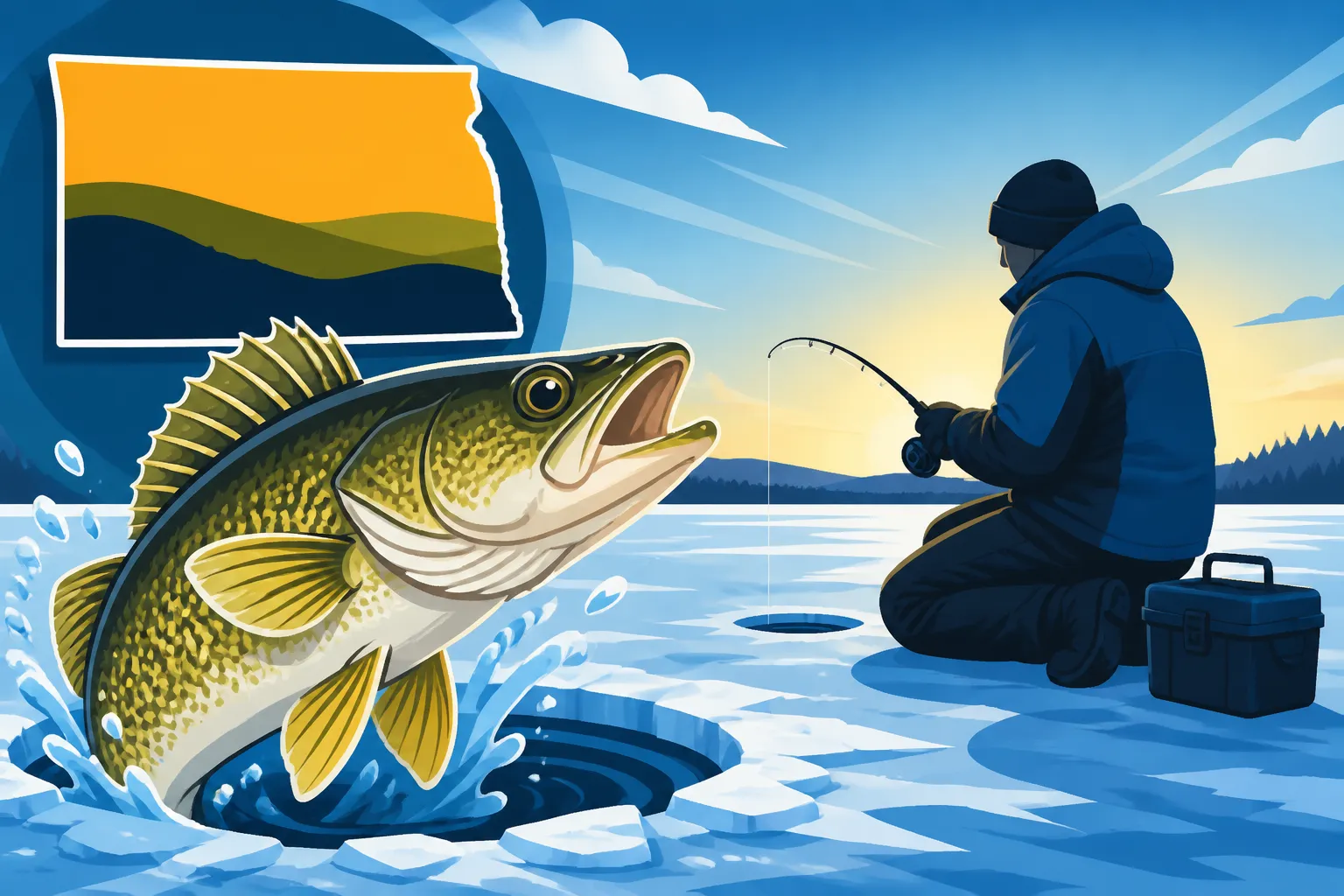
- Walleye: While Spiritwood might not be known for trophy walleye like Lake Sakakawea, it holds a respectable population, and winter can be a prime time to target them. They tend to relate to the same structural elements as perch but often prefer slightly deeper edges or points, especially during low light periods like dawn and dusk. Targeting them usually involves a bit more patience, but the reward is well worth it.
- Northern Pike: These toothy predators are always lurking. They'll often hang out in shallower areas, especially near any lingering green weeds or along sharp breaks where they can ambush unsuspecting prey. Don't be surprised if a pike hammers your perch rig – it happens! For those specifically targeting pike, setting up tip-ups with larger baits can be very effective. If you're interested in really honing your skills for these powerful fish, our North Dakota Northern Pike Fishing Guide has a ton of great information.
- Panfish (Crappie, Bluegill): While less dominant than perch, crappie and bluegill can offer bonus catches, especially in quieter bays or areas with more standing timber. They are often found suspended over slightly deeper water or tucked right into the cover.
Current Ice Conditions and Safety at Lake Spiritwood
The absolute number one rule when ice fishing, especially in North Dakota, is safety first. I know, I know, everyone says it, but it's genuinely the most critical piece of information you can get. Chasing fish isn't worth risking your life, and conditions on Lake Spiritwood, like any lake, can change rapidly. Always assume the ice is unsafe until you've verified it yourself or through extremely reliable local sources.
How to Gauge Ice Thickness Safely
You cannot rely on what the ice looked like last week, or even yesterday. Daily temperature fluctuations, snow cover, and underwater currents all play a role in ice integrity. The North Dakota Game and Fish Department (NDGFD) provides general guidelines for safe ice thickness, which are critical to heed.
- 2 inches or less: STAY OFF. Seriously.
- 4 inches: Safe for ice fishing on foot. This is the bare minimum, and even then, be cautious and spread out.
- 5-7 inches: Safe for snowmobiles and ATVs. Always check access ramps and areas of moving water.
- 8-12 inches: Safe for a small car or light pickup. Again, verify this thickness all over your intended path.
- 12-15 inches: Safe for medium trucks.
- 15+ inches: Generally safe for larger vehicles.
When you arrive at the lake, don't just walk out. Start by checking near the shore and continue to check every few steps as you venture out. A spud bar or an ice auger is your best friend here. Drill a hole, measure the ice, then move 10-15 feet, drill again, and repeat. Look for color changes in the ice; clear blue ice is generally strongest, while white or "snow ice" is weaker. Slushy ice or areas around inlets/outlets are always suspect. Always go with a buddy, tell someone where you're going and when you expect to be back, and carry ice picks around your neck. For a deeper dive into making sure you're safe, our How Thick Ice Needs to Be for Ice Fishing article is a must-read.
Access Points and Common Hazards
Lake Spiritwood offers several access points, primarily on its eastern and western shores. The boat ramp on the eastern side near Spiritwood Lake Campground is a popular spot for both early-season walking access and later, when the ice is thick, for vehicle access. There's also access on the western side, often used by locals. Always be mindful that while designated access points are maintained, the ice conditions on the lake can vary significantly from what you find at the ramp.
Common hazards on Lake Spiritwood include:
- Pressure Ridges: These form when large sheets of ice push against each other, creating cracks or heaves. They can be dangerous and unpredictable, especially after temperature swings. Always approach them with extreme caution or avoid them entirely.
- Snow Cover: While snow insulates the ice, it also hides weak spots and can create slush pockets. Heavy snow can depress the ice, causing water to push up through cracks, leading to slush that can be difficult to drive or walk through.
- Open Water (Rare but Possible): Even on consistently frozen lakes, areas with natural springs or strong currents can remain open or have dangerously thin ice. Always be aware of your surroundings, especially near any inlets or outlets.
- Vehicle Weight and Spacing: If you're driving on the ice, ensure adequate spacing between vehicles. Concentrated weight is a recipe for disaster. Never park too close to another vehicle, and drive slowly.
Before you head out, checking local bait shops or online fishing forums specific to North Dakota can give you the most current, albeit unofficial, ice reports. Many anglers are happy to share their observations, and these real-time accounts can be invaluable. If you're thinking about finding a local guide for your trip, resources like FishingBooker can help you connect with experienced pros who will have the latest scoop on conditions and the safest routes.
Tactics for Successful Ice Fishing on Lake Spiritwood
Once you've safely navigated the ice, the real fun begins: catching fish! Successfully targeting walleye, perch, and pike on Lake Spiritwood in winter requires a blend of the right gear, understanding fish behavior, and a bit of patience.
Best Baits and Lures for Spiritwood's Winter Fish
Fish behavior changes dramatically under the ice. They become less active, often preferring smaller, more subtle presentations. Matching the hatch, or at least presenting something appealing, is key.
- For Perch:
- Small Jigs: Tiny tungsten jigs, tipped with a wax worm, a couple of maggot, or a piece of plastic (like a Maki Plastic or a Clam Drop-Kick jig), are deadly. Colors like glow white, chartreuse, orange, and even black can be very effective. The key is often a very subtle jigging action – a tiny twitch, a pause, and then repeat. Sometimes just holding it perfectly still will get the bite.
- Spoons: Small jigging spoons (1/16 to 1/8 oz) like the Northland Forage Minnow, Lindy Rattlin' Flyer, or a VMC Tingler Spoon can also be excellent. Tip these with a minnow head or a couple of wax worms for added scent and appeal. A slightly more aggressive lift-and-drop presentation works here, creating flash and vibration.
- Live Bait: Minnows are always a good bet, either on a plain hook under a bobber or tipped on a small jig. Small fatheads or shiners are typically the go-to.
- For Walleye:
- Jigging Raps/Slab Raps: These lipless crankbaits, like the Rapala Jigging Rap or VMC Tingler Spoon, are incredibly effective for triggering neutral or active walleye. A sharp lift followed by a controlled drop allows them to dart and circle, imitating a fleeing baitfish. Always tip the treble hook with a minnow head for extra appeal.
- Spoons: Larger jigging spoons (1/4 to 3/8 oz) like a Northland Buck-Shot Rattle Spoon or a Custom Jigs & Spins Slender Spoon, tipped with a minnow head or half a minnow, can entice walleye. The rattle in some spoons can be a real game-changer in stained water or low light.
- Dead Sticks: Having a second line (where legal, check the North Dakota Fishing Regulations Explained) with a plain hook and a lively minnow under a slip bobber, set just off the bottom, is often the most productive walleye setup. A hungry walleye will often cruise by and inhale an easy meal.
- For Northern Pike:
- Tip-Ups: This is the classic method for pike. Set your tip-ups with large shiner minnows, smelt, or frozen ciscoes on a quick-strike rig or a large treble hook. Position them near weed lines or break lines in 5-15 feet of water.
- Large Spoons/Jigging Lures: While less common for dedicated pike fishing on Spiritwood, a large spoon or a jigging lure can attract pike when actively jigging for walleye.
Locating Fish Under the Ice
Finding the fish is often 90% of the battle, especially when they're less active in winter. Don't be afraid to move, and use your electronics if you have them.
- Start with Structure: Look for points, humps, or the edges of old weed beds. On Spiritwood, the subtle depth changes in the main basin or the transitions from shallower bays to deeper water are prime. Many anglers find success focusing on the 10-18 foot range for walleye and perch.
- Drill and Move: If you're not seeing fish or getting bites within 15-20 minutes in one spot, move! Drill another series of holes 20-50 yards away and repeat the process. Don't be afraid to drill 10-20 holes in an afternoon until you find a productive area.
- Electronics are Your Friend: A good flasher or a fish finder with an ice transducer is invaluable. It shows you the depth, the bottom contour, and most importantly, where the fish are in the water column relative to your bait. You can instantly see if fish are interested or just cruising by, allowing you to adjust your presentation. For more on these handy gadgets, our guide to Best Fish Finders for Ice Fishing is a great resource.
- Follow the Crowd (Sometimes): While solo exploration can be rewarding, sometimes the best ice fishing reports come from seeing where others are already set up. If you see a cluster of permanent houses or portable shelters, it's a good indicator that fish have been found there. Just be respectful of other anglers' space.
Recommended Gear for a Spiritwood Ice Trip
Having the right gear makes your trip more comfortable and effective, especially when North Dakota's winter weather decides to show its true colors.
- Auger: A good ice auger is non-negotiable. Whether you prefer a hand auger for portability, a propane auger for power, or an electric auger for quiet and clean operation, make sure it's sharp and reliable. A 6-inch auger is usually sufficient for perch and walleye, but an 8-inch might be better if you're targeting bigger pike or anticipating really thick ice.
- Rods and Reels: Sensitive ice fishing rods with light action are crucial for detecting subtle bites. Pair them with small spinning reels spooled with 4-8 lb test monofilament or fluorocarbon. Braided line can be used, but a fluorocarbon leader is recommended for stealth.
- Shelter: A portable ice fishing shelter, whether a flip-over or a hub-style, is a game-changer for comfort and warmth, especially on a windy day. They can drastically extend your time on the ice. If you're looking for recommendations, our Best Ice Fishing Shelters for North Dakota article covers a range of options.
- Heater: A portable propane heater can keep your shelter toasty, making long waits much more enjoyable. Always ensure proper ventilation.
- Safety Gear: Ice picks, a spud bar, and a flotation suit or life jacket are essential. Always have a tow rope and shovel if you're driving on the ice.
- Warm Clothing: Layers are key! Insulated boots, waterproof outer layers, warm hats, and gloves are non-negotiable for facing North Dakota's often brutal winter conditions. You'll want to review our What to Wear Ice Fishing in North Dakota guide to prepare appropriately.
Planning Your Trip to Lake Spiritwood
A successful ice fishing trip to Lake Spiritwood isn't just about catching fish; it's about the entire experience, from preparing correctly to knowing local nuances. Getting these details right will make your time on the ice much more enjoyable and productive.
Local Resources and Regulations
Before you even think about drilling a hole, it's absolutely vital to be up-to-date on all North Dakota Game and Fish Department (NDGFD) regulations. These rules can change from season to season, and ignorance is never an excuse.
- Fishing License: First and foremost, you'll need a current North Dakota fishing license. This isn't just a formality; it directly supports conservation efforts that keep lakes like Spiritwood healthy and stocked. You can easily purchase one online through the NDGFD website, or find retail vendors like sporting goods stores throughout the state. If you're a non-resident, there are specific North Dakota Nonresident Fishing License Options to consider, including multi-day licenses if you're just visiting. Even kids have rules, so check out Do Kids Need a Fishing License in North Dakota? if you're bringing the little ones along.
- Current Proclamation: Always carry a copy of the latest North Dakota Fishing Guide or Proclamation, either digitally on your phone or a physical copy. This document details all the specifics: daily limits, possession limits, size restrictions (like for walleye or pike), and any special rules that might apply to Lake Spiritwood itself. Pay close attention to these, as they're designed to maintain healthy fish populations.
- Local Bait Shops: These are gold mines of information. Stores like Capital Sports & Western in Bismarck or Scheels in Fargo, or even smaller local shops, often have the most current word-of-mouth reports from anglers who were just out on the ice. They can tell you what baits are working, general ice conditions, and even point you towards productive areas. Don't underestimate the power of a friendly chat with the folks behind the counter!
- Online Forums and Social Media: Numerous North Dakota fishing groups on Facebook or dedicated forums provide real-time updates. Search for "North Dakota Ice Fishing" or "Lake Spiritwood Fishing Report" – you'll often find fellow anglers sharing photos, conditions, and what's biting. Just remember, these are angler reports, not official safety declarations, so always verify ice conditions yourself.
When to Visit for Optimal Results
Lake Spiritwood's ice fishing season typically kicks off in late November or early December, sometimes even earlier if North Dakota experiences a cold snap. The season usually runs through March, though ice conditions can become unpredictable as spring approaches.
- Early Ice (December-Early January): This is often considered the "golden period" by many experienced anglers. Fish are usually still quite active and haven't experienced heavy fishing pressure. Ice is often clearer, and fish can be found in shallower depths, making them easier to locate. However, early ice is also the most dangerous, so extreme caution is paramount. This is a fantastic time for aggressive perch and walleye.
- Mid-Winter (Mid-January-February): This period usually offers the most stable and thickest ice conditions, making vehicle access safer. Fish can become a bit more lethargic and might hold in deeper water or tighter to structure. Patience is key, and subtle presentations often outshine aggressive ones. This is a great time to target pike with tip-ups.
- Late Ice (March): As spring approaches, rising temperatures and longer daylight hours can re-invigorate fish, leading to a "late ice bite" that can be phenomenal. Fish might move back into shallower areas as they prepare for spawning. However, late ice is incredibly dangerous and deteriorates rapidly. Always be checking the ice frequently and never trust it after dark or during significant thaws. Knowing When Must Ice Shelters Be Removed From North Dakota Lakes? is also crucial, as there are strict deadlines for shelter removal to ensure safety as the ice melts.
Regardless of when you go, consider using resources like FishingBooker if you're looking to book a guided trip. A local guide can optimize your timing, ensure you're on safe ice, and quickly put you on fish, making the most of your limited time on the water.
Lake Spiritwood Ice Fishing Quick Reference
Here’s a handy table to summarize some key information for ice fishing on Lake Spiritwood:
| Species | Primary Target Depth (Winter) | Recommended Baits/Lures | Typical Presentation | Best Time to Fish | Notes |
|---|---|---|---|---|---|
| Yellow Perch | 8-15 feet | Small Tungsten Jigs (glow, chartreuse), Spoons, Wax worms, Maggots, Small Minnows | Subtle jigging, dead stick with live bait | Throughout the day | Schooling fish, move often. Look for subtle structure. |
| Walleye | 10-20 feet | Jigging Raps, Spoons, Large Minnows (dead stick) | Lift & drop jigging, static presentation | Dawn, Dusk, Night | Relate to points and breaks. Often deeper than perch. |
| Northern Pike | 5-15 feet | Large Shiners, Smelt, Frozen Ciscoes (tip-ups) | Tip-ups, stationary large baits | Throughout the day | Found near weed lines or sharp break lines. |
| Crappie | 12-25 feet (suspended) | Small Jigs (white, black), Plastic bodies, Tiny minnows | Very subtle jigging, slow retrieve or dead stick | Dawn, Dusk, Night | Often suspended over deeper water, look for schools. |
Disclaimer
Fishing conditions and regulations in North Dakota can change rapidly. Always consult the official North Dakota Game and Fish Department (NDGFD) website and local resources for the most current information regarding licensing, regulations, and ice safety before planning any fishing trip. This guide provides general advice and should not replace official sources or personal judgment regarding safety.