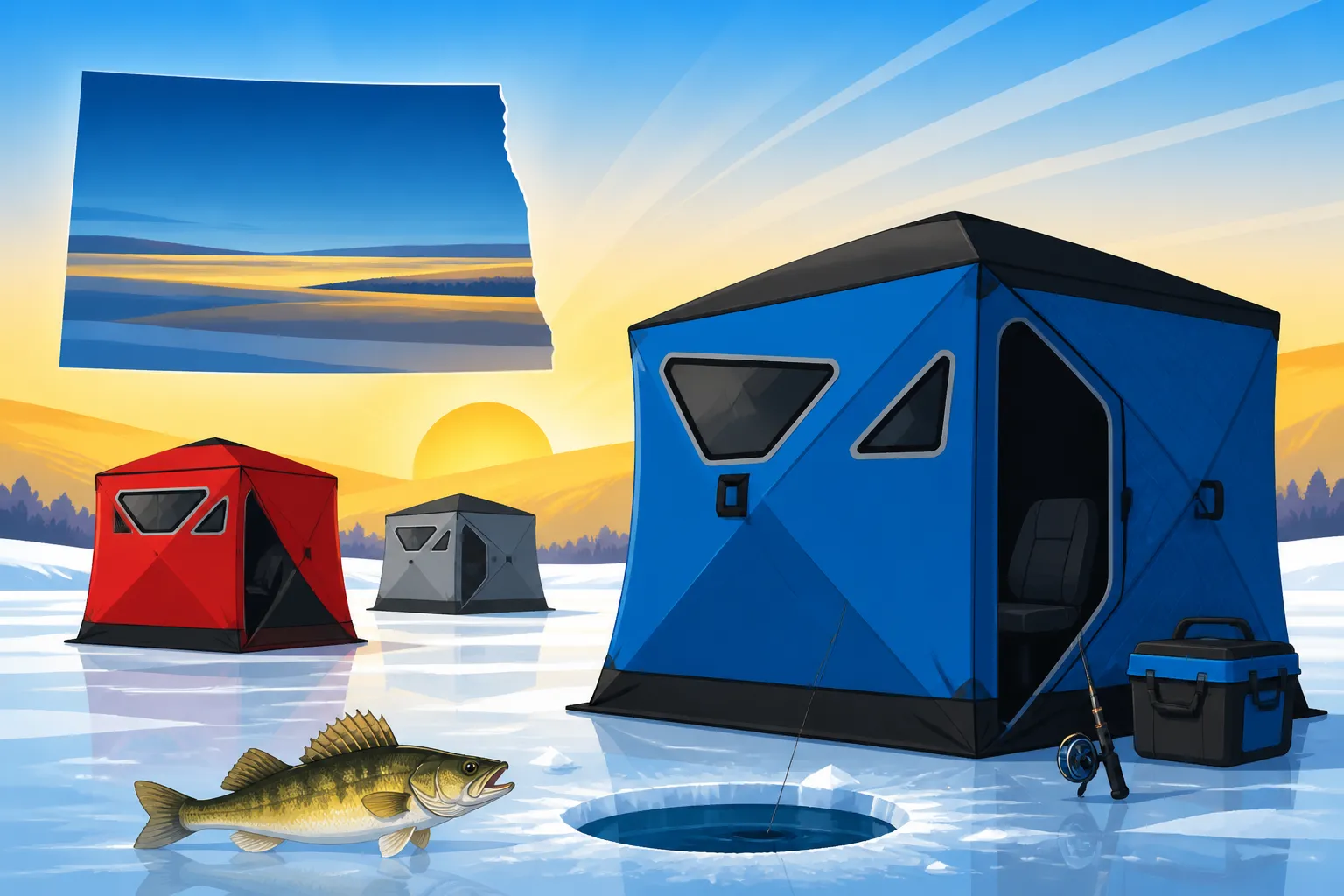
Best Ice Fishing Shelters for North Dakota
Oh, the allure of ice fishing in North Dakota! There's nothing quite like spending a day (or several) out on the frozen expanses of Lake Sakakawea or Devils Lake, waiting for that tell-tale tug on your line. But let's be real, those romantic notions quickly fade when a fierce North Dakota blizzard rolls in, or the mercury plunges to twenty below, making your teeth chatter and fingers ache. Finding the right ice fishing shelter isn't just about comfort; it's about safety, endurance, and making sure your passion for hardwater fishing isn't ruined by the elements. This guide will walk you through everything you need to know to choose the perfect ice fishing shelter that will stand up to North Dakota's legendary winters, keeping you warm and on the fish.
Understanding North Dakota's Harsh Ice Fishing Environment
Anyone who's spent a winter here knows that North Dakota doesn't play around when it comes to cold. Our winters are a breed apart, presenting unique challenges that demand specific features from your ice fishing shelter. It's not just about keeping warm; it's about protecting yourself from relentless winds and sudden, drastic temperature drops that can turn a pleasant day into a survival test in a matter of hours.
The Relentless Wind Factor
The wind in North Dakota often feels like a constant, invisible force, especially out on the wide-open frozen lakes. You might start your day with a gentle breeze, only for it to whip up into a howling gale by afternoon, gusting to 30 or 40 miles per hour, sometimes even more. This isn't just uncomfortable; it can make setting up a flimsy shelter a nightmare and quickly suck all the heat out of an inadequately designed house. A shelter that might be fine in milder climates won't cut it here. You need something that can anchor securely, resist flapping, and hold its structural integrity against a constant battering. Many anglers have stories of their shelters getting picked up and sent skittering across the ice, sometimes with gear (or even them!) still inside. It's not a fun experience, and it's easily avoided with the right shelter choice.
Brutal Cold and Rapid Temperature Swings
It's not uncommon for temperatures to dip well below zero degrees Fahrenheit, and that's before the wind chill is factored in. Even on a seemingly "mild" winter day, a sudden cold front can drop temperatures by twenty degrees in an hour or two. This kind of cold demands serious insulation. A single-layer fabric shelter might save you a few bucks, but it'll be a constant battle to keep your hands warm enough to tie a knot or operate your Ice Fishing Electronics and Fish Finders. We're talking about conditions where exposed skin can suffer frostbite in minutes. Your shelter needs to be a true refuge, a place where you can thaw out your fingers, warm up a thermos of coffee, and regain feeling in your toes without having to pack up and head home early.
Vast, Exposed Lake Landscapes
North Dakota's premier ice fishing destinations like Lake Sakakawea, Devils Lake, and Lake Oahe are massive bodies of water. This means miles of flat, treeless, exposed ice. There's no natural windbreak, no cozy bay to tuck into where the wind might be less fierce. You are completely at the mercy of the elements. This open environment amplifies the effects of both wind and cold, making your choice of shelter even more critical. Setting up a shelter on such an expanse requires not just a sturdy design, but also efficient setup, especially if you're trying to quickly move to a new spot after drilling a few unproductive holes. Consideration for ease of transport across these large, often snowy or slushy landscapes is also paramount, as you'll often be pulling your gear a considerable distance.
Types of Ice Fishing Shelters: Finding Your Match
When you start looking at ice fishing shelters, you'll quickly realize there's a whole world of options out there, each designed with different priorities in mind. From the angler who likes to move constantly to the one who sets up camp for days, there's a shelter type for every style of North Dakota ice fishing. Understanding the pros and cons of each will help you narrow down your choices and pick the best fit for your adventures.
Portable Hub Shelters: The Angler's Quick Camp
Hub shelters are perhaps the most popular choice for many North Dakota anglers, and for good reason. These shelters get their name from their central 'hub' system that allows them to quickly pop up into a full-sized ice house. They're basically large fabric cubes with flexible poles that extend outward, creating a spacious interior. The appeal here is the balance of portability and interior space. You can fold them down into a relatively compact bag, strap them onto a Best Ice Fishing Sleds, and pull them across the ice. When you get to your spot, you simply pull out the hubs, and the shelter expands. Most modern hub shelters feature excellent insulation, often with multiple layers of quilted fabric, which is absolutely crucial for our cold climate. They offer a great amount of headroom and floor space, making them comfortable for multiple anglers or if you're bringing a heater and a bunch of gear. One downside is that they require a bit more effort to anchor properly in high winds, and you'll definitely want to use ice anchors on all sides, especially on a windy day. They don't typically have a floor, which means you're fishing directly on the ice, but this also makes them lighter and easier to set up.
Flip-Over Shelters: Mobile and Convenient
For the angler who loves to "run and gun," moving from spot to spot in search of active fish, flip-over shelters are king. These shelters are built onto a sled base, which means all your gear (auger, rods, tackle, heater) can be stored inside the sled while you pull it across the ice. When you find your spot, you simply "flip" the tent portion over, and you're instantly sheltered and ready to fish. The setup time is minimal – often just a minute or two – making them incredibly efficient for covering lots of water. Many flip-overs come with comfortable seating, often padded swivel chairs, which is a huge bonus on long days. The sled base also helps to insulate your feet from the cold ice, as it acts as a barrier. While they offer excellent mobility, flip-overs typically have less interior space than a comparably sized hub shelter. They can feel a bit more cramped, especially if you're fishing with another person or bringing a lot of electronics. They are also generally heavier and bulkier to transport in a vehicle, as the sled base can take up significant cargo space. Brands like Clam and Eskimo offer a wide range of flip-over models, from single-person units to larger two or three-person setups, allowing you to choose based on your specific needs.
Permanent or Skid Houses: The Home Away From Home
For those who fish frequently, often in the same general area, and prioritize comfort above all else, a permanent or skid house might be the ultimate solution. These are essentially small, insulated cabins built on skis or a frame, designed to be towed onto the ice and left for extended periods, as long as Ice Fishing Shelter Rules on North Dakota Lakes allow. They offer unparalleled comfort with solid walls, real doors, windows, and often built-in bunks, cooking areas, and even small wood stoves or propane furnaces. Imagine spending a weekend on the ice, complete with a warm bed and a hot meal, without having to pack up every night. This is the dream of many serious ice anglers. However, the trade-off is significant. Permanent houses are heavy, difficult to move, and require a truck or ATV for transport. They are not suitable for "running and gunning" and are instead for those who plan to stay put. The initial investment is also considerably higher, and they require more maintenance and off-season storage. Plus, you need to be very aware of When Must Ice Shelters Be Removed From North Dakota Lakes?, as fines for leaving them out too long can be steep. They offer a luxurious ice fishing experience, but they are a commitment.
Key Features to Prioritize in a North Dakota Ice Shelter
Choosing an ice fishing shelter for North Dakota isn't just about picking a type; it's about dissecting the features that truly matter when facing our extreme conditions. You can have the biggest, fanciest shelter, but if it lacks the right core features, you'll still be battling the elements instead of focusing on the fish. For our state, insulation, durability, and appropriate sizing are non-negotiable.
Insulation: Battling the Bitter Cold
When it's twenty below zero outside, good insulation isn't a luxury; it's a necessity. Look for shelters that proudly advertise their insulation rating. Many quality hub and flip-over shelters boast fully insulated walls, ceilings, and sometimes even floors. This typically means multi-layered fabric, often a quilted material, designed to trap heat inside and prevent the brutal cold from penetrating. Non-insulated shelters, while cheaper, are often called "windbreaks" for a reason – they'll stop the wind, but they won't hold heat worth a darn. You'll find yourself burning through propane at an alarming rate just to maintain a barely tolerable temperature, and even then, your hands and feet will likely still be freezing. A well-insulated shelter, like many offered by brands commonly found at Bass Pro Shops or online through Amazon, allows your heater to work efficiently, maintaining a comfortable temperature with less fuel consumption. This isn't just about being comfortable; it's about energy efficiency and allowing you to stay on the ice longer, especially on those brutally cold days. Always check the R-value or thickness of the insulation, as it makes a huge difference.
Durability and Wind Resistance
The unrelenting North Dakota wind doesn't discriminate, and it will find any weakness in your shelter. Durability starts with the fabric. Look for heavy-duty denier fabric (the higher the denier, the stronger the fabric), ideally with reinforced stitching at stress points. The poles, whether they're fiberglass for hub shelters or aluminum for flip-overs, need to be robust and capable of handling significant flexing without snapping. Strong, oversized zippers are also crucial, as smaller ones tend to break or freeze shut. Wind resistance isn't just about the strength of the components, however; it's also about the design. A shelter with a wide, stable base and a low profile can inherently withstand more wind than a tall, narrow one. Furthermore, the anchoring system is paramount. Ensure the shelter comes with strong ice anchors and sufficient tie-down points. Some manufacturers even offer optional heavy-duty anchor kits or wind bars for added stability. You want a shelter that, once anchored, feels solid and secure, not like a kite about to take flight. This gives you peace of mind, especially if you step out of your shelter to check tip-ups or drill new holes.
Size and Capacity Considerations
Think about how many people will typically be fishing with you, and how much gear you bring. A solo angler might be perfectly happy with a one-person flip-over, but if you regularly fish with a buddy or your family, a larger hub shelter designed for three to five people would be much more comfortable. Remember, "capacity" often refers to how many people can squeeze in, not necessarily how many can fish comfortably with all their gear, a heater, and a fish finder. You need enough space to safely operate your heater, store your tackle, and move around without constantly bumping into each other or your lines. Consider the headroom – being able to stand up and stretch is a huge plus on long days. If you're a taller angler, a shelter with a higher peak height will prevent you from constantly hunching over. Also, think about door placement and size. Easy entry and exit are important, especially if you're wearing bulky winter clothing and boots. A well-placed, wide door can prevent trips and make it easier to haul gear in and out. If you plan on doing some serious overnight stays, a larger, well-appointed shelter is almost always the better choice, allowing for a more enjoyable and less cramped experience.
Mobility vs. Comfort: Striking the Right Balance
When it comes to ice fishing in North Dakota, anglers often find themselves at a crossroads: do you prioritize the ability to move quickly and frequently to find active fish, or do you opt for maximum comfort once you're set up? The best choice for you really depends on your fishing style, the conditions, and what species you're targeting.
The Run-and-Gun Advantage
The "run-and-gun" approach is all about mobility. It's for the angler who thrives on staying active, drilling countless holes, and moving rapidly until they find a school of biting fish. This strategy is particularly effective when targeting nomadic species like walleye or perch, which might be found in different depths or structures throughout the day. For this style, a lightweight, easy-to-deploy shelter is paramount. This is where single-person or smaller two-person flip-over shelters truly shine. They allow you to pull your shelter and all your gear on its sled base, drill a few holes with your Gas Auger vs Electric Auger for Ice Fishing, flip over your house, drop a line, and if the fish aren't biting in 15-20 minutes, you can easily flip it back, pull to the next spot, and repeat. The speed and efficiency mean more lines in productive water, and ultimately, more fish. The trade-off, of course, is typically less interior space and sometimes less insulation compared to larger, more stationary setups. However, for active anglers who are constantly moving and generating their own body heat, a fully insulated smaller flip-over still provides ample protection from the wind and biting cold while maximizing fishing time.
Setting Up for the Long Haul
On the other end of the spectrum is the "long haul" angler. This is someone who prefers to find a promising spot, set up a comfortable base camp, and stay there for hours, or even days. This approach is often favored when targeting more sedentary species, during periods of stable weather, or when fishing with a larger group or family. For this style, comfort is king. Large hub shelters or even permanent skid houses are ideal here. Once deployed and anchored, these shelters offer ample space, superior insulation, and the ability to set up multiple fishing holes, a dedicated heating source, a cooking area, and even cots or bunks for overnight stays. Imagine having a comfortable spot to play cards, cook a warm meal, and relax between bites, all while being protected from the harsh North Dakota elements. This allows for a much more social and relaxed fishing experience. The downside, naturally, is the time and effort required for setup and takedown. Moving a large hub shelter or a permanent house even a short distance is a significant undertaking, meaning you're committed to your chosen location for a considerable period.
Hybrid Approaches for Versatile Anglers
Many North Dakota anglers find themselves somewhere in the middle, adapting their approach based on the day's conditions or the species they're pursuing. This is where a hybrid approach comes in handy. You might have a large, comfortable hub shelter for weekend trips with the family to a spot you know holds fish, but also own a smaller, lighter flip-over for those solo scouting missions or quick afternoon trips when you want to be more mobile. Alternatively, some anglers utilize smaller, highly portable shelters for initial scouting, and once a hot bite is found, they bring out the larger, more comfortable setup for an extended stay. This versatility allows you to maximize your enjoyment and success on the ice, no matter what North Dakota throws at you. For example, you might use a compact Clam or Eskimo flip-over for chasing perch on Devils Lake during the week, then bring out a larger insulated hub shelter, easily purchased at retailers like Bass Pro Shops or even online from Amazon, for a group walleye trip on Lake Sakakawea on the weekend. The key is to have options that match the specific fishing scenario you're facing.
Essential Accessories and Setup Tips for Your Shelter
Having the best ice fishing shelter in North Dakota is only half the battle. To truly make it a comfortable and functional sanctuary on the ice, you need the right accessories and know-how to set it up properly. Ignoring these details can quickly turn your dream ice house into a chilly, uncomfortable, or even dangerous experience.
Anchoring and Securing Your House
The North Dakota wind, as we've discussed, is no joke. Without proper anchoring, even the sturdiest hub or flip-over shelter can become a giant kite. Most shelters come with a basic set of ice anchors, which are essentially large screws that twist into the ice. However, you often need more than what's provided, especially for larger shelters or in windy conditions. Consider investing in extra, heavy-duty ice anchors. Power drills with an ice anchor bit attachment are a godsend, making quick work of screwing anchors into thick ice. Always use all available tie-down points on your shelter. For hub shelters, this usually means anchoring every wall panel. For flip-overs, make sure the sled is secured. Some experienced anglers also carry ratchet straps to secure their shelter to an ATV, snowmobile, or even a vehicle parked nearby in extreme wind. Always position your shelter with its back to the prevailing wind if possible, to reduce the surface area exposed to the gusts. Before you even set up, clear any loose snow or slush from around your desired spot to get a good, solid anchor. Setting Up an Ice Fishing Shelter properly is crucial for your safety and comfort.
Heating Solutions for Optimal Warmth
Once your shelter is secure, the next priority is warmth. Portable propane heaters are the most common choice for ice fishing. Brands like Mr. Heater are incredibly popular for their reliability and efficiency. When choosing a heater, consider the BTU output relative to your shelter's size. A small heater might struggle to warm a large, uninsulated hub, while an oversized one can make a small shelter uncomfortably hot and waste propane. Always prioritize safety: ensure your heater has an oxygen depletion sensor (ODS) and a tip-over shut-off. Ventilation is also critical to prevent carbon monoxide buildup. Most ice shelters have built-in vents; make sure they are open, and never completely seal off your shelter. Bring extra propane tanks, as cold weather can reduce their efficiency, and you don't want to run out of heat when you're miles from shore. For smaller, more mobile shelters, catalytic heaters are a popular choice as they operate without a fan and are very quiet, while forced-air heaters provide quick, powerful heat for larger spaces. For permanent houses, larger direct-vent propane furnaces or even small wood stoves can provide luxurious warmth.
Lighting and Organization Inside
Don't underestimate the importance of good lighting, especially if you plan to fish into the evening or overnight. Many anglers rely on portable LED lanterns or strip lights, often powered by small portable battery packs or even your boat's deep cycle battery. These provide ample light for tying knots, rigging lines, and seeing your fish finder screen without being overly bright or generating heat. Headlamps are also indispensable for walking to and from your spot in the dark or making quick adjustments. Beyond lighting, keeping your shelter organized is key to an enjoyable experience. Clutter not only takes up precious space but can also be a tripping hazard. Consider collapsible storage bins, tackle management systems, and even small shelves or hanging organizers that attach to the shelter poles. Rod holders, either freestanding or attached to the shelter, keep your rods safe and off the floor. Having a designated spot for your electronics, bait bucket, and other essentials will make your time on the ice much more efficient and pleasant. Even something as simple as a small mat or rug for your feet can make a big difference in comfort.
Maintenance and Longevity of Your Ice Shelter
Investing in a quality ice fishing shelter for North Dakota is a big step, and you want that investment to last through many harsh winters. Proper care and maintenance aren't just about keeping it clean; they're about preventing damage, maintaining its performance, and extending its lifespan. Neglecting these steps can lead to premature wear, mildew, and costly repairs down the road.
Proper Cleaning and Drying Practices
After every trip, especially longer ones, your shelter will likely be wet, dirty, or both. It's crucial to clean it thoroughly. First, shake out any loose snow, slush, or debris. Use a soft brush or cloth to wipe down interior surfaces, especially if you've been cooking or have spilled anything. If your shelter has a floor, pay extra attention to cleaning it. For stubborn stains, a mild soap and water solution can work wonders, but avoid harsh chemicals that might damage the fabric's waterproofing or insulation. The most critical step, however, is drying. Never, ever pack up your shelter wet or damp. This is a surefire way to encourage mildew, which not only smells terrible but can also degrade the fabric over time. If you can, set up your shelter in a warm garage or basement, or even outside on a sunny, breezy day, and let it completely air dry. Pay special attention to corners, seams, and any areas where water might pool. If you absolutely must pack it up damp, make it your first priority to set it up and dry it as soon as you get home.
Storage Tips for the Off-Season
Once the ice fishing season is over and you've given your shelter its final thorough cleaning and drying, proper off-season storage is key. Store your shelter in a cool, dry place away from direct sunlight and extreme temperatures. A shed, garage, or even a large closet works perfectly. Avoid storing it in areas prone to rodent or insect activity, as they can chew through fabric and wiring. If your shelter came with a storage bag, use it; it protects the fabric from dust and damage. For flip-over shelters, consider a custom cover that fits over the sled and tent when folded down. This protects it from dust, UV rays, and accidental damage during the warmer months. Make sure all poles are stored straight and aren't under any tension, and check that zippers are lubricated (using a silicone-based zipper lubricant) to prevent them from seizing up next season. Taking the time to properly store your shelter during the long North Dakota summer will ensure it's in prime condition and ready to hit the ice when the first hard water forms.
Repairing Wear and Tear
Even with the best care, ice fishing shelters can suffer wear and tear. Sharp auger blades, stray hooks, or general abuse from the elements can lead to rips, tears, or broken components. It's much better to address these issues promptly than to let them fester. For small rips and holes in the fabric, many manufacturers sell patch kits that match your shelter's material. You can also find universal fabric repair kits at outdoor or sporting goods stores, including those from Bass Pro Shops. For larger tears, a local canvas or tent repair shop might be able to help. Keep an eye on your poles for any signs of cracking or bending; replacement pole sections are often available from the manufacturer. Zippers can be replaced by a qualified repair shop if they completely fail. By being proactive with repairs, you not only extend the life of your shelter but also prevent small problems from becoming major ones that could compromise your comfort and safety on the ice. A little DIY maintenance goes a long way in keeping your shelter performing year after year.
Cost Considerations and Where to Buy Your Shelter
Let's face it, investing in quality ice fishing gear, especially a good shelter, can feel like a significant financial commitment. But like most things in life, you often get what you pay for. Understanding the general cost landscape and knowing where to look can help you make a smart purchase without breaking the bank.
Understanding the Investment
Ice fishing shelters vary widely in price, from a few hundred dollars for basic, uninsulated hub shelters to several thousand for fully loaded, permanent skid houses. Portable hub shelters, a popular choice for many, typically fall into the mid-range. A decent, insulated hub that's large enough for two to three anglers might cost a moderate sum, while larger, more heavily insulated models with advanced features could be more. Flip-over shelters also span a wide price range. Single-person models are generally more affordable, while two- or three-person flip-overs with comfortable seating, heavy insulation, and robust sleds will naturally come with a higher price tag. Permanent skid houses represent the top tier of investment, often costing as much as a small used car, especially if custom-built or equipped with amenities like stoves, bunks, and extensive storage. Remember, this isn't just a purchase; it's an investment in your comfort, safety, and enjoyment of North Dakota's incredible ice fishing opportunities. Factor in the cost of essential accessories too, such as heaters, anchors, and lighting, as these are almost always separate purchases.
Finding Deals and Sales
While quality shelters require an investment, you don't always have to pay full price. The best times to find deals are usually at the end of the ice fishing season (think late winter/early spring) when retailers are clearing out inventory to make room for summer gear. Conversely, you might find pre-season sales in the late fall as stores try to generate buzz for the upcoming season. Black Friday and Cyber Monday sales can also offer significant discounts on popular models. Keep an eye on online retailers and local sporting goods stores for clearance events or special promotions. Sometimes, you can find floor models or lightly used shelters at a reduced price, but always inspect them thoroughly for damage before buying. Subscribing to email newsletters from major outdoor retailers can keep you informed about upcoming sales and discounts. Don't be afraid to compare prices across different stores – a little bit of research can save you a good chunk of change.
Reputable Retailers and Brands
When you're ready to make your purchase, stick with reputable retailers that specialize in outdoor and fishing gear. You'll find a wide selection of quality ice fishing shelters at places like Bass Pro Shops. Their staff can often provide valuable insights and advice, and you can physically inspect different models before buying. Online giants like Amazon also offer a vast array of shelters, often with competitive pricing and detailed customer reviews that can help you compare options. Just be sure to check the seller's reputation and return policy when buying online.
Many well-regarded brands dominate the ice fishing shelter market, and for good reason. Companies like Clam, Eskimo, Otter, and Shappell have built reputations for producing durable, well-designed shelters that stand up to tough conditions. While the specific features and models change over time, these brands consistently offer options that meet the demanding needs of North Dakota anglers.
| Shelter Type | Portability | Setup Time | Insulation Level | Comfort (Interior Space, Seating) | Typical Cost Range | Best Use Case |
|---|---|---|---|---|---|---|
| Hub Shelter | Good | Moderate (5-10 min) | Medium to High | Good to Excellent (Spacious) | Moderate | Group fishing, moderate mobility, longer stays |
| Flip-Over | Excellent | Very Fast (1-2 min) | Medium to High | Good (Often includes seating) | Moderate to High | Solo/duo run-and-gun, high mobility |
| Permanent/Skid | Low | Very Long | Highest | Excellent (Like a small cabin) | Highest | Stationary multi-day trips, maximum comfort |
This table provides a general overview, and features can vary widely between specific models and brands. Always check the individual product specifications before making a decision. For instance, you might find a smaller hub shelter that is less insulated than a premium flip-over.
Disclaimer
This article is for general informational purposes only and does not constitute professional advice. Laws, prices and regulations vary by location and change over time. Consult a qualified professional for guidance on your specific situation.