Best Ice Fishing Sleds
Hauling all your ice fishing gear across a frozen North Dakota lake can feel like an Olympic sport, especially when you're loaded down with shelters, augers, buckets, and rods. The struggle to pull a heavy, overloaded sled through deep snow or slush can quickly zap your energy and patience before you even drop a line. This comprehensive guide is here to walk you through everything you need to know about choosing the best ice fishing sled, ensuring your treks out onto the ice are easier, more efficient, and far less exhausting.
Why a Good Ice Fishing Sled is Essential in North Dakota
The Challenge of Hauling Gear
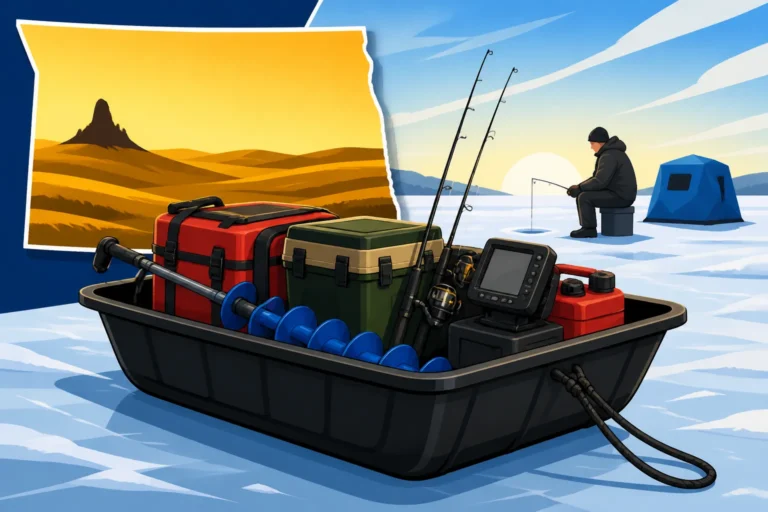
Think about your typical ice fishing setup for a day on the hard water. You've got your portable shelter, maybe a couple of different rod and reel combos, a tackle box overflowing with jigs and spoons, a bucket full of lively minnows, a trusty auger for drilling holes, a propane heater to stay toasty, a comfy chair to relax in, and a cooler for your eventual catch (and perhaps a few snacks, let's be real!). Trying to carry all of that by hand, especially if your chosen fishing spot is a good distance from your vehicle, is simply impractical, if not downright impossible. Many a new ice angler has attempted this heroic feat, only to return to their truck, utterly defeated and sore, quickly realizing their mistake.
A robust ice fishing sled isn't just a convenience; it's a non-negotiable necessity for efficiently transporting your entire arsenal across the ice. Without one, you're looking at multiple, energy-sapping trips back and forth, eating up valuable fishing time and burning energy that you'd much rather spend battling a trophy walleye or pulling up a platter-sized perch. A well-designed sled acts as your personal gear hauler, consolidating everything into one easy-to-manage load, freeing up your hands and saving your back for the actual fishing. It’s truly the unsung hero of a successful and comfortable day on the ice, allowing you to focus on the bite, not the logistics of getting there.
Navigating North Dakota's Varied Terrain
North Dakota's ice fishing landscape is rarely a smooth, pristine sheet of ice, as much as we might wish it were. Out here, you'll encounter a constantly changing mosaic of conditions: from fresh, powdery snow that's a joy to glide over, to heavy, wet snow that drags like cement, to treacherous patches of slush, or even bumpy, wind-scoured glare ice. Each of these unique conditions presents its own set of challenges for hauling your precious gear. A flimsy or poorly designed sled will quickly become bogged down, crack under the stress of a heavy load, or even flip over unexpectedly, scattering your meticulously organized tackle across the frozen expanse.
A quality ice fishing sled is specifically engineered to handle these diverse and often unpredictable conditions that are so common in our neck of the woods. Features like molded runners on the bottom of the sled help it track straight and true through varying snow depths and over ice, preventing it from veering off course or spinning out. The right material and robust construction ensure it can withstand the inevitable bumps, scrapes, and impacts of uneven surfaces without compromising its structural integrity. Whether you're pulling it by hand across a short distance or towing it behind an ATV or snowmobile for miles on a sprawling lake like Sakakawea, your sled needs to be absolutely up to the task of traversing whatever Mother Nature throws your way. This resilience is critical for ensuring your gear arrives at your chosen spot safely and in one piece, completely ready for a productive day of fishing.
Protecting Your Valuable Equipment
Let's be honest, ice fishing gear isn't just a casual purchase; it represents a significant investment. Your portable shelter, that high-performance ice auger, sensitive electronics like your fish finder, and even your carefully selected rods and reels are all valuable tools. Dragging these items across rough ice or through deep snow without adequate protection is a sure-fire recipe for costly damage. A broken rod tip from a snag, a cracked auger housing from an accidental drop, or a scratched fish finder screen can quickly ruin your day and, more importantly, lighten your wallet when it comes time for repairs or replacements.
An ice fishing sled provides a crucial, non-negotiable layer of protection for all your equipment. Its durable, often flexible, polyethylene construction is designed to absorb impacts and keep your gear securely contained and shielded from the harsh elements. Many sleds come with, or can be easily outfitted with, specialized covers and lids that further protect your items from blowing snow, biting wind, and even accidental jostles during transit. This peace of mind, knowing your valuable tools are secure as you trek to your spot, is truly invaluable. When you invest in a good sled, you're not just buying a simple way to move gear; you're actively investing in the longevity and safety of all your other essential ice fishing components, ensuring they last for many seasons to come.
Types of Ice Fishing Sleds: Finding Your Perfect Hauler
Basic Utility Sleds
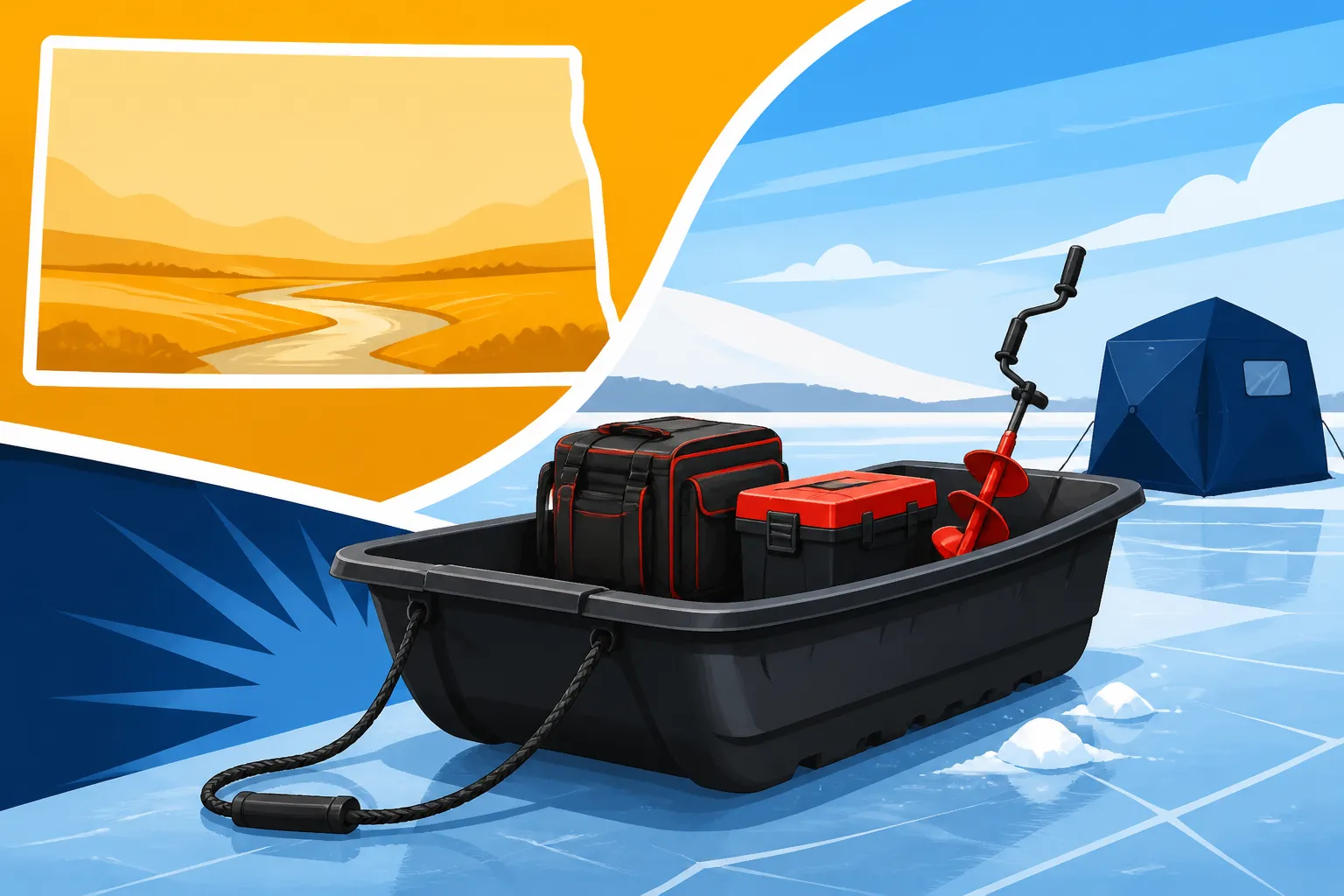
When most people first think of an ice fishing sled, they often picture the classic, no-frills utility sled. These are typically single-piece molded polyethylene tubs, characterized by their simplicity and open design, often without any specific internal compartments or built-in seating. They are straightforward, incredibly durable, and serve as a reliable workhorse for countless anglers. You simply load them up with your buckets, your auger, your portable shelter, and whatever else you need, then confidently drag them across the ice. Many new ice anglers wisely start with one of these basic models, which are readily available at local hardware stores or through convenient online retailers like Amazon, before potentially moving on to more specialized options as their needs evolve.
The enduring beauty of basic utility sleds truly lies in their inherent simplicity and remarkable versatility. They are generally the most affordable option on the market, making them an excellent entry point for beginners or those working within a tighter budget. While they might lack some of the fancy features of their specialized counterparts, their open design means you have complete freedom to configure your gear however you like, or even stack multiple items high if you organize carefully. They're not just for fishing either; these sleds are excellent for a myriad of general hauling tasks, making them a multi-purpose tool for around the farm, yard, or cabin long after the ice melts. Just be prepared to do a little more organizing yourself to keep your gear from shifting too much inside, perhaps by using bungee cords or smaller, contained tubs.
Specialized Ice Fishing Sleds
As the world of ice fishing has continuously evolved, so too has the equipment, leading to the development of highly specialized ice fishing sleds designed to meet the precise needs of serious anglers. These aren't just simple tubs anymore; they are often meticulously engineered with features tailored specifically for hauling ice fishing equipment. You might discover models with integrated rod holders, dedicated recessed spaces for bait buckets to prevent spills, or even sleds specifically shaped to perfectly nest a portable flip-over ice shelter right on top. Leading brands like Clam and Eskimo are particularly well-known for producing these purpose-built, angler-focused sleds.
These specialized sleds frequently boast superior material quality, offering enhanced cold-weather resilience and impressive impact resistance, which is an enormous advantage when you're out on a brutally cold North Dakota morning. Their design often meticulously focuses on optimizing weight distribution and improving aerodynamics for significantly easier pulling, especially when the sled is loaded down with a heavy payload. While they tend to be a bit more expensive than basic utility sleds, the added functionality, thoughtful organization, and superior durability can be an absolute game-changer for regular ice anglers who log countless hours on the hard water. For anyone truly looking to streamline their setup and enhance their efficiency, a specialized sled is undoubtedly worth the investment and consideration. These sleds are a key part of the Best Ice Fishing Gear for North Dakota arsenal.
Sleds with Built-in Seating or Storage
Taking specialization to the next level, some advanced ice fishing sleds cleverly incorporate built-in seating or robust, integrated storage compartments. These innovative designs are often a fundamental component of a larger ice shelter system, where the sled itself forms the foundational base of a flip-over shelter, complete with comfortable swivel seats and ample storage space tucked away beneath them. These highly integrated systems are truly fantastic for ultimate convenience and speed, allowing you to quickly deploy your shelter, drop your lines, and have everything you need within arm's reach without ever having to leave your seat.
The primary advantage here is an unparalleled combination of efficiency and comfort. Instead of laboriously hauling a separate sled, individual seats, and numerous separate gear bags, everything is consolidated into one cohesive, ready-to-use unit. The integrated seats provide a comfortable place to sit while actively fishing, and the spacious storage compartments meticulously keep your tackle, bait, electronics, and other essential items neatly organized and thoroughly protected from the harsh elements. While these integrated sled/shelter combos are typically the most expensive and often the heaviest option available, they offer an unparalleled level of convenience and comfort, making them ideal for dedicated ice anglers who plan for long days or even overnight trips on the ice. They drastically minimize setup time and maximize your fishing enjoyment, representing a true luxury for those committed to the sport. Indeed, Setting Up an Ice Fishing Shelter becomes a breeze when your sled is part of the system.
Key Features to Look for in an Ice Fishing Sled
Durability and Material
When you're out on the ice, especially during North Dakota's notoriously unforgiving winters, your gear takes an absolute beating. That's precisely why the durability and the specific material of your ice fishing sled are paramount considerations. Most quality ice sleds are skillfully crafted from high-density polyethylene (HDPE), a remarkable plastic renowned for its exceptional impact resistance, inherent flexibility, and its impressive ability to withstand extremely cold temperatures without becoming brittle and prone to cracking. You absolutely want a material that can reliably flex over unexpected bumps and effectively absorb impacts from hidden rocks or jagged ice chunks, rather than shattering under the stress.
As you shop around, specifically look for sleds with a noticeably thicker wall construction, paying particular attention to the bottom and the corners, as these are the areas that consistently experience the most wear and tear. Some reputable manufacturers even utilize virgin polyethylene, which tends to be more consistent in its composition and inherently stronger than recycled plastics, offering superior, more reliable performance in harsh sub-zero conditions. A truly robust sled might have a bit more heft to it, but that extra weight translates directly into a significantly longer lifespan and far better protection for your valuable gear. Do not be tempted to skimp here; a cheap, brittle sled will likely leave you frustrated and stranded with scattered gear after just a few rough trips across the ice.
Size and Capacity
Choosing the absolutely right size and capacity for your ice fishing sled depends almost entirely on how much gear you typically bring along for a day on the ice and how many people you usually fish with. If you consider yourself a minimalist angler who only carries a single rod, a small bucket for essentials, and a hand auger, then a compact utility sled might be perfectly sufficient for your needs. However, if you're like many dedicated North Dakota anglers, you might find yourself hauling a full-sized portable shelter, an array of multiple rods, a high-tech fish finder, a robust heater, a large cooler, and enough provisions to feed a small army. In that more common scenario, you will unequivocally need a much larger and more capable sled.
When evaluating potential sleds, carefully consider the critical dimensions: length, width, and depth. A wider sled generally offers more inherent stability, which is great for preventing tipping, while a longer one can comfortably accommodate oversized items like longer power augers (check out Best Ice Fishing Auger Brands for North Dakota) or multiple rigid rod cases. The depth of the sled is particularly crucial for preventing gear from spilling out, especially if you opt not to use a protective cover. It's often a wise strategy to go slightly larger than you initially think you'll need, as this provides valuable flexibility for any future gear additions or for those times when you're bringing a friend or family member along. Just remember that a larger sled can also mean more overall weight to pull, so always balance the desired capacity with your physical capability or your intended towing method. Knowing How Much Weight an Ice Fishing Sled Can Hold is important.
Runner Design and Towing Capabilities
The meticulous design of the sled's runners and its inherent towing capabilities profoundly impact how easily and efficiently it moves across North Dakota's varied ice and snow surfaces. Many quality sleds feature precisely molded-in runners on the bottom, which are specifically designed to help the sled track straight and true while significantly reducing friction, making for an easier pull. Deeper, more aggressive runners are generally superior for consistently tracking through deep, powdery snow, while shallower, smoother runners might prove more efficient on hard-packed snow or treacherous glare ice. Some premium sleds even offer the intelligent design of replaceable wear bars or runners, which effectively protect the main sled body from abrasion and can be easily swapped out when worn down, significantly extending the life of your valuable investment.
When it comes to the critical aspect of towing, always look for sturdy, reinforced tow ropes or, even better, a solid, rigid tow hitch option. A simple rope might suffice for short, light hauls by hand, but for heavier loads or for towing behind a powerful snowmobile or ATV, a rigid tow bar is absolutely invaluable. These specialized bars are designed to prevent the sled from dangerously fishtailing or, even worse, colliding with the back of your towing vehicle when you decelerate or stop suddenly. Many specialized sleds are intentionally designed with reinforced attachment points specifically for securely connecting a rigid tow bar. Having a reliable and robust tow system is especially important if you plan on covering significant distances on expansive North Dakota lakes like Devils Lake or Lake Sakakawea, ensuring your gear stays safely attached to your vehicle. Long journeys like these are common when you How to Ice Fish in North Dakota.
Sled Accessories and Enhancements
Covers and Lids
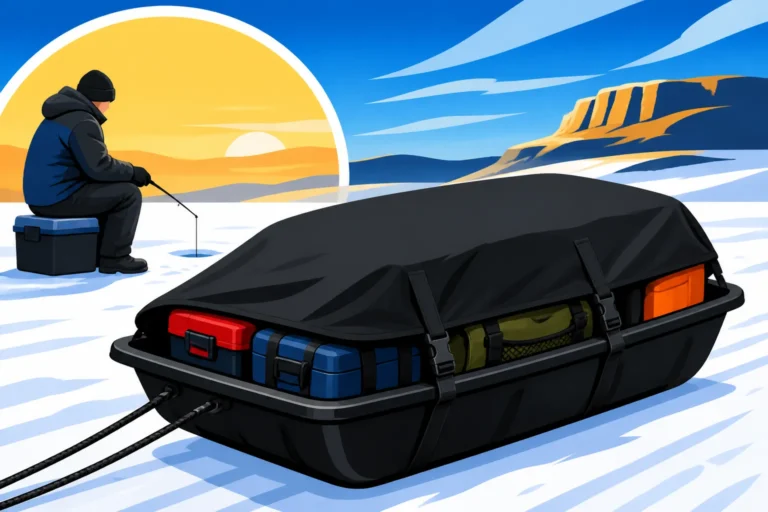
While the sled itself provides the fundamental base for hauling your gear, a good, properly fitted cover or lid is truly the unsung hero for comprehensively protecting your equipment from the elements and ensuring everything remains securely contained. Imagine the frustration of hitting an unexpected patch of slush or encountering a sudden, powerful gust of wind, only to discover that your meticulously organized tackle box or your precious minnow bucket has flown out of your open sled. It's a disheartening scenario many anglers have unfortunately faced. A tightly fitted cover or a robust lid effectively prevents this unfortunate dispersal of your essential gear.
Most covers available are crafted from heavy-duty canvas or durable tarp material, often featuring elasticized edges or adjustable straps to secure them tightly and snugly over your loaded sled. Lids, on the other hand, usually made from rigid plastic, offer even more robust, hard-shell protection and can sometimes cleverly double as an extra work surface or even a makeshift seat when you're out on the ice. Not only do these accessories effectively keep blowing snow, sleet, and biting wind out, but they also offer a vital measure of security, preventing items from bouncing out during bumpy rides across uneven terrain. For those longer hauls across a vast, windy North Dakota lake, a good cover is truly an essential accessory, ensuring all your Best Ice Fishing Gear for North Dakota arrives at your destination safely and without loss. You can often find great options for these covers, like the Best Sled Cover for Hauling Gear on Snow, through popular retailers such as Amazon or at your local Bass Pro Shops.
Hitch and Tow Bars
As we've touched upon earlier, while a simple rope can certainly get the job done for very short distances or extremely light loads, it quickly becomes woefully inadequate for serious North Dakota ice anglers. This is precisely where a proper, purpose-built hitch and tow bar system truly shines. A rigid tow bar attaches securely and firmly to the front of your sled and then connects equally securely to your snowmobile, ATV, or even a specialized ice-shack-towing vehicle. This rigid, non-flexible connection offers far superior control and stability compared to the uncontrolled flopping of a simple rope.
The benefits of utilizing a tow bar are numerous and significant. A rigid tow bar completely eliminates the dreaded "whiplash" effect that occurs when you apply your brakes, preventing your heavy sled from ramming dangerously into the back of your towing vehicle. It steadfastly keeps the sled tracking straight and true behind you, even over the roughest terrain or when navigating sharp turns, which is absolutely crucial when you have a heavy or precariously high-stacked load. Many quality tow bars are ingeniously designed to fold away or detach easily for convenient storage when they're not in active use. Investing in a high-quality tow bar, especially one that incorporates a spring-loaded hitch for optimal shock absorption, will make your long-distance hauls significantly smoother, much safer, and dramatically less stressful on both your valuable gear and your towing vehicle.
Rod Holders and Organizers
Keeping your precious fishing rods safe, untangled, and easily accessible while in transit is a common and often frustrating challenge, especially if you carry multiple setups for different species or techniques. Tossing them haphazardly into an open sled with other bulky gear is a classic recipe for disaster, frequently resulting in broken rod tips, hopelessly tangled lines, or even damaged reels. This is precisely where dedicated rod holders and thoughtful internal organizers become incredibly useful and highly recommended enhancements for your ice fishing sled.
Many specialized ice sleds or their optional accessory packages offer conveniently molded-in rod holders along the sides or cleverly integrated into the lid, designed to cradle your rods securely and protectively during bumpy transport. For more basic utility sleds, you can often easily add aftermarket rod holders that either clamp firmly onto the rim or are bolted permanently into place. Beyond just rods, a variety of internal organizers, such as divided tubs, specialized gear trays, or even custom-built plywood inserts, can effectively help keep smaller, critical items like tackle boxes, delicate electronics (like your Best Ice Fishing Electronics and Fish Finders), bait containers, and other essentials neatly separated, protected, and always easily accessible. This elevated level of organization not only significantly protects your gear but also saves you valuable time and considerable frustration when you're setting up or packing up on the frigid ice.
Maintenance and Storage for Your Ice Sled
Cleaning and Inspection
After a long, satisfying day of ice fishing, it's incredibly easy to simply toss your sled into the garage and completely forget about it until your next trip. However, taking just a few minutes to properly clean and meticulously inspect your sled after each outing can significantly extend its overall lifespan and proactively ensure it's always ready for action when you are. Start by completely emptying all your gear and thoroughly shaking out any loose snow, stubborn ice chips, or accumulated mud. Then, a quick rinse with warm water, especially if you've been traversing slushy conditions or dirty areas, will effectively remove any grit or abrasive particles that can lead to premature wear and tear on the plastic.
Pay particularly close attention to the bottom of the sled and all the runners. This is precisely where most of the abrasive wear and tear occurs from dragging across the ice and snow. Carefully check for any deep scratches, gouges, or early signs of stress cracks developing. Meticulously inspect any tow ropes or bars for fraying, bending, or weakened attachment points. If your sled features replaceable wear bars, diligently check their current condition. A thorough and regular inspection helps you catch minor issues before they escalate into major, trip-ruining problems, effectively preventing unexpected failures on your next adventure. This simple, consistent routine goes an exceptionally long way in keeping your valuable investment in top-notch, reliable shape.
Repairing Minor Damage
Even the most robust and durable ice fishing sleds can, unfortunately, sustain minor damage over time, especially with regular and rigorous use in North Dakota's harsh winter environments. Superficial scratches and shallow gouges are almost inevitable battle scars, but deeper cuts or small cracks can seriously compromise the sled's structural integrity if they are left unaddressed. The good news for diligent anglers is that many minor repairs can be successfully executed right at home with relatively simple tools and readily available materials.
For sleds constructed from polyethylene, specialized plastic repair kits are widely available that often include plastic welding rods and a small, portable heat gun. This ingenious method allows you to melt new plastic directly into deeper gouges or cracks, effectively fusing the material back together and restoring its strength. For smaller, more cosmetic scuffs, a fine-grit sandpaper can sometimes be used to carefully smooth out rough edges, though this is primarily for aesthetic purposes. If your sled is equipped with replaceable wear bars, swapping out a damaged one is usually a straightforward process of simply unbolting the old and securely bolting on the new. Addressing these minor damages promptly and proactively prevents them from spreading and becoming more extensive, ultimately saving you the greater cost and inconvenience of a full sled replacement down the line.
Off-Season Storage Tips
When the ice finally relents its grip and the exhilarating open water season begins, proper off-season storage for your ice fishing sled becomes absolutely crucial. Just like any other valuable piece of outdoor gear, neglecting your sled during the warmer months can unfortunately lead to premature degradation and damage. First and foremost, ensure the sled is thoroughly clean of all debris and completely dry before you even consider storing it. Any trapped moisture can lead to unsightly mold or mildew growth, especially if the sled is stored in an enclosed or poorly ventilated space.
Always store your sled in a cool, dry place that is completely out of direct sunlight. While polyethylene boasts a degree of inherent UV resistance, prolonged and intense exposure to direct sunlight can eventually degrade the plastic, causing it to become brittle and significantly more prone to cracking when it returns to cold conditions. Storing it in a garage, a sheltered shed, or even properly covered under a heavy-duty tarp in a shaded area is truly ideal. Additionally, meticulously avoid storing any heavy objects directly on top of the sled, as this sustained pressure can cause it to warp or deform permanently over time. If you happen to own multiple sleds, stacking them carefully, perhaps with some protective padding in between, can be an excellent space-saving solution. Following these proper storage guidelines ensures your sled maintains its crucial strength and flexibility, standing ready for the eagerly anticipated next ice fishing season in North Dakota. This is part of the broader routine for How to Winterize Fishing Gear After the Season.
Top Considerations for North Dakota's Unique Conditions
Dealing with Snow Depth and Slush
North Dakota winters are famously characterized by their heavy, often relentless snowfalls and the incredibly challenging conditions they relentlessly create on the ice. A sled that performs admirably on hard-packed, groomed snow might struggle significantly and frustratingly in knee-deep powder or heavy, dense, wet slush. When you are meticulously choosing your ice fishing sled, it's absolutely vital to carefully consider the typical snow conditions you most frequently encounter on your favorite lakes. Sleds that feature higher sides and a wider footprint tend to float much better over deep snow, effectively preventing them from digging in too much and creating excessive drag.
For effectively dealing with slush, which is arguably the most frustrating and energy-draining condition an ice angler can face, the sled's material and its runner design are critically important. A slick, flexible polyethylene sled will generally glide through thick slush with far greater ease than a rougher, less streamlined option. If you frequently fish in areas known to be prone to slush, strongly consider a sled equipped with aggressive, deep runners that are designed to cut through the muck and grime without getting completely bogged down. Also, ensure your tow rope or rigid tow bar is positioned strategically to lift the front of the sled slightly, preventing it from plowing into the snow and creating even more exhausting drag. And, of course, when you're out there tackling these challenging conditions, remember that What to Wear Ice Fishing in North Dakota can make all the difference in staying comfortable and focused on the fish. For longer days or overnight trips, a Best Portable Heater for an Ice Shelter can be a true blessing, regardless of how much snow is on the ice.
Extreme Cold and Material Resilience
North Dakota is, without a doubt, synonymous with extreme and often brutal cold. Temperatures that plunge well below zero Fahrenheit can make many types of plastics incredibly brittle and dangerously prone to cracking under even moderate stress. This is precisely why the unwavering quality of your sled's material is an absolutely non-negotiable factor. A cheap, thin plastic sled might tempt you with a few dollars saved upfront, but it's highly likely to crack, shatter, or completely fail when you hit an unexpected bump or accidentally drop something heavy into it during a bone-chilling frigid morning.
Always look for ice fishing sleds specifically advertised and marketed as being manufactured from high-grade, cold-weather-resistant polyethylene. These advanced materials are meticulously engineered to maintain their crucial flexibility and impressive impact resistance even in the most brutal, sub-zero conditions North Dakota can throw at them. Reputable brands that cater specifically to the demands of serious ice fishing, such as Clam and Eskimo, consistently utilize materials expressly designed to meet and overcome these challenging environmental factors. A well-built sled will reliably flex and absorb impacts without snapping, ensuring your valuable investment lasts for many cold winters to come. This inherent material resilience ensures your sled won't let you down or leave you stranded when you're miles from the truck and the mercury has plummeted far below comfortable levels. Dressing appropriately by understanding How to Layer Clothing for Ice Fishing also plays a role in cold-weather endurance.
Transporting Long Distances Vehicle Towing
For a great many North Dakota ice anglers, successfully reaching those highly sought-after, prime fishing spots often necessitates covering significant distances, sometimes several miles, across the vast and often featureless frozen expanses of colossal lakes like Lake Sakakawea or Devils Lake. This ambitious endeavor typically involves confidently towing your loaded sled behind a powerful snowmobile, a versatile ATV, or even a capable truck. This particular method of transport subjects your sled to a fundamentally different kind of stress compared to merely hand-pulling, and therefore, your chosen sled absolutely needs to be robustly designed to endure such a demanding task.
If vehicle towing is your primary, or even frequent, mode of transport for your ice fishing expeditions, a rigid tow bar is an absolutely essential investment for both safety and unwavering control. Beyond that critical accessory, meticulously consider the overall construction and inherent strength of the sled itself. Actively look for sleds that boast reinforced tow points that are specifically engineered to handle the constant tugging, jarring, and sometimes violent impacts of a high-speed ride across uneven ice. A wider, more inherently stable sled is also significantly beneficial to prevent dangerous flipping, especially when navigating turns or encountering unexpected, deep snow drifts. Some experienced anglers even go as far as to reinforce the bottom of their sleds with additional, durable wear bars to protect against the increased abrasion from high-speed towing. It's always wise to familiarize yourself with North Dakota Ice Fishing Rules regarding what you can tow and how it needs to be marked for visibility. The very last thing you want is a broken hitch or a completely flipped sled, spilling all your meticulously organized gear, halfway to your prime hotspot.
Sled Type Comparison
| Sled Type | Pros | Cons | Best For |
|---|---|---|---|
| Basic Utility Sled | Affordable, versatile for various tasks, highly durable, relatively lightweight to pull manually | No specialized ice fishing features, minimal built-in organization, gear can shift easily | Beginners, multi-purpose hauling beyond fishing, small to moderate loads, short distances |
| Specialized Sled | Purpose-built for ice fishing, excellent tracking, often includes some organizational features like rod holders, superior cold-weather resilience | Generally higher initial cost, less versatile for non-fishing tasks, can still require additional organization for varied gear | Dedicated ice anglers, moderate to large loads, longer treks across the ice, those seeking improved efficiency |
| Integrated Sled/Shelter | Ultimate convenience and comfort, very quick setup time from travel to fishing, everything in one cohesive unit, often includes comfortable seating | Most expensive option, heaviest and bulkiest to transport and store, largest footprint, can be cumbersome in very tight spaces | Serious anglers who prioritize comfort and speed, long fishing sessions, overnight trips, those with ample storage and towing capacity |
Disclaimer
This article is for general informational purposes only and does not constitute professional advice. Laws, prices and regulations vary by location and change over time. Consult a qualified professional for guidance on your specific situation.