Complete Beginner Gear List for North Dakota Fishing
Stepping into the world of North Dakota fishing can feel a bit like standing at the edge of Lake Sakakawea for the first time – vast, exciting, and maybe a little overwhelming with all the possibilities. Many new anglers get bogged down trying to figure out what gear they absolutely need versus what’s just nice to have, leading to frustration before they even cast a line. This guide is here to cut through the noise, providing a straightforward, complete beginner's gear list specifically tailored for getting started on North Dakota's diverse waters, ensuring you're prepared without breaking the bank or feeling like you need a degree in angling.
The Absolute Essentials: Rod, Reel, and Line Setup
When you're just starting out, the sheer number of rod and reel combinations can make your head spin. There are rods for different species, actions, powers, lengths… it's enough to make anyone want to just give up and stay home. But don't despair! The good news is, for a beginner, you really only need one versatile setup that can handle a lot of common North Dakota fishing scenarios, from panfish to walleye.
Choosing Your First Rod: Not as Complicated as It Seems
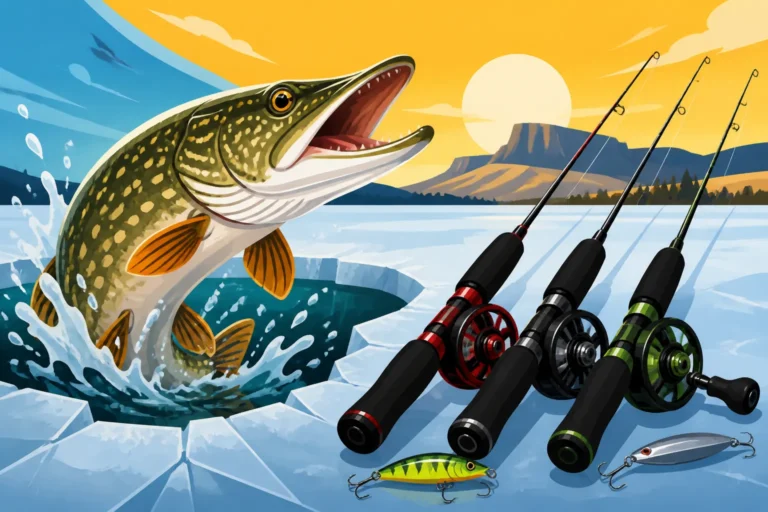
For a beginner, a medium-light or medium-action spinning rod is your best friend. Why? Because it offers a great balance. A medium-light rod, typically around 6 to 7 feet long, is sensitive enough to feel those lighter bites from perch or crappie, but still has enough backbone to handle a feisty walleye or a smaller northern pike. Think about it: you want to feel that subtle "tick" when a yellow perch mouths your bait on Devils Lake, but you also don't want your rod to snap if you hook into a decent walleye on the Missouri River. A medium action provides that flexibility. It allows for decent casting distance with lighter lures and baits, which is crucial when you're learning to cast. Don't worry about hyper-specialized rods right now; versatility is key for your first setup. You can always expand your collection later once you know what type of fishing truly calls to you.
When picking one up, hold it in your hand. Does it feel comfortable? Is it too heavy or too light? You want something that feels balanced and natural, not like you're wrestling a broomstick or waving a noodle. Many fishing stores, like Bass Pro Shops, have knowledgeable staff who can help you feel out a few different options and explain the subtle differences in actions and powers without making it overly technical.
Pairing It Up: The Right Reel for Beginners
Once you've got your rod, it's time to pick a spinning reel. For your first setup, a spinning reel is generally easier to learn with than a baitcasting reel. Baitcasters have a reputation for causing "bird's nests" (tangled line) if not handled properly, which is the last thing a beginner needs. A good size for your versatile beginner setup would be a 2500 or 3000 series spinning reel. These sizes are well-matched to medium-light or medium rods, providing enough line capacity without being too bulky or heavy.
Look for a reel with a smooth drag system. The drag is what allows line to pay out when a fish pulls hard, preventing your line from breaking and your rod from snapping. A smooth drag means consistent pressure, which is vital when fighting a fish, especially larger ones that make strong runs. Test it out in the store; pull some line off the spool by hand and feel if it's consistent or if it catches and jerks. Investing a little more in a reel with a good drag will save you a lot of heartbreak on the water.
Getting Lined Up: Monofilament is Your Friend
Now that you have your rod and reel, you need line! Again, there are many types: monofilament, fluorocarbon, braided. For a beginner, hands down, go with good old monofilament. It's affordable, easy to tie knots with, and forgiving. Monofilament has some stretch, which acts as a shock absorber when a fish strikes or makes a sudden run, helping to prevent hook pulls or line breaks. This "give" is super helpful when you're still developing your touch.
A good starting line test for your versatile setup would be 6 to 8-pound test monofilament. This strength is strong enough for most freshwater species you'll encounter in North Dakota, yet thin enough for good casting distance and a somewhat natural presentation of your bait or lure. If you're fishing areas with lots of snags or targeting larger northern pike, you might consider bumping up to 10 or 12-pound test, but 6-8 is a great all-around choice. You can usually have the store spool your reel for you when you buy it, which is a great way to ensure it's done correctly. You can also find great deals on bulk spools of monofilament on Amazon if you prefer to do it yourself.
Your Basic Tackle Box: Baits, Lures, and Terminal Tackle
Once you have your rod and reel, the next step is filling your tackle box. This is another area where new anglers often get overwhelmed, buying every shiny lure they see. The key for a beginner is to keep it simple and effective. You don't need dozens of different baits; a few proven options will get you catching fish in no time.
Starting with Live Bait: The Universal Appeal
For pure catching power, especially when you're learning, it's hard to beat live bait. Fish eat live things naturally, so it often produces bites when artificial lures don't. Minnows are fantastic all-around bait in North Dakota for species like walleye, perch, and crappie. You can fish them under a bobber, on a jig, or on a simple hook and sinker rig. Earthworms or nightcrawlers are another absolute classic, appealing to almost any freshwater fish, including panfish, catfish, and even smaller walleye. They're easy to get and store, and fish just can't resist their wiggling action.
Even if you plan to eventually become a lure-only angler, starting with live bait gives you a solid foundation and confidence builder. Getting those first few bites and catches is incredibly motivating! Just remember to check local regulations on bait usage, as some waters might have restrictions to prevent the spread of Aquatic Nuisance Species Rules for Boaters.
Easy Lures to Get You Hooked
While live bait is great, learning to use artificial lures is a rewarding part of fishing. For beginners, focus on lures that are easy to cast and retrieve, and that consistently catch fish.
- Jigs: These are incredibly versatile. A small 1/8 to 1/4 ounce jig head, tipped with a small minnow, a piece of crawler, or a soft plastic grub, can catch nearly anything in North Dakota. They're excellent for Perch Jigging Techniques for Devils Lake or for walleye in many situations. Jig it along the bottom or slowly retrieve it.
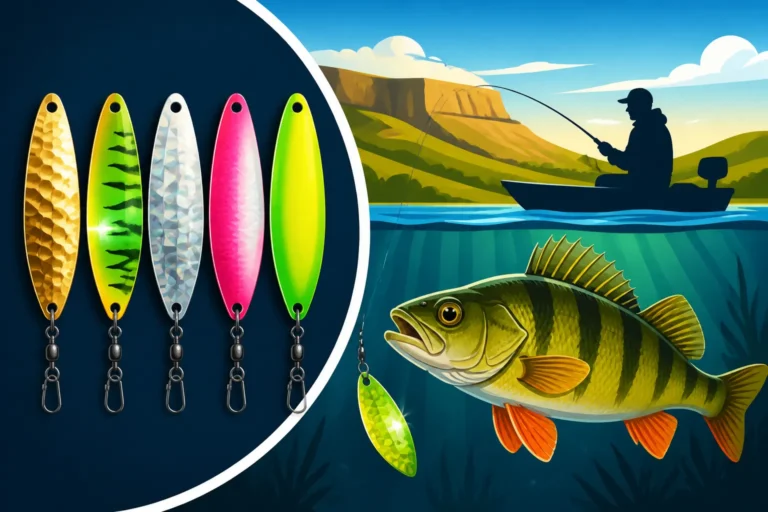
- Spinnerbaits/Inline Spinners: These lures are super easy to use: just cast them out and reel them in. The spinning blade creates flash and vibration that attracts fish like northern pike and even aggressive walleye. Brands like Mepps or Blue Fox are popular and effective.
- Crankbaits: A shallow-diving crankbait can be a great choice for covering water and enticing strikes. Look for ones that run just a few feet deep. Again, cast and retrieve is the basic technique. They are especially effective for Summer Walleye Trolling Techniques or simply casting from shore.
Don't go overboard with colors. A few natural colors like perch, minnow, or crawfish patterns, and maybe a bright color like chartreuse or firetiger, will cover most situations. Remember, the goal is to get comfortable with the action and feel of the lure, not to have every color under the sun.
The Small but Mighty: Hooks, Sinkers, and Bobbers
These "terminal tackle" items are the unsung heroes of your fishing setup. They might be small, but they're absolutely essential.
- Hooks: Start with a variety pack of basic J-hooks in sizes ranging from #4 to #8. These will cover most live bait applications. For lures, you won't need separate hooks as they come pre-rigged. A few larger hooks, maybe size 1/0 or 2/0, would be good if you anticipate targeting bigger catfish or northern pike with larger baits.
- Sinkers: You'll need an assortment of split shot and perhaps some walking or egg sinkers. Split shot crimps directly onto your line to add a little weight to your bait or to help a bobber stand upright. Walking or egg sinkers are great for bottom fishing, allowing your line to slide through them without alarming the fish. Get a variety of weights, from tiny ones for still water to heavier ones for current.
- Bobbers (or Floats): A simple clip-on bobber is perfect for suspending your bait at a certain depth. They're easy to use and very visual – when it goes down, you set the hook! Slip bobbers are a bit more advanced but incredibly effective for fishing deeper water without a huge, unwieldy leader. They allow you to easily adjust your depth. Having a few different sizes of clip-on bobbers will serve you well.
This small collection of terminal tackle will allow you to present your chosen bait or lure effectively in almost any situation you encounter as a beginner. Keeping them organized in a small tackle box or a few small plastic containers will make your life much easier on the water.
Beyond the Basics: Safety and Comfort on North Dakota Waters
Fishing isn't just about catching fish; it's about enjoying the outdoors safely and comfortably. North Dakota weather can be unpredictable, and being prepared means you can focus on fishing instead of being miserable or, worse, in danger.
Staying Safe: Life Jackets and First Aid
A life jacket, or Personal Flotation Device (PFD), is non-negotiable if you plan to be in a boat, kayak, or canoe. Even if you're fishing from shore, having one readily available, especially if you're near deep or fast-moving water, is a smart move. Modern life jackets are much more comfortable and less bulky than the old orange "horse collars" you might remember. There are even inflatable models that are very low profile. Pick one that fits properly and is rated for your weight. In North Dakota, kids typically have specific Do Kids Need Life Jackets on North Dakota Boats? requirements, so always check the regulations. It's truly a small price to pay for peace of mind.
A basic first-aid kit is also a must-have. Hooks happen. Scrapes, cuts, and minor emergencies are part of outdoor activities. Your kit should include bandages, antiseptic wipes, pain relievers, and any personal medications you might need. Keep it in a waterproof bag or container. Think about what you'd need if you got a nasty cut, stepped on something sharp, or had a headache pop up miles from the nearest town.
Dressing for Success: Weather-Appropriate Clothing
North Dakota weather can change on a dime, especially during spring and fall. Dressing in layers is the golden rule. Even on a warm summer day, bringing a lightweight rain jacket and an extra layer can save you from an unexpected downpour or a sudden drop in temperature.
- Base Layer: Moisture-wicking material (not cotton, which stays wet and makes you cold) for hot days or as a first layer in cooler weather.
- Mid-Layer: A fleece jacket or sweatshirt for insulation.
- Outer Layer: A waterproof and windproof jacket is essential. It doesn't have to be expensive, but it needs to keep you dry from rain and protected from the sometimes relentless North Dakota wind.
- Headwear: A hat with a brim protects you from the sun. A warm beanie is crucial for colder days, as you lose a lot of heat through your head.
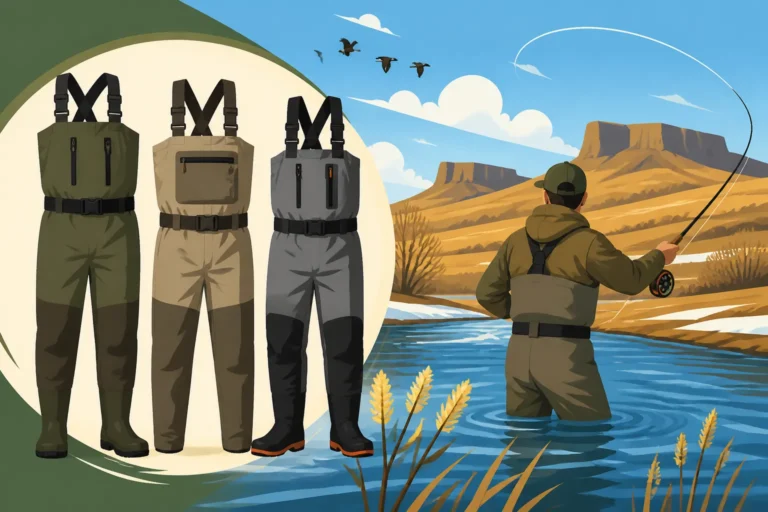
- Footwear: Comfortable, waterproof shoes or boots are ideal. You might be walking on wet grass, muddy banks, or even wading into shallow water. Nobody wants wet feet an hour into a fishing trip. If you're planning on doing a lot of shore fishing, a good pair of Best Waders for Shore Fishing could be a game changer.
Personal Comfort: Sun, Bugs, and Hydration
Don't underestimate the impact of sun and bugs on your fishing enjoyment.
- Sun Protection: Even on cloudy days, UV rays can do damage. Always bring high-SPF sunscreen. Polarized sunglasses are also incredibly helpful; they reduce glare off the water, making it easier to see what you're doing and sometimes even spot fish or underwater structure.
- Bug Spray: Mosquitos and gnats can be fierce in North Dakota, especially during dawn and dusk or in marshy areas. A good insect repellent with DEET or picaridin is a wise investment.
- Hydration: Always bring plenty of water, especially on warmer days. Dehydration can sneak up on you and quickly ruin a good day on the water. A reusable water bottle is a great way to stay hydrated and reduce waste.
Rounding Out Your Kit: The Handy Extras
You've got the core gear, safety essentials, and comfort items. Now for those few extra tools that make the whole experience smoother and more enjoyable. These aren't strictly necessary to catch fish, but they certainly enhance the process and help you handle your catch responsibly.
Landing Your Catch: Nets and Pliers
Once you've hooked a fish, you need a way to land it safely. For most beginner-level fishing, a small to medium-sized landing net is a huge asset. It protects the fish, makes it easier to unhook, and prevents you from potentially losing a fish right at the boat or shore. For species like northern pike, which have razor-sharp teeth, a net is almost essential for safe handling. Make sure the net mesh is rubberized or knotless to be gentler on the fish if you plan on practicing catch and release fishing techniques in North Dakota.
Long-nosed pliers or a hook-remover tool are also incredibly important. Sometimes fish swallow hooks deeply, and trying to get them out with your fingers can be dangerous for you and harmful to the fish. A good pair of pliers makes quick work of hook removal, especially for toothy critters. You can find decent sets for a reasonable price at any sporting goods store or even on Amazon.
Keeping Your Catch Fresh: The Humble Cooler
If you're planning to keep any fish for the dinner table (and why wouldn't you, walleye from Lake Sakakawea are delicious!), a cooler is a must-have. Even a basic cooler filled with ice will keep your catch fresh throughout the day. Nothing spoils a potential meal faster than letting your fish sit in the sun.
Make sure your cooler is big enough for the fish you expect to catch. For panfish or a few walleye, a smaller 20-30 quart cooler might suffice. If you're targeting larger northern pike or planning a longer trip, you'll want something larger. Keeping your fish on ice immediately after catching them not only preserves their freshness but also improves their taste. Check out Best Coolers for Keeping Fish Fresh for more detailed information.
Carrying Your Gear: Tackle Boxes and Bags
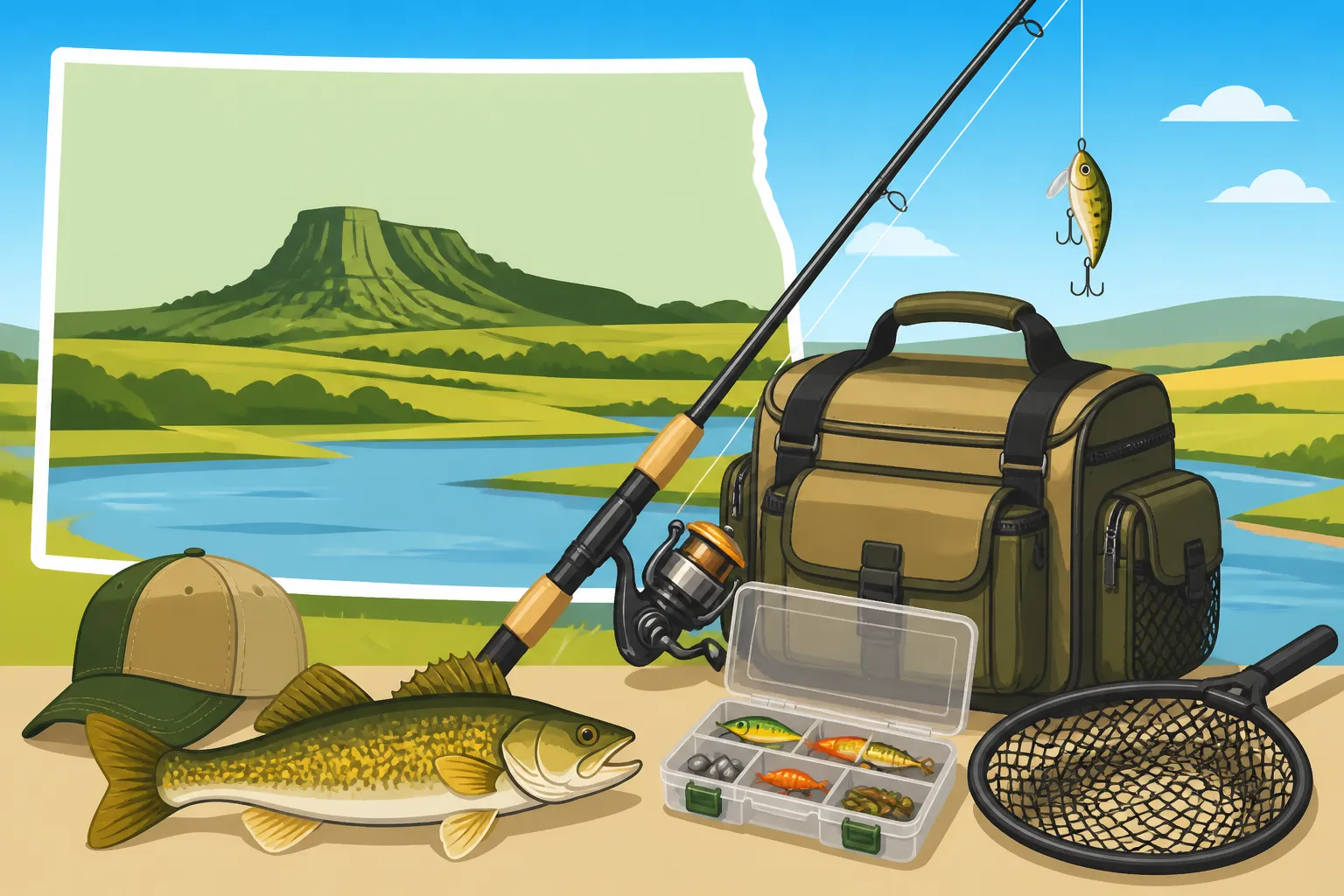
Finally, you need something to keep all your new gear organized. A simple tackle box with multiple compartments is perfect for keeping your hooks, sinkers, bobbers, and lures separated and easy to find. There are also soft-sided tackle bags that come with utility boxes, which can be easier to carry if you're hiking to a spot or fishing from a kayak.
The key is organization. You don't want to spend precious fishing time digging through a jumbled mess of tackle. A well-organized tackle box means less frustration and more time with your line in the water. Start with a basic one, and as your collection grows, you can upgrade to something more specialized.
Getting started with North Dakota fishing doesn't have to be complicated or expensive. By focusing on these core pieces of gear, prioritizing safety, and ensuring your comfort, you'll be well on your way to enjoying countless hours on the water. Don't be afraid to ask questions at your local tackle shop or learn from experienced anglers. Happy fishing!
| Category | Essential Items | Why It's Important |
|---|---|---|
| Rod & Reel | Medium-light/Medium Spinning Rod | Versatile for various species, good for learning casts |
| 2500-3000 Series Spinning Reel | Easy to use, good line capacity, smooth drag | |
| 6-8 lb Monofilament Fishing Line | Forgiving, easy to knot, shock absorption | |
| Tackle | Minnows/Nightcrawlers | Proven bait for many species, builds confidence |
| Jigs (1/8-1/4 oz) with soft plastics | Versatile, effective for walleye, perch, crappie | |
| Inline Spinners/Small Crankbaits | Easy to cast, attract pike and aggressive walleye | |
| Assorted J-Hooks (#4-#8, 1/0) | For live bait presentations | |
| Assorted Split Shot/Egg Sinkers | Controls bait depth and presentation | |
| Clip-on/Slip Bobbers | Visual bite detection, sets bait depth | |
| Safety | Life Jacket (PFD) | Crucial for boating safety, often legally required |
| Basic First-Aid Kit | For minor cuts, scrapes, and emergencies | |
| Comfort | Layered Clothing (waterproof outer) | Adapts to changing North Dakota weather |
| Sunscreen & Hat | Protects from harmful UV rays | |
| Polarized Sunglasses | Reduces glare, improves visibility | |
| Insect Repellent | Essential for warding off biting insects | |
| Water Bottle | Stays hydrated, especially on warm days | |
| Tools | Landing Net | Safe fish handling, prevents loss |
| Long-Nosed Pliers/Hook Remover | Safe hook removal for you and the fish | |
| Cooler & Ice | Keeps your catch fresh for consumption | |
| Tackle Box/Bag | Organizes and protects your gear |
Disclaimer
This article is for general informational purposes only and does not constitute professional advice. Laws, prices and regulations vary by location and change over time. Consult a qualified professional for guidance on your specific situation.