Best Coolers for Keeping Fish Fresh
One of the most frustrating things for any angler, especially after a successful day out on the water, is getting your prize catch home only to find it's not as fresh as it should be. We've all been there – that feeling of regret when a beautiful walleye or a massive channel cat loses its pristine quality due to improper storage. This guide is all about helping you avoid that disappointment by delving deep into the world of fishing coolers, ensuring your North Dakota catches stay perfectly fresh from the moment they leave the water until they hit your cutting board.
The Absolute Importance of Keeping Your Catch Fresh
When you've spent hours battling the elements, honing your technique, and finally reeling in a beautiful fish, the last thing you want is for all that effort to go to waste because of poor handling. Keeping your fish fresh isn't just about making it taste better; it's fundamental to food safety and ensures you're getting the most out of your harvest.
Food Safety and Health Concerns
Let's face it, North Dakota summers can get pretty warm, and even during cooler seasons, bacteria love to multiply rapidly on fish flesh that isn't properly chilled. You might think a few hours in a lukewarm environment won't hurt, but that's often enough for bacteria to start taking hold. These invisible invaders can quickly degrade the fish, leading to an unpleasant odor, a mushy texture, and in the worst-case scenario, foodborne illness. Nobody wants to spend their evening after a great day of fishing feeling unwell, or worse, having to toss out perfectly good fish because it spoiled. It's a real bummer, and it's completely avoidable with the right cooler and a bit of know-how.
Keeping your fish on ice immediately after catching is the first line of defense against spoilage. Think of it like a race against time: the colder you keep your fish, the slower the breakdown process, and the safer and tastier your meal will be. This is especially true for delicate species like yellow perch or walleye, which can turn quickly if not handled with care. Ensuring your cooler is up to the task is just as important as having the right rod and reel, particularly when you're out on a long day trip on Lake Sakakawea or chasing big cats on the Red River.
Preserving Taste and Texture
Beyond safety, a properly chilled fish just tastes infinitely better. Have you ever noticed how some fish taste "fishy" or have a less firm texture? Often, that's a direct result of not being kept cold enough. When a fish is allowed to warm up, enzymes within its flesh begin to break down the proteins, altering both its flavor profile and its texture. The firm, flaky white meat of a walleye or the rich, dense flesh of a northern pike are best experienced when the fish has been handled meticulously from catch to kitchen.
Imagine filleting a fish that feels firm and clean versus one that's soft and releases a lot of liquid – the difference is palpable. The latter indicates a loss of quality, and no amount of seasoning or cooking technique can truly bring back that pristine freshness. A good cooler, packed correctly, will preserve that delicate texture and prevent those undesirable "fishy" flavors from developing, allowing the natural, delicious taste of your North Dakota catch to shine through. It's about respecting the fish and your efforts as an angler.
Essential Features to Look for in a Quality Fishing Cooler
Choosing the right cooler isn't as simple as grabbing the first insulated box you see. There are specific features that separate a mediocre cooler from one that will truly keep your fish fresh through long North Dakota days and even multi-day adventures.
Superior Insulation and Durable Construction
The heart of any good cooler is its insulation. This is what dictates how long your ice will last and, by extension, how fresh your fish will remain. Look for coolers with thick walls and lids, often filled with injected foam insulation. The thicker the insulation, the better the thermal barrier against the outside heat. Rotomolded coolers, for instance, are known for their incredibly dense insulation and seamless construction, which virtually eliminates weak points where heat can seep in. This kind of robust build isn't just about insulation; it also means the cooler can withstand the bumps, scrapes, and occasional drops that are inevitable when you're out fishing, whether you're navigating rocky shorelines or tossing it in the back of a truck.
Beyond the insulation itself, consider the overall construction. Does it have a sturdy, well-sealed gasket around the lid? This rubber seal is crucial for trapping cold air inside and keeping warm air out. Are the latches robust and easy to operate, even with cold, wet hands? Weak latches or poorly fitting lids are common culprits for premature ice melt. A good cooler will feel solid and well-built, designed to endure the rigors of fishing. Many anglers find that investing in a higher-quality cooler upfront saves money in the long run by extending the freshness of their catch and reducing the need for constant ice replenishment.
Appropriate Size and Capacity Considerations
"Bigger is always better" isn't necessarily true for coolers. The ideal size depends entirely on your typical fishing trips. Are you usually out for a few hours, targeting panfish or a couple of walleye? A smaller, more portable cooler might be perfect. It's easier to carry, takes up less space in your boat or vehicle, and you won't need to fill a massive void with ice for a small catch. However, if you're planning a full day or multi-day excursion on a big body of water like Lake Sakakawea Fishing Guide for North Dakota Anglers, or you anticipate a potential limit of northern pike, then a larger capacity is a must.
Consider not just the volume in quarts but also the practical space. Can it accommodate a 30-inch walleye without bending it? Can it hold enough ice to last your entire trip plus your catch? A common mistake is buying a cooler that's too small, leading to overcrowded fish and rapid ice melt, or one that's too large for your typical needs, making it cumbersome and inefficient. Think about the species you primarily target and their average size. For instance, storing several large channel catfish from the Red River will require significantly more space than a handful of yellow perch from Devils Lake.
Durability and Ease of Portability
A fishing cooler needs to be tough. It’s going to get bounced around, exposed to sun, rain, and possibly even fish slime and bait odors. Look for materials that resist UV degradation, are easy to clean, and can handle impact. Rotomolded polyethylene is a popular choice for its extreme durability. Handles are another key feature: are they comfortable to grip, even when the cooler is fully loaded and heavy? Are they securely attached and unlikely to break? Some larger coolers come with wheels, which can be an absolute lifesaver when you're hauling a heavy load across a boat ramp or fishing access site.
Portability also ties into how easily you can get your cooler to and from your fishing spot. If you're frequently shore fishing or navigating tight spaces in a smaller boat, a bulky, heavy cooler might be more of a hindrance than a help. Conversely, if you have ample space in a larger fishing rig, a heavy-duty cooler that prioritizes ice retention over extreme portability might be the better choice. Think about your typical fishing style and the environments you frequent in North Dakota. A good quality cooler, whether from a well-known brand or a reliable option you find on Amazon, should feel like a sturdy, dependable partner, not a burden.
Effective Drainage and Effortless Cleaning
After a long day, the last thing you want is a complicated cleanup. A good fishing cooler will have an efficient drainage system. Look for large drain plugs that are easy to open and close, preferably tethered so you don't lose them. A larger drain plug allows water to escape quickly, which is a blessing when you're dumping out melted ice and fish goo. Some coolers even have sloped floors internally that guide water towards the drain, preventing stagnant pools from forming.
Cleaning ease extends beyond just drainage. The interior surfaces should be smooth, non-porous, and resistant to staining and odor absorption. This is especially important when you're dealing with fish, as their natural oils and scales can leave residues. Coolers with textured or porous interiors can be a nightmare to scrub clean and can harbor bacteria and persistent smells. A cooler that's easy to rinse out and wipe down means less time spent on chores and more time planning your next fishing adventure.
Types of Coolers Best Suited for North Dakota Fishing
Just like there are different types of fishing, there are different types of coolers, each with its own strengths and ideal uses for North Dakota anglers. Knowing the differences can help you make the best choice for your specific needs.
Rotomolded Coolers: The High-Performance Workhorses
Rotomolded coolers are the undisputed champions of ice retention and durability. Their name comes from the rotational molding process used to create them, resulting in a single, seamless, extremely tough piece of plastic for the cooler body. This construction allows for incredibly thick insulation, often several inches, which means ice can last for days, even in scorching temperatures. Brands like YETI, RTIC, and Orca are popular examples of this type, and you can find a wide selection at outdoor retailers like Bass Pro Shops or explore the vast offerings online via platforms such as Amazon.
While they come with a higher price tag, the investment in a rotomolded cooler pays dividends in peace of mind and performance. They can withstand virtually anything you throw at them – or throw them into! For serious anglers who spend extended periods on the water, especially during North Dakota Open Water Fishing Season when the sun beats down, or for multi-day camping and fishing trips, a rotomolded cooler is often the best choice for keeping your precious catches pristine. They're built for the long haul, ensuring your fish stay cold and firm until you're ready to clean them with your Best Fillet Knives for Walleye and Pike.
Soft-Sided Coolers: Portable Convenience for Shorter Trips
Soft-sided coolers offer a fantastic balance of portability and decent insulation, making them ideal for shorter fishing trips or when space is at a premium. They are typically made from durable fabrics like nylon or canvas, often with a waterproof liner and foam insulation. While they can't compete with the multi-day ice retention of a rotomolded cooler, many modern soft-sided coolers can keep ice for 24-48 hours, which is more than enough for a morning or afternoon outing.
These coolers are much lighter and often more comfortable to carry than their hard-sided counterparts, sometimes featuring shoulder straps or backpack designs. They are excellent for those quick trips to the local pond, a few hours of Shore Fishing Techniques for Beginners, or as a secondary cooler for drinks and snacks. You might use one to haul a few yellow perch back from Devils Lake or a couple of walleye from a small reservoir. They also tend to be easier to store when not in use, as many are compressible. For convenience and portability, especially when you don't need to keep fish fresh for days on end, a quality soft-sided cooler is a very practical option.
Traditional Hard-Sided Coolers: The Budget-Friendly Standard
Before rotomolded coolers became popular, traditional hard-sided coolers were the standard, and they still offer a solid, budget-friendly option for many anglers. These coolers typically have a hard plastic exterior and interior with insulation (often foam) sandwiched between. While their ice retention isn't on par with rotomolded models, a good quality traditional hard-sided cooler can still keep ice for a day or two, especially if properly pre-chilled and packed.
These coolers come in a huge range of sizes and are widely available, making them accessible to almost every angler. For someone just getting started with North Dakota Fishing Regulations Explained or who only fishes occasionally, a reliable hard-sided cooler can be a great entry point without breaking the bank. They're robust enough for most general fishing purposes and are easy to clean. You'll find these coolers at almost any general merchandise store, and they often offer good value for money, allowing you to allocate more of your budget to other essential gear from your Essential Gear Checklist for North Dakota Fishing. Just remember, for extended trips or extreme heat, you might need to refresh your ice more frequently.
| Cooler Type | Key Features | Pros | Cons | Best Use Case |
|---|---|---|---|---|
| Rotomolded Coolers | Thickest insulation, seamless construction, heavy-duty latches/gaskets | Superior ice retention (days), extreme durability | Heavy, expensive, bulky | Multi-day trips, hot weather, large catches, remote locations |
| Soft-Sided Coolers | Flexible fabric, shoulder straps, compact storage, good insulation | Lightweight, highly portable, easy to carry, often foldable | Shorter ice retention (1-2 days), less durable for heavy abuse | Day trips, small boat, shore fishing, secondary cooler |
| Traditional Hard-Sided Coolers | Hard plastic shell, foam insulation, basic latches | Affordable, wide variety of sizes, decent durability for general use | Moderate ice retention (1-2 days), less rugged than rotomolded | Casual trips, weekend outings, budget-conscious anglers |
Maximizing Ice Retention and Fish Freshness
Having the best cooler is only half the battle; knowing how to use it effectively is equally important. There are several techniques you can employ to ensure your ice lasts longer and your fish stays impeccably fresh.
The Art of Pre-Chilling Your Cooler
This is a step many anglers skip, and it makes a huge difference. Your cooler walls and insulation, especially after being stored in a warm garage or shed, will absorb a lot of cold from your fresh ice, causing it to melt rapidly. To combat this, pre-chill your cooler. The night before your trip, toss in a sacrificial bag of ice or a few frozen water bottles. Let it sit overnight, allowing the cooler's internal temperature to drop. When you're ready to head out for your Best Time of Year to Fish in North Dakota adventure, dump out the melted ice and add your fresh ice.
This simple act of pre-chilling creates a thermal barrier that prevents your primary ice from working overtime just to cool down the cooler itself. Think of it like preheating your oven; you want the environment to be at the right temperature from the start. This technique is particularly vital for rotomolded coolers, as their thick walls can hold a lot of heat. You'll be amazed at how much longer your ice lasts and how much colder your fish will be as a result.
Strategic Ice Management: Block vs. Cubed
The type of ice you use and how you pack it significantly impacts retention. Block ice melts much slower than cubed ice because it has less surface area exposed to the air. If you're planning a long day of North Dakota Walleye Fishing Techniques or even an overnight trip, consider freezing large blocks of water in plastic containers or milk jugs. These not only last longer but also don't introduce tap water directly into your cooler as they melt, which can dilute your fish storage.
Cubed ice is excellent for quickly chilling the cooler and getting into all the nooks and crannies around your fish. A smart strategy is to use a layer of block ice on the bottom for long-term cooling, then add a layer of cubed ice, followed by your fish, and finally, more cubed ice on top. The goal is to surround your fish with as much ice as possible. For something like How to Ice Fish in North Dakota, where you might already be in freezing conditions, the ice management becomes slightly different but still critical for keeping your catch from freezing solid or losing quality.
Optimal Packing Techniques for Unmatched Freshness
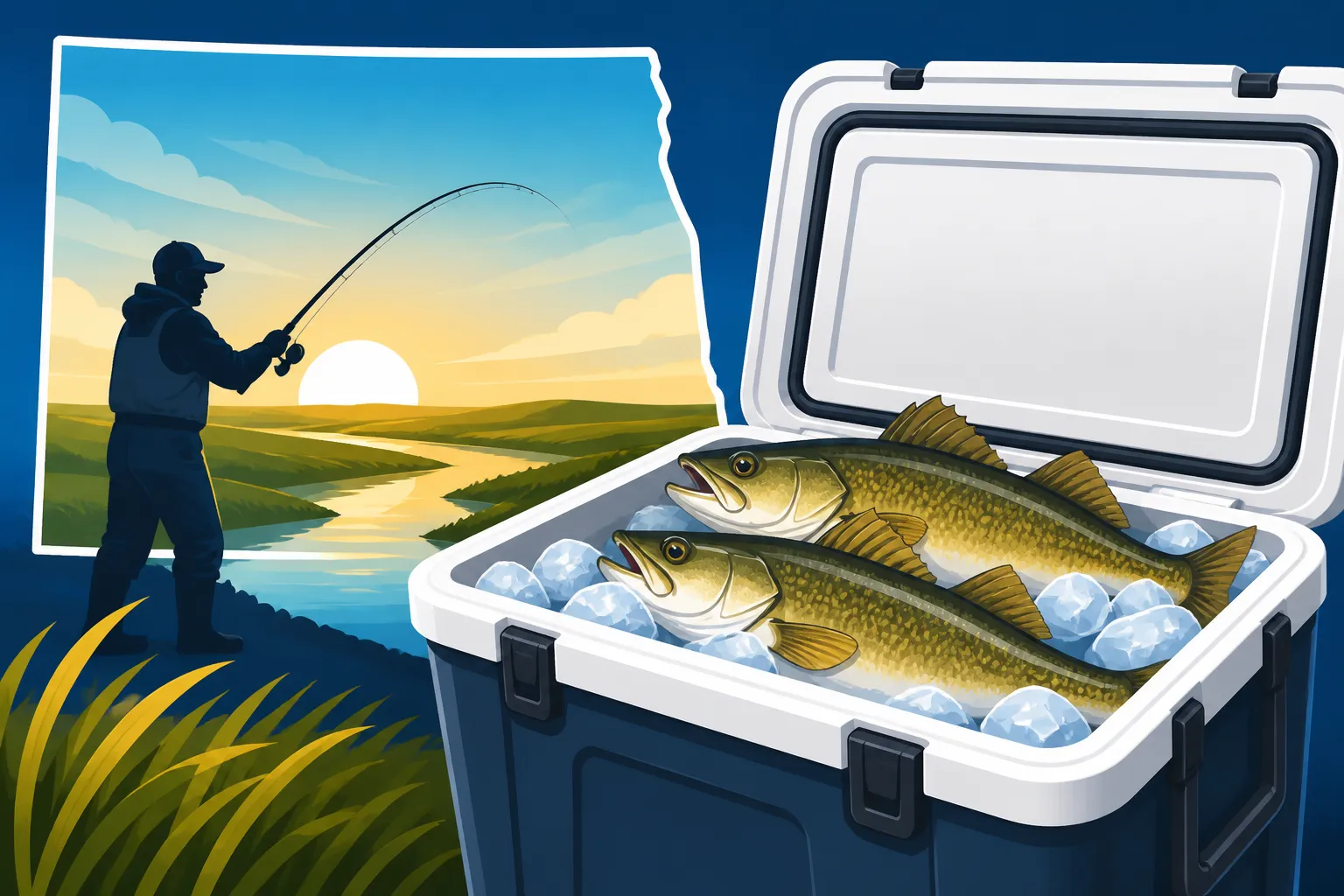
How you pack your fish within the ice is crucial. First and foremost, bleed your fish if possible, especially larger species like pike or catfish. Bleeding helps improve the taste and keeps the flesh cleaner. Once bled, get your fish directly onto ice. Lay down a generous bed of ice, then place your fish on top, ensuring they don't touch the bottom or sides of the cooler directly, as those can be warmer points. Then, cover your fish completely with another thick layer of ice. The idea is to fully encapsulate each fish in ice, minimizing air exposure and maximizing cold transfer.
Avoid opening the cooler lid unnecessarily. Every time you open it, warm air rushes in, and cold air escapes, accelerating ice melt. If you need to access something frequently, consider having a separate, smaller cooler for drinks and snacks. For really large fish, or if you're concerned about slime transfer, you can place fish in large plastic bags before icing them, but ensure they are still fully surrounded by ice for optimal cooling. This method can also make cleanup a bit easier when you're done with your North Dakota Northern Pike Fishing Guide adventure.
Cooler Maintenance and Care for Longevity
A good cooler is an investment, and like any good piece of gear, it needs proper care to perform its best and last for many seasons. Neglecting your cooler can lead to odors, reduced efficiency, and a shorter lifespan.
Post-Trip Cleaning Routines
The moment you get home, or as soon as practically possible, empty your cooler. Don't let fish slime, blood, and melted ice sit in there for days; it's a breeding ground for bacteria and odors. Start by rinsing the cooler thoroughly with a hose, removing all visible debris. For a deeper clean, use warm, soapy water and a soft brush or sponge. A mild bleach solution (about one tablespoon per gallon of water) can be used occasionally to sanitize and remove stubborn odors, especially after a particularly messy trip or if you've been storing strong-smelling fish like How to Clean a Channel Catfish.
Pay special attention to the lid gasket and drain plug, as these areas can collect grime. Make sure to rinse all cleaning solutions completely from the cooler. Any residue can contaminate future catches. Some anglers swear by a mixture of baking soda and water to neutralize odors, letting it sit for a while before rinsing. After cleaning, leave the lid ajar to allow the cooler to air dry completely. This prevents mildew and stale odors from developing, ensuring your cooler is fresh and ready for your next outing.
Storage Tips for Optimal Longevity
Once your cooler is sparkling clean and completely dry, proper storage is key to its longevity. Never store a cooler with the lid tightly sealed for extended periods, as this can trap moisture and lead to mildew growth and unpleasant smells that are incredibly hard to get rid of. Always leave the lid slightly open or cracked, allowing for air circulation. If your cooler has drain plugs, leave them open during storage as well.
Store your cooler in a cool, dry place, away from direct sunlight and extreme temperatures. A shed, garage, or utility room is usually perfect. Keeping it out of harsh sunlight will protect the plastic from UV degradation, which can make it brittle over time. While modern coolers are very durable, a little care in storage goes a long way in ensuring it remains a reliable part of your fishing gear for years to come. Think of it as putting your Best Boats for North Dakota Lakes or your fishing rods away properly for the off-season; your cooler deserves the same respect.
Cooler Recommendations for Specific North Dakota Fishing Scenarios
North Dakota's diverse fishing opportunities, from vast reservoirs to intimate rivers, mean that one cooler might not fit all situations. Tailoring your cooler choice to your specific fishing adventure can make all the difference.
Day Trips and Hauling Smaller Catches
For those quick morning or afternoon trips – maybe you're targeting yellow perch on Devils Lake or casting for panfish with the family at a local pond – a large, heavy-duty cooler might be overkill. Here, portability and efficiency are key. A good quality soft-sided cooler, like those found on Amazon, or a smaller, well-insulated traditional hard-sided cooler (think 25-45 quart range) would be ideal. These are light enough to carry short distances, fit easily in smaller boats or vehicles, and provide ample space for a typical day's catch plus enough ice to keep things fresh.
The benefit of a smaller cooler for a day trip is that you don't need to fill a massive void with ice, which means less ice melt and less weight to haul. These coolers are also generally easier to clean quickly, which is a blessing after a successful but messy trip. Brands like Engel or Coleman offer excellent smaller hard-sided options, and many outdoor brands have fantastic soft-sided alternatives perfect for a handful of fish and a few cold drinks. This is also where a smaller, dedicated bait cooler can come in handy to keep your Best Live Bait for North Dakota Walleye lively.
Multi-Day Excursions and Large Hauls
Now, if you're embarking on a serious multi-day fishing adventure on Lake Sakakawea, camping out by the Missouri River, or heading north for a few days to chase trophy northern pike, you absolutely need a cooler that can go the distance. This is where rotomolded coolers shine. Their superior ice retention means you won't be constantly searching for ice, and their rugged durability ensures they can handle the rough and tumble of an extended trip. A cooler in the 65-100+ quart range is often appropriate here, allowing for multiple limits of fish and plenty of ice.
For these longer trips, consider bringing two coolers: one dedicated to your catch, kept primarily closed, and another for food and drinks that will be opened more frequently. This strategy significantly prolongs the life of the ice in your fish cooler. Always prioritize getting your fish on ice immediately and completely. When you're dealing with big fish or large quantities, having the capacity and insulation to handle it without compromising freshness is paramount. Retailers like Bass Pro Shops are excellent places to check out the larger rotomolded coolers, often with sales associates who can offer advice specific to your North Dakota fishing plans.
Specialized Needs: Ice Fishing and Cooler Performance
Believe it or not, coolers are just as important for How to Ice Fish in North Dakota as they are for open water. While the ambient temperature is cold, you still need a way to keep your fish from freezing solid if you plan to fillet them later, or to simply store them without a messy pile on the ice. A cooler can prevent your catch from becoming a frozen block, which makes filleting much harder. For ice fishing, a good insulated cooler is invaluable for hauling your catch off the ice or storing live bait.
When it's bitterly cold, you might actually be using your cooler to keep things from freezing, rather than just keeping them cold. For instance, some ice anglers use smaller coolers to keep minnows from turning into bait-sicles. A medium-sized rotomolded or traditional hard-sided cooler works great for stacking perch or walleye from your ice house, protecting them from windburn and making transport back to the vehicle cleaner. Plus, having a good insulated cooler means you can bring hot drinks or a warm lunch out onto the ice, which is a definite morale booster on a frigid North Dakota winter day.
Disclaimer
This article is for general informational purposes only and does not constitute professional advice. Laws, prices and regulations vary by location and change over time. Consult a qualified professional for guidance on your specific situation.