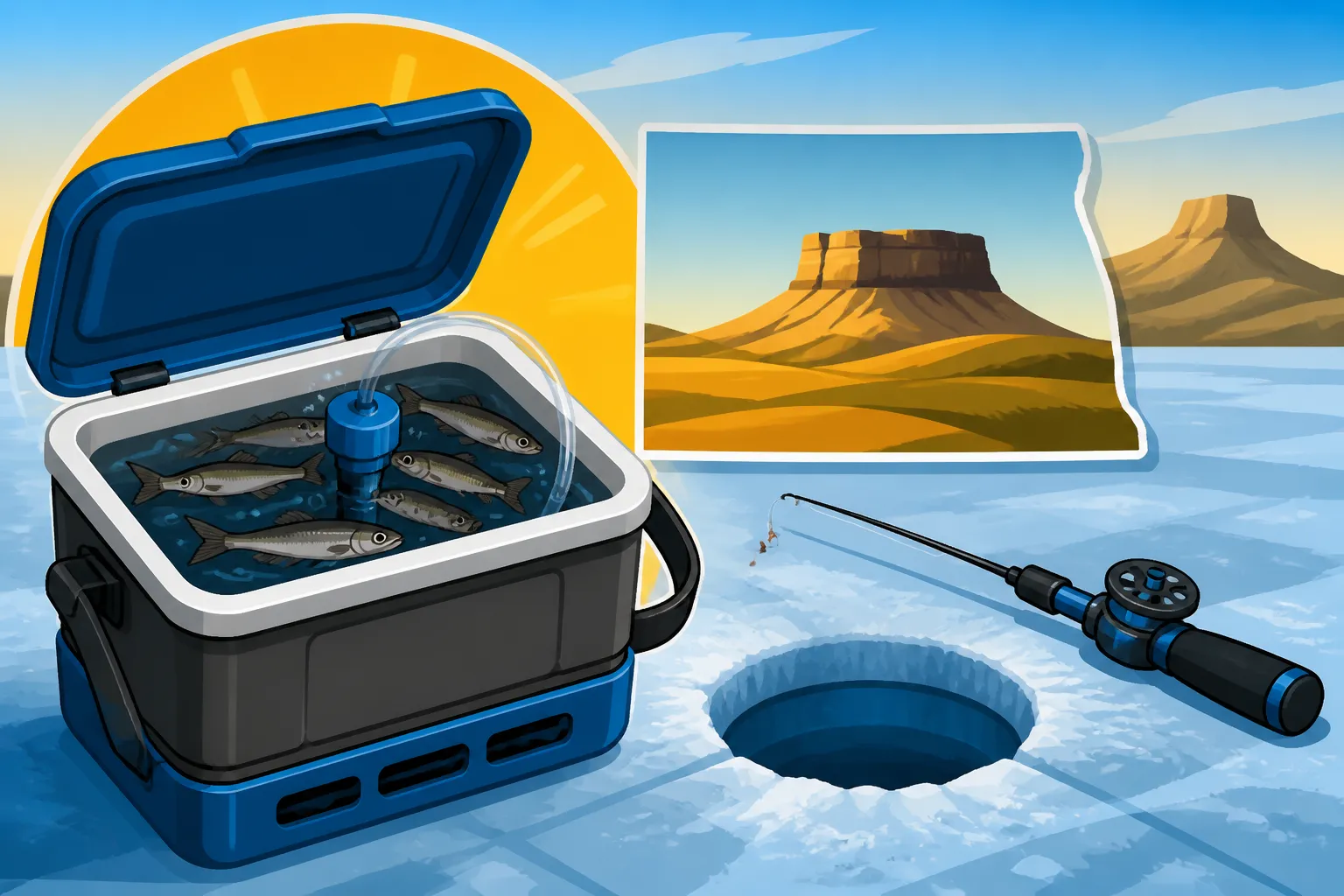
Best Live Bait Storage for Ice Fishing
There's nothing more disheartening on a frigid North Dakota ice fishing day than reaching into your bait bucket only to find your lively minnows have turned into stiff, lifeless lumps. It's a common frustration many of us face, turning what should be an exciting moment of expectation into a moment of pure disappointment. This guide is here to tackle that head-on, offering comprehensive strategies and gear advice to ensure your live bait stays vibrant and irresistible, dramatically improving your chances of a successful day out on the hard water.
Why Proper Live Bait Storage is Absolutely Critical for Ice Fishing
When the temperature plunges, and you're out on a vast expanse like Devils Lake Ice Fishing Access Points or Lake Sakakawea Walleye Fishing Spots, the elements are actively working against your live bait. Unlike open water fishing where a simple bait bucket might suffice, ice fishing demands a more thoughtful approach to keeping your critters happy and healthy. It's not just about having bait; it's about having effective bait.
The Cost of Dead Bait: More Than Just Money
Think about it: you spent your hard-earned money on those minnows, leeches, or larvae. Each dead critter is literally money wasted. But beyond the financial aspect, there's the lost opportunity. A dead minnow rarely entices a hungry walleye, and a sluggish waxworm won't get a perch's attention. You've invested time, effort, and anticipation into your fishing trip, and having to continually discard lifeless bait detracts from the entire experience. It forces you to spend precious fishing time dealing with dead bait instead of focusing on what you came to do: catch fish.
Moreover, if you're out on a remote lake and run out of fresh bait because half of it perished prematurely, your day might be cut short, or you might have to drastically change your fishing strategy. This isn't just an inconvenience; it can be a real game-changer for your success and enjoyment. It’s a frustrating scenario many of us have faced, staring at a bucket of floaters when the bite is on.
Maintaining Peak Performance: Lively Bait Catches Fish
Fish are predators, and they are naturally drawn to movement and vitality. A lively minnow darting around on your hook sends out vibrations and visual cues that scream "easy meal" to a passing walleye or northern pike. Conversely, a stiff, dead minnow just sits there, offering little to no appeal. It's the difference between a predator actively hunting and merely scavenging.
Consider a shiner minnow, for instance, wiggling under a float or struggling on a jig. That frantic action is what triggers a strike, even from a somewhat lethargic winter fish. The same goes for a wriggling waxworm on a tiny jig, captivating a school of perch. The more natural and vigorous the movement, the higher your chances of getting a bite. This is why investing in proper storage isn't just about prolonging life; it's about preserving the very attribute that makes live bait so effective: its ability to attract.
The Ethical Angler: Respecting Your Resources
Beyond the practical benefits, there's an ethical component to proper bait storage. As anglers, we have a responsibility to respect the creatures we use, whether they're game fish or baitfish. Ensuring your bait is housed in humane and healthy conditions reflects a thoughtful approach to the sport. It demonstrates an understanding that these living creatures deserve proper care, even if their ultimate purpose is to become part of the food chain.
Furthermore, healthy bait is less likely to introduce diseases or foreign elements into the delicate ecosystems of North Dakota's lakes and rivers. While the primary concern with invasive species often falls on boat cleaning (which is crucial, as discussed in Aquatic Nuisance Species Rules for Boaters), maintaining the health of your bait and its water environment is another small but significant step in protecting our precious fisheries. It's all part of being a good steward of the natural resources we love to enjoy.
Understanding the Enemy: Challenges of Cold Weather Bait Storage
Ice fishing presents a unique set of environmental hurdles for keeping live bait in prime condition. The extreme cold, limited space, and inherent stressors of being confined all conspire against your bait's survival. Knowing these challenges is the first step to overcoming them.
Temperature Swings: The Silent Killer
North Dakota winters are notoriously brutal, with temperatures often fluctuating wildly, even throughout a single day. What might be a relatively mild morning can quickly turn into a sub-zero afternoon with a biting wind. These drastic temperature changes are incredibly stressful for baitfish. Too cold, and they can go into shock or simply freeze. Too warm, and their metabolism speeds up, consuming oxygen faster and stressing them out.
Imagine bringing your bait bucket from a warm truck cabin out onto the ice, then perhaps into a heated Setting Up an Ice Fishing Shelter, and then back out into the open air. Each transition is a shock to their system. The ideal temperature range for most common baitfish, like minnows, is relatively narrow. Keeping them consistently within this range requires active management, not just passive containment. Freezing water, especially slush forming at the top of a bucket, can also deplete oxygen and make the bait's environment toxic.
Oxygen Depletion: Suffocation Below the Ice
In an enclosed container, especially one with a high density of bait, oxygen is rapidly consumed. Unlike a natural lake environment with vast quantities of circulating water, your bait bucket is a finite resource. Without replenishment, oxygen levels quickly drop, leading to sluggish bait, stress, and eventually, death. This is compounded by warmer water temperatures, which hold less dissolved oxygen and accelerate metabolic rates.
Many anglers make the mistake of simply filling a bucket with lake water and hoping for the best. While fresh lake water might seem like a good idea, if it's not oxygenated, it's merely a temporary solution. When you're fishing in a permanent fish house for hours on end, or even just for a half-day trip, passive oxygen transfer through a small opening simply isn't enough. It's a race against the clock for your bait to consume all the available oxygen before you can catch fish with it.
Contamination and Stress: Hidden Dangers
Beyond temperature and oxygen, live bait faces other silent threats in a confined space. Metabolic waste, like ammonia, builds up rapidly. This waste is toxic, irritating gills and poisoning the water, further stressing the fish and weakening their immune systems. Overcrowding exacerbates this, leading to more waste and increased stress from physical contact.
Imagine a small fish bowl with too many fish; the water quickly becomes foul. Your bait bucket is no different. Injured or diseased bait can also quickly spread problems through the entire batch, turning a thriving bucket into a graveyard. Even the simple act of netting bait out of the bucket can cause abrasions and scale loss, creating entry points for bacteria and fungi. This kind of stress makes bait less active and thus, less appealing to target fish.
Tailoring Your Approach: Live Bait Types and Their Needs
Not all live bait is created equal, and neither are their storage requirements. What works for a hardy fathead minnow might be completely inadequate for a delicate shiner or a sensitive waxworm. Understanding the specific needs of your chosen bait is key to keeping them alive and kicking.
Minnows: The North Dakota Ice Fishing Staple
Minnows are, without a doubt, the most popular live bait for ice fishing in North Dakota, especially when targeting North Dakota Walleye Fishing Guide and North Dakota Northern Pike Fishing Guide. Fatheads, shiners, and sometimes even suckers are common choices. They all require good oxygenation and cool, stable temperatures. Fatheads tend to be quite hardy, able to tolerate a wider range of conditions, making them a forgiving choice for beginners. Shiners, however, are more delicate and demand pristine water quality and excellent oxygen levels.
For minnows, a good insulated bait bucket with an aerator is almost non-negotiable. The insulation helps buffer against those harsh North Dakota temperature swings, keeping the water consistently cool but not freezing. The aerator provides that essential oxygen. When you're heading out to Best Ice Fishing Lakes in North Dakota, especially for a full day, you'll want to make sure your minnows have ample space in their bucket to prevent overcrowding and stress. It's often better to split a large batch of minnows into two smaller buckets if you have them, rather than cramming them all into one.
Waxworms, Spikes, and Larvae: Small but Mighty
These smaller baits are absolute dynamite for North Dakota Yellow Perch Fishing Guide and other panfish. While they don't require water or aeration in the same way minnows do, their storage needs are equally specific. Their biggest enemy is heat, which can cause them to pupate prematurely or die off quickly. They also need to breathe, so airtight containers are a no-go.
Typically, these baits come packed in wood shavings, sawdust, or a similar substrate. The key is to keep them cool but not freezing, and to allow for air circulation. A small, breathable container placed in a cooler or a pocket (to keep them from freezing but not overheat) works wonders. Many anglers will keep them in a small, breathable container in an outer pocket of their parka or inside a small tackle box in their shelter, ensuring they stay cool and active. When shopping for these, whether from your local bait shop or online from a place like Amazon, look for containers designed specifically for larvae, often with small ventilation holes.
Leeches: Less Common but Still an Option
While perhaps less traditional for pure ice fishing, leeches can still be effective, especially during early or late ice seasons when water temperatures are transitioning. They are incredibly hardy, but like minnows, they need clean, cool, and oxygenated water. Their slimy nature can make water quality degrade faster if not properly managed.
For leeches, a specialized leech tamer or a simple bait bucket with plenty of water and an aerator works well. They can tolerate colder temperatures than minnows, often surviving well in cold water without freezing. The biggest challenge with leeches is keeping their water free of their natural slime, which can deplete oxygen and make the water murky. Regular water changes are beneficial if you plan to keep them for extended periods or across multiple trips. Ensuring they have a clean environment will keep them active and attractive to fish.
Essential Gear for Keeping Your Bait Lively
Having the right equipment is paramount for successful live bait storage, especially when battling the extremes of North Dakota winter. Investing in quality gear will save you money and frustration in the long run.
Insulated Bait Buckets and Containers
This is perhaps the single most important piece of equipment for minnow storage. A good insulated bait bucket acts like a mini-cooler or thermos, helping to stabilize the water temperature inside. This prevents rapid freezing when exposed to cold air and reduces warming when moved into a heated shelter. Look for buckets with thick foam insulation or double-walled construction.
Many popular models, readily available at sporting goods stores like Bass Pro Shops, come with an inner liner that can be easily removed for cleaning or to change water without disturbing the bait. Some even have hinged lids with an access port, minimizing heat loss while allowing you to grab bait. For small larvae like waxworms, dedicated small, breathable plastic containers are ideal. These typically have perforated lids or small vents to allow air exchange while preventing the bait from escaping. Avoid airtight containers, as they will suffocate these air-breathing baits.
Aerators: The Lifeline of Your Bait
An aerator is absolutely critical for minnows. It continuously bubbles air into the water, replenishing dissolved oxygen and helping to off-gas harmful carbon dioxide and ammonia. There are various types, from battery-powered portable units to larger 12-volt models that can run off a portable power pack.
For ice fishing, a quiet, reliable battery-powered aerator is usually the go-to choice. Look for models with a flexible air stone and tubing that won't easily freeze up. Some even have dual speeds, allowing you to increase aeration if you notice your minnows are sluggish or if you have a lot of them. Always carry spare batteries, as the cold can significantly shorten battery life. An aerator can make the difference between a bucket full of lively bait and a bucket full of dead bait by the end of your trip, especially if you're fishing for long hours on a harsh North Dakota day. This simple device truly is the heart of effective minnow storage on the ice.
Temperature Control: Keeping Things Just Right
Beyond insulation, sometimes you need active temperature control to fine-tune your bait's environment. This can involve simple tricks or more specialized equipment. For extreme cold, some anglers might place a small, chemical hand warmer (the kind you use in your gloves) inside a larger, insulated container, outside the bait water, to provide a gentle, indirect warmth. Be extremely careful not to overheat the water or allow the warmer to come into direct contact with the bait.
Conversely, if your heated shanty is too warm, you might need to place your insulated bait bucket just outside the door or in a cooler with a bit of ice (again, being mindful not to chill them too much). The goal is consistency. For smaller baits, like spikes or waxworms, simply carrying them in an inner pocket can keep them from freezing without making them too warm, as your body heat provides a stable, moderate temperature. You want them active, not dormant or overstimulated. When considering your overall ice fishing setup, think about how your bait will fare inside and outside your shelter to help maintain that optimal temperature.
| Bait Type | Primary Storage Need | Essential Gear | On-Ice Strategy | Common Pitfall |
|---|---|---|---|---|
| Minnows | Oxygen & Stable Temperature | Insulated Bait Bucket, Battery-Powered Aerator | Keep off direct ice, monitor water/aeration | Overcrowding, rapid temperature changes, lack of oxygen |
| Waxworms, Spikes | Cool & Breathable | Small Vented Container, Wood Shavings/Sawdust | Inner pocket or cool compartment of tackle box | Overheating, airtight containers |
| Leeches | Clean, Cool Water | Leech Tamer or Insulated Bait Bucket, Aerator (optional) | Regular water changes, avoid direct sun | Slime buildup, dirty water, extreme cold |
On-Ice Strategies: Keeping Your Bait Alive During Your Trip
Even with the best gear, how you manage your bait while actually fishing makes a huge difference. These practical tips will help ensure your bait remains effective from the first hole to the last.
Placement and Protection on the Ice
Once you're out on the ice, don't just set your bait bucket down on the frozen surface and forget about it. The ice itself will quickly draw heat out of the water, accelerating the chilling process. Instead, place your insulated bait bucket on a piece of foam, a thick mat, or even on top of your fishing sled. This provides a crucial thermal break, slowing down heat transfer.
If you're fishing in a heated ice shelter, try to find a spot that isn't directly next to a vent or heater that could excessively warm the water, nor directly in the coldest corner by the door. A moderate, stable area is best. If you're out in the open, try to shield your bait bucket from direct wind, perhaps by placing it behind your sled or a snowdrift. Even small actions like keeping the lid closed when not actively grabbing bait will help maintain that precious stable temperature and prevent heat loss. Every little bit of insulation helps maintain the ideal How Cold It Gets Ice Fishing in North Dakota environment for your bait.
Regular Checks and Water Management
Your bait isn't a "set it and forget it" item. Throughout the day, take a moment to check on your minnows. Are they active and swimming freely? Or are they clustered at the surface, gulping for air, or lying sluggishly at the bottom? These are all indicators that something is amiss, likely a lack of oxygen or incorrect temperature. If you notice dead minnows, remove them immediately. Dead minnows quickly decompose, releasing ammonia and other toxins that will further foul the water and stress the remaining bait.
Changing a portion of the water can also be incredibly beneficial, especially if your bait is showing signs of stress. Use water from the lake, but allow it to temper in a separate container for a few minutes to avoid shocking your minnows with a sudden temperature drop. Never change all the water at once, as this can be too drastic. Instead, replace about a third to half of the water periodically. This dilutes waste products and provides a fresh boost to the environment. For smaller baits like waxworms, simply aerating their container by shaking it gently and ensuring the substrate is dry can help keep them lively.
Bringing Them Home: Post-Fishing Care
Your fishing trip isn't over until your bait is either used up or properly cared for. If you have leftover minnows, don't just dump them back into the lake you were fishing, especially if they came from a different water body. This is a critical Aquatic Nuisance Species Rules for Boaters guideline: never transport live bait from one body of water to another. Instead, consider keeping them alive for your next trip, or humanely dispatching them if you don't plan to reuse them.
If you want to keep them for future trips, they'll need a larger, well-aerated container at home, ideally in a cool, dark place like a garage or basement. A larger volume of water will help stabilize conditions. For smaller baits, simply return them to their original packaging, ensuring they stay cool and dry. Proper post-fishing care isn't just about saving money on bait; it's a responsible practice that helps prevent the spread of diseases and invasive species and aligns with the principles of North Dakota Fishing Regulations Explained.
Troubleshooting Common Live Bait Storage Problems
Even with the best intentions and gear, you might encounter issues. Knowing how to quickly diagnose and address common problems can salvage your bait and your fishing trip.
Dealing with Sluggish or Dying Bait
You peek into your bucket, and your minnows are barely moving, perhaps even floating upside down. This is a clear sign of distress, usually due to lack of oxygen, high waste levels, or temperature shock. First, check your aerator. Is it running? Are the batteries dead? Replace them immediately if needed. If it's working, consider if your bait is overcrowded. Too many minnows in too small a space will deplete oxygen faster than the aerator can replenish it.
Next, assess the water temperature. Is it too warm (if in a heated shelter) or too cold (if sitting directly on the ice)? Try to slowly adjust the temperature to a more stable, moderate range. If water quality seems poor – murky, smelly, or foamy – perform a partial water change with fresh lake water, as described earlier. Sometimes, adding a small amount of commercially available bait conditioner, often found at Bass Pro Shops or Amazon, can help neutralize harmful chemicals and reduce stress, though always use sparingly and according to product instructions. A quick response can often revive sluggish bait and prevent a complete die-off.
Preventing Water from Freezing
In the extreme cold, ice formation in your bait bucket is a constant threat. While insulated buckets significantly help, they aren't foolproof. If you're fishing in truly brutal conditions, consider adding a small amount of non-iodized salt (like pickling salt or rock salt, not table salt with iodine) to the water. A teaspoon or two per gallon can lower the freezing point slightly without harming the minnows. Be careful not to add too much, as excessive salt can be detrimental.
Another trick is to keep a small, portable heater or even a heat pack near (but not directly in or on) the bait bucket to provide ambient warmth. Some anglers will even float a sealed plastic bottle of warm water in their bucket (ensuring no leaks) for a temporary boost. If you're using an aerator, the constant bubbling also helps prevent a solid sheet of ice from forming on the surface, keeping a small area open for oxygen exchange. Remember, the goal isn't to make the water warm, but to keep it just above freezing. You want that Goldilocks zone – not too hot, not too cold.
Addressing Odors and Slime Build-up
A foul odor or excessive slime in your bait bucket indicates rapidly degrading water quality and accumulating waste products. This is highly stressful for your bait and can make them less appealing to fish. The primary solution here is regular and effective water management. Perform those partial water changes, and make sure you're not overfeeding your bait if you're keeping them for an extended period, as uneaten food will also contribute to waste.
After each trip, thoroughly clean your bait bucket. Rinse it out with fresh water, and if it's particularly slimy, a gentle scrub with a brush (without harsh detergents that could leave residues) can help. Some anglers use a very diluted bleach solution followed by copious rinsing to sanitize their buckets, but again, ensure absolutely no residue remains. Keeping your bucket clean from the start will prevent odors and slime from becoming major problems, ensuring a healthy environment for your bait on subsequent trips. This attention to detail will keep your bait lively, and ready for action in the productive waters around Lake Audubon Smallmouth Bass Fishing or other great North Dakota spots.
Disclaimer
This article is for general informational purposes only and does not constitute professional advice. Laws, prices and regulations vary by location and change over time. Consult a qualified professional for guidance on your specific situation.