How Much It Costs to Winterize a Boat
That chill in the air and the dwindling daylight are unmistakable signs for North Dakota boat owners: winter is coming. And with it, the pressing question of how to protect your beloved vessel from the harsh realities of sub-zero temperatures, ice expansion, and corrosive elements. You’re likely wondering about the financial hit, the time commitment, and what exactly goes into securing your boat for months of inactivity. This comprehensive guide is here to demystify the costs and processes involved in winterizing your boat, ensuring it emerges from the snow ready for springtime adventures.
Understanding Boat Winterization: Why It's More Than Just Covering Up
For anyone who’s spent a season on Lake Sakakawea, Devils Lake, or navigating the Missouri River, you know North Dakota winters are no joke. They are long, brutal, and unforgiving, especially to anything left exposed or unprepared. Boat winterization isn't just a suggestion; it's a critical investment in the longevity and performance of your boat. Many boat owners, especially those new to the region or new to boating in general, often underestimate the sheer destructive power of freezing water. A simple cover might protect from snow, but it won't prevent internal damage that can cost thousands to repair.
Imagine the frustration of pulling your boat out in spring, full of anticipation, only to discover a cracked engine block or a burst water line because a small amount of water froze and expanded. These aren't minor inconveniences; they can lead to extensive engine overhauls or plumbing replacements, sidelining your boating season before it even begins. Proper winterization protects not just the engine, but also the fuel system, plumbing, electrical components, and the boat's exterior from the elements. It’s about proactive defense against the worst Mother Nature can throw at it.
The Essential Steps of a Proper Winterization
Winterizing a boat involves a series of methodical steps designed to remove or protect all water and moisture-sensitive components, stabilize fuel, and shield vulnerable surfaces. It's a comprehensive process that touches almost every system on your boat. First and foremost, the engine needs attention. This typically involves flushing the cooling system with freshwater to remove any corrosive elements, then running antifreeze through it to prevent freezing. Fuel stabilization is also crucial; untreated fuel can degrade over months, leading to gumming and deposits that clog injectors and carburetors.
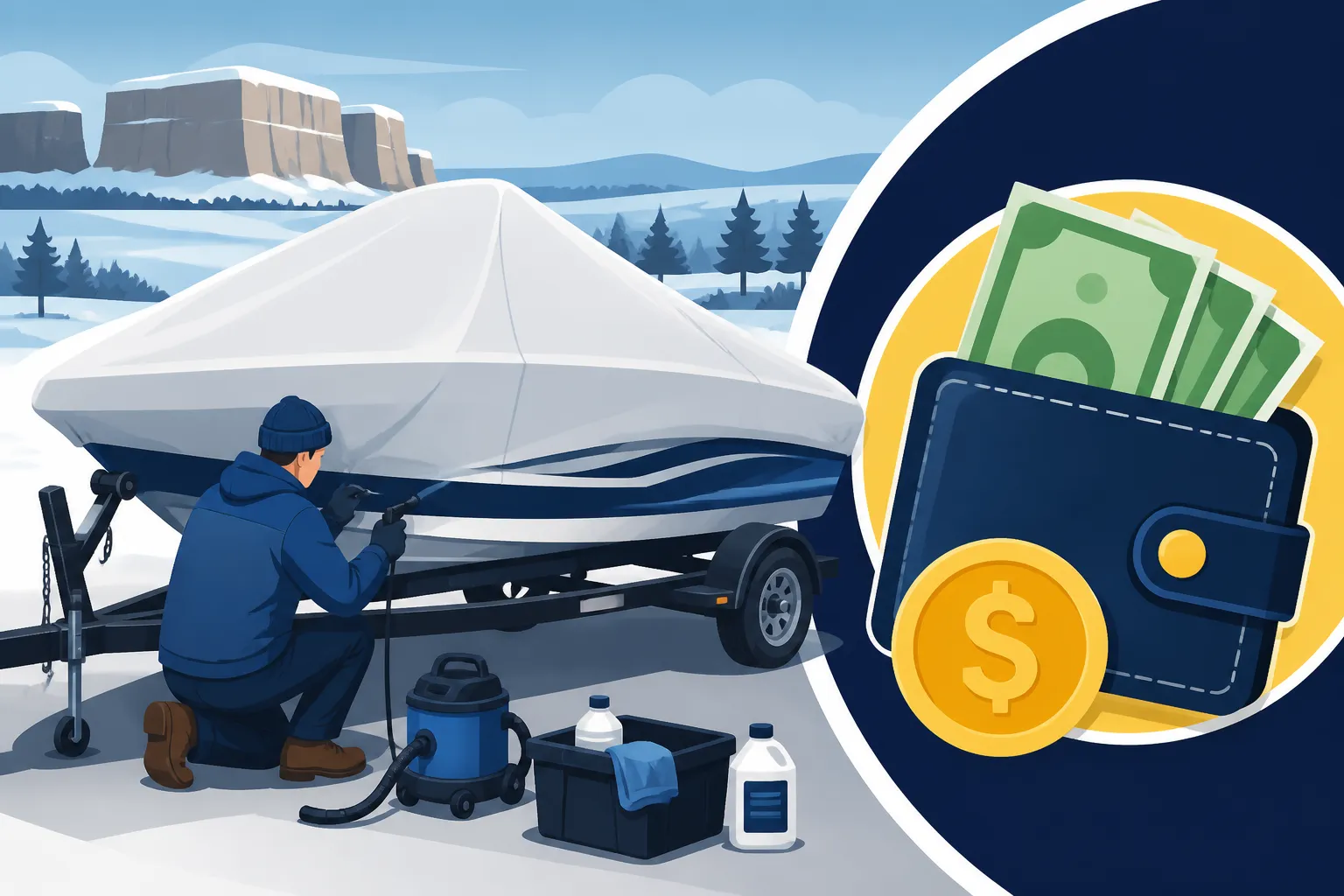
Beyond the engine, the raw water systems, like freshwater tanks, pumps, and hoses, must be completely drained and often filled with non-toxic marine antifreeze. Bilge pumps, livewells, and sanitation systems also require similar treatment. Don't forget about the battery; it should be fully charged and disconnected, ideally removed and stored in a warm, dry place. Finally, a thorough cleaning, waxing, and the application of a good quality boat cover are essential for protecting the hull and interior from prolonged exposure to snow, ice, and UV rays, even in winter. Taking these steps seriously will save you headaches and money down the line. You can find comprehensive guides on covering your boat properly, like Best Boat Cover for North Dakota Winters, to help with this final, crucial step.
Why Skipping Winterization is a Costly Mistake
The temptation to cut corners or skip winterization altogether, especially if you think you might take your boat out for a late fall trip that never materializes, can be incredibly strong. Perhaps you're feeling the pinch of other expenses, or you simply run out of time. However, the short-term savings you think you're gaining by skipping winterization are almost always dwarfed by the repair bills that inevitably follow a harsh North Dakota winter. A cracked engine block, for instance, isn't a cheap fix; it often means a complete engine replacement or extensive, costly welding and machining.
Consider the potential damage: frozen water lines can rupture, leading to leaks and water damage to the boat's interior, upholstery, and electrical systems. Stale fuel can gum up carburetors and fuel injectors, requiring professional cleaning or replacement, which is a labor-intensive and expensive job. Even a battery left uncharged in the cold can permanently lose its ability to hold a charge, leaving you to buy a new one come spring. These aren't just hypotheticals; they are common scenarios that North Dakota boat owners face when winterization is neglected. The cost of prevention, while not insignificant, is always far less than the cost of repair, making proper winterization a wise investment rather than an optional expense.
Breaking Down the Costs: DIY vs. Professional Service
When it comes to winterizing your boat, you generally have two main paths: rolling up your sleeves and doing it yourself, or entrusting your vessel to a professional marine service center. Each option comes with its own set of costs, benefits, and challenges. For some, the satisfaction of knowing the job was done by their own hands, and the potential for savings, makes DIY an attractive choice. For others, the peace of mind that comes with professional expertise, and the time saved, is well worth the investment. Understanding what each option entails financially will help you make the best decision for your boat and your budget.
There’s no one-size-fits-all answer, as your mechanical comfort level, available tools, and the complexity of your boat's systems will play a huge role. A small outboard on a simple fishing boat will be far less demanding than a large sterndrive with multiple water systems and complex electronics. Before you commit, it's a good idea to assess your own capabilities and research the specific requirements for your boat model. Sometimes, a hybrid approach – doing some tasks yourself and leaving more complex ones to the pros – can be a sensible middle ground.
DIY Winterization Costs: Tools, Fluids, and Your Time
If you decide to tackle winterization yourself, your costs will primarily come from purchasing the necessary materials and, of course, investing your own time. For an average boat, you'll need things like marine-grade engine antifreeze, fuel stabilizer, engine fogging oil, lower unit gear lube, and potentially some oil and filters if you're also doing an oil change. You might also need a specialized flush kit for your engine, grease, and various cleaners and waxes for the exterior. Many of these supplies can be found at marine supply stores, or online retailers like Bass Pro Shops or Amazon, often in convenient kits that bundle common items.
Beyond the consumables, you might need to invest in some tools if you don't already have them. This could include a grease gun, wrenches, a filter wrench, a pump for antifreeze, and possibly a propeller wrench. These are generally one-time purchases that will serve you for many seasons. While the upfront cost for these items might seem like a chunk of change, remember that you'll only need to buy most of them once. The real cost in DIY is your time and effort. Depending on your boat's size and complexity, winterization can take anywhere from a few hours to a full day, or even a weekend, especially if you're learning as you go. However, the cumulative savings over several years can be substantial. You can also refer to guides like Best Way to Winterize a Boat Motor for detailed DIY steps.
Professional Winterization Costs: What You're Paying For
Opting for professional winterization means paying for expertise, specialized equipment, and convenience. Marine service centers have trained technicians who know the specific requirements for various engine types (inboard, outboard, sterndrive) and boat systems. They have the right tools, lifts, and often a heated shop, which can be a huge advantage when the weather truly turns cold. When you choose a professional, you're essentially buying peace of mind, knowing the job will be done correctly and often comes with a guarantee against freeze damage, assuming no pre-existing issues.
The cost for professional winterization can vary widely based on several factors, including the type and size of your boat, the engine configuration, and the specific services requested. Generally, an outboard engine will be less expensive to winterize than an inboard or sterndrive, due to fewer complex water systems. Many shops offer tiered packages that might include engine winterization, lower unit service, fuel stabilization, and sometimes even a basic wash and cover installation. Some places might bundle in How to Winterize a Boat Trailer maintenance, which is a great added value. While the initial outlay is higher than DIY, the value comes from the assurance that your boat is fully protected and you don't have to lift a finger, freeing up your precious autumn weekends.
Factors That Influence Your Winterization Bill
When you start looking into winterization costs, whether DIY or professional, you’ll quickly realize there’s no single price tag. Your final bill will be a dynamic sum influenced by several key characteristics of your boat and how you plan to store it. It’s not just about the basic process; it’s about the unique demands of your specific setup. Understanding these variables can help you anticipate expenses and make informed decisions, potentially saving you money or ensuring you get the comprehensive service you truly need.
Think of it like getting a car serviced; a compact sedan has different needs and costs than a heavy-duty pickup truck, and where you get it serviced also impacts the price. Boats are similar, but with even more variables given the diverse range of propulsion systems, onboard amenities, and storage options. Getting a clear quote means being upfront about all these details, rather than just asking for a generic "boat winterization" price.
Boat Size, Type, and Engine Configuration
Perhaps the biggest determinant of winterization cost is the boat itself. A small 14-foot fishing skiff with a simple outboard motor will naturally cost less to winterize than a 25-foot cuddy cabin with a sterndrive engine, a freshwater system, and a head. More systems mean more components that need draining, flushing, and treating with antifreeze. Outboard engines are generally the least expensive to winterize because their cooling systems are self-draining when trimmed down, minimizing the antifreeze needed.
Sterndrive (I/O) and inboard engines are typically more complex and require more antifreeze and labor. They have internal cooling passages that must be thoroughly flushed and filled with antifreeze to prevent freezing. Additionally, larger boats often have more elaborate freshwater systems for sinks, showers, and heads, all of which need meticulous draining and antifreeze treatment. The more complex your boat, the more time and materials are required, directly impacting both DIY material costs and professional labor charges. Knowing your boat's specific needs, perhaps by consulting your owner's manual or doing some research on Best Boats for North Dakota Lakes and their typical setups, can give you a better idea of what to expect.
Location, Storage, and Additional Services
Where you store your boat for the winter also plays a role in the overall cost. If you opt for indoor, heated storage, you might get away with a less intensive winterization, though still performing basic engine and fluid preservation is wise. However, for the vast majority of North Dakota boat owners who store their boats outside or in unheated facilities, a thorough winterization is non-negotiable. Accessibility can also affect professional costs; if your boat is in a remote location or difficult to access, a service provider might charge a travel fee.
Many marinas and service centers offer additional services that can add to your winterization bill but provide extra convenience or protection. These might include shrink-wrapping the boat, which offers superior protection compared to a traditional tarp and is a very popular option in North Dakota. Other services could be detailing, battery maintenance, or even routine maintenance like oil changes and lower unit gear lube replacement, which are often recommended to be done before winter storage. While these add-ons increase the immediate cost, they can preserve your boat's condition and reduce your spring commissioning expenses. Don't forget to factor in the cost of the storage itself; while not part of winterization, it's a related seasonal expense to consider alongside your Where to Store a Boat for the Winter plan.
Smart Strategies to Manage Winterization Expenses
Winterizing your boat is an unavoidable expense for North Dakota boat owners, but that doesn't mean you can't be smart about how you manage those costs. With a little planning and proactive thinking, you can often find ways to reduce the financial burden without compromising the essential protection your boat needs. It’s about being strategic, taking advantage of opportunities, and understanding what you can realistically handle yourself versus when it's best to call in the professionals.
Navigating the off-season effectively means more than just putting the boat away; it's about setting yourself up for a smooth and cost-effective return to the water come spring. By adopting a few smart strategies, you can ensure your boat is protected, your budget stays healthy, and your anticipation for the next open-water season remains high.
Seasonal Deals and Early Bird Specials
One of the simplest ways to save money on professional winterization is to be an early bird. Many marine service centers and dealerships in North Dakota offer discounts for scheduling your winterization services in early fall, before the rush of boat owners frantically trying to beat the first hard freeze. As the weather cools and demand skyrockets, prices tend to firm up, and appointment slots become scarce. By booking in September or early October, you can often lock in a lower rate and ensure your boat gets attention before the mercury truly drops.
Keep an eye out for package deals as well. Some shops will offer bundles that include winterization, storage, and spring commissioning services at a reduced rate compared to paying for each individually. Similarly, if you're doing a DIY winterization, watch for sales on marine antifreeze, fuel stabilizers, and other consumables at your local retailers or online at places like Amazon. Stocking up during these periods can lead to noticeable savings over the long run. Planning ahead and staying informed about these seasonal opportunities is a savvy way to keep your winterization expenses in check.
Essential Maintenance You Can Do Year-Round
While full winterization is a seasonal task, much of the preventative maintenance that contributes to its overall cost can actually be spread throughout the year. By staying on top of routine care, you can make the actual winterization process simpler and potentially cheaper, whether you do it yourself or hire a professional. For example, regularly checking and topping off your lower unit gear lube during the season means less chance of finding a problem that needs fixing during winterization. Similarly, keeping your boat clean and waxed year-round reduces the amount of intense cleaning needed before storage.
Maintaining your trailer is another often-overlooked area. Addressing small issues like greasing wheel bearings or checking tire pressure on your trailer throughout the year prevents major problems that might arise when it's time to haul your boat to storage for the winter. This kind of ongoing care not only simplifies winterization but also extends the life of your equipment and prevents unexpected, costly repairs. It also aligns with the broader principles of good boat ownership, ensuring your vessel is always in top condition. Getting familiar with Aquatic Nuisance Species Rules for Boaters throughout the year also helps maintain your boat's cleanliness and prevents issues that might require extra effort during winter prep.
| Service Item | DIY Estimated Cost (Materials Only) | Professional Estimated Cost (Labor + Materials) | Key Considerations |
|---|---|---|---|
| Engine Winterization (Outboard) | Varies, check current prices for materials | Consult local marine shops for current pricing | Simpler, less antifreeze needed. |
| Engine Winterization (I/O or Inboard) | Varies, check current prices for materials | Consult local marine shops for current pricing | More complex, more antifreeze and labor. |
| Fuel System Stabilization | Low, check current prices for stabilizer | Often included in engine service or small add-on. | Crucial for preventing fuel degradation. |
| Lower Unit Gear Lube Change | Moderate, check current prices for lube & pump | Often a separate charge or included in higher tiers. | Prevents water intrusion and gear damage. |
| Freshwater System (Sink, Shower, Head) | Moderate, check current prices for non-toxic antifreeze | Often a separate charge per system. | Draining and antifreeze is essential to prevent burst pipes. |
| Battery Maintenance | Low (charger, cleaner if needed) | Sometimes included in storage, or small service charge. | Charge, disconnect, or remove and store warm. |
| Boat Cleaning & Waxing | Moderate (cleaners, wax, pads) | Can be an add-on service. | Protects hull from elements and UV damage. |
| Shrink Wrap | High (special equipment, material) | Consult local marine shops for current pricing | Superior protection, but generally not a DIY project. |
| Trailer Maintenance | Low to Moderate (grease, tools) | Often a separate service. | Don't forget your trailer needs winter love too! |
Disclaimer
This article is for general informational purposes only and does not constitute professional advice. Laws, prices and regulations vary by location and change over time. Consult a qualified professional for guidance on your specific situation.