Where to Store a Boat for the Winter
As the autumn chill starts to bite and the leaves turn, many North Dakota anglers face the annual conundrum: where on earth do you put your beloved boat for the long, brutal winter? Leaving it exposed to the elements without proper care is a surefire way to invite costly damage and heartbreak come spring. This comprehensive guide will walk you through the various options for winter boat storage in North Dakota, from professional facilities to at-home solutions, and detail the crucial steps you need to take to protect your vessel.
Why Winter Boat Storage is Non-Negotiable in North Dakota
North Dakota winters are legendary, and not in a good way for boats. The freezing temperatures, heavy snowfalls, and biting winds create a perfect storm for potential damage if your boat isn't properly protected. It's not just about keeping it out of sight; it's about safeguarding your investment and ensuring it's ready to hit the water when the ice finally breaks.
The Harsh Realities of a North Dakota Winter
Imagine your boat, covered in a thin tarp, sitting out in a field as the mercury plummets to twenty, thirty, or even forty degrees below zero. This isn't just uncomfortable for us; it's catastrophic for a boat not built to withstand such extremes without preparation. Water trapped in engine blocks, livewells, or plumbing can expand when frozen, cracking components and leading to massive repair bills. Snow accumulates, adding immense weight that can deform covers, bend supports, or even damage the hull over months. Wind can whip tarps into shreds, allowing snow and ice to penetrate every crevice. We're talking about a season that can stretch from late October well into April, demanding robust protection.
Beyond the obvious, the constant freeze-thaw cycles that can occur during milder periods of winter, especially in early spring, are also detrimental. They stress materials, from fiberglass to upholstery, leading to accelerated wear and tear. Rodents and other pests, seeking refuge from the cold, can also make your unprotected boat a cozy winter home, chewing through wiring, seats, and stored gear. It’s a battle on multiple fronts.
Protecting Your Investment from the Elements
Your boat isn't just a vessel; it's an investment in countless hours of enjoyment, family memories, and the pursuit of that trophy walleye. Protecting that investment means understanding the specific threats of a North Dakota winter and taking proactive measures. Proper winterization and storage aren't optional; they're essential maintenance that extends the life of your boat and preserves its resale value. Think of it as preventative medicine for your prized possession.
Beyond the obvious structural damage from freezing, prolonged exposure to UV rays, even in winter, can degrade gel coats and plastics over time. The constant dampness from melting snow can lead to mold and mildew growth in cushions and carpeting, creating unpleasant odors and stains that are tough to remove. By taking the time to properly store your boat, you're not just preventing a single catastrophic failure, but a host of smaller, cumulative damages that erode its condition and performance. When spring finally arrives and you’re ready to review your North Dakota Fishing Season Calendar, you want your boat to be just as eager as you are.
Exploring Your North Dakota Winter Boat Storage Options
When it comes to putting your boat away for the winter, you have a few main paths you can take, each with its own set of pros, cons, and cost implications. The best choice often depends on your budget, the size of your boat, and how much hands-on involvement you want to have in the winterization process.
Indoor Storage Facilities: The Premium Choice
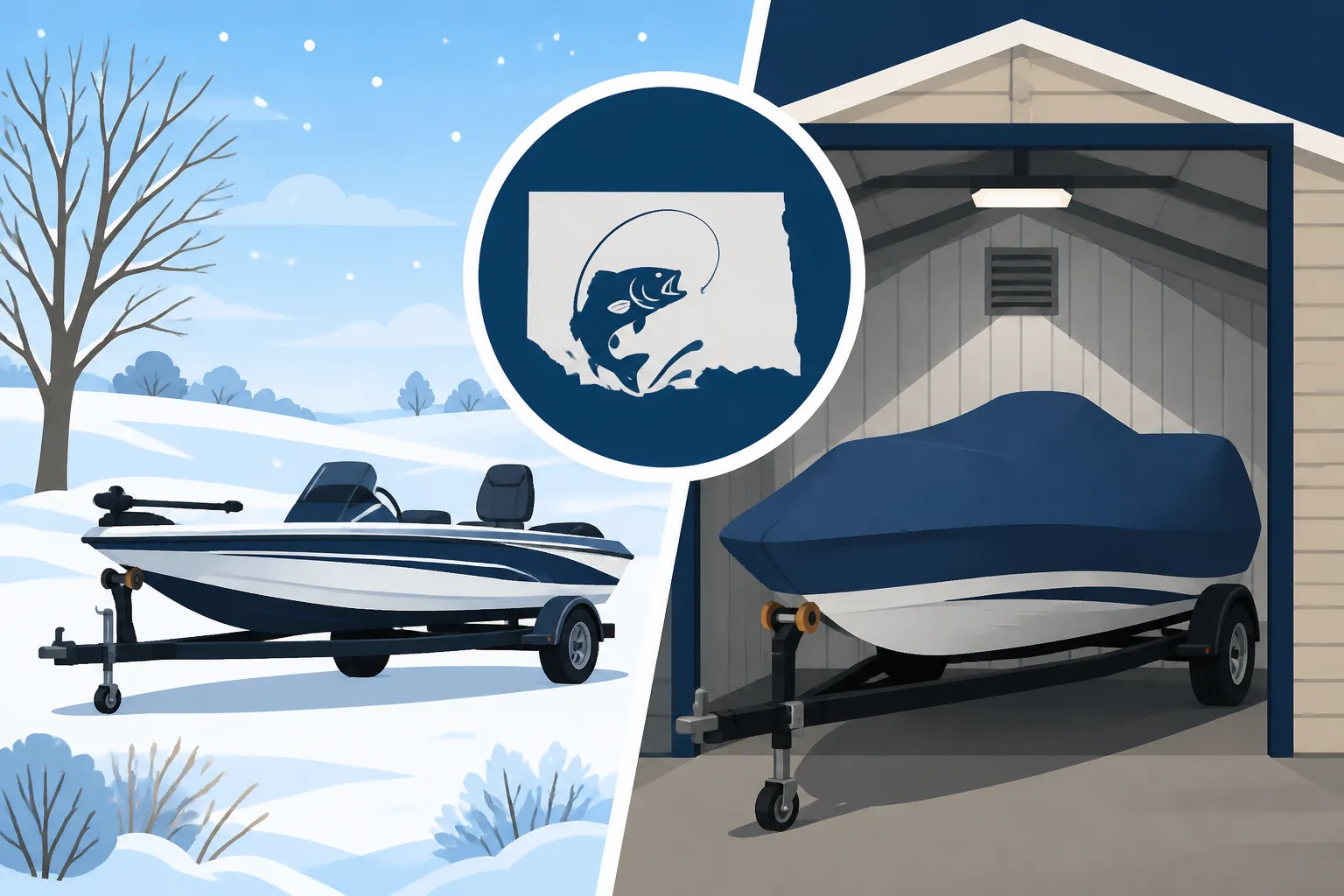
For many boat owners, especially those with larger vessels or a keen desire for maximum protection, indoor storage facilities are the gold standard. These can range from unheated, but fully enclosed, buildings to climate-controlled spaces that keep your boat at a stable temperature, preventing extreme cold and humidity fluctuations. The peace of mind that comes with knowing your boat is safe from snow, wind, and pests cannot be overstated.
These facilities often offer secure access, sometimes even with surveillance, adding another layer of protection against theft or vandalism. Many marinas and dedicated storage businesses in areas like Bismarck, Fargo, or around Lake Sakakawea offer these services. You might choose an indoor spot for your beloved fishing rig if you've invested a lot in high-end electronics or specialized gear, as it keeps everything in a more stable environment. Remember to check for services offered, such as whether they include shrink-wrapping or How Much It Costs to Winterize a Boat as part of the package, or if that's an additional service you'll need to arrange.
| Storage Type | Pros | Cons | Typical Cost (Shape) | Best For |
|---|---|---|---|---|
| Heated Indoor | Maximum protection, stable temperature, pest-free, high security | Most expensive, limited availability, can require booking far in advance | Highest | High-value boats, sensitive electronics, avoiding all environmental risk |
| Unheated Indoor | Excellent protection from elements & pests, good security | Still cold, can have some humidity issues if not well-ventilated | Moderate to High | Most boats, good balance of protection and cost |
| Covered Outdoor | Protection from snow/rain/sun, airflow, less expensive than indoor | Exposed to cold/wind, less security, pests possible | Moderate | Smaller boats, those on a tighter budget, if proper winterization done |
| Uncovered Outdoor | Most affordable facility option, easy access | Fully exposed to all elements, highest risk of damage & pests | Lowest (excluding at-home) | Boats with minimal value or for short-term storage with robust cover |
| At-Home | Most convenient, no recurring fees, constant access | Requires space, DIY effort, security depends on home setup, full exposure | Minimal (cover, supplies only) | Confident DIYers, smaller boats, ample property space, proper covering |
Outdoor Storage: The Cost-Effective Alternative
For many, especially those on a tighter budget or with smaller boats, outdoor storage is a viable option, provided it's done correctly. This usually means leaving your boat on its trailer in a designated storage lot or a secure location on your own property. While it lacks the complete protection of indoor storage, a robust winterization process and a high-quality cover can mitigate many of the risks.
When opting for outdoor storage, look for facilities that are fenced, well-lit, and preferably have some form of surveillance. You'll want to ensure your boat is on a solid surface, like asphalt or gravel, to prevent tires from sinking into mud or grass, which can lead to dry rot over months. Crucially, a good Best Boat Cover for North Dakota Winters is non-negotiable. It needs to be durable, waterproof, breathable, and properly secured to prevent snow and ice from accumulating or wind from tearing it apart. This is where investing in a quality cover from a retailer like Bass Pro Shops or even finding a good option on Amazon can make all the difference. Don't skimp here; a cheap tarp will likely fail halfway through winter.
Storing at Home: Convenience with Caveats
If you have the space, storing your boat on your property is often the most convenient and cost-effective method, as it eliminates recurring storage fees. This could be in your driveway, backyard, or a dedicated pad next to your garage. The biggest advantage here is constant access, allowing you to check on your boat whenever you want or perform winterization tasks at your own pace.
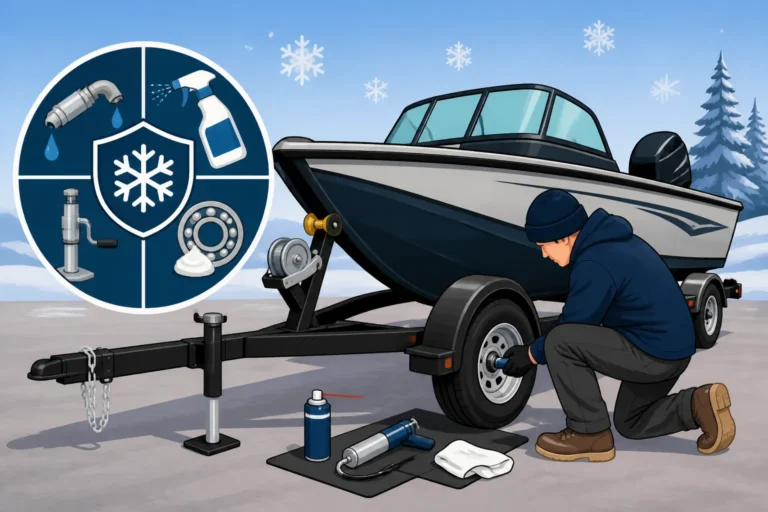
However, storing at home comes with its own set of challenges. Security can be a concern, depending on your neighborhood and how visible your boat is. You'll also need ample space to maneuver and store the boat without it becoming an eyesore or violating any local ordinances. Most importantly, all the diligent winterization steps mentioned earlier become even more critical, as your boat will be completely exposed to the elements. Make sure your cover is top-notch, and consider building a temporary frame beneath it to create a peak that sheds snow and prevents pooling water, especially if you're expecting a heavy North Dakota snowfall. It's also a good time to ensure your boat trailer is in good shape, perhaps even doing some maintenance like checking bearings and tire pressure, or reading up on How to Winterize a Boat Trailer.
Essential Steps for Winterizing Your Boat Before Storage
Regardless of where you decide to store your boat, the winterization process itself is paramount. Skipping steps here is a gamble you don't want to take. This involves meticulous preparation of the engine, fuel system, interior, and exterior to withstand freezing temperatures and prolonged inactivity.
Engine and Fuel System Preparation
This is arguably the most critical part of winterization. Water trapped in your engine block can freeze and cause cracks, leading to irreparable damage. First, you need to stabilize your fuel. Modern gasoline can degrade over time, leading to gumming and corrosion in the fuel system. Add a marine-grade fuel stabilizer to your tank, run the engine for about 10-15 minutes to ensure the treated fuel circulates through the entire system, and then fill the tank completely to reduce condensation. This prevents fuel lines and carburetors from getting gunked up over the long winter months.
Next comes the engine's cooling system. For outboard motors, draining all water is crucial. For inboard/outboard motors, you'll need to circulate antifreeze through the system. This often involves using a "fake a lake" attachment or simply pouring marine-grade non-toxic antifreeze directly into the raw water intake while the engine is running. Consult your engine's manual or a trusted mechanic for the exact procedure for your specific model. Changing your oil and filter before storage is also a wise move, as old oil contains corrosive acids that can damage internal engine components during extended periods of rest. This is a primary step in Best Way to Winterize a Boat Motor. Don't forget to remove spark plugs, spray fogging oil into the cylinders, and then replace the plugs to protect the cylinder walls.
Battery, Electronics, and Interior Care
Beyond the engine, several other components require attention. Your boat's battery should be fully charged, disconnected, and ideally removed from the boat for the winter. Store it in a cool, dry place where it won't freeze, and connect it to a trickle charger to maintain its charge. This prevents deep discharge and extends battery life. Take this opportunity to check the battery terminals for corrosion and clean them if necessary.
Electronics like fish finders, GPS units, and radios should be removed if possible and stored indoors in a dry, room-temperature environment. This protects them from extreme cold, condensation, and potential theft. For fixed electronics, ensure they are turned off and covered. Inside the boat, thoroughly clean all surfaces. Remove all personal items, life jackets, fishing gear like your Best Fishing Rods for North Dakota Anglers, and especially any food or drink to deter pests. Open all lockers, compartments, and the refrigerator (if applicable) to allow for air circulation and prevent mold and mildew growth. Using moisture absorbers, such as desiccants you might find on Amazon, in enclosed spaces can also be very beneficial.
Covering and Securing Your Boat for the Long Haul
Once the engine and interior are prepped, it's time to focus on the exterior. Clean the hull thoroughly to remove any scum, algae, or grime. A good wash and wax will protect the gel coat over the winter. If your boat is on a trailer, ensure the trailer is level and blocks are placed under the tires to prevent flat spots. For boats stored outside, consider removing the drain plug to allow any melted snow or rain to escape, preventing water from pooling in the bilge. However, if your boat will be covered and you're concerned about critters, some prefer to leave the plug in after ensuring the bilge is completely dry.
The final, and perhaps most visible, step is covering your boat. As mentioned, this is not the place to economize. A high-quality cover, preferably custom-fit or specifically designed for winter storage, is crucial. Ensure it’s securely tied down to prevent wind from whipping it off. If you're using a standard cover, consider building a support structure (like PVC piping or specialized poles) underneath to create a high point. This tent-like structure will shed snow and rain, preventing heavy accumulations that can stretch or tear the cover and collect water. Properly tying down the cover, often with bungee cords or straps, is just as important as the cover itself. Remember, a broken or ill-fitting cover is almost as bad as no cover at all, as it lets moisture and pests in.
Cost Considerations for North Dakota Boat Storage
The cost of winter boat storage in North Dakota can vary significantly based on the type of storage you choose, the size of your boat, and whether you opt for professional winterization services or tackle it yourself. It's not a one-size-fits-all expense, but understanding the general cost categories can help you budget accordingly.
Understanding Storage Facility Fees
For those choosing a dedicated storage facility, the fees are typically calculated based on the length of your boat and the type of storage (indoor heated, indoor unheated, covered outdoor, uncovered outdoor). Heated indoor storage will always be at the top end of the price spectrum due to the energy costs and demand for such amenities in a cold climate. Unheated indoor storage offers a good balance of protection and cost. Outdoor covered storage is usually less than indoor but still offers significant protection from direct precipitation. Uncovered outdoor storage is the most economical facility option, but also comes with the most exposure, demanding a more robust personal cover and winterization effort.
Many facilities offer seasonal rates, often for a 6-month period from October/November to April/May. You'll find these prices vary widely across the state, with areas closer to major fishing lakes or population centers sometimes having higher demand and thus higher costs. It's always a good idea to call around to several different marinas or storage yards in your area, or near prime fishing destinations like Devils Lake or Lake Sakakawea, to compare prices and services. Don't forget to inquire about any additional fees, such as haul-out and launch services, or if they have requirements for items like North Dakota Boat Registration Requirements to be current before storage.
DIY Winterization vs. Professional Services
Another significant cost factor is whether you perform the winterization yourself or hire a professional. DIY winterization, while saving on labor costs, still requires an investment in supplies. You'll need fuel stabilizer, marine-grade antifreeze, engine fogging oil, oil and filter, possibly gear lube, and cleaning supplies. These can typically be found at marine supply stores or larger retailers like Bass Pro Shops or even ordered online from Amazon. If you're confident in your mechanical skills and have the right tools, this can be a very cost-effective approach.
However, if you're unsure, lack the tools, or simply don't have the time, professional winterization services are a worthwhile investment. These services ensure that all critical steps are performed correctly, often by certified technicians, minimizing the risk of costly freeze damage. The price for professional winterization will depend on the size and type of your engine (outboard vs. inboard/outboard) and the extent of services requested. It will certainly be more expensive upfront than doing it yourself, but it provides valuable peace of mind and can save you from far greater expenses if something goes wrong. Some shops even offer packages that combine winterization with spring recommissioning services, making the transition between seasons seamless. For many, the expert touch is worth every penny, especially considering the potential repair costs if something like an engine block cracks.
Disclaimer
This article is for general informational purposes only and does not constitute professional advice. Laws, prices and regulations vary by location and change over time. Consult a qualified professional for guidance on your specific situation.