Best Tackle for Beginners in North Dakota
Stepping into the world of North Dakota fishing can feel incredibly exciting, but also, let's be honest, a little overwhelming when you first walk into a tackle shop or start browsing online. All those different rods, reels, lures, and lines can make your head spin, leaving you wondering where on earth to even begin. Don't worry, you're not alone in that feeling! This guide is here to cut through the confusion and help you confidently select the best beginner tackle to get you out on the water and catching fish in North Dakota, without breaking the bank or feeling like you need a degree in angling.
Understanding the Basics: What Tackle Actually Does
Before we dive into specific lures and gear, it helps to understand the fundamental pieces of fishing tackle and what their purpose is. Think of it like learning to drive a car; you need to know what the steering wheel, accelerator, and brakes do before you hit the road. Fishing tackle all works together to help you present your bait or lure, detect a bite, and successfully bring a fish in. It's less about having everything and more about having the right things for your goals.
Rods and Reels: Your Primary Connection
Your rod and reel are the heart of your fishing setup. For beginners, a spinning rod and reel combo is almost always the way to go. They're incredibly user-friendly, forgiving of casting errors, and versatile enough for most of North Dakota's popular fish species. You'll find these combos pre-matched, so you don't have to worry about compatibility.
When choosing a spinning combo, look for something in the 6 to 7-foot range with a "medium-light" or "medium" action. "Action" refers to where the rod bends. A medium action rod bends mostly in the top half, offering enough sensitivity to feel lighter bites from perch or walleye, but also enough backbone to handle a feisty northern pike. This versatility is key when you're just starting out and might be targeting a variety of fish. The reel size will typically be a 2000 or 2500 series, which balances well with these rod lengths and actions. Don't get caught up in fancy features right away; a smooth retrieve and comfortable handle are what truly matter. Many beginner-friendly combos can be found at local sporting goods stores or through online retailers like Amazon, offering a great starting point without a huge investment.
Fishing Line: The Unsung Hero
The fishing line is literally your connection to the fish, and it plays a much bigger role than many beginners realize. For most North Dakota fishing, especially when starting, monofilament (mono) or fluorocarbon lines are excellent choices. Monofilament is very forgiving, stretches a bit, which helps absorb sudden lunges from a fish, and is relatively inexpensive. It's also easy to tie knots with, which is a big plus for new anglers. Fluorocarbon offers less stretch, better sensitivity, and is nearly invisible underwater, making it great for clear water conditions or wary fish.
For a versatile beginner setup, a 6 to 10-pound test monofilament line is a fantastic starting point. It's strong enough for walleye and pike but still light enough for perch. You'll want to ensure your reel is spooled correctly; many shops will do this for you when you buy a new combo. As you gain experience, you might explore braided lines, which offer extreme sensitivity and strength, but they can be a bit more challenging to manage for absolute beginners. Remember that line does degrade over time and with use, so it's a good habit to replace it at least once a season, if not more frequently if you're fishing often. You can learn more about different line types in our guide on Best Fishing Line for North Dakota Lakes.
Terminal Tackle: The Business End
"Terminal tackle" refers to all the bits and bobs you tie onto the end of your fishing line, like hooks, weights, swivels, and lures. This is where most of the variety and potential confusion comes in, but for beginners, we can simplify it significantly. You don't need a huge tackle box overflowing with hundreds of items; focus on versatility and proven effectiveness for North Dakota species.
A small selection of jigs (1/8 to 1/4 oz), some simple hooks (sizes 6-2 for bait fishing), a few split shot weights, and some small swivels will cover a lot of ground. Jigs are incredibly versatile and can be tipped with live bait or soft plastics to catch almost anything. Swivels prevent line twist, which can be a real headache. Weights get your bait or lure down to where the fish are. Having a few different sizes of each allows you to adapt to varying depths and currents. This basic setup allows you to try different presentations without getting bogged down in too many choices.
Essential Starter Tackle for North Dakota's Most Popular Fish
North Dakota is a fantastic fishing state, offering incredible opportunities for walleye, northern pike, and a variety of panfish. To make your initial tackle choices easier, let's look at some go-to options for these popular species. You'll notice some overlap, which is great for a beginner's budget and tackle box space.
Walleye Wonders: The Go-To for Many
Walleye are perhaps the most sought-after game fish in North Dakota, and for good reason—they're delicious and put up a fun fight! For beginners, simplicity is key when targeting these cunning fish. A fundamental setup for walleye often revolves around presenting bait near the bottom, where they frequently feed.
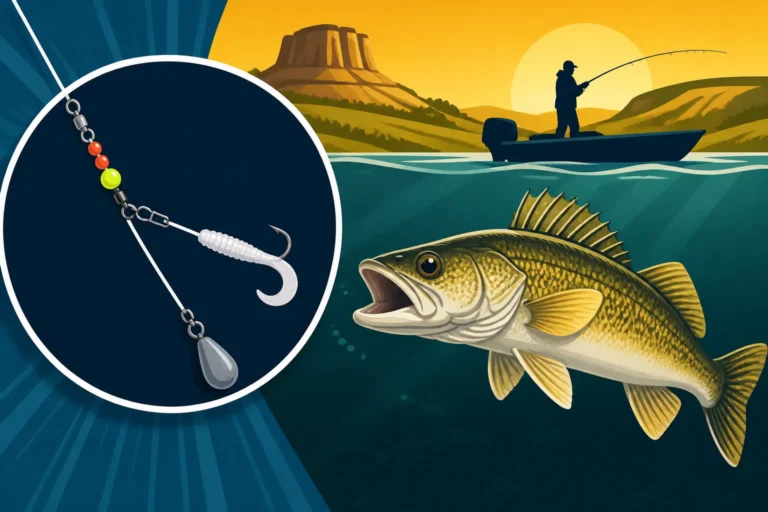
Jigs are your best friend here. A 1/8 to 1/4 ounce jig head, in colors like chartreuse, white, or orange, tipped with a live minnow or a soft plastic swimbait, is a deadly combination. You cast it out, let it sink to the bottom, and then retrieve it with a series of small hops and pauses, mimicking a wounded baitfish. Another highly effective and simple method is a classic slip-bobber rig. This involves a hook (size 4 or 6), a split shot weight, and a slip bobber that allows you to present a minnow or nightcrawler at a precise depth above the bottom. This is particularly effective when walleye are suspended or holding to structure in lakes like Devils Lake or Lake Sakakawea. Keep a few pre-tied rigs in your tackle box for quick changes on the water. For more in-depth techniques, check out our North Dakota Walleye Fishing Techniques guide.
Northern Pike Power: Battling the Aggressive Ones
Northern pike are aggressive predators, often willing to strike at a variety of lures, which makes them incredibly fun for beginners. Their sharp teeth, however, require a bit of special consideration when it comes to your tackle. You don't want to lose your lure (or a fish!) to a toothy cut.
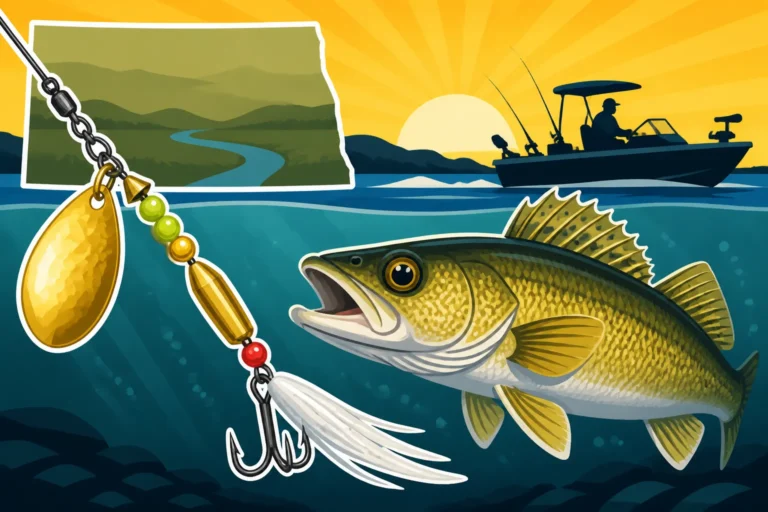
The most important addition for pike fishing is a steel leader. This short length of wire leader, typically 6-12 inches, ties between your main line and your lure, preventing pike from biting through your line. It's a non-negotiable item for pike. As for lures, large spoons (like Daredevils or Five of Diamonds) in bright colors (red/white, silver, gold) are classic pike attractors. They cast well, have an enticing wobble, and are relatively snag-resistant. Spinnerbaits with their flashy blades are another excellent choice, especially when fishing around weeds where pike love to ambush prey. A 3/8 to 1/2 ounce size is a good starting point. You can find a good selection of these at most outdoor stores, including online at Bass Pro Shops. To learn more about targeting these aggressive fish, see our North Dakota Northern Pike Fishing Guide.
Perch and Panfish Perfection: Fun for Everyone
Perch, crappie, and bluegill are abundant in North Dakota and offer fantastic action, especially for beginners and families. They're often less finicky than walleye or pike and can provide consistent bites, which is wonderful for building confidence.
For panfish, think small and simple. A very light action rod and reel combo can enhance the experience, but your medium-light walleye combo will work just fine. Small jigs (1/16 to 1/32 ounce) tipped with a tiny piece of live bait like a wax worm, a small minnow, or even a piece of corn, are incredibly effective. Suspending these under a small bobber (a fixed bobber works great here) is a relaxing and highly productive method. Small soft plastic grubs or tubes, only 1-2 inches long, can also be rigged on these tiny jigs. The key is to use small hooks (size 8 or 10) that fit easily into their smaller mouths. These fish often school, so once you find one, you're likely to find more! Consider picking up some small specialized jigs designed for panfish, which are widely available and very affordable. If you're looking for more tips on catching these plentiful fish, check out our North Dakota Yellow Perch Fishing Guide.
Beyond the Lures: Crucial Accessories for New Anglers
Fishing isn't just about the rod, reel, and lures. There are several other items that, while not directly involved in catching a fish, are absolutely essential for a safe, comfortable, and successful outing. These are the unsung heroes of your tackle box, making your time on the water much more enjoyable and helping you be a responsible angler.
Safety First: Essentials You Can't Skip
Safety should always be your top priority, especially when exploring new fishing spots. Even a quick trip to a local pond requires some basic precautions. Always carry a small first-aid kit; minor cuts from hooks or abrasions happen, and being prepared means you can quickly deal with them and continue fishing. A good pair of needle-nose pliers or a dedicated hook-removal tool is also vital. This protects both you and the fish, allowing for safe and easy hook extraction. Nobody wants to try to wrestle a treble hook out of a fish's mouth with their bare fingers, let alone out of their own!
If you're fishing from a boat, kayak, or even a canoe, a properly fitted life jacket is non-negotiable. Even on calm days, accidents can happen, and a life jacket is your best defense. You don't have to spend a fortune; there are comfortable and affordable options available. Sunscreen, a hat, and polarized sunglasses are also crucial for protecting yourself from the elements. North Dakota sun can be intense, even on cloudy days, and polarized sunglasses not only protect your eyes but also help you see into the water, potentially spotting structure or even fish. Having these safety items means you're not just ready to fish, you're ready to fish responsibly and safely. Consider compiling a Complete Beginner Gear List for North Dakota Fishing to ensure you have everything covered.
Comfort and Convenience: Making Your Day Better
While not strictly "tackle," certain comfort and convenience items can drastically improve your fishing experience, especially for beginners who might be spending extended periods outdoors. Think about bringing a comfortable, portable chair if you plan on shore fishing – those long waits can be tough on the back! A small cooler filled with water and snacks is also a game-changer; staying hydrated and fueled will keep your spirits up, especially on a long day.
Another often-overlooked item is a reliable pair of line clippers or small scissors. Trying to bite through fishing line is not only ineffective but also bad for your teeth. A good pair of clippers makes tying knots and changing lures much quicker and less frustrating. You'll also want a small towel to wipe your hands, especially after handling fish or bait. These little touches might seem minor, but they contribute significantly to a more enjoyable and less stressful fishing trip. Being comfortable and having the right tools for small tasks means you can focus more on the fishing itself.
Fish Handling and Care: Being a Responsible Angler
As new anglers, it's important to learn how to properly handle fish, whether you plan to keep them for dinner or release them. This ensures both your safety and the health of the fish. A landing net is an excellent tool for beginners. It helps you safely land fish, especially larger pike or walleye, reducing the chance of losing them at the last moment or injuring yourself on hooks. Look for nets with a rubberized or knotless mesh, as this is gentler on a fish's slime coat and fins, minimizing damage if you intend to release it.
If you plan to keep your catch, a stringer or a cooler with ice is essential to keep the fish fresh. Never let fish sit on the bank in the sun; it spoils quickly and is disrespectful to the resource. Learning how to properly unhook and release a fish with minimal stress is a skill every angler should develop. This includes handling them gently, supporting their body weight, and getting them back into the water as quickly as possible. Being prepared with the right tools for fish handling demonstrates respect for North Dakota's fisheries and ensures the sustainability of our angling opportunities. For details on regulations and limits, always consult the North Dakota Fishing Regulations Explained before you go.
Where to Get Your Beginner Tackle and How to Keep It Organized
So you've got a better idea of what you need. Now, where do you go to get it all, and once you have it, how do you keep it from turning into a tangled mess?
Shopping Smart for Your First Setup
When you're just starting, it's easy to get sucked into buying too much or spending too much money. Resist the urge to buy every shiny lure you see! Focus on the essentials we've discussed. Many major outdoor retailers, like Bass Pro Shops, offer excellent beginner combos that include a rod, reel, and sometimes even a small starter kit of tackle. These are often great value and take the guesswork out of matching components. Don't be afraid to ask for advice from the staff; they're usually happy to help new anglers get set up.
Online marketplaces such as Amazon also provide a vast selection, often with customer reviews that can help guide your choices. Just be mindful of what you're buying; stick to well-known brands or highly-rated products for your first purchases. Check local bait and tackle shops too! These smaller, independent stores are invaluable resources, offering localized advice on what's biting and what tackle works best for the specific lakes and rivers in their area. They often carry more specialized items that you might not find elsewhere, and supporting them helps keep local knowledge alive.
Keeping Your Gear Ready: Simple Organization Tips
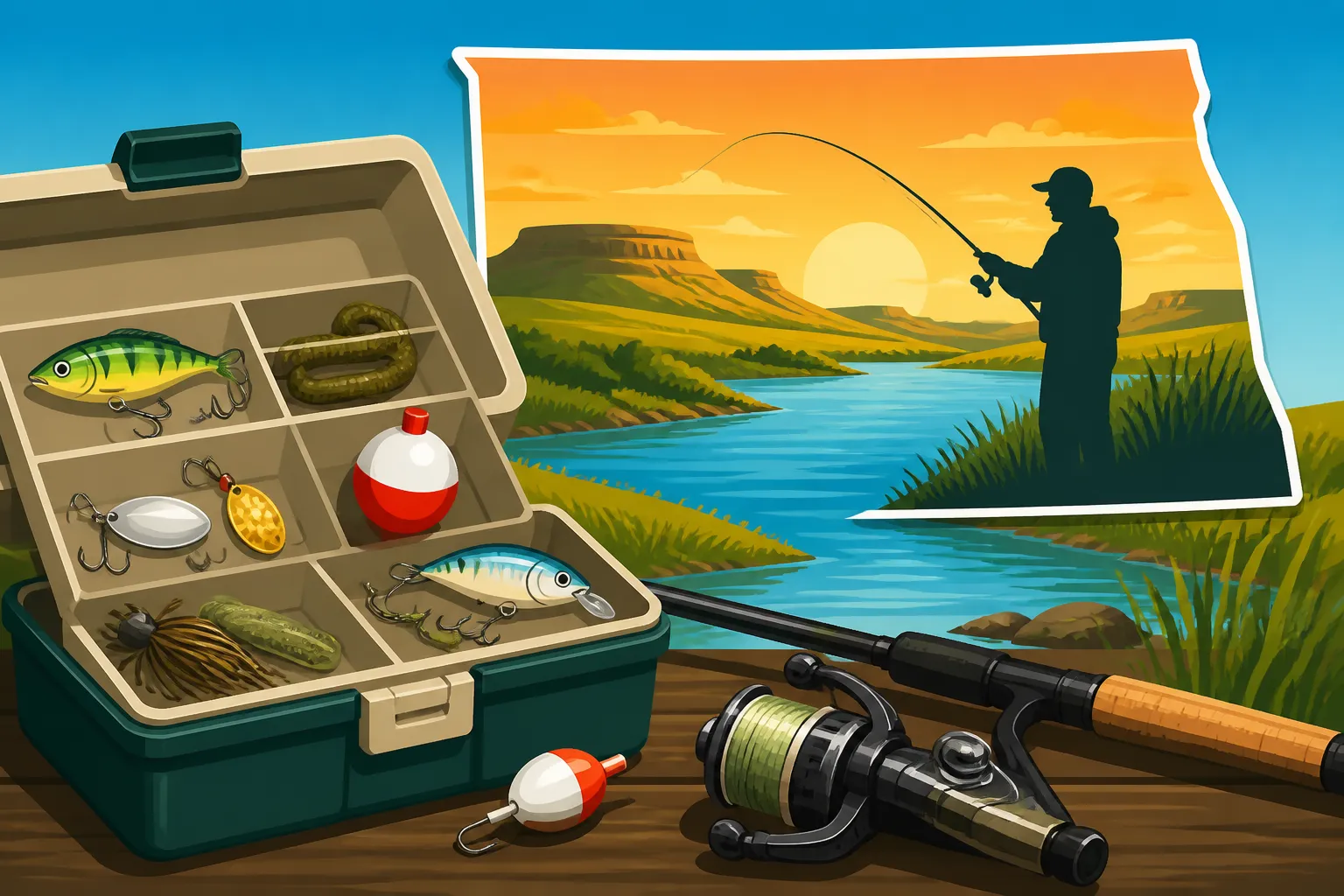
Once you've amassed your initial collection of tackle, keeping it organized is key to an enjoyable fishing experience. There's nothing worse than fumbling through a disorganized mess when the fish are biting! A small, inexpensive tackle box with adjustable compartments is perfect for a beginner. Use these compartments to separate your jigs, hooks, weights, and lures. This prevents hooks from tangling and makes it easy to find what you need quickly.
Consider using small, clear plastic utility boxes for different categories of terminal tackle, like one for hooks, one for swivels, and one for weights. This keeps things tidy and visible. When you get home from a trip, take a few minutes to clean any muddy or wet items, dry them thoroughly, and put them back in their designated spots. This simple habit will extend the life of your gear and ensure everything is ready for your next adventure. A well-organized tackle box is a sign of a prepared angler, and it will save you a lot of frustration in the long run.
Disclaimer
This article is for general informational purposes only and does not constitute professional advice. Laws, prices and regulations vary by location and change over time. Consult a qualified professional for guidance on your specific situation.