Best Bottom Bouncer Rig for Walleye
There's nothing quite as frustrating as feeling that subtle tap on your line when walleye fishing, only to set the hook and come up empty, or worse, to spend all day dragging your bait through weeds or snagging on rocks. Walleye are notorious for their light bites and often hang out in tricky, structure-laden areas. This comprehensive guide is here to walk you through everything you need to know about setting up and using the best bottom bouncer rig to consistently put more North Dakota walleye in your boat, helping you conquer those tough fishing conditions.
Understanding Bottom Bouncers: Why They're a Walleye Angler's Best Friend
When you're out on the water, especially on big, expansive lakes like Lake Sakakawea or the complex structure of Devils Lake, you need a presentation that can get your bait right into the walleye's strike zone and keep it there without constant snagging. That's precisely where the bottom bouncer rig shines, offering a distinct advantage over many other techniques. It's designed to be in direct contact with the bottom, translating every bump, grind, and subtle bite directly to your rod tip.
What Exactly is a Bottom Bouncer and How Does It Work?
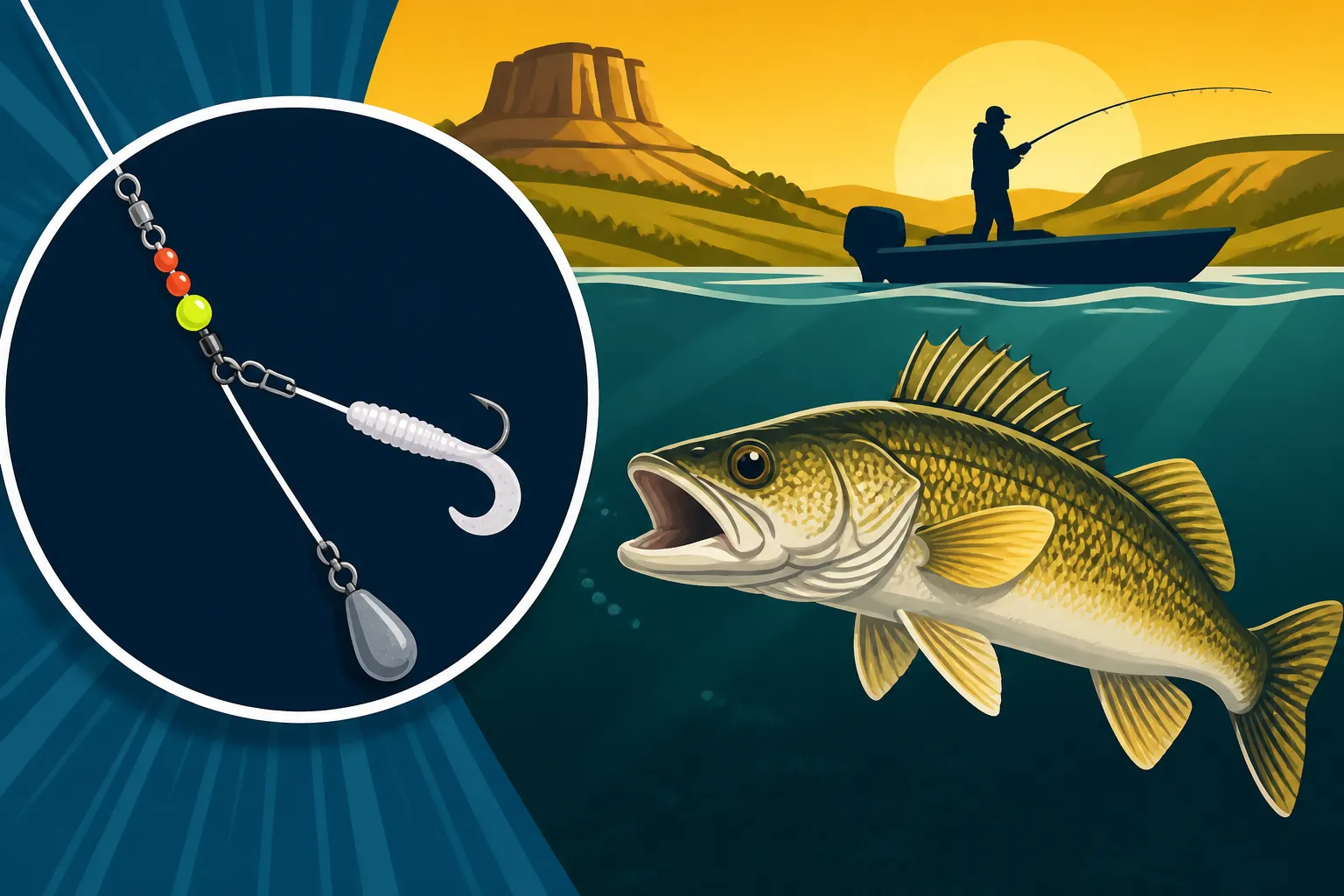
At its core, a bottom bouncer is a lead weight molded onto a stiff wire arm, usually bent at an angle, with a swivel at the top for your main line and another wire arm extending out with a snap swivel for attaching your leader and lure. The genius of its design lies in its "L" shape. The heavy part of the lead weight drags along the bottom, while the wire arm keeps your leader and bait elevated just above the lakebed. This simple yet effective design minimizes snags by preventing your actual lure from digging into debris or getting hung up on rocks and timber, which is a common headache when fishing for walleye that often relate tightly to structure. It's a fantastic way to present a bait without constantly losing gear.
Think of it like a feeler-gauge for the bottom. The heavy lead head bounces and scrapes along, giving you a continuous read on the contours and composition of the lakebed. This feedback is crucial, as walleye are often found relating to specific changes in bottom content or structure, such as transition lines from soft mud to hard gravel, or along the edges of submerged humps and points. You'll literally feel your way to the fish.
When and Where to Use Bottom Bouncers in North Dakota
Bottom bouncers are incredibly versatile and can be effective throughout the open-water season in North Dakota, particularly when walleye are spread out or relating to bottom structure in depths ranging from 10 to 40 feet or more. They excel in situations where you need to cover water efficiently and maintain consistent depth.
Consider using them:
- Over Hard-Bottomed Structures: On spots like rock reefs, gravel bars, or even subtle hard-bottom breaks on Lake Sakakawea Walleye Fishing Spots or Devils Lake Walleye Fishing Spots. The bottom bouncer can crawl over these without getting stuck, presenting your bait perfectly.
- Along Breaklines and Drop-offs: Walleye frequently patrol these depth transitions. A bottom bouncer allows you to follow these contours accurately, keeping your bait in the strike zone. This is especially true on the sprawling Missouri River system or deeper pockets of Lake Oahe.
- In Current: While North Dakota might not have raging whitewater, stretches of the Missouri River and even subtle currents in larger lakes can push lighter presentations around. The weight of a bottom bouncer helps keep your bait down and stable, making it a go-to for Missouri River Fishing Below Garrison Dam in North Dakota or any area with noticeable flow.
- When Covering Water: Trolling or drifting with bottom bouncers is an excellent strategy when you're trying to locate schools of walleye in a new area or when they're scattered. It's a search tool that also catches fish. You can motor along at a slow pace, letting the bouncer do the work of keeping your bait at the right depth. Summer Walleye Trolling Techniques often involve bottom bouncers for this very reason.
- Post-Spawn and Early Summer: After the spawn, walleye often disperse and start feeding aggressively. Bottom bouncers are highly effective during this period, especially as fish transition to deeper summer patterns.
On Lake Sakakawea, for instance, you'll find bottom bouncers indispensable when targeting fish holding on humps and points in the main lake basin. Over on Devils Lake, where flooded timber and rocky reefs are common, the snag-reducing design of a bottom bouncer is a godsend, allowing you to get your bait into those fishy zones without constant re-tying. Even smaller, clearer lakes in the central part of the state can benefit from this presentation when walleye are holding tight to defined structure.
Key Components of an Effective Walleye Bottom Bouncer Rig
Getting the most out of your bottom bouncer means understanding the individual elements that make up the complete rig. Each piece plays a crucial role in how your bait is presented and how well you can detect those often-finicky walleye bites. It's not just about the bouncer itself; it's about the entire system working together.
Choosing the Right Bottom Bouncer Weight and Style
This is perhaps the most critical decision when setting up your rig, as the weight directly impacts how well you maintain bottom contact and feel the bite. The general rule of thumb is to use the lightest weight possible that still allows you to consistently feel the bottom at your desired speed and depth.
-
Weight: Common bottom bouncer weights range from ½ ounce all the way up to 3 ounces or even more for extremely deep water or strong current.
- Light weights (½ oz – 1 oz): Ideal for shallower depths (under 15 feet), slower speeds, or when walleye are finicky and a subtle presentation is key. Think calm mornings on smaller lakes.
- Medium weights (1.5 oz – 2 oz): Your workhorse weights for most North Dakota walleye scenarios, especially in 15-30 feet of water on lakes like Sakakawea or Devils Lake. These provide a good balance of feel and stability for standard trolling or drifting speeds.
- Heavy weights (2.5 oz – 3 oz+): Essential for deeper water (30+ feet), faster trolling speeds, or when dealing with strong currents like those found in the Missouri River below Garrison Dam. They ensure your bait stays down where the fish are.
-
Style: While most bottom bouncers share the "L" shape, there are variations. Some have a fixed wire arm, while others have a sliding weight on a bent wire. The fixed-arm style is most common and generally preferred for its simplicity and direct feel. Some might have a molded lead "keel" to prevent line twist, which is a nice feature for long days of trolling.
You'll find a wide array of options at local bait shops across North Dakota, and online retailers like Bass Pro Shops or Amazon also carry a vast selection, making it easy to experiment with different weights and designs.
Selecting the Perfect Leader Material and Length
The leader connects your bottom bouncer to your actual lure or bait. It's a critical link that needs to be chosen wisely.
-
Material:
- Fluorocarbon: This is often the top choice for walleye leaders. It's nearly invisible underwater, extremely abrasion-resistant (great for rocky bottoms!), and has very little stretch, which enhances bite detection. It's a fantastic choice for North Dakota's diverse fisheries.
- Monofilament: A good, more affordable alternative. It has more stretch than fluorocarbon, which can act as a shock absorber if a large fish strikes hard, but it's less sensitive and more visible. Good quality mono leaders are still effective, especially in stained water.
- Braided Line: Generally not recommended for leaders in clear water due to its visibility. However, some anglers might use a short section for extreme durability if fishing in exceptionally snaggy areas, but it's rare for walleye.
-
Length: This is where things get interesting and depend heavily on conditions.
- Short leaders (18-24 inches): Use these when walleye are tightly pinned to the bottom or when fishing in heavy current. A shorter leader keeps your bait closer to the bottom bouncer, reducing snags and maintaining a more precise depth.
- Medium leaders (3-5 feet): This is the most common and versatile length. It provides a natural presentation, allowing your bait to swim enticingly just above the bottom bouncer, which itself is bouncing along the lakebed. This is a great starting point for most situations on lakes like Audubon or Jamestown Reservoir.
- Long leaders (6-8 feet+): When walleye are suspended slightly higher off the bottom, or in very clear water where fish are easily spooked, a longer leader can be advantageous. It gives your bait a more natural, unencumbered swim. Just be aware that longer leaders can be more prone to tangles, especially if you're pulling multiple lines.
A good rule of thumb is to start with a medium leader (around 4 feet) and adjust shorter or longer based on how the fish are reacting and the amount of snags you're encountering. You'll definitely want to check out Best Fishing Line for North Dakota Lakes for more detailed information on different line types.
Hook and Bait Combinations for Success
The beauty of a bottom bouncer rig is its adaptability to various baits. Walleye are opportunistic feeders, and having a few options in your tackle box is always a good idea.
- Live Bait Rigs (Spinners & Plain Hooks): This is the classic and often most effective setup.
- Spinner Rigs (Walleye Spinners): These typically consist of a colored blade, beads, and one or two hooks. The blade creates flash and vibration, attracting walleye from a distance. Tipping the hooks with live bait (minnows, nightcrawlers, leeches) is key. The combination of flash, vibration, and natural scent/action is hard for walleye to resist. Best Live Bait for North Dakota Walleye goes into more detail.
- Plain Hook Rigs (Crawler Harnesses/Snelled Hooks): Sometimes a more subtle presentation is needed. A simple snelled hook with a minnow or a half nightcrawler can be deadly, especially when fish are less aggressive. This allows the natural action of the bait to be the primary attraction.
- Soft Plastics and Artificial Baits: While live bait is king, soft plastics are gaining popularity due to their durability and convenience.
- Paddle-tail Swimbaits: Rigged on a jig head or a plain hook, these can mimic baitfish and offer excellent vibration when trolled slowly behind a bouncer.
- Grubs/Twister Tails: Simple and effective, these provide a subtle wiggling action. They can be particularly good when walleye are feeding on smaller forage.
- Artificial Worms/Leeches: Companies like Berkley (PowerBait) offer scented soft plastics that imitate live bait. These can be especially useful when you're running low on live bait or want a more durable option that won't get picked off easily.
- Other Options:
- Small Crankbaits: While less common directly behind a bottom bouncer, some anglers will use smaller, shallow-diving crankbaits on a short leader to get them down to depth without heavy weight on the bait itself.
The key is to match your bait to the forage present in the lake and the mood of the fish. Always carry a variety!
Setting Up Your Bottom Bouncer Rig for North Dakota Walleye
Now that you understand the components, let's talk about putting it all together and effectively fishing your bottom bouncer rig. Getting the setup right is half the battle; the other half is learning to "read" the bottom and the bites.
Step-by-Step Rigging Guide
Putting together a bottom bouncer rig is straightforward, but attention to detail makes all the difference.
- Attach Main Line to Bottom Bouncer: Your main line (usually braided or monofilament from your reel) ties directly to the top swivel of the bottom bouncer. Use a strong, reliable knot like a Palomar knot or an improved clinch knot. Ensure the knot is cinched down properly and trim any excess tag end.
- Select Your Leader: Choose your leader material (fluorocarbon is highly recommended) and desired length (start with 4-5 feet).
- Tie on Your Lure/Hook: At one end of your leader, tie on your spinner rig, plain hook, or jig. Again, use a strong knot. For spinner rigs, ensure the blade spins freely.
- Attach Leader to Bottom Bouncer: Take the other end of your leader and attach it to the snap swivel on the bottom arm of the bottom bouncer. Many anglers prefer a sturdy snap swivel to make changing out leaders and baits quick and easy. This allows you to rapidly adapt to different conditions or try different colors and styles without retying your main line.
- Add Bait (if using live): If you're using live bait, carefully thread your minnow, nightcrawler, or leech onto the hooks. For nightcrawlers on a spinner rig, you might "thread" part of it onto the leader or just hook it once through the head, allowing it to trail naturally. Minnows are usually hooked lightly through the lips or dorsal fin.
Before sending it down, do a quick check to make sure everything is straight, knots are tight, and your chosen bait has good action. A tangled leader or a blade that doesn't spin will drastically reduce your chances.
Optimizing Your Presentation: Speed, Depth, and Feel
Once your rig is in the water, it's all about finding that sweet spot.
- Speed is Key: The optimal speed for bottom bouncing typically ranges from 0.8 to 1.5 mph. This allows the bouncer to "bounce" rather than just drag, and it gives spinner blades enough speed to rotate properly. Experimentation is crucial; sometimes a slight speed increase or decrease can trigger bites. For example, walleye on Lake Sakakawea Chinook Salmon Fishing might be found deeper and prefer a slightly faster troll with similar gear.
- Maintaining Bottom Contact (The 45-Degree Rule): A good rule of thumb is to keep your line entering the water at roughly a 45-degree angle. If your line is too vertical, your bouncer might be dragging, kicking up too much mud, or not allowing your leader enough room to present naturally. If it's too horizontal, your bouncer might not be consistently hitting the bottom, especially in deeper water. Adjust your weight, speed, or amount of line out to achieve this angle. This helps you feel the bottom bumps and drops.
- Feeling the Bite: Walleye bites on a bottom bouncer can range from a subtle "tick" to a heavy "thump." Often, it's a feeling of suddenly increased weight or resistance, as if you've snagged a weed, only the "weed" starts pulling back. Don't set the hook instantly on every bump. Sometimes a walleye will mouth the bait for a second before fully committing. When you feel a distinct pull or steady weight, drop your rod tip back slightly for a second to let the fish take the bait, then sweep-set the hook with a firm, steady motion. North Dakota Walleye Fishing Techniques often highlights this patient approach.
Troubleshooting Common Bottom Bouncer Challenges
Even the best rigs can run into issues. Being prepared can save your day on the water.
- Frequent Snags:
- Too heavy a bouncer for the speed/depth: Try a lighter weight.
- Too slow a speed: Increase your trolling or drifting speed.
- Leader too long: Shorten your leader.
- Dragging too much line: Reel in some line to get closer to the 45-degree angle.
- Fishing too rough a bottom: Sometimes you just need to move to a slightly less snaggy area, or switch to a more vertical jigging presentation.
- Not Feeling the Bottom:
- Too light a bouncer: Increase weight.
- Too fast a speed: Slow down.
- Not enough line out: Let more line out.
- Wind/current: Use a heavier bouncer to compensate for external forces.
- Missed Bites:
- Setting the hook too early: Give the fish a moment to take the bait. The "drop back" method can help.
- Dull hooks: Check your hooks regularly and sharpen or replace them.
- Wrong bait size: Sometimes walleye are keying in on very specific bait sizes.
- Fish are finicky: Try shortening your leader, changing bait color, or slowing down.
- Line Twist:
- Not using quality swivels: Ensure your leader's snap swivel is high quality.
- Spinner blade not spinning freely: Check for debris or damage.
- Back-trolling too often in current: If using a motor, try to move forward slightly to untwist the line occasionally.
A quick table can help you visualize common bouncer weights and their uses:
| Bottom Bouncer Weight | Ideal Depth Range (approx.) | Recommended Speed (approx.) | Typical Conditions | Benefits |
|---|---|---|---|---|
| 0.5 – 1 oz | 5 – 15 feet | 0.5 – 1.0 mph | Shallow, calm water; finicky fish; subtle presentation | Subtle feel, less disturbance, good for wary walleye |
| 1.5 – 2 oz | 15 – 30 feet | 0.8 – 1.5 mph | Most common; moderate depth, light to moderate current | Versatile, good feel, standard for many North Dakota lakes |
| 2.5 – 3 oz+ | 30+ feet | 1.0 – 2.0 mph | Deep water; strong current (e.g., Missouri River); fast troll | Maintains bottom contact, cuts current, good for aggressive searching |
Gear Considerations Beyond the Rig Itself
While the bottom bouncer rig is the star, the rest of your setup plays a supporting role that's vital for success. The right rod, reel, and other accessories can significantly enhance your ability to detect bites and effectively fight fish.
Rods, Reels, and Line for Bottom Bouncer Success
Your choice of rod, reel, and main line completes the system, translating the subtle actions of the bouncer and the fish directly to your hands.
- Rods:
- Length: A rod between 6'6" and 7'6" is generally ideal. This length provides enough leverage for casting and fighting fish, while also being manageable in the boat. For dedicated trolling with multiple rods in holders, longer rods up to 8'6" or 9' can help spread lines out and provide more cushion.
- Action: A moderate-fast to fast action is preferred. This means the tip is sensitive enough to feel the bottom and subtle bites, but the rod transitions quickly to a strong backbone for powerful hooksets and fighting bigger fish.
- Power: Medium to medium-heavy power is usually perfect for walleye bottom bouncing. This gives you the strength to handle the weight of the bouncer, battle respectable walleye, and quickly pull snags free if necessary (though trying to free snags too aggressively can snap your rod!). For specific advice, check out Best Fishing Rods for North Dakota Anglers.
- Reels:
- Spinning Reels: These are very popular for their ease of use, especially for those who prefer to hold the rod. A 2500 or 3000 series spinning reel with a smooth drag system is an excellent choice. They allow for easy casting and retrieve, and the open face makes managing line simple.
- Baitcasting Reels: For more experienced anglers, a low-profile baitcasting reel can offer more control and power, particularly when trolling heavier bouncers or wanting precise line management. They offer a more direct feel and less line twist.
- Main Line:
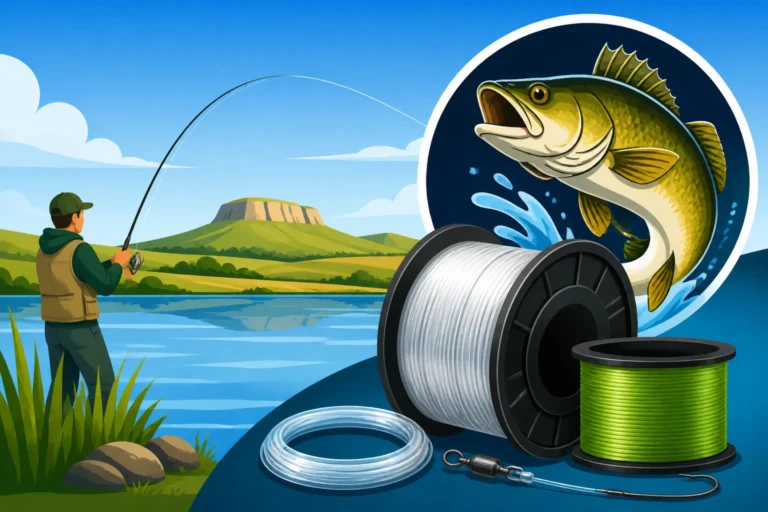
- Braided Line: This is arguably the best choice for your main line when bottom bouncing. Its lack of stretch provides superior sensitivity, allowing you to feel every rock, weed, and, most importantly, every walleye bite. It also has incredible strength for its diameter, which is a bonus when trying to retrieve snagged gear (though you'll still lose some!). A 10-20 lb test braided line is a common choice.
- Monofilament: While not as sensitive as braid, 10-14 lb test monofilament can still be used. It has more stretch, which can cushion hard strikes, but you'll sacrifice some of that crucial bottom and bite feedback. It's also more buoyant, which means it won't sink as fast, potentially affecting your angle to the bottom.
Essential Accessories for Bottom Bouncer Fishing
Beyond the rod and reel, a few key accessories can make your bottom bouncing experience much smoother and more productive.
- Rod Holders: When trolling with multiple lines, sturdy rod holders are absolutely essential. They keep your rods secure and positioned correctly, allowing you to cover more water and manage other tasks. Look for models that can securely hold your rod and pivot to adjust angles.
- Tackle Management: Having an organized system for your bottom bouncers, leaders, and baits is crucial. A dedicated tackle box or clear plastic containers for your bouncers, and leader wallets or spool organizers for pre-tied leaders, will save you a lot of frustration on the water. Brands like Plano and Flambeau offer great solutions. Many anglers find themselves grabbing tackle online from Amazon for specific organizational items.
- Line Counter Reel: If you're serious about trolling specific depths and repeating successful patterns, a line counter reel (either baitcasting or specialized trolling reels) is an invaluable tool. It tells you exactly how much line you have out, making it easier to replicate presentations when you find the fish.
- GPS and Sonar/Fish Finder: These tools are not just for finding fish; they're critical for understanding the bottom contours that bottom bouncers are designed to exploit. A good GPS will help you mark waypoints where you catch fish and follow specific breaklines. Sonar will show you the depth, bottom composition, and often, the fish themselves. Having a good fish finder is a game-changer on big water bodies like Lake Sakakawea. For more on this, check out Best Fish Finders for North Dakota Lakes.
- Net: A good, wide-mouthed landing net is a must for walleye. They can be feisty at the boat, and a proper net prevents lost fish and keeps hooks away from your hands.
- Pliers/Hook Remover: Walleye have sharp teeth! A good pair of long-nosed pliers or a dedicated hook remover is essential for safely extracting hooks without damaging the fish or your fingers.
By thoughtfully selecting and integrating these components, you'll be well-equipped to tackle North Dakota's walleye waters with confidence and increase your chances of a successful day.
Disclaimer
This article is for general informational purposes only and does not constitute professional advice. Laws, prices and regulations vary by location and change over time. Consult a qualified professional for guidance on your specific situation.