Best Cooler for Keeping Fish on Ice All Day
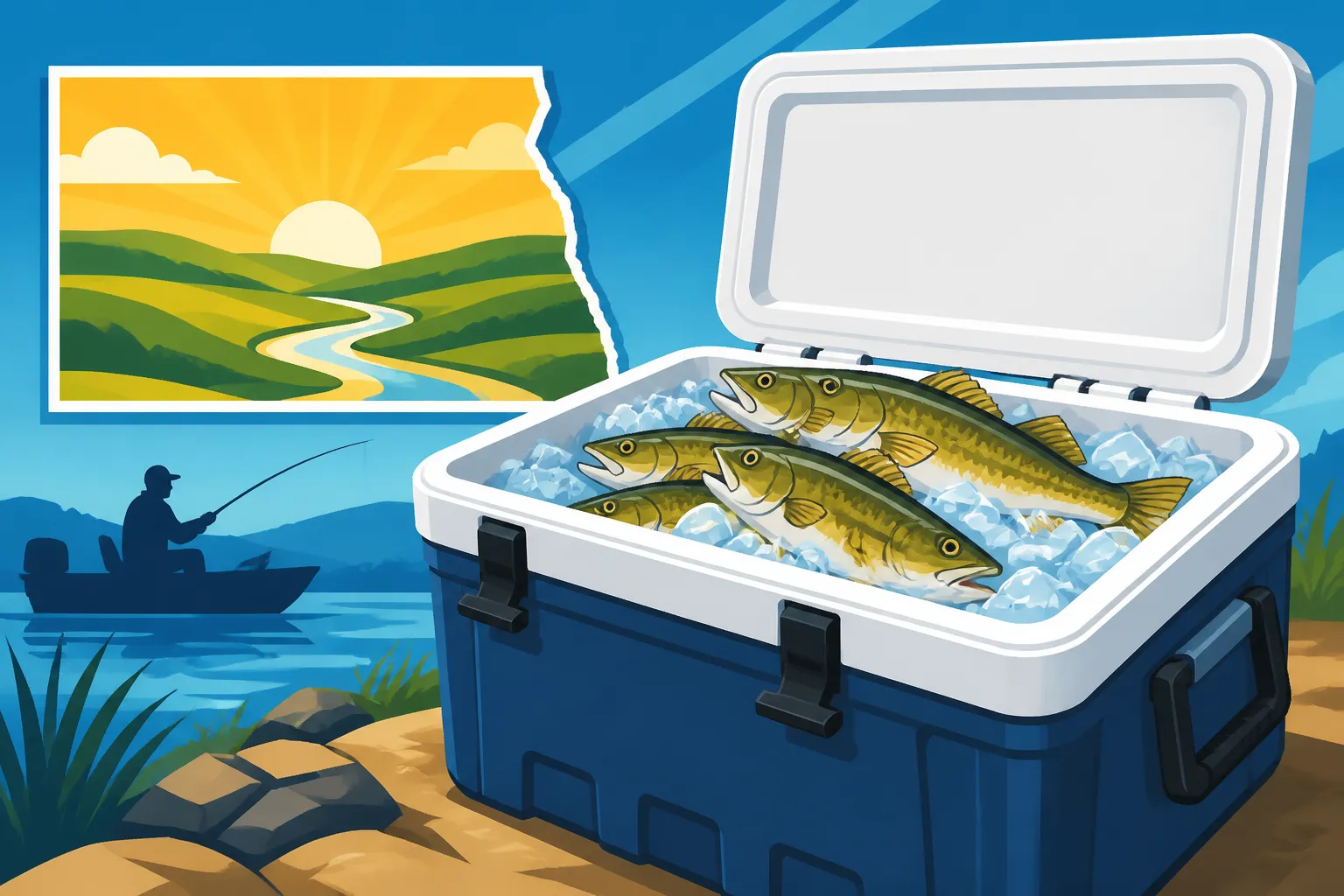
There’s nothing quite like the thrill of reeling in a beautiful walleye from Lake Sakakawea or battling a monstrous channel cat on the Red River. You’ve put in the time, mastered your technique, and finally landed that trophy catch. But then, the nagging worry sets in: how are you going to keep it fresh, firm, and tasting its best on the long drive home? Losing a prize catch to inadequate cooling is a frustration every angler knows all too well, especially with North Dakota's unpredictable weather. This guide is here to ensure that your hard-earned fish stays perfectly preserved, from the moment it leaves the water until it's ready for your dinner table, by helping you choose the best cooler for keeping fish on ice all day.
Why a Reliable Cooler is Absolutely Essential for North Dakota Anglers
Let's face it, fishing in North Dakota means dealing with a diverse range of conditions. From sweltering summer days when the sun beats down relentlessly on open water to crisp autumn afternoons where the air might be cool but a cooler still needs to perform, your gear has to be up to the task. A flimsy cooler simply won't cut it when you're trying to protect your catch from spoiling, and trust me, there's nothing more disheartening than opening a cooler after a long day to find your fish haven't held up.
The Battle Against North Dakota's Variable Climate
Imagine a typical North Dakota summer day. You're out on Lake Sakakawea Fishing Guide for North Dakota Anglers, the sun is high, and the air temperature is pushing into the 90s. The water might feel refreshing, but the heat inside your boat or truck can quickly turn a prime catch into a less-than-prime one. Even a spring day after North Dakota Ice Out Fishing Guide can bring unexpected warmth. You might be targeting walleye in the morning when it's still cool, but by midday, that sun is intense. Without a cooler that can truly lock in the cold, your ice will melt into a lukewarm puddle, and the quality of your fish will rapidly degrade. It's not just about comfort; it's about food safety and preserving the integrity of that delicious fillet.
Think about those longer trips, too. Many of us drive a couple of hours to get to prime spots like Devils Lake or the Missouri River. If you've got a fantastic haul, you might spend another hour or two cleaning fish before heading home. That's a significant amount of time your fish needs to stay cold. A cheap cooler might advertise "X days of ice retention," but often that's in perfect, climate-controlled conditions, not baking in the back of your pickup on a dusty gravel road. The reality of North Dakota fishing demands a cooler that's built for extremes and prolonged performance.
Protecting Your Catch and Your Investment
Every angler knows the effort that goes into a successful fishing trip. From planning and packing to hours of casting and patiently waiting, it's a labor of love. When you finally land a beautiful northern pike or a stringer full of yellow perch, that's the culmination of your hard work. Why would you risk all that effort by cutting corners on your cooler? Your fish isn't just a meal; it's a testament to a great day on the water, and you want to ensure it tastes as good as the memory.
Beyond the emotional investment, there's the practical side. Fresh fish is valuable. Whether you plan to eat it tonight, freeze it for later, or even share it with friends and family, its quality directly relates to how well it was handled immediately after the catch. A firm, cold fillet is a joy to work with, while a soft, warm one is a chore and a disappointment. Investing in a top-notch cooler is an investment in the quality of your harvest and the enjoyment of your food. It means your North Dakota Walleye Fishing Guide adventures truly pay off from start to finish.
Key Features to Look for in a Fish Cooler
Alright, so we've established why you need a good cooler. Now, let's dive into what makes a cooler truly stand out for keeping fish on ice all day, specifically with North Dakota's unique fishing challenges in mind. This isn't just about throwing some ice in a plastic box; it's about understanding the engineering and practicalities that make a real difference.
Superior Insulation and Construction
At the heart of any great cooler is its insulation. This is the single most important factor determining how long your ice will last.
- Rotomolded Construction: This is the gold standard for high-performance coolers. Rotomolding is a manufacturing process where plastic is rotationally molded into a seamless, hollow piece. This creates extremely thick, uniform walls with no weak points or seams that could leak cold air. The result is a bombproof cooler that can withstand years of abuse, keep ice for days, and shrug off impacts from bouncing around in a boat or truck bed. Many premium brands, readily available on
Amazonor atBass Pro Shops, utilize this construction method, and it's well worth the investment. - Pressure-Injected Insulation: Within those thick walls, manufacturers inject high-density foam insulation. The quality and density of this foam directly impact ice retention. Better coolers use more and denser foam, creating a thermal barrier that slows down heat transfer significantly.
- Gasket Seals: Look for a freezer-grade gasket around the lid. This creates an airtight seal, preventing warm air from seeping in and cold air from escaping. Without a good gasket, even the best insulation is compromised. You can often feel the suction when you open a high-quality cooler's lid.
- Heavy-Duty Latches: Latches aren't just for keeping the lid closed; they're crucial for compressing that gasket and maintaining the seal. Durable rubber or T-handle latches are common on premium coolers and are designed to provide a secure closure even after years of use. Cheap plastic latches are often the first thing to break.
Size, Shape, and Portability for Anglers
The perfect cooler for you might not be the perfect cooler for your buddy, and that's okay! It all depends on your fishing style and target species.
- Capacity: How much fish do you typically catch? Are you bringing home a few nice walleyes or filling a limit of perch? A 45-quart cooler might be perfect for a solo day trip for walleye, but if you're targeting big channel catfish on the Red River or a boat full of salmon on Lake Sakakawea, you'll need something much larger, perhaps 75-100 quarts or more. Remember to account for the ice taking up a good chunk of that space.
- Shape: Long, narrow coolers are often preferred by anglers because they can easily accommodate whole fish or longer fillets without bending or cutting them. They also tend to fit better in boat storage compartments or along the gunwales. Squarer, more traditional cooler shapes are versatile but might not be as efficient for certain types of fish.
- Drain Plug: This seems minor, but a good drain plug makes a huge difference. Look for a large, leak-proof drain plug that allows for quick and easy draining of melted ice water without having to tip the whole cooler. Some even offer a garden hose attachment, which is super handy for cleaning.
- Handles and Wheels: If you're often moving your cooler solo, sturdy handles are a must. Rop handles with comfortable grips are popular. For larger coolers, integrated wheels can be a lifesaver, especially when moving a heavy, ice-filled cooler from the truck to the cleaning station. However, wheels can add bulk and weight, so consider your typical transport needs.
Durability and Practicality in the Field
Fishing gear takes a beating, and your cooler should be no exception.
- UV Resistance: Coolers spend a lot of time in the sun. A good cooler will have UV inhibitors in its construction to prevent the plastic from degrading, fading, and becoming brittle over time. This ensures its longevity and maintains its aesthetic appeal.
- Non-Slip Feet: Rubberized feet on the bottom of the cooler prevent it from sliding around on a wet boat deck or in the back of a truck. This is a small detail that can prevent a lot of frustration and potential accidents.
- Easy to Clean Interior: Fish, bait, and melted ice can leave behind odors and grime. A smooth, non-porous interior is easy to wipe down and sanitize, preventing lingering smells and bacterial growth. Look for surfaces that don't stain easily.
- Accessory Options: Some coolers offer integrated features like bottle openers, tie-down slots, or even cutting board lids. While not essential, these can be nice bonuses that add to the overall utility and convenience of your cooler on a long fishing day.
Types of Coolers Suited for North Dakota Fishing
Just like there are different rods for different species or techniques—from a light spinning rod for perch to a heavy-duty baitcaster for catfish—there are different types of coolers, each with their own strengths and weaknesses. Understanding these categories will help you narrow down your choices for your North Dakota adventures.
High-Performance Hard Coolers
When you think "keeping fish on ice all day," this is usually the image that comes to mind. These are the workhorses, designed for maximum ice retention and extreme durability. They are, without a doubt, the best choice for serious North Dakota anglers who prioritize freshness above all else.
- Construction & Insulation: As discussed, these typically feature rotomolded construction with thick, pressure-injected insulation and freezer-grade gasket seals. This robust build is what allows them to hold ice for several days, even in challenging conditions. You could be ice fishing on a brutal winter day and these coolers will keep your bait from freezing, or fishing for North Dakota Chinook Salmon Fishing Guide in August, and they'll keep your catch perfectly chilled.
- Pros: Unmatched ice retention, extreme durability, excellent protection for your catch, often bear-resistant (though that's usually less of a concern for anglers and more for campers, it speaks to their toughness). Brands you might see offering these include YETI, RTIC, Pelican, Orca, and Grizzly, among others. These are often prominently featured and sold through retailers like
Bass Pro Shopsor their equivalents. - Cons: These coolers are heavy, even when empty. When fully loaded with ice and fish, they can be a beast to move, especially the larger sizes. They are also significantly more expensive than standard coolers. Their bulk can also be a factor in smaller boats or vehicles. However, for a multi-day trip or just ensuring the absolute best quality for your trophy catch, the investment is often worth it.
Soft-Sided Coolers and Insulated Bags
Sometimes, you don't need a fortress; you just need something lightweight and convenient for a shorter outing or to supplement your main hard cooler. This is where soft-sided coolers and insulated bags come in.
- Construction & Insulation: These are made from durable fabrics like nylon or canvas, often with a waterproof lining. Insulation is typically closed-cell foam, which is lighter and more flexible than the rigid foam in hard coolers. They often have zippered closures, which, while not as airtight as a gasket, can still be quite effective.
- Pros: Much lighter and more portable than hard coolers. They are flexible, making them easier to store when empty or to fit into awkward spaces in a kayak or smaller boat. They are also generally more affordable. A small soft cooler might be perfect for keeping your lunch and drinks cold while your main hard cooler handles the fish. They're great for quick trips to Best Fishing Lakes Near Bismarck or a few hours of Shore Fishing Techniques for Beginners.
- Cons: Their ice retention is nowhere near that of a high-performance hard cooler. They typically hold ice for a matter of hours, not days. They offer less physical protection for delicate fish or fillets and are more susceptible to punctures or tears. They also don't maintain their shape as well, which can be an issue when trying to organize your catch.
Powered Coolers (Electric/Thermoelectric)
These are less common for dedicated fish storage but are worth a brief mention. They plug into a 12V outlet (like your car's cigarette lighter) or a standard wall outlet.
- Operation: They use a thermoelectric cooling system to lower the internal temperature. They don't have compressors like a refrigerator; instead, they work by drawing heat away from the inside.
- Pros: No need for ice, which means more space for fish. Can be convenient for long drives or if you have a reliable power source.
- Cons: They don't refrigerate in the true sense; they typically cool to a certain number of degrees below the ambient temperature. So, if it's 90 degrees in your vehicle, the inside might only get to 60 degrees, which is not cold enough for safe fish storage. They draw power continuously, which can drain your vehicle's battery. They are also generally less durable and more prone to mechanical failure than passive coolers. For actual fish storage, you're much better off with a well-insulated hard cooler and plenty of ice.
Here's a quick comparison of these cooler types to help you visualize their differences:
| Feature | High-Performance Hard Cooler | Soft-Sided Cooler / Insulated Bag | Powered Cooler (Electric) |
|---|---|---|---|
| Ice Retention | Excellent (days) | Fair (hours) | N/A (requires power, no ice needed) |
| Durability | Extremely High (rotomolded, impact-proof) | Moderate (fabric can tear/puncture) | Moderate (mechanical parts can fail) |
| Portability | Low (heavy, bulky) | High (lightweight, flexible) | Moderate (still needs power source) |
| Cost | High | Low to Moderate | Moderate to High |
| Best Use | Multi-day trips, large hauls, extreme heat | Short trips, lunch, supplemental storage | Road trips for drinks/snacks (not fish) |
| Fish Storage? | YES – Ideal | Limited, only for very short periods | NO – Not recommended for fresh fish |
Best Practices for Maximizing Ice Retention and Fish Freshness
Even with the best cooler on the market, you can still fall short if you don't employ some smart strategies. Think of it like this: having the Best Fishing Rods for North Dakota Anglers is great, but without proper casting technique, you won't maximize its potential. The same goes for your cooler. A few simple steps can dramatically extend your ice life and keep your catch pristine.
Pre-Chilling and Ice Management
This is often overlooked but makes a massive difference. You wouldn't put warm drinks in a cold refrigerator and expect them to chill instantly, right? The same logic applies to your cooler.
- Pre-Chill Your Cooler: The day before your trip, throw a bag of cheap ice or a few frozen water bottles into your cooler and let it sit with the lid closed overnight. This lowers the temperature of the cooler's walls, lining, and air, so your fresh ice doesn't have to work as hard to cool down the cooler itself. Dump that "sacrifice ice" before you load your good ice and fish.
- Use Quality Ice: Not all ice is created equal. Block ice melts much slower than cubed ice because it has less surface area exposed to warmer air. A combination is often ideal: a layer of block ice on the bottom for longevity, then cubed ice to fill in gaps around your fish for maximum contact and faster cooling.
- Add Salt (Carefully): A sprinkle of rock salt (the kind used for ice cream makers) can lower the freezing point of water, making your ice bath even colder. However, be mindful if your fish are unbagged, as direct salt contact might affect the flavor or texture. It's usually best when fish are in protective bags.
Proper Fish Handling and Storage
How you prepare your fish before they go into the cooler is just as important as the cooler itself. This is about preserving quality from the moment of catch.
- Bleed Your Fish: For best taste and appearance, bleed your fish immediately after catching them. A quick cut to the gills or the tail will allow the blood to drain, resulting in whiter, cleaner fillets. Do this over the side of the boat or in a separate bucket, not directly into your cooler if possible.
- Keep it Cold, Keep it Clean: As soon as a fish is bled, get it on ice. The faster its core temperature drops, the better. Many anglers carry dedicated fish bags inside their coolers. These are heavy-duty, insulated bags that hold the fish and ice, keeping the cooler itself cleaner and allowing you to easily drain fish slime and blood without contaminating the main cooler space. This is a fantastic trick for maintaining both freshness and hygiene.
- Layer with Ice: Don't just dump fish on top of ice. Create layers. Start with a bed of ice, then a layer of fish, then more ice, and so on. Ensure every fish is in direct contact with ice. This ensures uniform cooling. For fragile fish like perch, you might even consider a Best Live Bait for Early Season Walleye bucket or a livewell to keep them alive until you're ready to process them, then get them quickly into an ice bath.
Strategic Placement and Usage
Even with a top-tier cooler, how you use it throughout the day matters.
- Keep it Shaded: Whenever possible, keep your cooler out of direct sunlight. The radiant heat from the sun can significantly increase the internal temperature of the cooler, regardless of how good its insulation is. On a boat, place it under a console or beneath a bimini top. In a truck, keep it under a tonneau cover or in the shade of a tree if bank fishing.
- Minimize Opening: Every time you open the lid, warm air rushes in, and cold air escapes. Resist the urge to constantly check your catch. Plan your cooler access: get your drinks out, then re-seal it tightly. The less air exchange, the better.
- Drain Melted Water (Strategically): Some anglers prefer to drain melted ice water to keep the remaining ice colder. Others prefer to let it sit, arguing that ice water is still very cold and helps cool the fish. For short trips, an ice bath is fine. For longer trips where ice retention is paramount, draining some water might be beneficial. However, ensure your fish aren't sitting in dirty, bloody water, which can affect flavor. Using fish bags inside your cooler makes this decision much easier, as you can drain the fish bags while keeping your main cooler's ice pristine.
By following these tips, you'll not only extend the life of your ice but also ensure that your North Dakota fishing experience culminates in the freshest, most delicious fillets possible. For more insights on general fishing preparation, check out our Essential Gear Checklist for North Dakota Fishing to make sure you’re always prepared.
Disclaimer
This article is for general informational purposes only and does not constitute professional advice. Laws, prices and regulations vary by location and change over time. Consult a qualified professional for guidance on your specific situation.