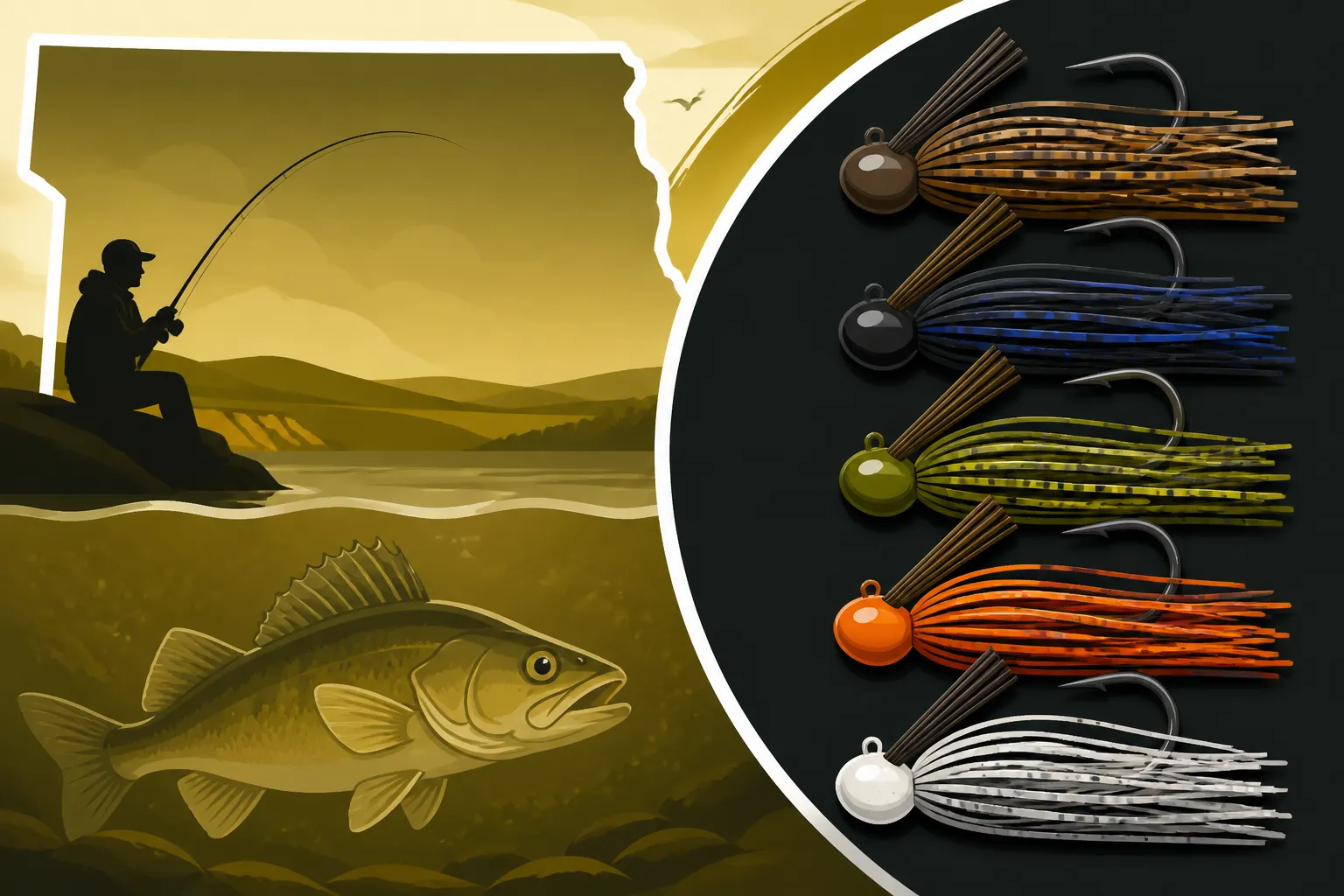
Best Jig Colors for Muddy Water
When North Dakota's waters get muddy, whether it's after a heavy rain, a strong spring thaw, or simply relentless wind churning up the shallows, it can feel like your fishing chances have gone right out the window. That frustrating feeling of casting into what looks like chocolate milk, wondering if any fish could possibly see your lure, is something every angler here has experienced. But don't despair! Choosing the right jig colors for these turbid conditions can make a significant difference, helping you turn a potentially fruitless day into a successful one. This guide will walk you through the best strategies for selecting jig colors that cut through the murk and entice fish in North Dakota's stained waters.
Understanding Why Water Gets Muddy in North Dakota
Before we dive into color specifics, it's really helpful to understand why our North Dakota lakes and rivers get muddy and how that impacts the fish. It's not just "dirty" water; it's a fundamental change in their environment that dictates how they feed and react to lures.
The Impact of Runoff and Wind on Water Clarity
Here in North Dakota, we're no strangers to dynamic weather, and that plays a huge role in water clarity. Picture this: a massive spring rain system rolls through, dumping inches of precipitation. All that water, rushing over fields and roads, carries sediment, silt, and clay directly into our waterways. Think of rivers like the Red River of the North, notorious for its heavy clay bottom, or even smaller feeder creeks emptying into larger systems like Lake Sakakawea Fishing Guide for North Dakota Anglers. This influx of suspended particles drastically reduces visibility.
Similarly, our often-relentless North Dakota winds can turn a clear lake into a muddy mess in a matter of hours. Shallow areas, in particular, get churned up, suspending fine bottom sediments. This is especially true for large, relatively shallow bodies of water. The sheer force of the wind creates waves that dig into the lakebed, stirring up all that settled material. These conditions don't just happen in spring; strong summer storms or even persistent autumn winds can wreak havoc on water clarity, forcing fish to adapt and making anglers scratch their heads.
How Fish See in Low-Light, Murky Conditions
When the water turns murky, fish aren't suddenly blind, but their primary sense of sight is severely hampered. They're like us trying to navigate a dimly lit room with fogged-up glasses – it's tough! Fish rely on a combination of senses, and in low-visibility situations, other senses become much more prominent. Their lateral line, a sensory organ running along their sides, is incredibly sensitive to vibrations and pressure changes in the water. This helps them detect movement, even if they can't see what's causing it. Scent also becomes paramount; a strong scent trail can lead a fish right to your lure.
However, visual cues, even diminished ones, still play a role. Fish's eyes are adapted to their aquatic environment, and some species, like walleye, have excellent low-light vision thanks to a reflective layer called the tapetum lucidum. But even for them, the actual colors they perceive change drastically in muddy water. Light penetration is minimal, and certain wavelengths of light are absorbed or scattered more than others. This means a lure that looks vibrant in clear water might appear muted, or even a completely different shade, in murky conditions. Our goal as anglers is to present a jig that capitalizes on the limited light and the fish's enhanced non-visual senses.
The Science Behind Jig Colors in Murky Water
It might sound complicated, but understanding how colors behave in water, especially murky water, can give you a real edge. It's not just about picking something bright; it's about what kinds of brightness work best.
High Contrast and Silhouette: The Key to Visibility
In muddy water, the most crucial factor for a jig isn't necessarily its exact hue, but its ability to stand out. Think about it: if there's very little light, a fish isn't going to be admiring the intricate patterns on your lure. Instead, it's looking for a discernible shape against the ambient light, or lack thereof. This is where high contrast comes into play.
Dark colors, such as black or dark purple, are often incredibly effective because they create a strong, clear silhouette. Imagine holding a dark object up against a cloudy sky – even if the sky is dull, the object's outline is still distinct. In the water, particularly when viewed from below against the lighter surface, a dark jig creates a sharp profile that fish can easily detect with their eyes or even their lateral line as a disruption in the water. They might not see what it is, but they definitely see that it is there. This is especially potent for fish that are ambush predators or rely on reacting quickly to movement.
Understanding UV and Fluorescence
This is where things get a bit more technical, but it's fascinating and incredibly relevant for muddy water fishing. Ultraviolet (UV) light is a part of the light spectrum that is largely invisible to humans but many fish species can perceive. What's more, UV light penetrates water better than other colors, especially in stained or murky conditions.
Fluorescent colors, like chartreuse, hot orange, and certain vibrant greens, have a unique property: they absorb UV light and then re-emit it as visible light. This makes them literally "glow" or become more vibrant in conditions where other colors would simply disappear. Even if there's not much visible light, the presence of UV light can activate these fluorescent pigments, making the jig stand out like a beacon to a fish. This means a chartreuse jig isn't just bright; it's actively emitting light that fish can see, making it a powerful choice when water clarity is low. Many modern jigs and soft plastics are specifically designed with UV-enhancing pigments, recognizing this critical advantage. When you're browsing for tackle, look for those "UV" labels or colors that just pop, even in subdued light.
Top Jig Colors for North Dakota's Muddy Waters (and When to Use Them)
Now that we understand the 'why,' let's get into the 'what.' Based on the principles of contrast, silhouette, and UV activity, certain colors consistently outperform others in North Dakota's murky fishing conditions.
Chartreuse and Bright Green: The All-Around Workhorses
If there's one color family that every North Dakota angler should have in their muddy water arsenal, it's chartreuse and bright green. These colors are popular for a reason: they are incredibly versatile and effective across a wide range of species and conditions. Their vibrant, almost glowing quality makes them highly visible even when light penetration is poor. Many chartreuse and bright green jigs contain strong fluorescent and UV properties, meaning they stand out even when other colors become muted.
Consider fishing for walleye in Devils Lake after a sustained period of high winds has churned up the shallow bays, turning the water into a cloudy soup. A chartreuse jig tipped with a minnow or a scented soft plastic will often be the ticket. The walleye, which are excellent low-light feeders anyway, can pick up the chartreuse glow and the vibrations of your presentation. Similarly, when targeting yellow perch in a stained back bay or along a muddy breakline, a small chartreuse or bright green jig will often draw attention when subtler colors go unnoticed. Yellow Perch and Panfish Daily Limits Explained notes how popular these panfish are, and having the right jig color can make a real difference in your catch rate. You can find a huge variety of chartreuse and bright green jigs, both bare and dressed, at your local tackle shop or online retailers like Bass Pro Shops and Amazon.
Hot Orange and Pink: For Aggressive Strikes
While chartreuse and bright green are fantastic for general visibility, sometimes you need to trigger a more aggressive reaction, especially when fish are somewhat lethargic in difficult conditions. This is where hot orange and pink jigs shine. These highly visible, almost shocking colors can act as an irritant or a strong curiosity trigger, prompting fish to strike even if they're not actively feeding. They demand attention!
Imagine you're targeting northern pike in shallow, turbid bays along the Missouri River System, perhaps after a summer thunderstorm has muddied the waters. A brightly colored jig, perhaps a hot orange jig head paired with a contrasting plastic, might be just the thing to get those toothy critters to commit. Pike are ambush predators, and that sudden flash of hot orange or pink can trigger an instinctive, aggressive strike. Similarly, sauger, which often inhabit current-heavy, naturally murky stretches of the Missouri River below Garrison Dam, can respond incredibly well to these vibrant hues. North Dakota Sauger Fishing Guide highlights how effective a strong visual can be for these fish in their typical habitat. These colors often have good UV properties as well, further enhancing their visibility.
Black and Dark Purple: The Silhouette Kings
Sometimes, the best strategy in extremely muddy water isn't about being bright, but about being bold in a different way. Black and dark purple jigs are the undisputed kings of silhouette. In extremely low light or heavily stained water, where even fluorescent colors might struggle to "glow" effectively, a dark jig creates the strongest possible contrast against any ambient light. Fish don't necessarily see a "black" jig; they perceive a solid, dark shape moving through the water.
This is particularly effective for species that rely heavily on their lateral line to detect movement, or for nighttime fishing scenarios where minimal light is available. For instance, when night fishing for channel catfish on the Red River, a large black jig or a black jig head paired with a dark plastic or natural bait can be incredibly effective. Catfish are primarily scent and vibration feeders at night, but a strong silhouette can help them pinpoint your offering. Similarly, for walleye fishing in extremely dark, silty water – perhaps a deep flat on Lake Oahe after heavy runoff – a black or very dark purple jig can provide that distinct profile that gets noticed. Think of it as a stark shadow against a murky backdrop. Don't underestimate the power of pure contrast when everything else disappears.
Combining Colors: Two-Tone Jigs
Why choose just one color when you can have two? Many jig manufacturers understand the benefits of combining contrasting and fluorescent colors, offering two-tone jigs that give you the best of both worlds. These jigs typically feature a dark or natural-colored head with a brightly colored body, or vice versa, creating a dynamic presentation.
A classic example is a jig with a black or dark brown head paired with a chartreuse or bright orange body. This combination offers both the strong silhouette of the dark color and the vibrant, UV-enhanced visibility of the bright color. When fish are hesitant, or when the light conditions vary slightly even within muddy water, this kind of jig can be incredibly versatile. The dark head might be the first thing a fish detects as a solid mass, while the bright body provides that extra flash and visual appeal to trigger a strike. This allows you to adapt to changing conditions without constantly re-tying. You can find these multi-colored options from many jig makers, and they're readily available both in specialty shops and through online vendors.
Beyond Color: Other Factors for Muddy Water Success
While jig color is a critical piece of the puzzle, it's not the only factor in muddy water success. Savvy North Dakota anglers know that combining the right color with other smart tactics will significantly increase their chances.
Scent and Vibration: Boosting Your Jig's Appeal
When fish can't see well, they rely heavily on their other senses – particularly smell and the ability to detect vibrations. Therefore, adding a strong scent attractant to your jig can make a monumental difference in muddy water. Commercial scents, often gel or spray-based, adhere to your jig and soft plastic trailers, leaving a scent trail that fish can follow. Brands like Pro-Cure, Berkley PowerBait MaxScent, or even simple garlic spray can be incredibly effective. Don't be shy about reapplying scent frequently, as it can wash off over time.
Beyond artificial scents, tipping your jig with natural bait is an age-old, highly effective tactic. A lively minnow, a juicy nightcrawler, or even a piece of cut bait can provide both natural scent and subtle, lifelike vibrations that appeal to fish. For instance, a chartreuse jig tipped with a minnow offers both visual appeal and a scent/vibration package.
Jigs designed with rattles or features that displace more water also create valuable vibrations. Rattle jigs, with small beads inside the head or body, produce an audible click that can attract fish from a distance. Similarly, jigs with broad heads or soft plastic trailers with large paddles or curly tails create more turbulence in the water, which fish can feel through their lateral line. These elements add another dimension to your presentation, making it easier for fish to find your lure even when visibility is near zero. All these accessories, from scent sprays to rattle jigs, are widely available at fishing supply stores like Bass Pro Shops or online platforms like Amazon, making it easy to stock up.
Presentation and Retrieval Speed
In murky conditions, your presentation and retrieval speed are just as important as your jig color. Fish have less reaction time because they can't see your lure coming from far away. This means you generally need to slow things down.
Instead of a brisk retrieve, opt for a slower, more deliberate approach. Allow your jig to spend more time in the strike zone. Long pauses between jigs or lifts can give fish ample opportunity to locate and investigate your lure. Experiment with different actions: sometimes a subtle twitch and slow drag along the bottom is best, mimicking a wounded baitfish; other times, a more aggressive lift-and-drop might be needed to trigger a reaction strike, especially for more active predators like northern pike. The key is to keep your jig close to the bottom where many species, like walleye and sauger, forage, and to work it thoroughly through any structure or cover that might be holding fish. Remember, patience is a virtue in muddy water; giving the fish more time to find your bait often pays off.
Line Choice and Sensitivity
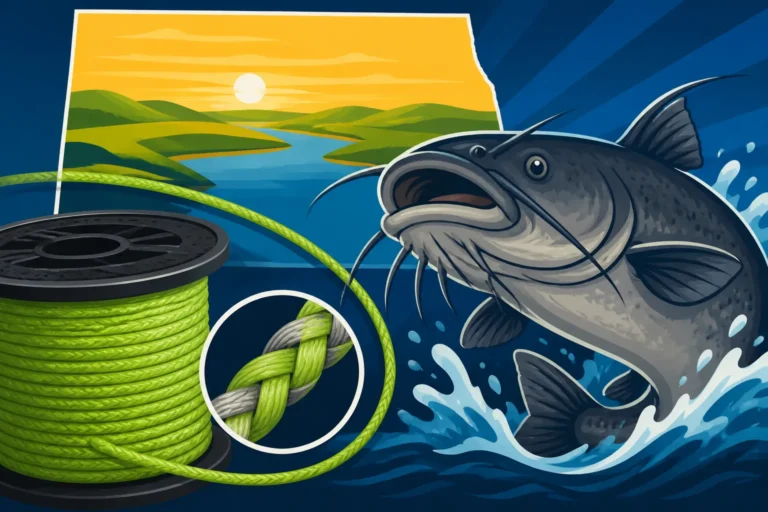
While not directly related to jig color, your choice of fishing line can significantly impact your success in murky water. When bites are subtle and visibility is low, you need to feel every tap and nudge. Braided line is often the go-to choice for these conditions due to its exceptional sensitivity and lack of stretch. Unlike monofilament, braid transmits even the slightest vibration directly to your rod tip, allowing you to detect bites you might otherwise miss.
This increased sensitivity is crucial when fish are mouthing baits gently or when your lure is far from the boat. Pair your braid with a short, fluorocarbon leader for a bit of abrasion resistance and stealth if the water isn't completely opaque. Being able to feel the bottom more clearly also helps you keep your jig in the strike zone and avoid snags. When you're fishing in murky water, every little bit of information helps, and sensitive line gives you a direct connection to what's happening underwater. For more specific guidance on different fishing techniques for various species in North Dakota, check out resources like Jigging for Walleye on Lake Sakakawea or Ice Fishing for Northern Pike With Tip-Ups, which often emphasize the importance of feel and presentation.
| Jig Color | Primary Benefit in Muddy Water | Target Species (Examples) | When to Use (Scenario) |
|---|---|---|---|
| Chartreuse | High visibility, strong UV properties | Walleye, Perch, Bass, Pike | General stained water, windy conditions, low-light, overcast |
| Bright Green | High visibility, strong UV properties | Walleye, Perch, Bass | Similar to chartreuse, slightly more natural |
| Hot Orange | Aggressive strike trigger, high contrast | Pike, Sauger, Walleye | Actively feeding fish, post-storm runoff, reaction bites |
| Hot Pink | Aggressive strike trigger, high contrast | Pike, Bass | When other bright colors aren't working, strong reaction |
| Black | Excellent silhouette, strong contrast | Catfish, Walleye, Pike | Extremely murky water, night fishing, deep shadows |
| Dark Purple | Strong silhouette, subtle contrast | Walleye, Bass, Panfish | Very dark water, more subtle than black but still visible |
| Two-Tone (e.g., Black/Chartreuse) | Combines silhouette and bright flash | All species | Versatile for varying murkiness, offers multiple appeal points |
Disclaimer
This article is for general informational purposes only and does not constitute professional advice. Laws, prices and regulations vary by location and change over time. Consult a qualified professional for guidance on your specific situation.