Best Jig Head Weight for Deep Water Walleye
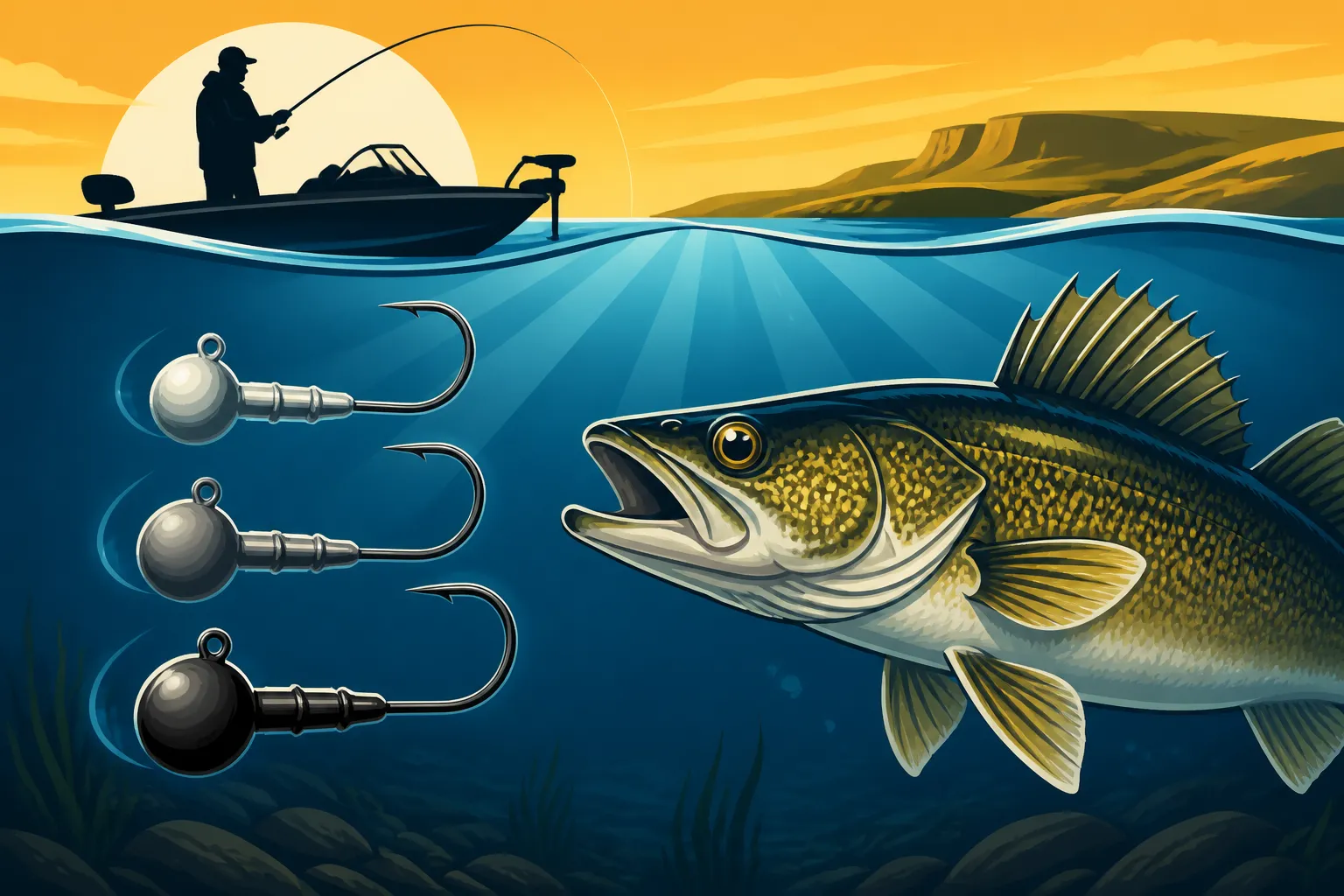
One of the most frustrating things about chasing North Dakota walleye, especially when they decide to hold in deeper water, is trying to figure out if your jig is actually reaching them and presenting properly. It's a common struggle, feeling disconnected from your bait, and often boils down to a single, critical decision: the weight of your jig head. This guide is all about helping you understand how to choose the best jig head weight for deep water walleye, ensuring you can feel every subtle bite and effectively present your bait, even when the fish are hunkered down.
Understanding Deep Water Walleye Behavior
Walleye are masters of adaptation, and sometimes, the best fishing means heading to the deeper sections of North Dakota's vast lakes and rivers. This isn't just a random preference; there are often very good reasons why they decide to move off the shallow breaks and into the abyss.
Why Walleye Go Deep
Several factors can drive walleye into deeper water, and understanding these can help you anticipate their movements and adjust your tactics accordingly. One of the primary reasons is water temperature. During the scorching days of summer, surface waters can become uncomfortably warm for walleye, pushing them down to cooler thermoclines where they can find more stable conditions. Conversely, as winter approaches and ice forms, some walleye will seek out deeper basins where temperatures are more consistent and baitfish often congregate.
Another huge draw to deep water is the presence of baitfish. Walleye are predators, and they'll follow their food source wherever it goes. If schools of shiners, ciscoes, or perch are suspending or holding on deep structures, you can bet the walleye won't be far behind. This often happens on vast bodies of water like Lake Sakakawea Fishing Guide or certain areas of the Missouri River, where massive baitfish schools roam open water. Deep rock piles, submerged humps, channel edges, and even deep weed lines can all be key holding areas. These aren't always easy to find, and it takes patience and good electronics to pinpoint where the fish are actually sitting. When they are deep, presenting your lure effectively becomes paramount, and that's where jig head weight really matters.
Reading Your Electronics for Deep Walleye
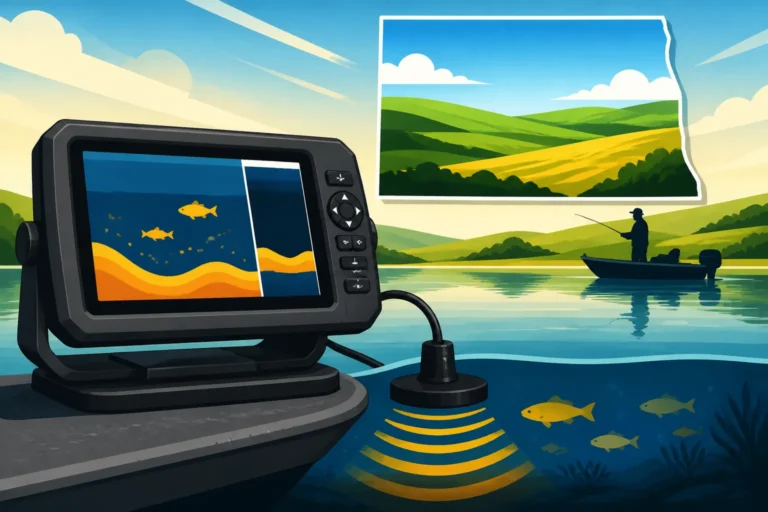
Modern fish finders are an absolute game-changer for deep water walleye fishing. You're not just looking for arches; you're deciphering a whole underwater landscape. When walleye are deep, they might appear as tight, distinct arches right on the bottom, or sometimes as a "fuzzy" line just above it, indicating they're hugging the structure. You might also see baitfish clouds, which are essentially giant dark blobs on your screen. These are crucial because where the bait is, the walleye usually are too.
Being able to interpret what your fish finder is telling you about the depth, bottom contour, and presence of fish is vital. For instance, if you're marking fish at 35 feet over a hard bottom, you need a jig head that will get down to that depth quickly, stay there, and allow you to feel that hard bottom with a distinct "tap-tap." If the fish are suspended 5 feet off the bottom, your presentation might need to be slightly different, perhaps a heavier jig that allows for a faster fall through the water column to get to them without letting the current sweep it away too much. This kind of nuanced understanding of your electronics, especially when searching for deep walleye, truly dictates your jigging strategy. Many anglers spend hours honing their skills at How to Read a Fish Finder for Ice Fishing, and while that's for ice fishing, the principles of interpreting depth and fish marks apply to open water as well.
Factors Influencing Jig Head Weight Selection
Choosing the right jig head weight for deep water walleye isn't a one-size-fits-all situation. It's a dynamic decision based on several interacting environmental and gear factors. Ignoring these can lead to frustration, lost fish, and a feeling of being completely out of touch with what's happening beneath the surface.
Water Depth and Current
This is perhaps the most obvious and critical factor. The deeper you're fishing, the heavier your jig head generally needs to be to reach the bottom efficiently and maintain contact. Imagine trying to drop a feather to the bottom of a swimming pool versus dropping a small stone; the principle is the same. In depths of 20-30 feet, a 1/4 ounce or 3/8 ounce jig might suffice, but as you push past 30-40 feet, you're often looking at 1/2 ounce, 5/8 ounce, or even 3/4 ounce jigs, especially in North Dakota lakes and rivers where big walleye often hold in these depths.
Current is another massive consideration. The Missouri River, for example, even in its deeper sections, can have significant current. That current will sweep lighter jigs away from your desired target zone and make it almost impossible to feel the bottom. When battling current, you'll need to go up in weight, sometimes considerably, to ensure your jig is sinking vertically and staying in the strike zone. It's a delicate balance; too light, and you can't feel the bottom; too heavy, and your presentation might be too aggressive, or you risk getting snagged constantly. Finding that sweet spot allows you to effectively fish specific structures or drop-offs, like those often targeted with Jigging for Walleye on Lake Sakakawea.
Wind and Boat Control
North Dakota is famous for its wind, and it's a huge factor in deep water jigging. A stiff breeze can make boat control a nightmare, causing your boat to drift too quickly, dragging your jigs far behind the boat and making it impossible to stay vertical. When this happens, a heavier jig head becomes your best friend. It helps cut through the water column more directly, allowing you to maintain better bottom contact even with a faster drift.
Think about it: if your boat is moving at 1 mph due to wind, and you're trying to fish 30 feet down with a 1/4 ounce jig, that jig might be 50 feet or more behind your boat. You won't feel subtle bites, and your presentation will be completely unnatural. Bumping up to a 1/2 ounce or even a 5/8 ounce jig in these conditions helps reduce that line angle, keeps your bait closer to vertical, and significantly improves your ability to feel what's happening at the business end of your line. It's all about maintaining control and connection to your lure, even when the elements are working against you. This is where a good trolling motor with GPS Spot-Lock can also be a lifesaver, allowing you to hold position and use lighter jigs if desired.
Bait Size and Presentation
The size of the live bait or soft plastic you're attaching to your jig head also plays a role in determining the ideal weight. A large shiner or a bulky soft plastic swimbait creates more drag in the water than a small minnow or a subtle grub. This added drag means you'll likely need a slightly heavier jig head to achieve the same sink rate and feel.
If you're using a substantial 4-5 inch minnow, for instance, a 3/8 ounce jig might fish more like a 1/4 ounce due to the resistance. Conversely, a tiny 2-inch fathead minnow might sink perfectly fine on a 1/4 ounce jig in similar conditions. The goal is always to get the bait down effectively and present it in a natural, enticing manner. Sometimes, a lighter jig with a larger bait creates a slower, more tantalizing fall, but only if you can still maintain bottom contact and feel bites. If you can't, then upping the weight is necessary. Experimentation with different combinations of Best Live Bait for North Dakota Walleye and jig head weights is often key to unlocking the bite.
Bottom Composition
Understanding the type of bottom you're fishing over is crucial for both jig head weight selection and overall success. Different bottom types demand different approaches.
-
Hard Bottom (Rock, Gravel, Sand): On a hard bottom, you want to feel that distinct "tap-tap" of your jig hitting the structure. A slightly heavier jig might be preferred here, as it provides better feedback. You're less likely to get snagged than in heavy cover, so you can often get away with a heavier weight to ensure consistent contact. This is often the case when fishing for walleye on rocky points or submerged humps in lakes like Lake Audubon Smallmouth Bass Fishing where smallmouth also thrive.
-
Soft Bottom (Mud, Silt): When fishing over a soft, silty bottom, a jig that's too heavy can quickly bury itself, making it invisible to walleye and prone to snagging in the muck. In these situations, you might actually want to lighten up slightly, using just enough weight to gently "plink" the bottom without digging in. This requires a very sensitive rod and line to detect those subtle taps. The "puff" of silt a jig creates when it lands can also attract curious walleye, so a controlled descent is important.
-
Weeds/Wood: These are notorious snag hazards. If you're fishing near deep weed lines or submerged timber, you might choose a lighter jig head to minimize snags, or opt for a weedless jig design. However, if the walleye are truly in the heavy cover, you might need a heavier jig to punch through and get to them, often sacrificing a few jigs in the process. It's a trade-off between snag avoidance and effective presentation in tough cover.
Recommended Jig Head Weights for Different Scenarios
Let's get down to the brass tacks: what actual jig head weights should you be reaching for when targeting deep water walleye in North Dakota? While conditions vary constantly, there are some reliable starting points and adjustments you can make on the fly.
Typical Ranges for North Dakota Lakes
When you're fishing the expansive waters of North Dakota, from the deep trenches of Lake Sakakawea to the varied depths of Devils Lake, a few jig head weights tend to be staples for deep walleye.
-
1/4 ounce: This is often your starting point for depths ranging from 15-25 feet, especially on calm days with minimal wind or current. It offers a slower, more natural fall, which can be irresistible to walleye that are a bit finicky. It's excellent for working shallower breaks leading into deeper water or when walleye are slightly suspended. You'll get good sensitivity with a 1/4 ounce jig if your line and rod are matched well.
-
3/8 ounce: This is arguably the most versatile deep water jig head weight for many North Dakota conditions. It's a fantastic all-rounder for 20-35 feet, handling moderate wind and current better than a 1/4 ounce while still providing good feel and a controlled descent. If you're unsure where to start, especially on a lake like Jamestown Reservoir where walleye can be found in a range of depths, a 3/8 ounce jig is a very safe bet. Many anglers keep a huge selection of these on hand, available easily from retailers like Bass Pro Shops.
-
1/2 ounce: When you hit 30-45 feet, or if you're battling significant wind or moderate current (think parts of the Missouri River below Garrison Dam), the 1/2 ounce jig becomes essential. It gets down quickly, stays vertical, and helps you maintain bottom contact in challenging conditions. The downside is a slightly faster fall and less "hang time," but the ability to feel the bottom and detect bites far outweighs that. It's often the go-to for really nailing those deep water bites.
-
5/8 ounce and 3/4 ounce: For extreme depths (45+ feet) or very strong current, you'll need to step up to these heavier weights. While they might not be used every day, having a few in your tackle box can save a tough fishing day. They are crucial for punching through the water column and getting your bait down quickly in powerful currents. These heavier weights are often deployed in specific situations, such as fishing the main river channel of the Missouri or chasing North Dakota Chinook Salmon Regulations that are holding very deep in Lake Sakakawea.
Adjusting for Extreme Conditions
Sometimes, North Dakota throws everything it has at you: howling winds, unexpected current, or walleye holding in truly abyssal depths. This is when you need to be flexible and willing to adjust your jig head weight.
When to Go Heavier:
- Increased Wind: If your boat is drifting too fast, and your line angle becomes too severe, preventing you from feeling the bottom, immediately go up a weight size. If a 3/8 ounce isn't cutting it, switch to a 1/2 ounce.
- Stronger Current: Fishing a new spot and noticing your jig isn't getting down or is sweeping away too quickly? Heavier is the answer. This is particularly true on river systems or below dams.
- Deeper Depths: If you locate a pod of fish deeper than you anticipated, say at 50 feet, and your current jig isn't hitting bottom in a reasonable time, or you can't feel it, a heavier jig is imperative.
- Lack of Feel: If you're simply not feeling anything—no bottom, no bites—the first thing to try is a heavier jig to improve your connection to the lure.
When to Go Lighter (Carefully):
- Subtle Bites: Sometimes, in calm conditions and shallower deep water (15-20 feet), lighter jigs (e.g., 1/4 ounce) can elicit more bites due to their slower, more natural fall. If you're getting short strikes or subtle bumps, a lighter jig might be the ticket, assuming you can still feel the bottom.
- Finicky Fish: On days when walleye are lethargic and not aggressive, a very slow, delicate presentation with a lighter jig can be more effective. The key here is that you must still be able to feel the bottom. If you can't, stick with the heavier option.
It's always a dance between getting to the fish and presenting naturally. The goal is the lightest possible jig head that still allows you to maintain consistent bottom contact and feel bites. Keep a variety of jig head weights in your tackle box, maybe ordered from Amazon for convenience, so you can adapt quickly.
| Jig Head Weight | Typical Depth Range (feet) | Conditions Best Suited For | Key Characteristic |
|---|---|---|---|
| 1/4 ounce | 15-25 | Calm, light wind, minimal current | Slower fall, natural presentation, high sensitivity |
| 3/8 ounce | 20-35 | Moderate wind/current, general purpose | Versatile, good balance of feel and fall rate |
| 1/2 ounce | 30-45 | Stronger wind, moderate current, deeper water | Fast descent, excellent bottom contact, vertical control |
| 5/8 – 3/4 ounce | 40+ | Extreme depth, strong current, very high wind drift | Max weight for extreme conditions, maintains contact |
Tips for Effective Deep Water Jigging
Beyond selecting the right jig head weight, there are several other critical factors that will dramatically improve your success when chasing deep water walleye. These elements work in concert with your jig choice to create an irresistible presentation and ensure you detect every strike.
Line Selection and Sensitivity
Your fishing line is the crucial connection between you and your jig, especially in deep water. Poor line choice can completely negate the benefits of selecting the perfect jig head weight. For deep water jigging, sensitivity is paramount.
-
Braided Line: This is almost universally recommended for deep water jigging. Braided line has virtually no stretch, which means every tap, every bump, and every subtle bite is transmitted directly to your rod tip. It also has a smaller diameter for its breaking strength compared to monofilament, which helps cut through wind and current, allowing your jig to sink more efficiently. Using a 10-20 lb test braided line is common, often paired with a fluorocarbon leader (6-12 lb test) that's less visible to the fish. This combination gives you the best of both worlds: extreme sensitivity and stealth. The type of line can make a significant difference in feeling those subtle deep water bites, as discussed in Best Fishing Line for North Dakota Lakes.
-
Fluorocarbon Line: While braided line is usually preferred for the main line, a 6-10 foot fluorocarbon leader tied to your braid is highly beneficial. Fluorocarbon is nearly invisible underwater, which can be critical for wary walleye. It also has a bit more abrasion resistance than braid, protecting your line from rocks and sharp structures.
Avoid monofilament for deep water jigging if possible. Its stretch absorbs too much of the feel, making it incredibly difficult to detect light bites, especially when you have 40 or 50 feet of line out.
Jigging Cadence and Strikes
Once you've got the right weight and line, how you work that jig makes all the difference. Walleye often prefer a specific cadence or action, and it can vary day by day, or even hour by hour.
-
Bottom Bouncing: A common and effective technique for deep walleye is to gently "bottom bounce" your jig. This involves letting your jig hit the bottom, lifting it a few inches to a foot, and letting it fall back down. The key is to maintain enough slack on the fall to allow the bait to drop naturally, but not so much that you can't feel a strike. Walleye often hit on the fall or just as the jig hits the bottom.
-
Aggressive vs. Subtle: Some days, walleye want an aggressive "rip-fall" retrieve, where you sharply lift your rod tip and let the jig flutter back down. Other days, a more subtle, almost dead-stick presentation with minimal movement is what triggers bites. Experiment with both until you find what the fish prefer.
-
The "Tick": When deep water jigging, most walleye bites won't be a jarring strike. Instead, you'll often feel a light "tick," a sudden weightlessness, or a spongy feeling. Sometimes, your line will just go slack when it should be taut. These are all indicators of a walleye mouthing your jig, and they demand an immediate, firm hookset. Don't hesitate!
Retrieval and Hookset
Getting that fish hooked and safely to the boat after a deep water strike requires precision and a bit of finesse.
-
Hookset: When you feel that "tick" or any abnormality, don't just reel faster. Instead, drop your rod tip slightly to take up any micro-slack, then quickly and firmly sweep your rod upwards and to the side, maintaining tension. You want a powerful, broad sweep, not just a wrist flick. Because you have a lot of line out, a strong hookset is needed to drive that hook home through the walleye's bony mouth. A quality medium-heavy spinning rod paired with a responsive reel, like those discussed in Best Spinning Reels for Walleye, will enhance your ability to make an effective hookset.
-
Retrieval: Once hooked, maintain steady pressure. Avoid pumping the rod too aggressively, as this can create slack and allow the fish to throw the hook, especially when they shake their head. Use your reel to do the work, steadily cranking. If the fish makes a run, let your drag do its job. A walleye from deep water can suffer from barotrauma if reeled up too quickly, so a consistent, not overly fast, retrieve is often best. Handle the fish carefully at the boat, especially if you plan to release it. Understanding North Dakota Fishing Regulations Explained on handling and releasing fish is crucial for conservation.
Remember, every fishing trip is a learning experience. Don't be afraid to experiment with different jig head weights, presentations, and retrieval speeds. The walleye will tell you what they want if you're paying close enough attention.
Disclaimer
This article is for general informational purposes only and does not constitute professional advice. Laws, prices and regulations vary by location and change over time. Consult a qualified professional for guidance on your specific situation.