Best Cold Weather Gear for Ice Fishing
Venturing out onto the frozen lakes and rivers of North Dakota for ice fishing is an incredible experience, but the bitter cold can quickly turn a fun day into a miserable one if you’re not properly dressed. Battling the relentless winds, sub-zero temperatures, and the damp chill coming up through the ice requires a strategic approach to your wardrobe. This guide will walk you through the very best cold weather gear to ensure you stay warm, comfortable, and safe, allowing you to focus on the bite rather than shivering.
Layering Up: The Core Strategy for North Dakota Ice Fishing
Forget simply throwing on your heaviest coat; successful ice fishing in North Dakota hinges on a smart layering system. The principle here is simple: trap air for insulation, wick away moisture to prevent chill, and allow for adjustments as your activity level or the conditions change. Removing a layer if you’re drilling holes or adding one during a slow sit can make all the difference in your overall comfort.
The All-Important Base Layer
The base layer is your first line of defense against the cold, and arguably the most crucial. Its primary job isn't just to add warmth, but to manage moisture. When you're hauling a sled, drilling holes, or setting up a shelter, you're going to sweat, even in frigid temperatures. If that sweat sits against your skin, it will quickly cool down and make you feel much colder, increasing your risk of hypothermia.
Look for materials like merino wool or synthetic fabrics (polyester, polypropylene). Merino wool is fantastic because it's naturally breathable, wicks moisture, regulates temperature, and resists odor, which is a huge bonus if you’re on a multi-day trip. Synthetic options are often more budget-friendly and excel at wicking, drying quickly, and offering good insulation, though they might not have the same natural odor resistance. Avoid cotton at all costs for your base layer; cotton absorbs moisture and holds it, turning into a cold, wet sponge against your skin. A good set of thermal underwear, both top and bottom, should be snug but not restrictive, allowing for proper circulation and efficient moisture transfer.
Effective Mid-Layers for Retaining Heat
Once your base layer is taking care of moisture, your mid-layers step in to provide the bulk of your insulation. These layers are designed to trap warm air close to your body, and you might wear one or several, depending on how cold it is and how much activity you anticipate. Fleece is a popular and effective choice for mid-layers due to its excellent warmth-to-weight ratio, breathability, and quick-drying properties. You can find fleece jackets, pants, or even heavier fleece-lined shirts.
Another excellent mid-layer option is a puffy vest or jacket filled with synthetic insulation or down. These offer significant warmth without excessive bulk. Down is incredibly warm and lightweight but loses its insulating properties when wet, so it's best kept under a waterproof outer shell. Synthetic fills are a bit more forgiving if they get damp. The key here is versatility; having multiple mid-layers allows you to easily adapt to changing conditions throughout the day. If you're spending time in a heated ice house, you might shed a mid-layer, only to put it back on when you step outside to check tip-ups.
The Critical Outer Shell: Jackets and Bibs
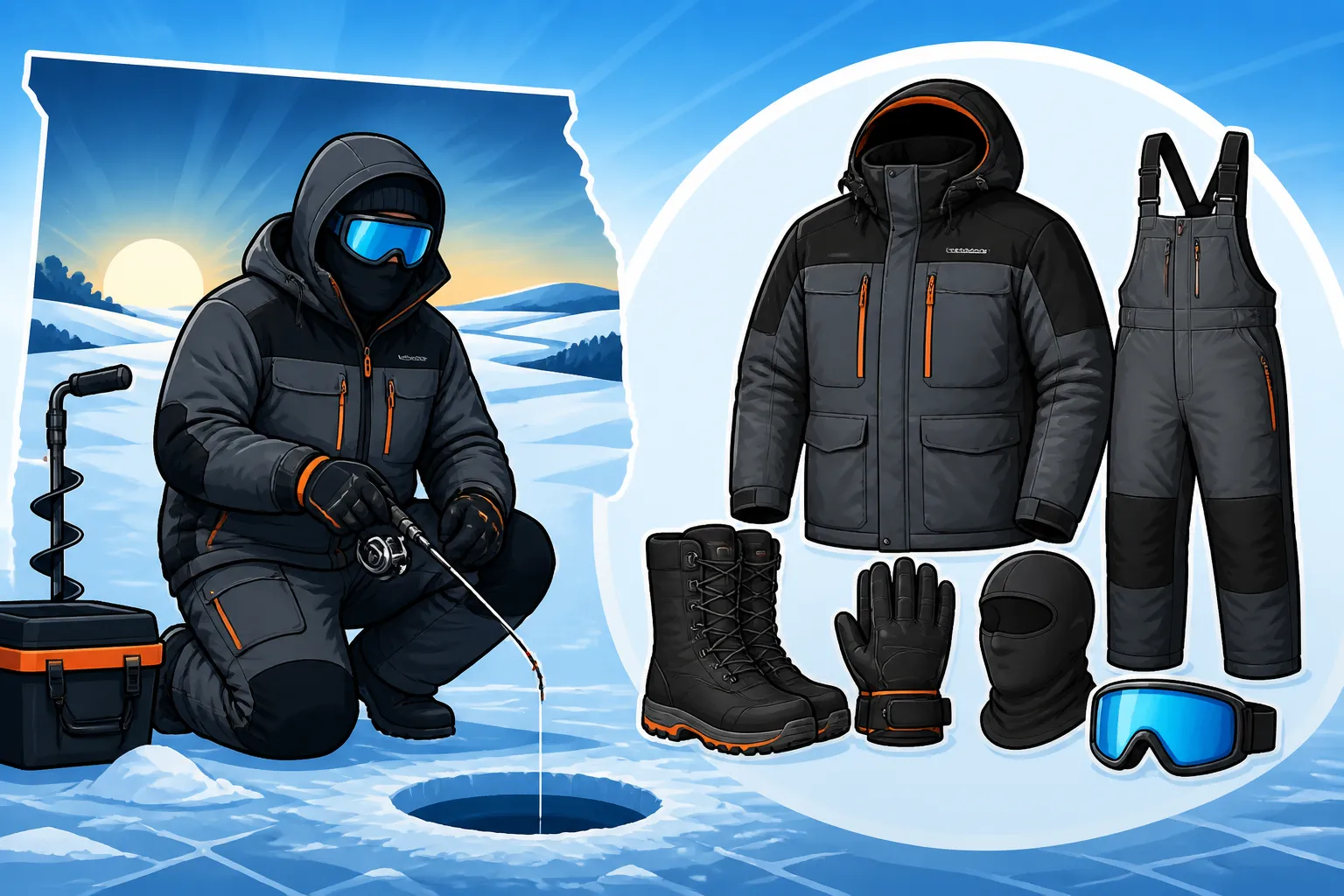
Your outer shell is the final barrier against the elements – wind, snow, and slush. For North Dakota ice fishing, you absolutely need a shell that is both heavily insulated and highly resistant to wind and water. This isn't just about comfort; it's about survival. A good ice fishing jacket and a pair of insulated bibs are practically a uniform for anglers here. Many dedicated ice fishing suits are designed as a single unit or matching jacket and bibs to provide maximum coverage and warmth.
When choosing your outer shell, look for features like reinforced knees and seat (because you'll be kneeling and sitting on the ice), plenty of pockets for gear, durable zippers, and adjustable cuffs and hoods to seal out drafts. Flotation is another huge consideration; many modern ice fishing suits incorporate flotation assistance technology, which can be a literal lifesaver if you accidentally go through the ice. Brands like StrikerICE and Clam are well-known for producing high-quality, insulated, and often floatation-enabled suits tailored specifically for ice fishing. You can often find a great selection of these specialized suits and more general cold-weather outerwear at sporting goods retailers like Bass Pro Shops.
| Layer Type | Primary Function | Recommended Materials | Why It Matters |
|---|---|---|---|
| Base | Moisture Management | Merino Wool, Synthetic (Poly) | Wicks sweat away from skin; prevents chilling |
| Mid | Insulation | Fleece, Down, Synthetic Puffy | Traps warm air; provides adjustable warmth |
| Outer | Protection | Insulated, Waterproof/Windproof | Shields from wind, snow, slush; often includes floatation |
Protecting Your Extremities: Staying Nimble and Warm
Your hands, feet, and head are the most vulnerable parts of your body to cold exposure, and they also account for a significant amount of heat loss. Keeping them properly insulated is paramount for comfort and preventing frostbite. Don’t skimp on these critical items, as cold extremities can quickly ruin an otherwise perfect day on the ice.
Insulated Boots: Your First Line of Defense
Your feet are constantly in contact with or near the freezing ice, making proper footwear non-negotiable. You need heavy-duty, waterproof, and well-insulated boots designed for extreme cold. Look for boots rated for temperatures well below what you expect to encounter – if it’s -10°F outside, you want boots rated for -40°F or colder. This extra buffer is crucial. The insulation can be synthetic, felt, or even a combination. Good boots will also have thick, aggressive soles for traction on slippery surfaces.
Make sure your boots fit well, but not too snugly. You need enough room for a thick pair of wool or synthetic socks (again, no cotton!) and a bit of air space for insulation. Boots that are too tight will restrict circulation, actually making your feet colder. Many experienced anglers often wear a thin wicking liner sock under a thicker wool sock for optimal moisture management and warmth. Brands like Sorel, Baffin, and Muck Boots are popular among ice anglers for their robust cold-weather performance.
Gloves and Mittens: Keeping Fingers Functional
Cold hands are not just uncomfortable; they can impair your ability to tie knots, bait hooks, and handle fish. The challenge with handwear is finding a balance between warmth and dexterity. Many anglers opt for a multi-pronged approach. You might start with a thin pair of liner gloves, which provide a base layer of warmth and can be worn for delicate tasks. Over these, you’ll want a pair of highly insulated, waterproof gloves or mittens. Mittens are generally warmer than gloves because they allow your fingers to share warmth, but they sacrifice dexterity.
Some popular options include "flip-mitts" or "glomitts" which allow you to expose your fingers for tasks and then quickly cover them for warmth. Neoprene gloves can be good for handling wet fish, as they maintain some warmth even when wet. Just like with boots, choose waterproof options to keep melting snow and slush from soaking through. Look for gloves with long gauntlets that can be cinched over or under your jacket cuffs to prevent snow from creeping in. Whether you prefer gloves or mittens, or a combination, ensuring your hands stay warm and functional is key to an enjoyable day.
Headwear: Preventing Heat Loss Where It Counts
A significant amount of body heat can escape through your head, especially in freezing temperatures. Therefore, comprehensive head protection is absolutely essential. A good quality, insulated hat or beanie made from wool or fleece is a must-have. You want something that covers your ears completely. Some anglers prefer a balaclava, which offers full coverage for the head, face, and neck, leaving only the eyes exposed. This is particularly valuable on windy days when exposed skin can quickly develop frostbite.
Additionally, consider wearing a neck gaiter or a buff. These are incredibly versatile and can be pulled up over your nose and mouth for extra protection against biting winds, or simply worn around your neck to seal off any gaps in your jacket. The combination of a warm beanie and a neck gaiter provides adaptable protection that can be adjusted as needed, whether you're battling a gust of wind while checking tip-ups or taking a break inside a warm ice shelter.
Beyond the Clothing: Essential Comfort and Safety Gear
While proper attire is the foundation of staying warm, there’s a whole host of other gear that contributes significantly to both your comfort and, more importantly, your safety on the ice. North Dakota winters can be unforgiving, and being prepared for more than just the cold is a sign of a seasoned angler.
Portable Heaters and Power Solutions for Your Shelter
If you’re planning to spend any significant time in an ice fishing shelter, a reliable portable heater is a game-changer. It transforms a frigid space into a cozy haven, allowing you to shed a few layers and truly relax. Propane heaters, like those from Mr. Heater, are very popular among ice anglers. When using any propane heater, ensure adequate ventilation to prevent carbon monoxide buildup. Most ice shelters have vents for this purpose, but it’s always wise to have a battery-powered carbon monoxide detector for peace of mind.
Along with a heater, having a portable power solution can greatly enhance your comfort and functionality. A small portable power station or even a durable lead-acid or lithium battery can power lights, charge your phone, run a fish finder, or even keep a small fan running for air circulation. Many of these solutions are compact and robust enough to handle the harsh conditions. A fully charged power source means you don't have to worry about your essential electronics dying halfway through your trip. Best Portable Power Station for Ice Fishing Electronics is a great resource if you're looking to dive deeper into options.
Traction and Flotation: Navigating the Ice Safely
Ice fishing always carries an inherent risk, and preparing for worst-case scenarios is paramount. Traction is critical to prevent slips and falls on slick ice. Ice cleats or traction devices that strap onto your boots provide invaluable grip and are a relatively inexpensive investment that can save you from a painful injury. Whether you're walking across a vast lake or navigating slushy patches, good traction keeps you upright.
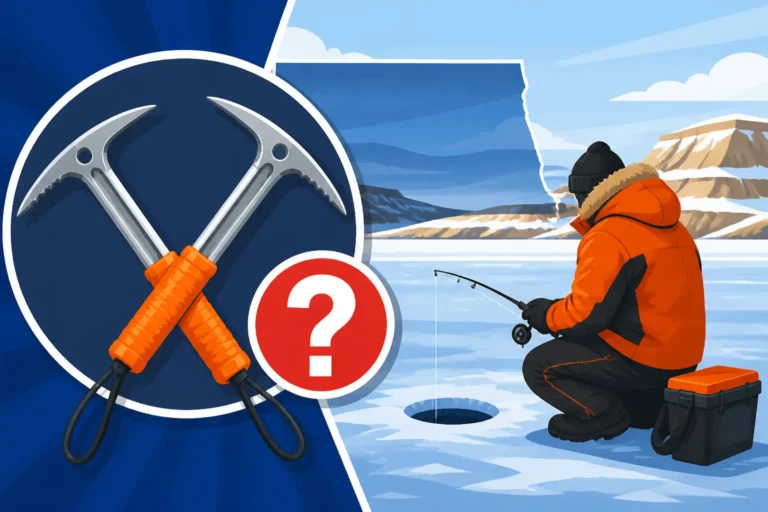
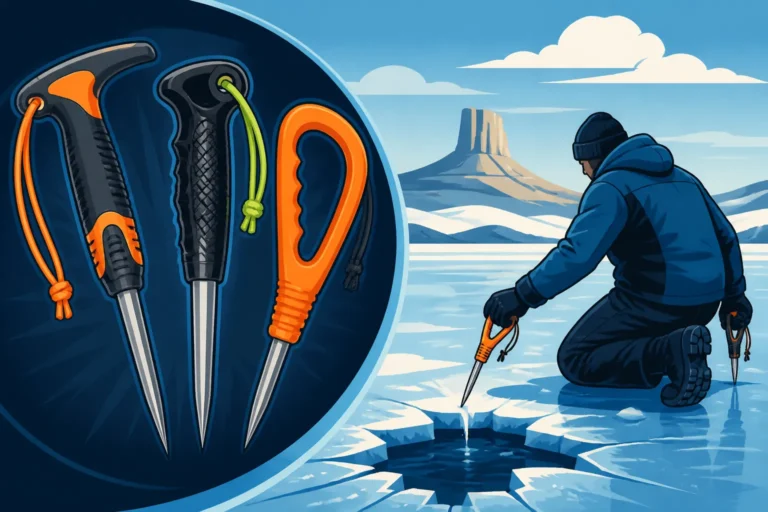
Flotation assistance is another non-negotiable safety item. As mentioned earlier, many modern ice fishing suits have built-in flotation. However, even if your suit does, carrying a set of ice picks is crucial. These are two sharp, spiked handles connected by a cord that you wear around your neck. If you break through the ice, you can use the picks to gain purchase on the ice edge and pull yourself out. They are compact, lightweight, and can be easily purchased at outdoor stores or even on Amazon. For a deeper dive into staying safe, check out Early Ice Fishing Safety Tips.
Emergency Preparedness: Don't Leave Home Without It
Beyond the immediate gear for warmth and traction, a small emergency kit is a wise addition to your ice fishing arsenal. This isn't about paranoia, but practical readiness for the unexpected. Include a first-aid kit with essentials for minor cuts, scrapes, and blisters. A reliable headlamp or flashlight, with extra batteries, is non-negotiable, especially if you plan on fishing near dusk or dawn.
A fully charged cell phone is great, but assume you might not have service. A whistle can be used to signal for help if you get separated from your group or run into trouble. Always tell someone where you're going and when you expect to return. Packing a thermos of hot coffee or soup can provide a much-needed morale boost and internal warmth. Finally, a change of dry clothes (especially socks) in a waterproof bag is a smart move, just in case any part of your layering system gets unexpectedly wet. Remember, preparedness is key to a truly enjoyable and safe ice fishing adventure in North Dakota.
Choosing the Right Gear: Materials, Fit, and Durability
Navigating the vast array of cold weather gear can be daunting, but understanding the basics of materials, fit, and durability will help you make informed choices that stand up to the rigors of North Dakota ice fishing. Investing in quality gear isn't just about comfort; it's about making your time on the ice productive and safe for years to come.
Understanding Insulation Types: Down vs. Synthetic
When looking at insulated garments, you'll primarily encounter two types of fill: down and synthetic. Both have their advantages and disadvantages, making the "best" choice dependent on your specific needs and the conditions you expect.
Down insulation, typically from ducks or geese, is renowned for its exceptional warmth-to-weight ratio. It's incredibly light, highly compressible, and provides superior warmth for its bulk. However, down's major drawback is that it loses virtually all its insulating properties when it gets wet. If your down jacket or bibs get soaked from slush, melting snow, or an accidental dip, you'll be left cold. Because of this, down is often best for mid-layers that are protected by a waterproof outer shell, or for very dry, cold conditions.
Synthetic insulation, on the other hand, is designed to mimic the qualities of down but with improved performance in damp conditions. Materials like PrimaLoft or Thinsulate are made from polyester fibers that trap air. While synthetic insulation might be slightly heavier and bulkier for the same warmth as down, its key advantage is that it retains much of its insulating power even when wet. This makes synthetic insulation an excellent choice for outer layers and for any gear that is likely to encounter moisture, a common occurrence during North Dakota ice fishing. Given the unpredictability of ice conditions and potential for slush and spray, synthetic insulation often provides a more reliable warmth for the active ice angler.
The Importance of Fit and Mobility
When you're out on the ice, you're going to be moving – drilling holes, setting tip-ups, reeling in fish, and adjusting your position. Your gear needs to allow for a full range of motion without feeling restrictive or bulky. A proper fit ensures that your layers work together effectively and that you're not fighting your clothing throughout the day. If your outer shell is too tight, it compresses the insulation in your mid-layers, reducing their effectiveness. If it's too loose, cold air can easily penetrate.
Look for gear that is articulated at the elbows and knees, allowing for natural movement. Adjustable features like drawstrings on hoods, elastic cuffs, and adjustable suspenders on bibs help to customize the fit and seal out drafts. Try on any potential purchases with your full layering system underneath to ensure everything fits comfortably. Imagine yourself bending, kneeling, and reaching to ensure there's no undue pulling or tightness. Remember, you want to be able to focus on the fishing, not on uncomfortable or ill-fitting clothing.
Durability and Water Resistance for Longevity
North Dakota ice fishing can be tough on gear. You’re constantly rubbing against abrasive ice, snow, and the rough interiors of ice shelters. Therefore, durability is a key factor. Look for garments made with rugged outer fabrics, often denoted by terms like "denier" (a measure of fabric thickness and strength). Reinforced patches on high-wear areas like the knees, seat, and elbows are a huge plus and will significantly extend the life of your gear.
Equally important is water resistance, and ideally, waterproofness. Whether it's melting snow, slush, or spray from an auger, moisture is an ever-present threat. A durable water repellent (DWR) finish helps water bead up and roll off the fabric, preventing it from soaking through. For truly waterproof performance, look for garments with waterproof membranes (like Gore-Tex or similar proprietary technologies) and taped seams. Even if you're planning to be in a shelter, having waterproof outer gear is critical for setting up, moving between spots, or handling fish. Investing in gear built to withstand the elements will not only keep you warmer and drier but will also ensure your investment lasts for many seasons of North Dakota ice fishing adventures.
Disclaimer
This article is for general informational purposes only and does not constitute professional advice. Laws, prices and regulations vary by location and change over time. Consult a qualified professional for guidance on your specific situation.