Best Life Jackets for Cold Water Fishing
The biting cold of North Dakota's waters, especially in the shoulder seasons or during the heart of winter, can turn a simple fishing trip into a life-threatening emergency in a matter of minutes. Many anglers underestimate just how quickly cold water robs your body of heat and strength, making it almost impossible to self-rescue. This comprehensive guide is here to walk you through everything you need to know about choosing and using the best life jackets specifically designed to keep you safe when fishing in North Dakota's notoriously chilly conditions.
Why Cold Water Fishing is Different and Dangerously Deceptive
When you're out on the water in North Dakota, whether it's early spring, late fall, or even during milder winter days, the air temperature can be deceiving. The water itself often remains lethally cold long after the air warms up, or before it completely freezes over. This isn't just uncomfortable; it presents unique and severe dangers that warm-weather fishing simply doesn't. Understanding these threats is the first step to truly appreciating the importance of proper safety gear, especially your life jacket.
Understanding Cold Water Shock
One of the most immediate and terrifying dangers of unexpectedly entering cold water is what's known as cold water shock. It's not hypothermia, which develops over time, but an instant physiological response. Imagine you're fishing Early Spring Walleye Techniques in North Dakota on Lake Sakakawea, and somehow you go overboard. The moment your body hits that frigid water, typically below 60 degrees Fahrenheit (and North Dakota waters are often much colder), your body experiences an involuntary gasp, followed by rapid, uncontrollable hyperventilation. This isn't something you can simply "tough out" or control with willpower.
This gasp reflex can cause you to inhale water, leading to drowning almost immediately. Even if you don't inhale water, the hyperventilation can lead to lightheadedness and disorientation, making it incredibly difficult to keep your head above water, swim, or even think clearly. Your blood pressure and heart rate spike, putting immense strain on your cardiovascular system. For those with underlying heart conditions, this shock can induce cardiac arrest. A life jacket buys you precious seconds by keeping your head above water, allowing your body to acclimate and for you to regain some control over your breathing, which is absolutely critical in the first minute or two.
Hypothermia's Silent Threat
Once past the initial cold water shock, the next major enemy you face is hypothermia. This is the progressive cooling of your body's core temperature to dangerous levels. In North Dakota's waters, which can easily be in the 30s or 40s degrees Fahrenheit, hypothermia can set in frighteningly fast. Even if you're wearing layers of clothing, they'll become waterlogged and lose most of their insulating properties, rapidly accelerating heat loss. The cold water continuously drains heat from your body 25 times faster than cold air.
As your body temperature drops, you'll start to shiver uncontrollably, a natural defense mechanism trying to generate heat. But this rapidly consumes energy. As hypothermia progresses, your muscle coordination deteriorates, making simple tasks like gripping a rope or climbing back into a boat nearly impossible. Your judgment becomes impaired, and confusion sets in. You might even start to feel warm as your body's regulatory systems fail, leading to paradoxical undressing, where victims remove clothing, further exacerbating the heat loss. Without a life jacket keeping you afloat, the loss of coordination and mental clarity almost guarantees drowning, even in calm waters. A good cold water life jacket, especially one with thermal properties, slows this process significantly, extending your survival time and increasing the chances of rescue.
Types of Life Jackets Suited for Cold Water
When we talk about life jackets, it's not a one-size-fits-all situation, especially when cold water is in the mix. The U.S. Coast Guard classifies personal flotation devices (PFDs) by type, and for North Dakota's chillier months, you'll want to pay close attention to which type offers the best protection for your specific fishing style. Choosing the right one can make all the difference in an emergency.
Flotation Aids (Type III)
Type III PFDs, often called flotation aids, are probably what most anglers picture when they think of a life jacket. These are designed for continuous wear and offer comfort and freedom of movement, which is essential when you're casting for North Dakota Northern Pike Fishing Guide or reeling in a big walleye. They typically provide at least 15.5 pounds of buoyancy and are generally used in calm, inland waters where a quick rescue is likely.
For cold water, a standard Type III vest might be sufficient for keeping you afloat, but it won't offer much in the way of thermal protection. However, many modern Type III PFDs come in vest-style designs that are thicker, providing a bit more insulation. Some are specifically designed with larger armholes and less bulk, making them ideal for fishing activities where movement is key. If you're on a smaller body of water and help is never far away, a well-fitting, comfortable Type III can be a good choice, but remember, the primary benefit here is flotation, not warmth. You might find a good selection of these at retailers like Bass Pro Shops, where you can try them on for fit.
Off-Shore Vests (Type I) and Near-Shore Vests (Type II)
Moving up the scale in terms of buoyancy and turning capability, we have Type I (Off-Shore) and Type II (Near-Shore) PFDs. These are generally bulkier but offer greater protection, particularly in rougher waters or where rescue might be delayed.
-
Type I (Off-Shore) PFDs offer the most buoyancy, typically over 22 pounds for adults, and are designed to turn an unconscious person face-up in the water. They are usually bulky and less comfortable for active fishing but are essential for extended periods on large, exposed waters like Lake Sakakawea, especially during unpredictable weather. While less common for everyday fishing, if you're truly heading into extreme cold-water conditions or venturing far from shore, the added safety might outweigh the comfort sacrifice.
-
Type II (Near-Shore) PFDs provide at least 15.5 pounds of buoyancy and are also designed to turn an unconscious person face-up, though not as reliably as Type I in rough water. They are less bulky than Type I but still more substantial than most Type IIIs. For North Dakota anglers who might be on medium-sized lakes or rivers but still want that extra margin of safety to ensure they flip face-up if incapacitated, a Type II can be a wise choice. They offer a good balance for many cold-water scenarios where rescue might not be immediate but aren't hours away.
Inflatable Life Jackets (Manual vs. Automatic)
Inflatable life jackets have become incredibly popular due to their sleek, low-profile design, offering excellent mobility and comfort. They are worn like a small vest or a belt pack and inflate only when needed, either manually or automatically. Once inflated, they provide high buoyancy, comparable to a Type I or Type II PFD.
-
Manual Inflatables: These require you to pull a cord to deploy the CO2 cartridge and inflate the vest. They are a good option if you want maximum mobility and control, and you are confident you'll have the presence of mind and physical ability to pull the cord if you go overboard. For those Fishing From a Kayak in North Dakota in cold water, where a bulky vest could impede paddling, a manual inflatable can be a great compromise.
-
Automatic Inflatables: These inflate automatically when submerged in water. This feature is particularly valuable in cold water scenarios where cold water shock or hypothermia could quickly incapacitate you, making it impossible to manually inflate your PFD. They are often preferred by solo anglers or those who prioritize hands-free safety. However, they require careful maintenance to ensure the inflation mechanism is functioning correctly and the CO2 cartridge is not expired. Regardless of type, remember that inflatable PFDs are not suitable for non-swimmers or children under 16, as they rely on the wearer's ability to maintain composure or the automatic mechanism to function. You can find a wide array of both manual and automatic inflatables online, including on platforms like Amazon, but always ensure they are Coast Guard approved.
Specialty Cold Water Gear: Survival Suits and Flotation Suits
For the ultimate in cold water protection, especially for ice fishing or extreme open-water conditions, specialty gear like survival suits and flotation suits are unparalleled. These aren't just life jackets; they are essentially full-body PFDs designed to provide both buoyancy and significant thermal protection.
-
Flotation Suits: These are one-piece or two-piece suits (jacket and bibs) made from buoyant, closed-cell foam. They are designed to keep you afloat and significantly slow down the onset of hypothermia by trapping a layer of air and keeping you dry. Many flotation suits are also waterproof and windproof, making them excellent outerwear for general cold-weather fishing on a boat or from shore. They offer a level of warmth and safety that goes far beyond a traditional life jacket, giving you crucial extra time for rescue in truly frigid North Dakota waters. Think of them as your winter coat and life jacket rolled into one. When considering What to Wear Ice Fishing in North Dakota, a flotation suit is often at the top of the list for serious anglers.
-
Survival Suits (Immersion Suits): These are even more specialized, designed for extreme cold water survival where rescue might be delayed for hours. They are typically worn over regular clothing and provide full body coverage, including integrated gloves and hoods, to minimize heat loss. They are bulky and not practical for active fishing but are indispensable for those working or venturing onto the most treacherous cold waters. For most recreational anglers in North Dakota, a quality flotation suit will offer more than sufficient protection, balancing safety with usability. However, understanding the existence of survival suits highlights the severity of cold water immersion.
| PFD Type | Buoyancy (Adult) | Turning Capability (Unconscious) | Comfort/Mobility | Thermal Protection | Best Use Case (Cold Water) |
|---|---|---|---|---|---|
| Type I (Off-Shore) | 22 lbs + | Excellent | Low | Minimal | Extreme, remote open water; delayed rescue likely |
| Type II (Near-Shore) | 15.5 lbs + | Good | Medium | Minimal | Near-shore, moderate conditions; quick rescue not guaranteed |
| Type III (Flotation Aid) | 15.5 lbs + | Limited (Wearer must assist) | High | Minimal to Moderate | Inland waters, active fishing; quick rescue expected |
| Inflatable (Manual) | 22.5 – 35 lbs | Good | Very High (uninflated) | Minimal | Active fishing, good swimmers; quick rescue expected |
| Inflatable (Auto) | 22.5 – 35 lbs | Good | Very High (uninflated) | Minimal | Solo anglers, risk of incapacitation; quick rescue expected |
| Flotation Suit | Integrated buoyancy + | Yes (full body) | Medium | Excellent | Ice fishing, prolonged cold exposure, maximum overall protection |
| Survival Suit | Significant | Excellent (full body) | Very Low | Superior | Extreme survival, very remote/harsh conditions |
Key Features to Look for in a Cold Water Life Jacket
Choosing a life jacket for cold water fishing isn't just about picking one that fits. There are specific features that can dramatically enhance your safety, comfort, and ultimately, your chances of survival if you find yourself unexpectedly in North Dakota's frigid waters. Thinking beyond basic flotation is crucial here.
Insulation and Thermal Properties
While the primary job of any life jacket is to keep you afloat, a cold water specific PFD goes a step further by offering some degree of thermal protection. Traditional foam PFDs, particularly those designed for colder climates or multi-sport use, often have thicker layers of foam or are constructed with materials that trap heat. These extra layers can act as a buffer against the immediate shock of cold water and slow down the rate of heat loss from your core.
For serious cold-weather angling, like when you're targeting North Dakota Walleye Fishing Guide in late fall or early spring, you might consider a PFD that is incorporated into a full flotation suit. These suits are built with layers of closed-cell foam that not only provide buoyancy but also exceptional insulation, much like a wetsuit or dry suit. This significantly extends your survival time in icy conditions. Even a standard Type III vest, if it's thicker and fits snugly over your base layers, can offer a small but vital amount of insulation compared to a flimsy, warm-weather PFD. Remember, every degree of heat retained and every minute of extended survival time is precious.
Buoyancy Ratings and Materials
Understanding buoyancy is fundamental to life jacket effectiveness. Buoyancy is measured in pounds of flotation, and this is what keeps you on the surface. For adults, the minimum Coast Guard approved buoyancy for a PFD is typically 15.5 pounds, but for cold water, more is often better. The extra clothing you might be wearing in cold weather – heavy boots, thick jackets, waders – will add weight and absorb water, making you heavier and reducing the relative buoyancy of your PFD.
Look for PFDs with higher buoyancy ratings, especially if you anticipate wearing heavy gear. The materials used also play a significant role. Closed-cell foam, commonly found in many PFDs, is excellent because it doesn't absorb water, maintaining its buoyancy even after prolonged immersion. For inflatable PFDs, the CO2 cartridge rapidly inflates chambers, providing substantial buoyancy almost instantly. Always check the PFD's label for its Coast Guard approval and stated buoyancy rating, ensuring it's appropriate for your weight and the conditions you'll be fishing in. This is especially important for those venturing onto vast, cold bodies of water like Lake Sakakawea Fishing Guide for North Dakota Anglers.
Visibility and Reflective Elements
In a cold water emergency, especially in the low light of early morning, late evening, or overcast days common in North Dakota, being seen is paramount. The faster rescuers can spot you, the better your chances of survival. A life jacket with high visibility colors and reflective elements can drastically improve your chances.
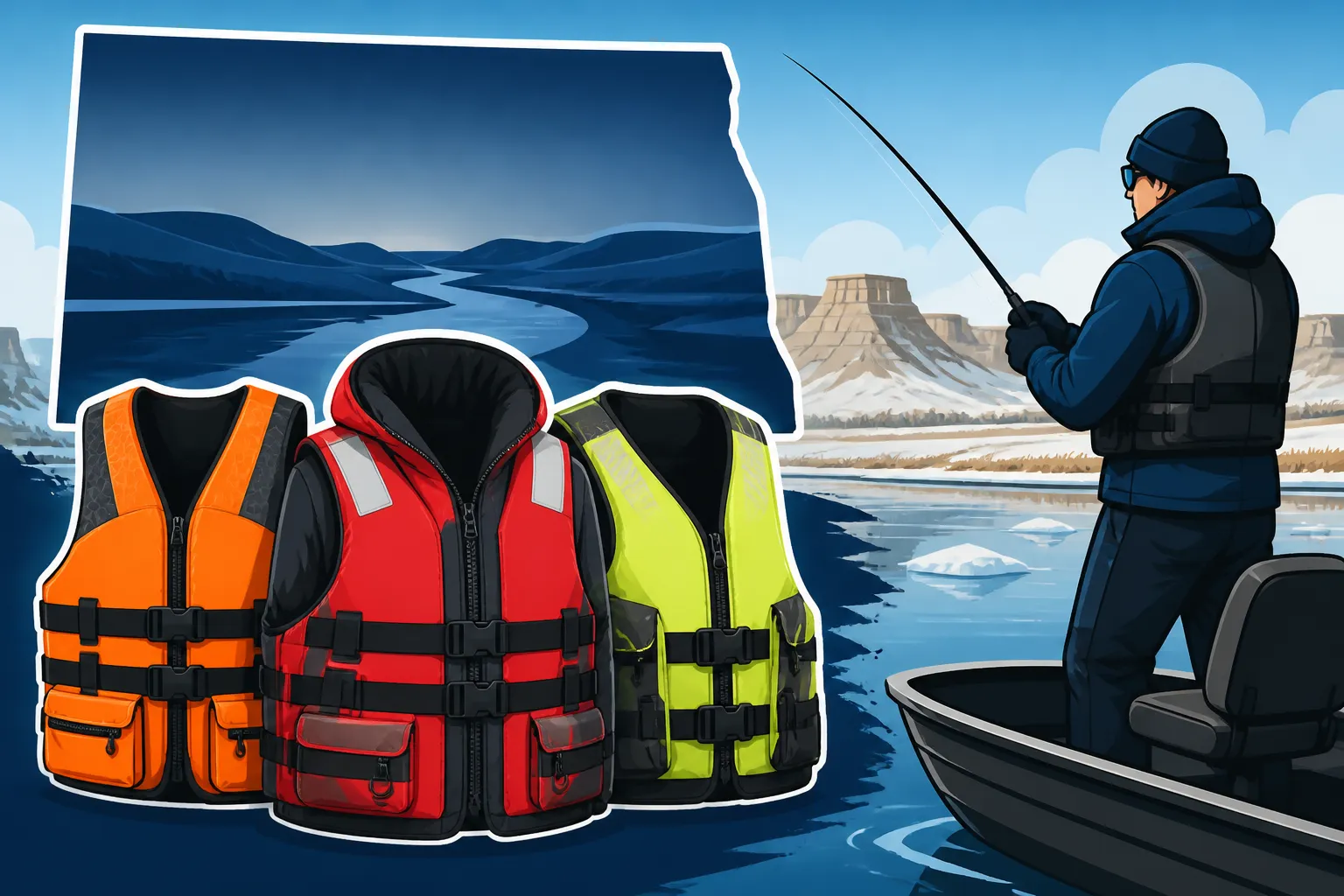
Opt for PFDs in bright, fluorescent colors like neon green, orange, or yellow. These colors stand out dramatically against the muted tones of water, ice, and winter landscapes. Additionally, many quality cold water PFDs incorporate reflective tape or panels. These materials catch and reflect light, making you visible to searchlights from boats, aircraft, or even headlamps from shore-based rescuers, particularly at night. Some PFDs even include a whistle or a small light attachment, which can be invaluable for attracting attention when you're otherwise unable to shout or signal. Don't underestimate the power of visibility; it’s your best friend when calling for help.
Comfort and Mobility for Anglers
While safety is non-negotiable, a life jacket that is uncomfortable or restricts your movement is one you're less likely to wear consistently. For anglers, this means finding a PFD that allows you to cast, reel, and maneuver your boat or yourself without feeling hampered. Modern life jackets have come a long way in balancing safety with comfort.
Look for features like multiple adjustment straps to customize the fit, allowing for snugness without constriction. Vests with large armholes and flexible materials will allow for a full range of motion. Pockets are often a welcome addition for storing small tackle items, a knife, or a whistle. If you're using an inflatable PFD, its minimal profile provides excellent mobility when uninflated. For flotation suits, consider designs with articulated knees and elbows, and perhaps even removable liners, to enhance flexibility. Before purchasing, especially from a store like Bass Pro Shops or an online retailer like Amazon, read reviews regarding comfort and try it on over your typical cold-weather fishing attire to ensure it doesn't impede your ability to fish effectively and safely.
Proper Fit and Maintenance for Maximum Safety
A life jacket, no matter how advanced, is only as good as its fit and how well it's maintained. Many accidents happen not because people lack a PFD, but because the one they're wearing is ill-fitting or in poor condition. Taking the time to ensure your cold water life jacket fits correctly and is cared for properly is a critical step in your overall safety plan when fishing in North Dakota.
How to Get the Right Fit
Getting the right fit isn't just about comfort; it's about functionality. An ill-fitting life jacket can ride up, slip off, or fail to keep your head properly above water in an emergency. Here’s a simple guide to ensure a snug and safe fit:
- Check the Label: First, ensure the PFD is rated for your weight and chest size. This information is always on the label. A PFD designed for a child will not keep an adult afloat, and vice-versa.
- Wear Your Fishing Clothes: Try on the life jacket over the typical layers of clothing you'd wear when fishing in cold weather. This is crucial because bulky layers can affect the fit. If you're planning on wearing Best Insulated Bibs for Ice Fishing, make sure the PFD still fits snugly over them.
- Snug, Not Tight: Put the PFD on and fasten all zippers, buckles, and straps. It should feel snug but not so tight that it restricts breathing or movement.
- The "Lift Test": Have a friend lift you by the shoulders of the PFD. If it rides up past your ears or chin, it's too big and won't keep your head out of the water. Adjust the straps and try again. If it still rides up, you need a smaller size.
- Mobility Check: Once it feels secure, move around. Cast your rod, bend, and twist. Ensure you have a full range of motion needed for fishing activities. An uncomfortable PFD is less likely to be worn.
Remember, children's PFDs often have an added crotch strap. This is vital to prevent the PFD from riding up over their heads, which is a common and dangerous issue. Always ensure children's PFDs are fitted with this strap securely fastened.
Inspecting and Caring for Your Life Jacket
Regular inspection and proper care will extend the life of your PFD and ensure it's always ready when you need it. Neglecting these steps can lead to a PFD that fails in an emergency.
- Routine Inspection: Before each cold water fishing trip, give your life jacket a thorough once-over.
- Fabric: Check for rips, tears, or punctures, especially in foam PFDs, as these can compromise buoyancy. Look for sun damage (fading, brittleness) which can weaken the material.
- Stitching: Examine all seams and stitching for signs of fraying or unraveling.
- Straps & Hardware: Check buckles, zippers, and straps for cracks, corrosion, or wear. Ensure they fasten securely.
- Inflatables: For inflatable PFDs, inspect the CO2 cylinder for corrosion and ensure it's properly armed (if manual) or that the indicator is green (if automatic). Check the oral inflation tube for leaks. Always follow the manufacturer's recommendations for annual inspection and rearming kit replacement.
- Cleaning: After use, especially if it's gotten dirty or exposed to fish slime, rinse your PFD with fresh water. Use a mild soap if needed, but avoid harsh detergents or bleach, which can degrade the fabric and foam. Air dry completely in a well-ventilated area, out of direct sunlight, before storing. Never use a machine dryer.
- Repairs: Minor tears might be repairable with a specialized kit, but if there's significant damage, especially to the foam or buoyancy chambers, it's safer to replace the PFD. Do not attempt to repair an inflatable PFD's inflation mechanism yourself.
Storing Your Life Jacket Properly
How you store your life jacket between trips is just as important as how you maintain it. Improper storage can lead to damage and shorten its lifespan.
- Cool, Dry Place: Store your PFD in a cool, dry, well-ventilated area, away from direct sunlight, extreme temperatures, and harsh chemicals. Basements, garages, or boat storage lockers are generally suitable, provided they aren't damp.
- Avoid Compression: Do not store heavy objects on top of foam PFDs, as this can compress the foam and reduce its buoyancy over time. Hang them on wide hangers or lay them flat.
- Keep Dry: Ensure the PFD is completely dry before storing it to prevent mildew and odors, which can degrade materials and stitching. This is particularly important for inflatable PFDs, as moisture can prematurely activate automatic inflation mechanisms or corrode components.
- Separate from Sharp Objects: Store PFDs away from sharp hooks, knives, or other fishing gear that could puncture or tear them. Consider a dedicated storage bag if transporting them with other equipment.
By diligently following these fit and maintenance guidelines, you're not just protecting your gear; you're investing in your own safety and peace of mind when venturing out onto North Dakota's beautiful, but often treacherous, cold waters.
When and Where to Wear Your Life Jacket in North Dakota
It’s easy to think of a life jacket as something you only need in extreme situations or on very large bodies of water. But in North Dakota, where waters remain cold for much of the year, the "when and where" for wearing your life jacket broadens significantly. The general rule of thumb is: if there's any doubt about water temperature or your ability to get back into a boat, put it on.
Early Spring and Late Fall Open Water
These shoulder seasons are arguably some of the most dangerous times to be on the water in North Dakota, precisely because the air can feel mild, but the water is still shockingly cold. Lakes and rivers like the Missouri River, Devils Lake Fishing Guide for North Dakota Anglers, or even smaller reservoirs can hold water temperatures well below 50°F (10°C) for weeks after the ice leaves and long before it freezes again.
During early spring, after Spring Ice-Out Timing in North Dakota, the sun might feel warm on your face, but the water temperatures are still hovering just above freezing. If you're out chasing Early Spring Walleye Techniques in North Dakota, whether from a boat or even fishing from shore near a drop-off, a sudden slip or capsize could quickly lead to cold water shock. Similarly, in late fall, when the leaves have turned and the air is crisp, the water has been cooling for months. The best advice? Wear your life jacket at all times when on a boat during these periods. Don't just have it on board; have it on your person. The few seconds it takes to grab and don a PFD once you're in the water might be seconds you simply don't have.
Ice Fishing and Thin Ice Scenarios
While a traditional PFD might seem less obvious for ice fishing, it's absolutely crucial, especially during early and late ice conditions. When the ice is just forming or starting to break up, its thickness can be unpredictable and dangerous. A life jacket provides crucial buoyancy if you break through.
During early ice, when anglers are eager to get out for Best Early Ice Fishing Tips for North Dakota, the ice might appear solid near shore but be dangerously thin just a few feet away. Similarly, during late ice, after March 15th, When Must Ice Shelters Be Removed From North Dakota Lakes?, the ice can deteriorate rapidly from the bottom up, making it unstable even when it looks thick from the surface. In these situations, wearing a flotation suit or a PFD over your winter clothing isn't just a recommendation; it's a life-saving measure. It keeps you afloat, conserves some body heat, and allows you to potentially self-rescue with ice picks or by calling for help, rather than succumbing to the cold water immediately. Even during mid-winter, if you're venturing onto unfamiliar ice or areas known for currents, a PFD offers an added layer of security.
Boating on Large, Cold Lakes like Sakakawea or Devils Lake
North Dakota boasts some truly massive and incredible fisheries, such as Lake Sakakawea and Devils Lake. These large bodies of water, while beautiful, are notorious for rapidly changing conditions. A calm morning can quickly turn into a windy, white-capped afternoon, creating dangerous waves that can easily capsize a boat or knock an angler overboard.
On these lakes, especially during the colder months, the vastness means that help might not be immediately available if you run into trouble. Water temperatures here remain frigid for a long season. Therefore, when boating on large, cold lakes, wearing a Coast Guard-approved life jacket is not just prudent; it's often legally required for children and highly recommended for everyone else, regardless of age or swimming ability. Even if you're an excellent swimmer, the shock of cold water and the rapid onset of hypothermia can render you helpless in minutes. A PFD ensures you stay afloat, keeping your head above the waves and conserving energy, dramatically increasing the time available for rescue, whether it's from a fellow angler or emergency services.
Beyond the Life Jacket: Additional Cold Water Safety Gear
While a properly fitted and maintained life jacket is your single most important piece of cold water safety gear, it's part of a larger system. To truly maximize your safety when fishing in North Dakota's cold conditions, you need to think comprehensively about preparing for the worst. This means considering other gear that works in conjunction with your PFD to protect you.
Dress for the Water, Not the Air
This adage is critical for cold water safety. Many anglers mistakenly dress for the air temperature, which can often be much warmer than the water, especially in spring and fall. But if you fall in, your air-appropriate clothing will offer little protection and can even become a hazard.
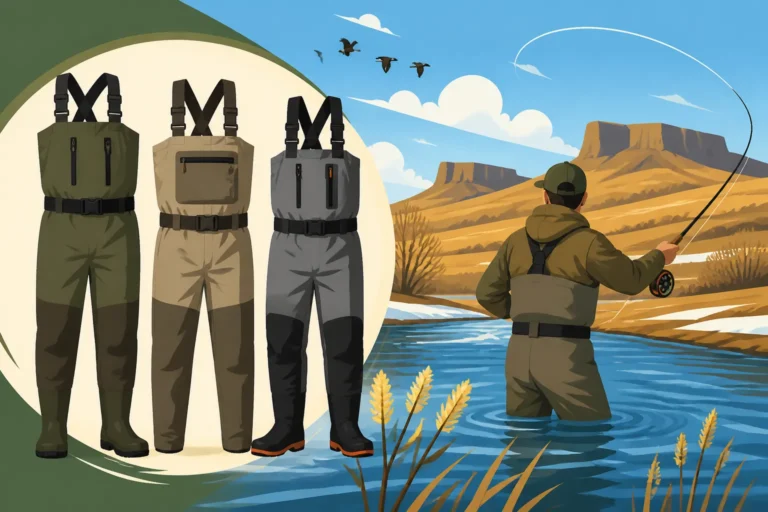
The key is layering, with a focus on materials that retain warmth when wet or dry quickly. Start with a base layer of moisture-wicking synthetic fabric (like polypropylene or merino wool) to draw sweat away from your body. Avoid cotton at all costs; it absorbs water and loses all insulating properties when wet, making you colder faster. Add a middle insulating layer, such as fleece or synthetic puffy jackets. Finally, an outer shell that is waterproof and windproof will protect you from the elements. If you're wearing waders, ensure they have a wading belt cinched tight to prevent water from rushing in and trapping air if you go over. Consider specialized cold weather boots, like those recommended in Best Cold Weather Boots for Ice Fishing, to protect your feet. By dressing appropriately, you enhance the effectiveness of your life jacket by slowing down heat loss from other parts of your body, buying you precious time.
Ice Safety Tools (Picks, Spud Bar)
For those venturing onto the ice, a life jacket is essential, but it should never be your only piece of safety gear. Ice safety tools are equally vital for preventing a fall through the ice or aiding in self-rescue if one occurs.
- Ice Picks: These are handheld spikes, usually connected by a cord worn around your neck, allowing quick access. If you break through the ice, you can use the picks to gain purchase on the edge of the ice, pulling yourself out. They are surprisingly effective and can be the difference between getting out and succumbing to the cold. Every ice angler should have a pair.
- Spud Bar/Ice Chisel: This heavy steel bar with a chisel point is used to test ice thickness as you walk. Before stepping onto new ice, or venturing into an unfamiliar area, repeatedly strike the ice in front of you. If it takes one or two strikes to break through, the ice is likely too thin. If it takes several, it's generally safer. A spud bar also provides a sense of balance and can be used to probe areas that look questionable. Combine these with wearing your PFD and knowing How Thick Ice Needs to Be for Ice Fishing, and you're significantly reducing your risk.
Communication Devices
In any emergency, the ability to call for help is paramount. This is especially true in cold water, where time is of the essence and your ability to shout or signal may be severely limited.
- Waterproof Cell Phone Case: While not foolproof, a waterproof case can protect your phone and allow you to make a call if you go overboard. Keep it in an easily accessible pocket of your life jacket or outerwear.
- VHF Radio: For boaters on larger lakes like Lake Sakakawea Fishing Guide for North Dakota Anglers, a marine VHF radio is a much more reliable communication tool than a cell phone, especially in remote areas where cell service might be spotty. It allows you to contact the Coast Guard, other boaters, or emergency services directly.
- Personal Locator Beacon (PLB) or Satellite Messenger: For the most remote excursions, a PLB or satellite messenger (like those offered by Garmin inReach or SPOT) can transmit your exact GPS location to emergency services with the push of a button. These devices work independently of cell service and are invaluable when fishing far off the beaten path in North Dakota's vast wilderness.
- Whistle: Many PFDs come with an attached whistle. Even a simple whistle can carry a surprising distance over water and can be heard when your voice has given out from cold or exhaustion. It's a low-tech, but highly effective, way to attract attention.
Having these additional safety items, along with your well-chosen cold water life jacket, creates a comprehensive safety net that can truly be the difference between a close call and a tragedy when facing North Dakota's unforgiving cold waters.
Disclaimer
This article is for general informational purposes only and does not constitute professional advice. Laws, prices and regulations vary by location and change over time. Consult a qualified professional for guidance on your specific situation.