Best Sled Cover for Hauling Gear on Snow
Winter ice fishing in North Dakota is an incredible experience, but the journey to your favorite hole can be tough on your gear. There's nothing worse than arriving at a frozen lake only to find your auger caked in snow, your tackle box drenched from slush spray, or your warm layers soaking wet. This guide is all about protecting your valuable ice fishing equipment during transit on snow and ice, focusing specifically on how a quality sled cover acts as a crucial barrier against the elements, saving you frustration and keeping your setup in top condition.
The Unsung Hero of North Dakota Ice Fishing: Why a Sled Cover Matters
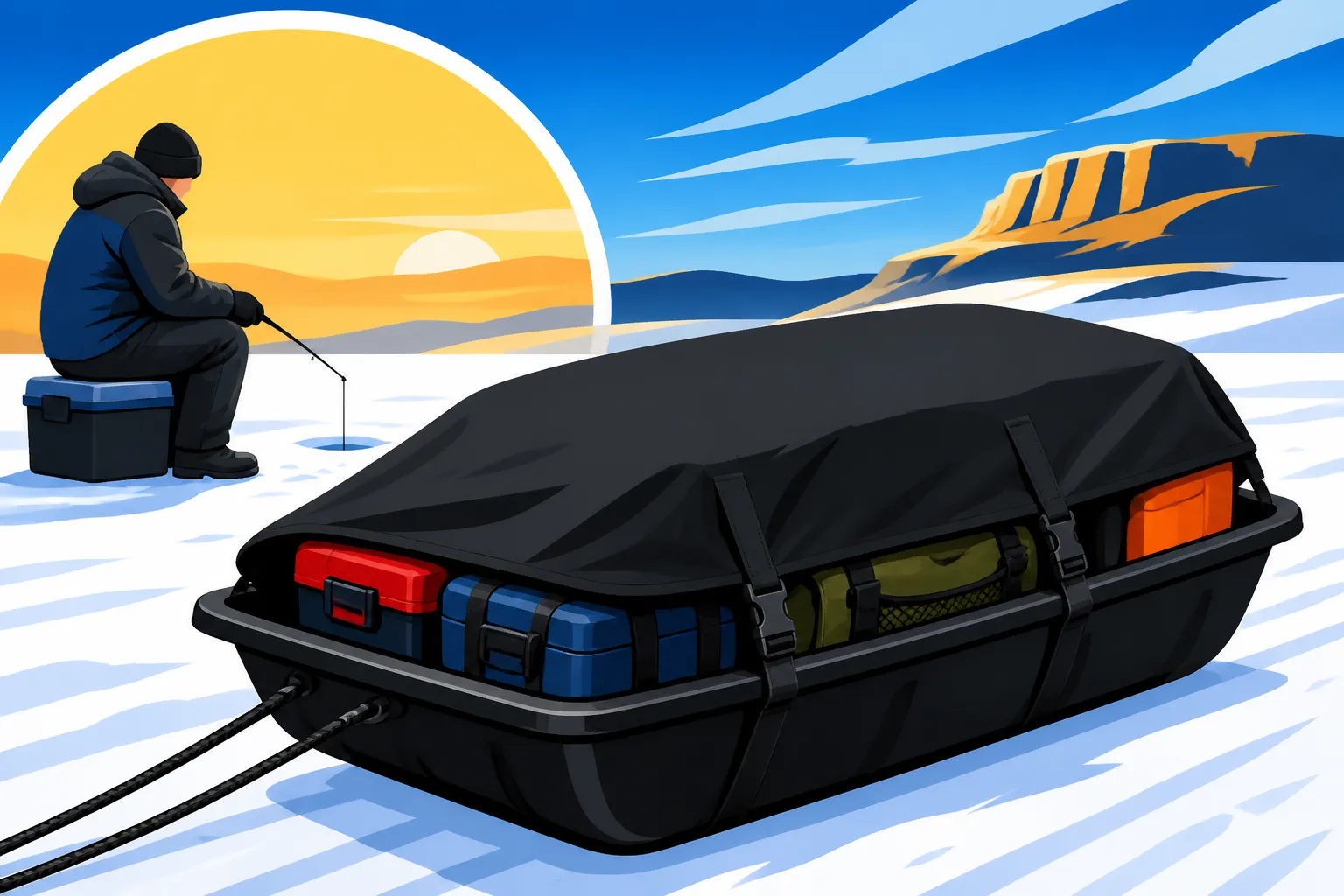
When you're loading up your sled for a day out on Devils Lake Ice Fishing Access Points or heading to Lake Sakakawea State Park Fishing Access, you've likely packed it to the brim with essentials: your auger, rods, tackle, bait, maybe even a portable heater and a Best Portable Ice Shelter for Windy Conditions. All of this gear is exposed to whatever Mother Nature decides to throw at it during transport. A sled cover isn't just a nice-to-have; it's a vital piece of equipment that keeps everything protected from snow, ice, slush, road salt, and even losing items along the way.
Protecting Your Investment from the Elements
Imagine pulling your sled across a fresh blanket of snow, the wind whipping around, or driving down a gravel road that's been recently plowed. Without a cover, your gear becomes a magnet for snowdrifts, slushy spray from your snowmobile or ATV, and abrasive road grime. This isn't just an aesthetic issue; it can lead to serious problems. Snow and ice can melt into sensitive electronics, rust metal components on your auger or reels, and dampen your clothing layers, making for a miserable day on the ice. A good cover creates a complete shield, ensuring everything inside stays as dry and clean as when you packed it.
It’s not just about what comes in, but also what stays in. Many of us have experienced the heart-sinking moment of looking back to see a favorite thermos or a bag of bait bouncing out of the sled. When you're pulling a sled across rough ice or through deep snow, bumps and jostles are inevitable. A properly secured sled cover acts like a giant lid, holding all your items snugly in place. This means less worry about losing gear and more focus on getting to your fishing spot efficiently. Think of it as an insurance policy for your Best Ice Fishing Gear for North Dakota.
Maintaining Organization and Streamlining Transport
Beyond protection, a sled cover helps immensely with organization. While it doesn't organize the inside of your sled (that's another blog post entirely!), it keeps everything contained and consolidated. When you reach your destination, you simply unclip or uncinch the cover, and all your gear is right there, exactly where you left it. No more digging through snow to find a buried bucket or wiping down every individual item. This saves valuable time and effort, especially when the temperature is hovering around How Cold It Gets Ice Fishing in North Dakota and your fingers are already starting to get numb.
For those longer hauls or more adventurous trips, a sled cover becomes even more indispensable. If you're trailering your sled to a remote lake, road spray and debris can be relentless. A sturdy cover protects your investment from the constant bombardment of grit and grime that can scratch finishes, clog mechanisms, and generally wear down your gear prematurely. Even if you’re just pulling it behind your truck for a short distance, having a cover means you don’t have to constantly check if items are still in place or if that rogue gust of wind decided to claim your tackle box. It gives you peace of mind that your setup is secure from point A to point B, ready for action once you reach the ice.
Decoding the Perfect Sled Cover: Essential Features for North Dakota Winters
Choosing the right sled cover might seem straightforward, but North Dakota winters demand specific qualities. The materials, the way it attaches, and its overall design can make a huge difference in its effectiveness and longevity. You want something that can stand up to freezing temperatures, sharp winds, and the abrasive nature of ice and snow.
Material Matters: Durability and Weatherproofing
The foundation of any good sled cover is its material. You'll typically find covers made from various grades of polyester or nylon, often measured in denier. The higher the denier count (e.g., 600D, 900D, 1200D), the thicker and more durable the fabric generally is. For serious North Dakota ice anglers, looking for a higher denier is a smart move, as it offers better resistance against tears, punctures from sharp auger blades or ice chisels, and general wear and tear. A robust material will also withstand UV degradation over time, which can weaken lesser fabrics, even in winter.
Beyond raw strength, waterproofing is absolutely critical. Most quality sled covers will feature a PU (polyurethane) coating or a similar treatment on the inside of the fabric to repel water. Don't confuse "water-resistant" with "waterproof." In a North Dakota blizzard or with heavy slush spray, you need true waterproofing to keep your gear bone dry. Some covers also incorporate reinforced stitching and taped seams, which are crucial details that prevent water from seeping through needle holes – a common point of failure for cheaper covers. When you're browsing options, whether on Amazon or at your local Bass Pro Shops, always check for explicit mention of waterproof coatings and sealed seams.
Attachment Methods and Secure Fit
A cover is only as good as its ability to stay put. Common attachment methods include elastic hems, adjustable straps, or a combination of both. Elastic hems work well for a quick, snug fit around the perimeter of the sled, but on their own, they might not be enough for high-speed towing or extremely windy days. Adjustable straps, often with buckles, provide a much more secure hold, cinching the cover down tightly to the sled. Look for covers that have multiple attachment points and heavy-duty buckles that are easy to operate even with gloved hands in frigid temperatures.
The fit of the cover is another key consideration. While universal covers can work for many sleds, a custom-fit cover designed specifically for your sled model (like those made for popular brands such as Otter or Clam) will always offer the best performance. A custom fit reduces flapping in the wind, which minimizes wear on the fabric and lessens the chance of the cover coming loose. It also typically has a tighter seal, keeping out more snow and slush. If a custom cover isn't available for your particular sled, opt for a universal cover that allows for plenty of cinching and adjustment, often found readily on Amazon with various sizing options.
Here's a quick comparison of common sled cover materials:
| Material Type | Denier Range (Typical) | Key Advantages | Considerations | Best For |
|---|---|---|---|---|
| Polyester | 300D – 1200D | Durable, good UV resistance, water-repellent (coated) | Can be stiff in extreme cold, heavier at higher deniers | General use, good balance of protection and cost, most common |
| Nylon | 200D – 800D | Lighter weight, good abrasion resistance, flexible | Can be more expensive, less UV resistant if not treated | Lighter sleds, situations where weight is a concern, custom-fit options |
| Canvas | 10-18 oz (weight) | Very durable, breathable, classic look | Heavier, can absorb water if not waxed/treated, less common now | Heavy-duty custom applications, traditionalists |
Choosing Your Battle Armor: Different Types of Sled Covers for Every Angler
Just like choosing the right Best Rod and Reel Combo for Beginners in North Dakota or a Best Trolling Motor for North Dakota Lakes, selecting a sled cover means considering your specific needs, the type of sled you have, and how you plan to transport it. There’s no one-size-fits-all, but understanding the options will help you make an informed decision that truly benefits your fishing trips.
Universal vs. Custom-Fit Covers
When it comes to sled covers, the primary distinction is between universal and custom-fit options. Universal covers are designed to fit a range of sled sizes and shapes. They usually feature an elastic hem and a series of adjustable straps that allow you to cinch them down. The biggest advantage of universal covers is their versatility and often a lower price point. If you have an older sled, a less common brand, or simply want a budget-friendly option, a well-made universal cover can certainly do the trick. Many manufacturers sell these, and you can find a wide variety of styles and sizes on platforms like Amazon, often with customer reviews that can guide your choice for a good fit.
Custom-fit covers, on the other hand, are tailored specifically for particular sled models, such as popular ice fishing sleds from companies like Otter Outdoors, Clam, or Shappell. These covers are designed to hug every curve and corner of the sled, providing a much tighter, more aerodynamic fit. This snugness means less flapping at higher speeds, better protection from blowing snow and water, and often more robust attachment points that align perfectly with the sled's design. While they typically cost more, the enhanced protection and durability often make them a worthwhile investment for serious ice anglers, especially if you spend a lot of time transporting your gear across long distances or in extreme conditions. You'll often find these directly from the sled manufacturer or through specialty retailers like Bass Pro Shops.
Specialized Features and Considerations
Beyond the basic fit, some sled covers come with specialized features that can enhance their utility. For anglers who transport their sleds long distances, especially on open roads, covers with integrated reflective strips can significantly increase visibility, which is a crucial safety feature. Others might include vents to prevent moisture buildup inside the sled when stored, which is especially helpful for preventing mildew and rust. Some higher-end covers even feature small access zippers or pockets, allowing you to quickly grab a specific item without fully removing the cover – a small but convenient detail on a cold day.
Consider also how you load and unload your gear. If you frequently stack items high, ensure the cover has enough depth to accommodate this without being overly strained or tearing. If you pull your sled using a hitch, check if the cover design allows for easy access to the hitch point or if it needs to be partially removed. For those who frequently fish with others, a cover that can be quickly removed and re-secured, perhaps even with a single main buckle system, can save time and effort. Thinking through these small use-case scenarios will help you select a cover that truly integrates seamlessly with your overall How to Ice Fish in North Dakota experience.
Maximizing Your Sled Cover's Lifespan and Performance
A quality sled cover is an investment, and like any other piece of vital fishing equipment, it deserves proper care and maintenance. Extending its life means not only getting more value for your money but also ensuring it continues to perform its critical job of protecting your gear season after season. After all, the last thing you want is a torn or compromised cover when you're heading out to the lake for Early Ice Fishing Safety Tips.
Proper Cleaning and Drying Techniques
After a long day or weekend on the ice, your sled cover can accumulate a fair amount of grime, road salt, slush, and even fish guts. Ignoring this buildup can shorten its lifespan. Road salt, in particular, can be corrosive and degrade fabric fibers over time. The best practice is to clean your cover regularly. You don't need harsh chemicals; a simple rinse with a garden hose, using lukewarm water, is usually sufficient. For tougher spots, a mild soap solution (like dish soap) and a soft brush can work wonders. Avoid using strong detergents or bleach, as these can strip the waterproof coating and weaken the fabric.
Once cleaned, proper drying is paramount. Never store a wet or damp sled cover, as this is an open invitation for mildew, which not only smells terrible but also damages the fabric and its waterproof properties. Hang your cover in a well-ventilated area, preferably out of direct sunlight, until it is completely dry. A garage, a shed, or even a laundry room can work. Ensure all folds and crevices are dry before packing it away for extended storage. This simple step goes a long way in preserving the integrity of the material and its protective qualities.
Smart Storage and Winterization Tips
When the ice fishing season wraps up, or even between trips, how you store your sled cover matters. Avoid leaving it wadded up in the bottom of your sled or tossed in a corner where it can be gnawed on by critters or get snagged on other sharp objects. Instead, clean and dry it thoroughly, then fold or roll it neatly. Storing it in a breathable storage bag, or even a plastic tote, can protect it from dust, dirt, and pests. Keep it in a cool, dry place, away from extreme temperature fluctuations or direct sunlight, which can cause the material to break down prematurely.
During the off-season, you might also consider reapplying a waterproofing spray, especially if your cover sees heavy use or if you notice water starting to soak into the fabric rather than bead up. There are many fabric waterproofing treatments available, and they can significantly rejuvenate an older cover's protective qualities. Just make sure to choose a product that is safe for the specific material of your cover. By taking these few extra steps, your sled cover will be ready to tackle the next season's ice and snow, reliably protecting your Essential Gear Checklist for North Dakota Fishing and ensuring you can focus on reeling in that next trophy walleye.
Disclaimer
This article is for general informational purposes only and does not constitute professional advice. Laws, prices and regulations vary by location and change over time. Consult a qualified professional for guidance on your specific situation.