How to Winterize Fishing Gear After the Season
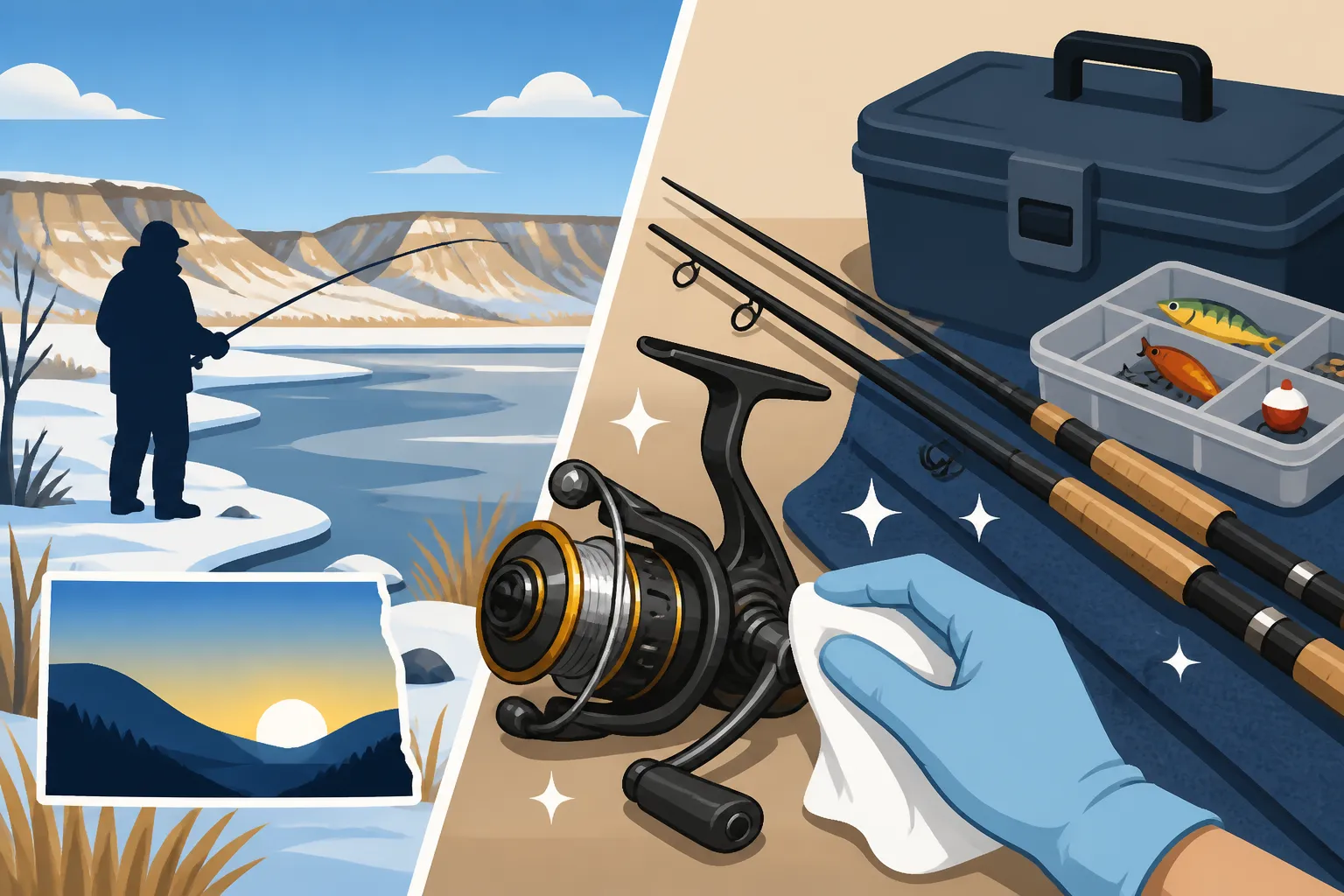
As the crisp air of late fall settles over North Dakota, and the open water fishing season winds down, many of us are already dreaming of next spring's thaw or the first safe ice of winter. But before you simply toss your rods in the corner and stack your tackle boxes in the garage, it's absolutely crucial to take some time to properly winterize your fishing gear. Neglecting this vital step can lead to rusted reels, damaged rods, and a whole lot of frustration when you're itching to hit the water again. This comprehensive guide will walk you through everything you need to do to ensure your fishing equipment not only survives the harsh North Dakota winter but is also in prime condition for your next adventure.
Why Winterizing Your Fishing Gear is Non-Negotiable
Let's be honest, after a long season of chasing walleye on Lake Sakakawea or battling big catfish on the Red River, the last thing you often want to do is spend more time with your gear. It's tempting to just pack it away, but skipping the winterization process is a surefire way to shorten the lifespan of your expensive equipment and lead to major headaches down the road. The extreme temperature fluctuations and humidity of a North Dakota winter can be incredibly unkind to metal, plastics, and delicate electronics if they aren't properly prepared.
Protecting Your Investment
Think about how much you've invested in your fishing setup. A good quality rod and reel combo, a well-stocked tackle box, and specialized apparel aren't cheap. Leaving saltwater residue, dirt, or even just moisture on your gear can lead to irreversible damage. Reel bearings can seize up, rod guides can corrode, and hooks can rust solid into your favorite lures. Imagine pulling out your trusted spinning reel next spring, only to find the retrieve is gritty or the drag slips because of neglect. It’s a gut-wrenching feeling, and one that's entirely preventable with a little effort now. Taking the time to care for your gear is an act of self-preservation for your wallet, ensuring you don't have to replace items prematurely.
Ensuring Peak Performance Next Season
Beyond just preventing damage, proper winterization ensures your gear performs at its best when you need it most. A reel that's been cleaned and lightly lubricated will cast smoother, retrieve easier, and have a more consistent drag. A rod with clean, intact guides will allow your line to flow freely, leading to longer casts and better sensitivity. When you're out on the water, whether you're trying to land a trophy northern pike or finesse a reluctant walleye, you want your equipment to be an asset, not a liability. Well-maintained gear gives you confidence and a distinct advantage, allowing you to focus on the fish rather than fighting with a sticky reel or a compromised rod. This preparation is part of what makes the North Dakota Open Water Fishing Season so enjoyable from the very first cast.
Step-by-Step Guide to Winterizing Your Rods and Reels
These are the workhorses of your fishing arsenal, and they deserve meticulous attention before being put into hibernation. Taking the time to properly clean, inspect, and store your rods and reels will save you a lot of grief when spring fishing rolls around.
Rod Care: Cleaning, Inspecting, and Storage
Your fishing rods take a beating throughout the season, enduring everything from the elements to the thrashing of big fish. Start by giving each rod a thorough wipe-down. Use a damp cloth with a mild soap solution to clean the blank, paying close attention to any grime buildup around the handle or guides. Rinse it off completely with plain water, then dry it thoroughly with a soft towel.
Next, it's time for a detailed inspection. Run your fingers along each guide insert, checking for any cracks, chips, or rough spots that could fray your line. Loose guides can often be re-wrapped by a professional, but a chipped insert usually means replacing the guide entirely. Check the ferrule connections on multi-piece rods for any signs of wear or looseness. Inspect the reel seat for corrosion or damage, and make sure the locking mechanism still functions smoothly. Finally, examine the cork or EVA foam handle for any deep gouges or areas that are starting to degrade. Any significant damage should be addressed before next season, as these small issues can quickly become bigger problems.
For storage, avoid leaning rods against a wall where they can warp or get knocked over. Ideally, rods should be stored horizontally on a rack or in individual rod socks to prevent scratches and dings. Never store rods in direct sunlight or in areas with extreme temperature swings, like an uninsulated garage, as this can degrade the blank and components over time. Many anglers use soft rod sleeves, easily found on Amazon, to protect individual rods. Keeping them in a stable environment will ensure their integrity through the winter.
Reel Care: Deep Cleaning, Lubrication, and Line Management
Reels are precision instruments, and they accumulate salt, sand, dirt, and old lubricant over time, especially after a full North Dakota Fishing Season Dates and Limits. Begin by rinsing your reels thoroughly with fresh water, especially if you've been fishing in brackish or muddy conditions. Avoid high-pressure spray; a gentle stream from a faucet is usually sufficient. Let them air dry completely, or use a soft cloth to pat them dry.
Once dry, a deeper cleaning is necessary. Remove the spool (if possible) and use a cotton swab or a soft brush with a mild cleaner to get into tight spots, removing any visible grime. For spinning reels, pay attention to the bail and line roller. For baitcasters, clean the worm gear and level wind. At this point, you might want to consider removing the old fishing line. Line can develop memory, weaken from UV exposure, or get frayed, so starting fresh next season is often a good idea. Consider picking up a spool of your preferred line on Amazon when you’re refreshing your tackle supplies.
Next comes lubrication. This is a delicate balance: too little, and parts will wear; too much, and it can attract dirt or slow down performance. Use high-quality reel oil for bearings and moving parts, and a small amount of reel grease for gears. Consult your reel's manual for specific lubrication points. Generally, a tiny drop of oil on bail springs, handle knobs, and the main shaft (after removing the spool) is sufficient. A thin layer of grease on the main gear teeth will protect them. Avoid lubricating the drag washers unless specifically recommended by the manufacturer with a specialized drag grease. When you're done, back off the drag setting completely to prevent the drag washers from compressing and sticking over time. Store reels in a padded case or bag to prevent bumps and scratches.
Preparing Your Tackle, Clothing, and Miscellaneous Gear for Storage
Your rods and reels might be the stars of the show, but the supporting cast of tackle, apparel, and other gear also needs proper attention before the long winter. Neglecting these items can lead to rusted hooks, ruined waders, or dead batteries when you're ready to hit the water next spring.
Tackle Box Organization and Lure Preservation
The tackle box is often a chaotic mess by the end of the season. Now is the perfect time to clean it out. Start by removing all lures, weights, hooks, and tools. Wipe down the inside of your tackle boxes with a damp cloth and a mild disinfectant to remove any lingering grime or fish smell. Ensure they are completely dry before putting anything back in.
For your lures, especially those with treble hooks or exposed metal, inspect each one. Are the hooks still sharp? Are they rusted? Rusty hooks are useless and can even damage your tackle box. Replace any rusty or dull hooks. Clean off any mud, weed residue, or old scent from your baits. To prevent rust from forming on hooks and metal components during storage, consider adding desiccant packs (like those silica gel packets) to your tackle trays. You can often buy these in bulk on Amazon. Storing lures in waterproof trays or specialized tackle bags, such as those made by Plano, will also help protect them from moisture and organization. Taking this time to organize now will make prepping for your first trip next season much faster, especially if you reference your Essential Gear Checklist for North Dakota Fishing.
Apparel and Footwear Maintenance
Your fishing apparel—waders, rain gear, insulated jackets, and even fishing hats—can get surprisingly dirty and smelly over a season. Give all your fishing clothing a good wash according to the manufacturer's instructions. For waders, especially breathable models, ensure they are completely dry inside and out before storing them. Hanging waders upside down for several days in a well-ventilated area is a good practice to prevent mildew.
Store all apparel in a breathable container or hanging in a closet. Avoid stuffing waders or rain gear into airtight plastic bags, as this can trap moisture and lead to mildew or degradation of waterproof coatings. For insulated items or specialized footwear like Best Cold Weather Boots for Ice Fishing, ensure they are clean and dry, and store them in a way that doesn't compress their insulation, which can reduce their effectiveness.
Electronics, Batteries, and Other Essentials
Many anglers rely on portable fish finders, GPS units, and headlamps. Batteries are often the first casualty of neglect. Always remove all batteries from your electronics before storing them for the winter. Batteries left in devices can leak, corrode contacts, and permanently damage your expensive gadgets. Store loose batteries in a cool, dry place. For rechargeable batteries, fully charge them before storage, and consider checking them periodically throughout the winter, topping them off if needed, following the manufacturer's recommendations.
Don't forget about your landing nets, tools, and other accessories. Clean and dry your landing nets thoroughly. Sharpen any dull fillet knives – a sharp knife is a safe knife! – and wipe down any metal tools with a light coat of oil to prevent rust. Your Best Fillet Knives for Walleye and Pike will thank you. Store these items in designated spots, ensuring everything is clean and ready for action when the ice goes out.
Storing Your Gear for the Long North Dakota Winter
Where you store your gear is almost as important as how you prepare it. The harsh North Dakota climate demands careful consideration to protect your equipment from extreme temperatures, humidity, and pests.
Ideal Storage Conditions
The best environment for storing fishing gear through the winter is a cool, dry, and stable one. This usually means an interior closet, a dedicated storage room, or a heated basement. The goal is to avoid areas with wide temperature fluctuations or high humidity. An uninsulated garage or shed, while convenient, can expose your gear to freezing temperatures, thawing cycles, and potentially excessive moisture, which is a recipe for rust and material degradation. Consider a small dehumidifier in your storage area if you notice dampness.
Rods should ideally be stored horizontally on wall racks or in their original cases. Reels, once cleaned and lubricated, can be kept in individual padded bags or cases within a larger container. Tackle boxes should be stacked carefully, ensuring they won't warp or crush other items. If you have larger items like an ice fishing shelter, ensure it's completely dry and stored flat or in its carry bag in a protected area, away from rodents. Even simple steps like keeping your Best Waders for Shore Fishing hung up and not crumpled will help.
Common Winterization Mistakes to Avoid
We all make mistakes, but some winterization blunders can be particularly costly. One of the biggest no-nos is storing gear when it's still damp or wet. Any trapped moisture is an open invitation for rust, mildew, and foul odors. Always ensure everything, especially waders, boat covers, and nets, is bone dry before putting it away.
Another common mistake is leaving batteries in electronics. As mentioned earlier, leaking batteries can cause irreparable damage. Don't fall victim to this oversight. Similarly, neglecting to back off the drag on your reels can lead to compressed drag washers that stick, affecting performance.
Finally, rushing the process is a mistake. Winterization isn't just about putting things away; it's about preparation. Skimping on the cleaning or inspection steps now means you'll either be fixing broken gear or facing frustrating equipment failures when you're out fishing next season. Treat your gear with respect, and it will serve you well for many seasons to come. While you're at it, consider the broader picture of winter prep, like properly storing your boat and trailer. You can find detailed guides on topics like How to Winterize a Boat Trailer and Best Way to Winterize a Boat Motor to cover all your bases for the off-season.
| Gear Type | Winterization Action | Why It's Important |
|---|---|---|
| Rods | Clean blank and guides, inspect for damage, store flat/in socks. | Prevents warping, protects guides, ensures smooth line flow. |
| Reels | Rinse, deep clean, lubricate, remove old line, loosen drag. | Prevents corrosion, maintains smooth operation, prolongs lifespan. |
| Tackle Boxes | Clean out, inspect lures/hooks, replace rusty hooks, add desiccant. | Prevents rust, maintains lure integrity, saves time next season. |
| Apparel | Wash, thoroughly dry (especially waders), store in breathable containers. | Prevents mildew, preserves waterproof coatings, maintains insulation. |
| Electronics | Remove batteries, clean external surfaces, store in protective cases. | Prevents battery leakage, protects delicate components, ensures functionality. |
| Batteries | Remove from devices, charge (if rechargeable), store in a cool, dry place. | Prevents leaks, maintains charge, ensures readiness. |
| Nets/Tools | Clean, dry, sharpen knives, lightly oil metal tools. | Prevents rust, maintains effectiveness, ensures safety. |
Disclaimer
This article is for general informational purposes only and does not constitute professional advice. Laws, prices and regulations vary by location and change over time. Consult a qualified professional for guidance on your specific situation.