Best Portable Heater for an Ice Shelter
There's nothing quite like the crisp air and serene quiet of a North Dakota winter day out on the ice, but let's be honest: that quiet can turn into bone-chilling cold faster than you can say "fish on!" Battling the frigid temperatures inside your ice shelter without proper heating can quickly turn a fantastic day of angling into a miserable sprint back to the truck. This guide is all about helping you understand what makes a great portable heater for your ice shelter, so you can stay warm, comfortable, and focused on landing that next big catch, no matter how low the mercury dips.
Why a Portable Heater is Your Best Friend on North Dakota Ice
If you've ever tried to ice fish without a heater when it's well below zero, you know the struggle is real. It’s not just about staying toasty; it's about making your time on the ice genuinely enjoyable and, frankly, safer. A good portable heater transforms your ice shelter from a mere windbreak into a cozy sanctuary.
Battling the Bitter North Dakota Cold
North Dakota winters are legendary for their harshness. We're talking about days where the air temperature alone can make your fingers and toes ache within minutes, not to mention the infamous wind chill that can drop effective temperatures even further. Without a reliable heat source, you're not just uncomfortable; you're flirting with real dangers like frostbite and hypothermia. Think about those long waits between bites, or the moments you’re trying to re-tie a knot with numb fingers. A heater alleviates so much of that stress.
When the wind howls across a vast, frozen lake like Devils Lake or Lake Sakakawea, even the best insulated shelter needs a boost. The constant cold seeping in through the floor, the zippers, and the fabric itself is relentless. A heater provides that much-needed counter-force, creating a pocket of warmth where you can thaw out your hands, take a moment to sip something hot, and generally recharge before heading back to the holes. This isn't just about luxury; it's about resilience in extreme conditions. Knowing How Cold It Gets Ice Fishing in North Dakota can really drive home the necessity of proper heating.
Enhancing Your Fishing Experience and Comfort
Beyond just keeping you from freezing, a heater dramatically improves the overall ice fishing experience. Imagine this: you've been outside setting up your Setting Up an Ice Fishing Shelter and drilling holes, and your gloves are a bit damp from handling slush. Without a heater, those gloves would stay cold and eventually freeze, making them useless. With a heater, you can dry them out, warm them up, and keep your hands functional. This extends your time on the ice, allowing for longer, more productive fishing sessions instead of having to pack up early due to discomfort.
Moreover, comfort leads to better focus. When you're constantly shivering, stomping your feet, or blowing on your hands, your attention isn't on your fish finder or the subtle tap on your line. It's on survival. A warm shelter allows you to relax, observe your electronics, and feel those delicate bites. For families, especially when bringing kids, a warm shelter is non-negotiable. Happy, warm kids mean a happy, longer fishing trip for everyone. Plus, a heater can even help prevent your holes from freezing over, saving you the effort of repeatedly re-drilling in colder conditions. If you're looking for Best Ice Fishing Gear for North Dakota, a reliable heater should be at the top of your list.
Key Factors to Consider When Choosing an Ice Shelter Heater
Choosing the right portable heater isn't a "one size fits all" decision. There are several crucial factors to weigh that will impact its effectiveness, safety, and suitability for your specific ice fishing adventures.
Fuel Type and Efficiency
The type of fuel your heater uses is a primary consideration, influencing everything from run time and heat output to ease of transport and cost. Most portable ice fishing heaters use propane, but you might occasionally see butane or other fuel types.
- Propane Heaters: These are by far the most common and popular choice for ice fishing in North Dakota. Propane offers excellent heat output (measured in BTUs) and is readily available. You can typically find small 1-pound disposable canisters, which are convenient for shorter trips or smaller shelters, or larger 20-pound tanks (like those used for BBQ grills) that can be connected via a hose for extended use in bigger shacks. The larger tanks offer better value and longer run times, but they're heavier to transport. Propane performs well in cold temperatures, which is critical for North Dakota winters. Many anglers stock up on their propane cylinders at local hardware stores or even big box retailers like Bass Pro Shops before heading out to the lake.
- Butane Heaters: Less common for dedicated ice fishing, butane heaters are often smaller, lighter, and use compact cartridges. They tend to be less powerful than propane options and can struggle in very cold temperatures, where butane doesn't vaporize as efficiently. This makes them less ideal for the extreme cold we often face.
- Other Fuel Types (e.g., Kerosene): While some larger, permanent ice shacks might use kerosene or diesel heaters, these are generally not considered "portable" for the average angler pulling a sled out onto the ice. They require more ventilation, can be smellier, and are heavier. Stick to propane for true portability and convenience.
When considering efficiency, think about the heater's run time on a given fuel source. A heater might put out a lot of heat, but if it burns through a 1-pound propane tank in two hours, it might not be practical for a full day of fishing unless you're carrying a whole backpack full of spare tanks. This is where connecting to a larger tank becomes a game-changer.
BTU Output and Shelter Size Matching
BTU stands for British Thermal Unit, and it's simply a measure of heat output. The higher the BTU rating, the more heat the unit can generate. Matching your heater's BTU output to your ice shelter's size and insulation level is critical for comfort and efficiency.
If your heater has too few BTUs for your shelter, you'll feel perpetually chilly, constantly running the heater on high, and burning through fuel inefficiently. If it has too many BTUs, you'll constantly be opening zippers or turning the heater off and on, leading to an uncomfortable hot-then-cold cycle. This is particularly true for a Best Portable Ice Shelter for Windy Conditions, where gusts can easily strip away heat.
Here's a general guideline for matching BTUs to shelter size. Keep in mind that factors like outside temperature, wind, and your shelter's insulation (single-layer fabric vs. heavily insulated canvas) will also play a role.
| Shelter Type / Size | Approximate Square Footage | Recommended BTU Range | Notes |
|---|---|---|---|
| Small Hub (1-2 person) | 20-30 sq ft | 3,000-5,000 BTU | Ideal for personal warmth and small spaces. |
| Medium Hub / Flip-Over (2-3 person) | 30-50 sq ft | 5,000-9,000 BTU | Good balance for small groups, quick heating. |
| Large Hub (3-5 person) | 50-80 sq ft | 9,000-15,000 BTU | Keeps larger spaces comfortable even in colder temps. |
| Extra-Large Hub / Permanent Shack | 80-120+ sq ft | 15,000-25,000+ BTU | For serious comfort in spacious shelters or extreme conditions. |
Always err on the side of slightly more BTU than you think you need, especially in North Dakota, as you can always turn a heater down, but you can't make it produce more heat than its maximum rating. Many popular portable heaters offer variable BTU settings, allowing you to adjust the heat output to suit the conditions and your comfort level.
Safety Features
When you're operating a combustion device in a small, enclosed space like an ice shelter, safety is paramount. You absolutely cannot compromise on safety features.
- Oxygen Depletion Sensor (ODS): This is arguably the most critical safety feature. Heaters burn oxygen, and in an enclosed space, oxygen levels can drop to dangerous levels, leading to carbon monoxide buildup. An ODS detects low oxygen and automatically shuts off the heater before it becomes a hazard. Never, ever use a heater without an ODS in an enclosed space. This is vital, especially since many anglers might wonder Is It Safe to Use a Propane Heater in an Ice Shelter?
- Tip-Over Shut-Off Switch: Accidents happen. A fishing line can snag, someone can trip, or a gust of wind can shake your shelter. If your heater is accidentally knocked over, a tip-over switch will automatically shut it off, preventing fire hazards.
- Carbon Monoxide Detector: While modern heaters with ODS are designed to prevent dangerous carbon monoxide levels, a battery-operated carbon monoxide detector is an inexpensive and highly recommended additional safety measure. These detectors provide an audible alarm if CO levels rise, giving you an extra layer of protection. Always ensure your shelter has adequate ventilation, even with these safety features. Cracking a window or door slightly allows fresh air in and harmful gases out. Your life, and the lives of those fishing with you, depend on these precautions. Reviewing Early Ice Fishing Safety Tips always reminds us of the importance of these considerations.
Portability and Ease of Use
Ice fishing often involves hauling gear across the ice, sometimes for considerable distances. Therefore, the heater's portability and how easy it is to operate are significant considerations.
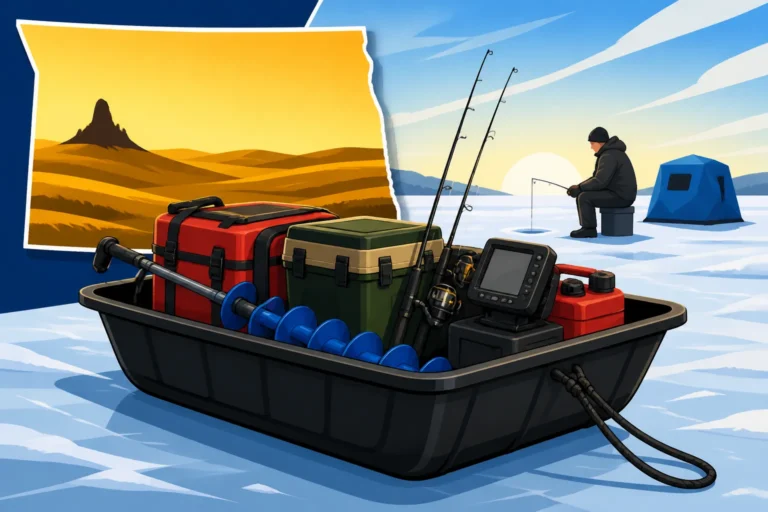
- Weight and Size: A large, heavy heater might be perfect for a permanent shack but completely impractical for a portable hub shelter that you haul out on a sled. Look for heaters designed with portability in mind – often compact, relatively lightweight, and with integrated carrying handles. Consider how it will fit in your Best Ice Fishing Sled for Hauling Gear alongside your rods, tackle, and other essentials.
- Ignition System: Most modern portable heaters feature push-button piezo ignition, making them quick and easy to start even with cold hands. Avoid models that require a match or external lighter, especially if you're dealing with gloves or cold, numb fingers.
- Fuel Connection: Check how easily the heater connects to its fuel source. Small 1-pound tanks usually twist directly on. If you plan to use a larger bulk tank, ensure the heater is compatible with a standard hose and regulator setup, which you can often purchase separately from retailers like Amazon or your local sporting goods store. Simplicity in setup means less time fumbling in the cold and more time fishing.
Top Features and Brands to Look For
Once you understand the fundamental requirements, you can start exploring the types of portable heaters that will best serve your North Dakota ice fishing needs.
Radiant vs. Convection Heating
Heaters primarily use one of two methods to transfer heat: radiant or convection. Understanding the difference helps you choose what's best for your setup.
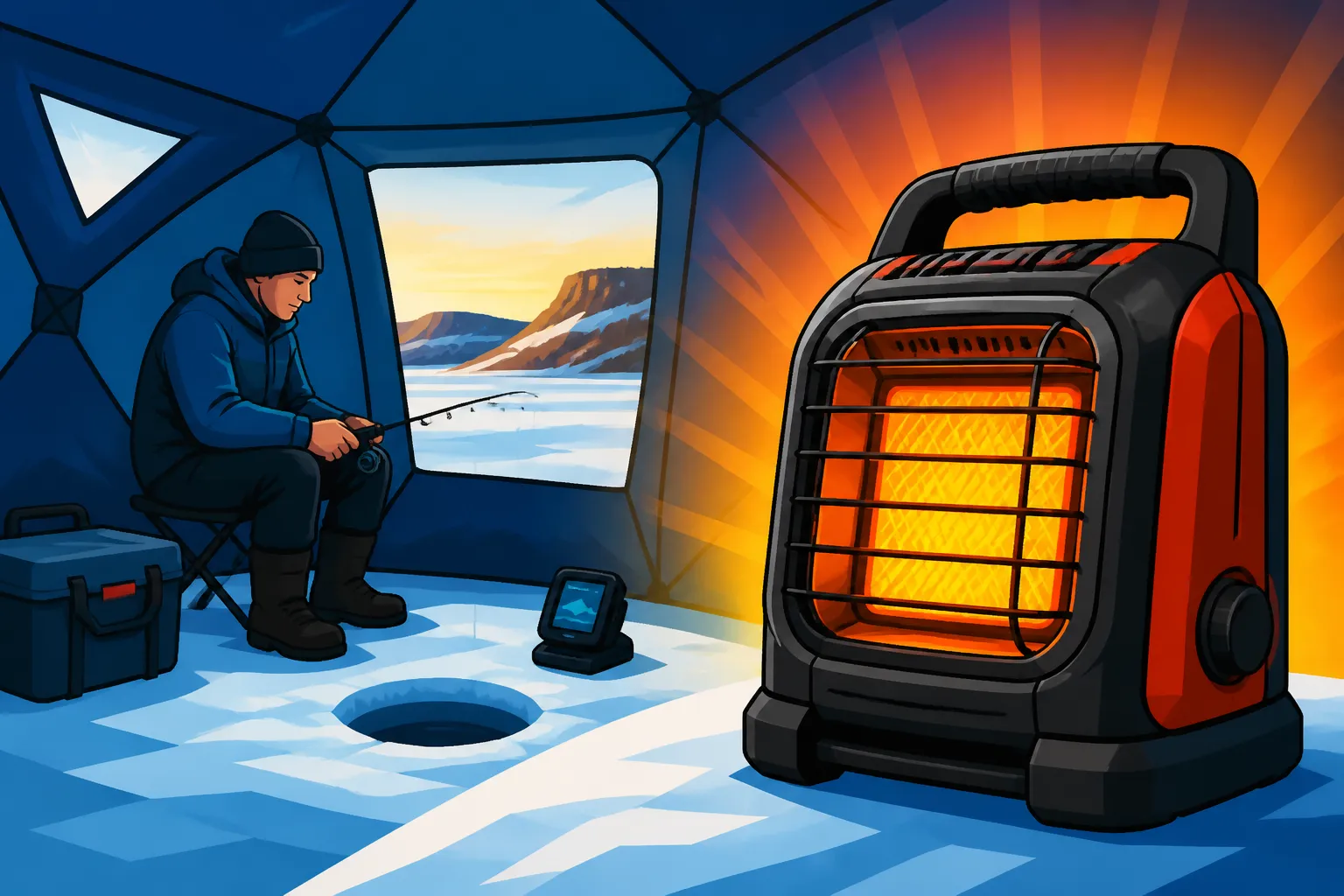
- Radiant Heaters: These heaters emit infrared radiation that directly warms objects (including you!) in its line of sight, much like the sun. They don't necessarily heat the air around them but rather provide direct, focused warmth. Think of standing near a campfire – you feel the heat directly, even if the air around you is cold. For ice shelters, radiant heaters are excellent for quickly warming up a person or drying a wet glove. They're often compact and perfect for smaller shelters or personal use, providing immediate comfort. They are quite efficient because they don't try to heat the entire volume of air, which can quickly escape.
- Convection Heaters: These work by heating the air, which then circulates throughout the space. The warm air rises, pushes the colder air down, and a convection current is created, gradually warming the entire shelter. Think of your home furnace. Convection heaters are great for larger shelters where you want ambient warmth rather than direct, focused heat. They can create a more uniformly warm environment but might take a bit longer to feel effective, especially if your shelter isn't well-sealed. Some heaters combine aspects of both, offering radiant panels and a small fan to aid convection.
For most portable ice fishing applications in North Dakota, radiant heaters are incredibly popular due to their instant, direct warmth and compact size.
Popular Heater Models and Their Strengths
While specific model names and prices change, certain types of portable propane heaters have become staples in the ice fishing community due to their reliability and features. When you're looking for a heater, you'll often see common designs that fall into these categories, many of which are widely available at outdoor retailers like Bass Pro Shops.
- Compact Personal Heaters: These are often small, single-burner radiant heaters designed for one person or a very small shelter. They typically connect directly to a 1-pound propane cylinder. Their strength lies in their ultra-portability and direct warmth. They're fantastic for solo anglers or for supplementing a larger heater in a big shack. They usually offer a BTU range of 3,000-5,000.
- "Buddy"-style Heaters: These are incredibly popular for good reason. They offer a good balance of portability, heat output, and safety features. They often feature multiple heat settings (e.g., 4,000 to 9,000 BTUs), an ODS, and a tip-over switch. Many can run off either a 1-pound propane tank or be connected to a larger 20-pound tank via an accessory hose. Their versatility makes them a go-to choice for 2-4 person shelters. You'll see many variations of this design, all aiming to provide reliable, safe heat.
- Cabinet Heaters: These are larger, usually more powerful heaters designed for bigger, more permanent ice shacks. They typically house a 20-pound propane tank directly inside the unit, offering longer run times without external hoses. While some are on wheels, they are less "portable" in the sense of being carried long distances on foot. They provide substantial BTU output (15,000+ BTUs) and are excellent for keeping spacious ice castles toasty.
When researching, read user reviews on sites like Amazon to get real-world feedback on how heaters perform in genuinely cold conditions and how reliable their safety features are.
Accessories for Optimal Performance and Safety
A good heater setup goes beyond just the heater itself. Certain accessories can enhance performance, increase safety, and make your ice fishing experience even better.
- Propane Hose and Filter: If you plan to use a larger 20-pound propane tank, you'll need a proper hose and regulator assembly to connect it to your heater. Many heaters also benefit from a propane filter, which can prevent oil and debris from entering the heater and causing problems, especially with bulk tanks. Always ensure the hose is rated for low temperatures and is long enough to safely position your tank outside or away from the direct heat source if preferred.
- Carbon Monoxide Detector: As mentioned earlier, this is a non-negotiable safety item. A simple, battery-operated CO detector provides critical early warning, adding an essential layer of protection.
- Fan Attachments: Some portable heaters have optional fan attachments (often battery-operated) that help circulate the warm air, especially in larger shelters. This can turn a radiant heater into a more effective convection heater, distributing warmth more evenly throughout your space.
- Fuel Caddy/Carrier: If you're using multiple 1-pound propane tanks, a dedicated caddy can keep them organized and prevent them from rolling around in your sled or bucket. For 20-pound tanks, a sturdy milk crate or tank cover can protect the valve and keep it stable.
- Ignition Tools & Spares: Even with piezo ignition, it's wise to carry a backup method, like a long-stem lighter or waterproof matches, just in case. Also, consider carrying spare 1-pound propane canisters if you're not using a bulk tank, especially for longer outings or when How to Ice Fish in North Dakota involves extended stays on the ice.
Ultimately, the best portable heater for your ice shelter is one that keeps you consistently warm, operates safely, matches your shelter size, and is convenient for your specific fishing style. With the right heater, you can truly embrace the North Dakota ice fishing season, turning those frosty mornings into unforgettable angling adventures. From finding the perfect spot on Best Ice Fishing Lakes in North Dakota to abiding by North Dakota Ice Fishing Rules, a warm shelter makes every other aspect of your trip better.
Disclaimer
This article is for general informational purposes only and does not constitute professional advice. Laws, prices and regulations vary by location and change over time. Consult a qualified professional for guidance on your specific situation.