Best Rod Power for Catfish on the Red River
Anglers often face a unique challenge when chasing the legendary channel catfish of the Red River: these aren't your average pond dwellers. The sheer size and power of a Red River cat, combined with the river's relentless current, can quickly turn an exciting fight into a snapped line or a broken rod if you're not properly equipped. This guide will walk you through everything you need to know about choosing the best rod power to conquer those mighty North Dakota whiskered giants.
Understanding Rod Power: What Does it Really Mean for Catfishing?
When you're browsing for a new fishing rod, you'll often see terms like "medium-heavy" or "extra-heavy," and it's easy to confuse these with how stiff the rod feels. But rod power, or "weight" as it's sometimes called, is a specific measurement of a rod's lifting strength and its ability to handle certain line and lure weights. It's fundamentally different from a rod's action, though the two work hand-in-hand to create a rod's overall performance.
Distinguishing Rod Power from Rod Action
Let's break down these two critical characteristics. Rod power refers to the amount of force required to bend the rod blank. Think of it as the rod's backbone. A light power rod bends with very little pressure, while a heavy power rod requires a significant amount of force to flex. This directly relates to the size of fish you're targeting and the weight of the tackle you're throwing. For instance, a rod designed for panfish might be "light" power, suitable for tiny jigs and 4-pound line. A rod for Red River catfish, however, needs to handle heavy sinkers, substantial baits, and fish that can easily top 20 pounds, demanding a much greater power rating. The rod's power also dictates the range of line weights and lure weights it's designed to perform optimally with, which you'll usually find printed right on the blank. Using a line or lure that's too heavy for the rod's power rating is a recipe for disaster, risking a snapped rod on a cast or during a powerful run.
Rod action, on the other hand, describes where along the blank the rod bends when pressure is applied. A "fast" action rod bends primarily in the top third or quarter, offering maximum sensitivity and quick hook sets. This is often preferred for techniques where you need to feel subtle bites and react instantly. A "moderate" action rod bends more towards the middle of the blank, providing a more parabolic curve that's excellent for absorbing lunges and keeping fish pinned, especially with treble hooks. A "slow" action rod bends almost from the handle, offering a very soft, forgiving presentation but less power for driving hooks or controlling big fish. For powerful species like Red River channel catfish, a rod with ample power is crucial, but pairing it with the right action ensures you can both detect bites and effectively fight the fish. You need that power to turn a stubborn fish away from snags and pull it against the relentless current.
Why Red River Catfish Demand Specific Rod Power
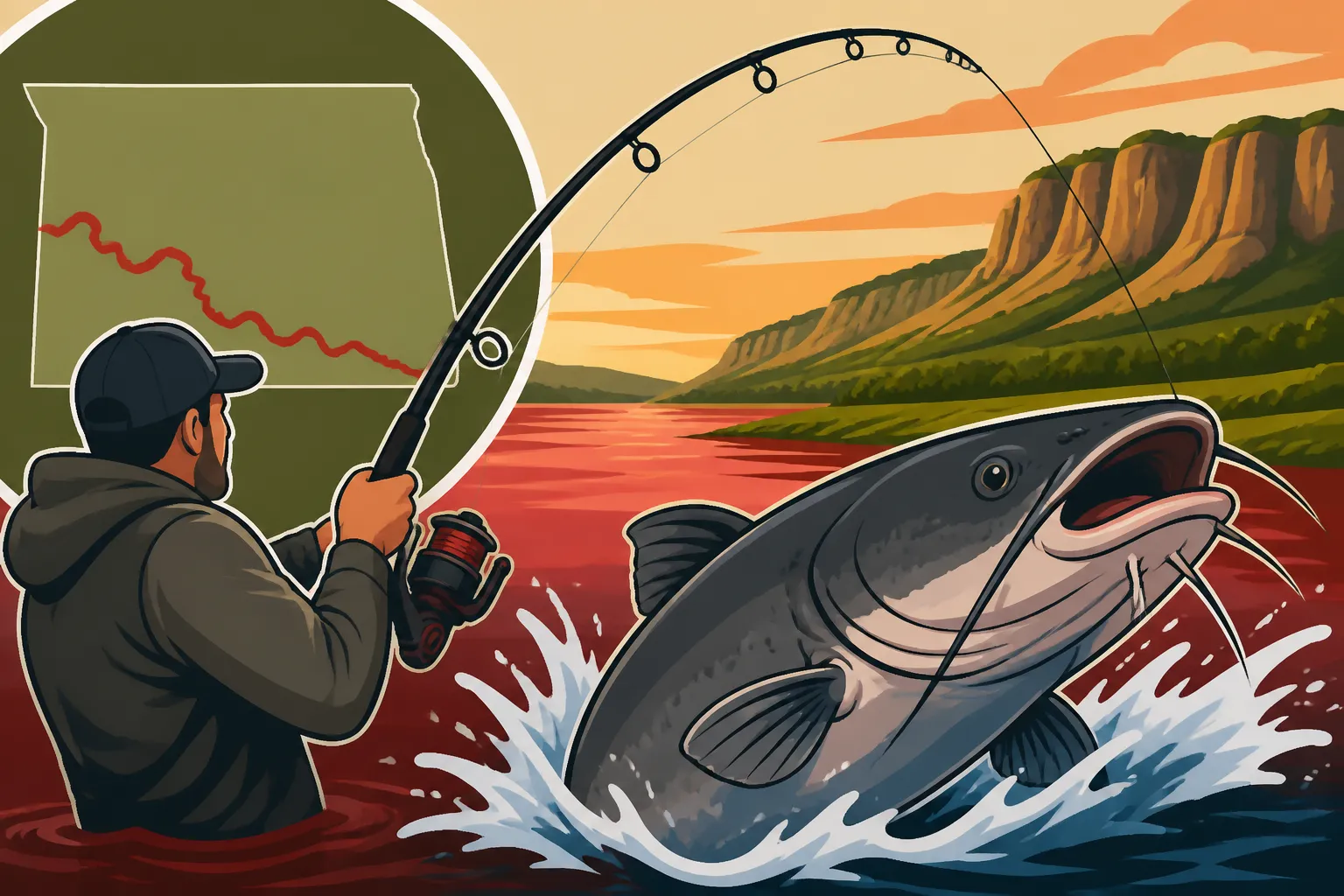
The Red River of the North isn't just any waterway; it's a legendary fishery renowned for its absolutely gargantuan channel catfish. These fish are not just big; they're incredibly strong, built for life in a moving current, and they fight with a tenacity that can surprise even seasoned anglers. A typical channel cat on the Red River might range from 5 to 15 pounds, but fish exceeding 20 or even 30 pounds are caught regularly. Just imagine trying to wrestle a 30-pound fish that's leveraging a strong current against you with a flimsy bass rod – it's just not going to happen.
The river's characteristics also play a huge role in determining rod power needs. The current, especially during periods of higher flow, demands heavy sinkers to keep your bait stationary on the bottom. We're talking about 3, 4, or even 6 ounces of lead just to hold bottom. Casting that much weight, plus a large chunk of cut bait, requires a rod with serious backbone. If your rod is underpowered, you'll struggle to make effective casts, risk breaking the rod on a powerful hook set, or simply won't have the leverage to control a trophy cat once it's on the line. I've seen countless anglers, new to the Red River, show up with gear that's perfectly adequate for their local lakes only to be utterly humbled by the sheer power of these fish. You need a rod that can not only cast the necessary weight but also absorb those powerful, head-shaking runs and give you the confidence to guide a heavy fish to the net. For more on these incredible fish, check out Channel Catfish Identification in North Dakota.
The Ideal Rod Power for Red River Catfish: Heavy to Extra Heavy
When it comes to the Red River, you really can't go too light. The most common and effective rod powers for this unique fishery are heavy (H) and extra-heavy (XH). These aren't just buzzwords; they represent the minimum amount of backbone you need to effectively fish for and land the powerful channel cats that call the Red River home.
Why Heavy Power is Your Go-To
For the vast majority of your Red River catfishing adventures, a heavy power rod will be your steadfast companion. This power rating provides the perfect balance of strength and manageability for typical Red River channel catfish. With a heavy power rod, you can comfortably cast those necessary 3-6 ounce sinkers, coupled with substantial baits like large chunks of goldeye or suckers. The robust backbone of a heavy rod allows you to drive big, stout hooks into a catfish's tough mouth with authority, ensuring a solid hook set even at a distance or in current. Once hooked, a heavy power rod gives you the leverage to turn a strong fish away from snags and keep it from burying itself in cover or using the current to its advantage. This means less time fighting the fish and more control, which is crucial for both landing the fish and minimizing stress on it.
Think about a typical day on the Red River: you're anchored up, waiting for a bite. Suddenly, your rod tip doubles over. You grab it, set the hook hard, and the fish immediately tries to bolt downstream. A heavy power rod allows you to put genuine pressure on that fish, turning its head and guiding it towards your boat rather than just letting it run freely. This power is also essential when you're dealing with the potential for multiple fish in the same area. The recommended line weights for a heavy power rod usually fall in the 20-50 pound monofilament range or 50-80 pound braided line, which perfectly aligns with the heavy-duty demands of Red River catfishing. If you're wondering about baits, Best Bait for Channel Catfish in North Dakota has some great ideas.
When to Step Up to Extra Heavy Power
While heavy power covers most bases, there are definitely scenarios where stepping up to an extra-heavy (XH) power rod is not just justified, but often necessary. If your primary goal is to target those elusive, truly monster channel cats – the 30-pounders and beyond – an extra-heavy rod gives you that crucial added brute strength. These rods are designed for maximum lifting power, capable of handling even heavier sinkers (think 8 ounces or more) and massive baits without feeling overwhelmed. If you're fishing in areas with exceptionally strong current, or spots known for heavy snags and cover, an extra-heavy rod provides the ultimate insurance policy. It allows you to muscle a fish out of danger zones quickly, minimizing the chances of it snagging you up.
The trade-off with an extra-heavy rod is usually a slight decrease in sensitivity. The thicker, stiffer blank might not transmit the subtle "tap-tap" of a smaller bite as clearly as a heavy power rod. However, when you're targeting big cats with big baits, their bites are often unmistakable, so that minor loss in sensitivity isn't typically a deal-breaker. The primary benefit is simply raw power. Imagine setting the hook on a true river monster, and instead of feeling like your rod is about to snap, you feel in control. That's the confidence an extra-heavy rod provides. For more on what to expect from these giants, check out How Big Do Red River Catfish Get?.
The Pitfalls of Underpowering Your Rod
I've seen it time and time again – anglers showing up to the Red River with a "medium" or "medium-heavy" rod, thinking it'll be sufficient. The outcome is almost always the same: frustration, exhaustion, and often, lost fish. Using an underpowered rod for Red River catfish is a significant mistake for several reasons. First and foremost, you risk literally snapping your rod. The stress of casting heavy weights, combined with the sudden, explosive power of a large catfish, can put undue strain on a rod that isn't built for it. A rod designed for 1/2 ounce lures isn't going to hold up when you're slinging 4 ounces of lead and a 6-inch sucker.
Secondly, an underpowered rod means you simply don't have the leverage to effectively fight a big fish. You'll spend an agonizingly long time battling the fish, constantly losing line, and feeling like you're just holding on rather than actually fighting it. This prolonged fight not only exhausts you but also puts immense stress on the fish, making it much harder for it to recover after release. The ethical angler aims for a swift and decisive fight. Lastly, you'll lose fish. Whether it's the rod breaking, the line snapping because the rod can't absorb the shock, or the fish simply running you into a snag because you couldn't turn its head, underpowering your gear almost guarantees a higher percentage of lost fish. It's simply not worth the gamble when tackling a river like the Red.
Matching Rod Power to Your Red River Catfishing Setup
Selecting the perfect rod power isn't a standalone decision; it's a crucial component of your entire catfishing system. Every piece of your gear, from your line to your reel and even your bait choice, needs to work in harmony with your rod's power to create an effective and enjoyable setup.
Line Weight and Rod Power Synergy
The line you spool onto your reel is a direct extension of your rod's power, and these two elements must be perfectly matched. A heavy or extra-heavy power rod for the Red River is designed to handle robust line. For monofilament, you're generally looking at 20-pound test on the lighter side, going up to 50-pound test or even heavier if you're targeting true trophies. Monofilament offers good abrasion resistance, which is a plus when fishing around potential snags, and a bit of stretch to absorb violent head shakes. However, for maximum power and minimal stretch, many Red River anglers opt for braided line. Braided lines in the 50-pound to 80-pound test range are common and provide incredible strength and sensitivity, allowing you to feel every bump and subtle bite even in strong currents.
It's critical to pay attention to the manufacturer's recommended line weight ratings printed on the rod blank. Exceeding the maximum recommended line weight can put excessive strain on the rod, leading to premature failure, especially during a hard cast or a difficult fight. The rod's power rating dictates its ability to handle the shock and strain of these heavier lines. A rod with insufficient power won't be able to effectively transfer the force from a heavy line to the fish, potentially leading to line breakage at the knot or simply not having enough backbone to control a powerful run. Conversely, using too light of a line on a heavy power rod can also be problematic; the rod might not load properly on the cast, and the line itself would be the weakest link in a system designed for brute force.
Reel Choice and Rod Power
For Red River catfishing, pairing your heavy or extra-heavy power rod with the right reel is paramount. This isn't the place for finesse spinning reels. The immense power and line capacity required for these big fish in strong currents almost universally point towards baitcasting reels, specifically those designed for heavy-duty applications. A robust baitcasting reel offers superior cranking power, a strong drag system, and ample line capacity to hold those long stretches of heavy mono or braid needed for powerful runs downriver.
When considering a baitcasting reel, look for models with a high-quality, smooth, and consistent drag system. This is crucial for battling powerful fish, allowing them to take line when they need to without putting undue stress on your rod or line. Also, consider the reel's gear ratio. Lower gear ratios (e.g., 4.1:1 or 5.1:1) provide more torque, making it easier to winch in heavy fish against the current, which is often preferable for catfishing. Higher gear ratios (e.g., 6.4:1 or higher) retrieve line faster, which can be useful for quickly checking baits, but you might sacrifice a bit of brute force. Ultimately, the reel needs to feel balanced on your heavy power rod, creating a comfortable setup you can fish with all day. Many anglers find great options for these heavy-duty setups at stores like Bass Pro Shops. If you need more details on pairing, check out Best Rod Setup for Red River Catfish.
Bait and Rig Considerations for Different Powers
Your choice of bait and terminal tackle on the Red River will directly influence the rod power you need. When fishing for channel catfish, especially the bigger ones, anglers typically use large, hearty baits. This could be big cut baits from species like goldeye, suckers, or even substantial pieces of carp. You might also be using live baitfish in certain situations. These baits, combined with the heavy sinkers needed to hold bottom in the current, create a substantial amount of weight that needs to be cast effectively.
A heavy or extra-heavy power rod is designed to load up and launch these heavy rigs without feeling strained. Trying to cast a 6-ounce sinker and a large piece of cut bait with a medium-power rod is asking for trouble – the rod simply won't have the backbone to propel that weight, and you'll likely struggle with casting distance and accuracy, if the rod doesn't break first. Furthermore, channel catfish have notoriously tough, bony mouths. To ensure a solid hook set with the large, strong hooks typically used for these fish (think 5/0 to 8/0 circle hooks), you need a rod with enough power to drive that hook home effectively. A powerful rod allows you to apply significant force during the hook set, piercing through that tough cartilage and securing the fish. If your rod is too light, your hook sets will be weak, leading to missed fish or poorly hooked fish that throw the hook during the fight.
Practical Tips for Choosing Your Red River Catfish Rod
Deciding on the perfect rod for Red River catfishing isn't just about reading specs; it's about finding a tool that feels right in your hands and instills confidence. With so many options available, it can feel a bit overwhelming, but a few practical tips can guide you to the right choice.
The "Feel" Factor and In-Store Experience
There's something to be said for the "feel" of a rod, and that's often best experienced in person. If possible, make a trip to a dedicated fishing tackle store. Retailers like Bass Pro Shops often have a wide selection of heavy-duty rods suitable for catfishing. When you're in the store, pick up the rod, pair it with a reel similar to what you'll be using, and simply hold it. Does it feel balanced? Is the handle comfortable in your hand? Pretend to make a cast, feel how the rod flexes. Can you imagine battling a 20-pound fish with it all day?
Don't be shy about asking questions. The staff at these stores are usually avid anglers themselves and can offer valuable insights specific to your local fishing conditions or even recommend specific brands and models that have a proven track record on rivers like the Red. Many rods might look similar on paper, but the subtle differences in taper, handle design, and overall balance can make a huge difference in comfort and performance over a long day of fishing. Remember, you're looking for a rod that feels like an extension of your arm, capable of both making powerful casts and absorbing the shock of a big cat's run without tiring you out.
Online Shopping Considerations and Research
While the in-store experience is invaluable, online shopping offers an incredible array of choices and competitive pricing. When you're looking at rods on platforms like Amazon or specialized fishing gear websites, it's crucial to be a diligent researcher. Start by carefully reading the product descriptions. Look for key specifications like "rod power" (heavy or extra-heavy), "rod action" (often moderate-fast or fast), "line weight rating," and "lure weight rating." These numbers will tell you if the rod is designed for the kind of heavy-duty fishing you'll be doing on the Red River.
Pay close attention to customer reviews. Look for reviews from other catfish anglers, especially those who mention fishing in strong currents or targeting large fish. They can offer real-world feedback on a rod's durability, casting performance, and fighting power. Sometimes, online descriptions might not fully convey the nuances of a rod, and reviews can fill in those gaps. Additionally, research the manufacturer's reputation. Some brands specialize in heavy-duty freshwater fishing gear and have a long history of producing reliable rods for species like catfish. Don't be afraid to cross-reference information – check multiple sites and forums to get a comprehensive understanding of a rod's capabilities before making a purchase.
Balancing Durability and Cost
Let's be real, fishing can get expensive, but when it comes to a rod for Red River catfishing, this isn't an area where you want to cut corners too drastically. You're putting a lot of stress on your equipment, and a cheap, poorly constructed rod is likely to fail when you need it most. That being said, you don't necessarily need the most expensive, top-of-the-line rod to be successful. There's a sweet spot where durability and cost meet.
Look for rods made from quality materials. Fiberglass rods are incredibly durable and offer a softer, more parabolic bend, which is excellent for absorbing powerful runs and keeping big fish pinned. They can be a bit heavier and less sensitive than graphite, but their toughness is a huge advantage for catfishing. Graphite or composite rods (a blend of fiberglass and graphite) offer a lighter weight and increased sensitivity while still providing significant power. They can be more brittle than pure fiberglass, but modern composites are very robust. Investing in a reputable brand that stands behind its products with a decent warranty is also a smart move. You want a rod that can withstand the rigors of heavy use, harsh weather conditions, and the undeniable brute force of a Red River channel cat. A good quality, heavy power rod doesn't have to break the bank, but be prepared to invest a bit more than you would for a panfish rod – it's an investment in successful and enjoyable fishing experiences.
Rod Power Comparison for Red River Catfishing
To help visualize the difference, here's a quick comparison of various rod powers and how they typically stack up for Red River catfishing:
| Rod Power | Typical Lure/Weight Range | Ideal Line Weight (Mono/Braid) | Red River Suitability | Pros | Cons |
|---|---|---|---|---|---|
| Light (L) | 1/32 – 1/4 oz | 2-8 lb / 6-15 lb | Unsuitable. Will snap on a strong fish. | Very sensitive, light action. | No power for current, heavy bait, or big fish. |
| Medium (M) | 1/4 – 3/4 oz | 6-17 lb / 10-30 lb | Highly discouraged. Too light for current & big fish. | Good all-around rod for smaller fish. | Lacks backbone for Red River cats, easily overpowered. |
| Medium-Heavy (MH) | 3/8 – 1 1/2 oz | 10-25 lb / 20-50 lb | Minimal for small cats. Still not ideal for average. | Versatile for larger freshwater species, some backbone. | May struggle with heavy sinkers, trophy fish, strong current. |
| Heavy (H) | 1 – 6 oz | 20-50 lb / 50-80 lb | Recommended. Great all-around for Red River cats. | Excellent power for casting heavy bait, fighting big fish, good control. | Can be less sensitive for very light bites. |
| Extra-Heavy (XH) | 2 – 10 oz+ | 30-80 lb / 65-100 lb+ | Recommended for trophy hunting/extreme current. | Maximum brute strength, handles biggest fish and heaviest rigs. | Minimal sensitivity, can be cumbersome. |
Remember, these are general guidelines, and individual rod manufacturers might have slight variations in how they rate their powers. Always check the specific recommendations printed on the rod blank itself. For more advice on specific species, check out North Dakota Channel Catfish Fishing Guide. And don't forget the importance of your How to Anchor a Boat on the Red River strategy when you're out there on the water.
When you're out on the Red River, the right rod power is the difference between a frustrating experience and a triumphant battle with one of North Dakota's most formidable freshwater fighters. Equip yourself with confidence, and those legendary Red River cats won't stand a chance! You can find many of the fishing spots specifically mentioned here, like Red River Catfish Spots Near Fargo and Red River Fishing Access Near Grand Forks to try out your new heavy-duty setup. Don't forget, if you're planning a trip, consider the Best Time of Year for Catfish on the Red River.
Disclaimer
This article is for general informational purposes only and does not constitute professional advice. Laws, prices and regulations vary by location and change over time. Consult a qualified professional for guidance on your specific situation.