Best Time of Year for Catfish on the Red River
If you've ever dreamt of battling a behemoth channel catfish, the Red River of the North offers some of the most thrilling opportunities in North Dakota. However, knowing the absolute best time to hit the water can be the difference between a memorable catch and a frustrating day of waiting. This guide will meticulously break down the seasonal patterns, daily factors, and essential tactics to maximize your chances of landing those legendary Red River monsters.
Understanding Channel Catfish Behavior on the Red River
Channel catfish are fascinating creatures, and their activity levels on the Red River are intrinsically linked to environmental cues, primarily water temperature and flow. To consistently put fish in the boat, it's crucial to understand their annual rhythms, from winter dormancy to aggressive summer feeding. This isn't just about throwing a line in; it's about connecting with the river's pulse.
Seasonal Migrations and Feeding Patterns
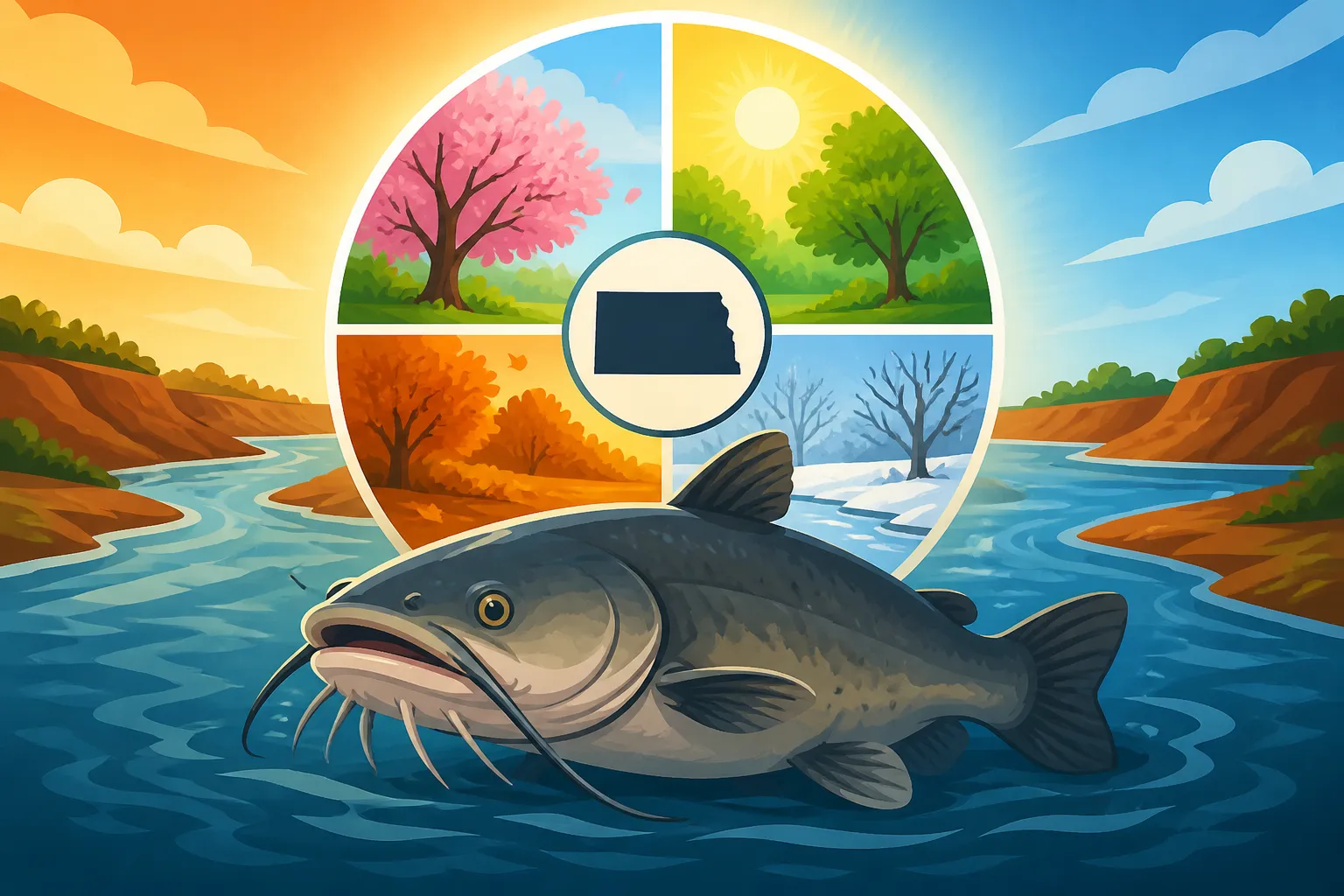
Like many freshwater species, Red River channel catfish undertake predictable seasonal movements. In the colder months, they become lethargic, congregating in deep holes, slack water areas, and wintering grounds where they conserve energy. This is not the time for an active bite. As spring approaches and water temperatures begin to climb, these fish start to disperse, moving out of their winter hideouts and into areas where food sources become more readily available. This initial movement often puts them in shallower, warmer sections of the river, especially those with current breaks and structure. They're shaking off the winter sluggishness and beginning to forage more actively.
As the water continues to warm towards summer, their metabolism skyrockets. This is when their feeding becomes incredibly aggressive. They'll actively cruise vast stretches of the river, from the deeper channels to shallower flats, searching for anything edible. This period often sees them moving from areas associated with their winter refuge to more open water, or even shallower sections in search of food. Understanding these patterns is key to finding them at different times of the year. For a broader overview of fishing opportunities in the area, check out our comprehensive Red River of the North Fishing Guide.
Impact of Water Temperature and Flow
Water temperature is arguably the single most influential factor in Red River catfishing success. Once the water temperature consistently hits the mid-50s Fahrenheit in spring, channel catfish begin to awaken from their winter slumber and feeding activity picks up significantly. The ideal temperature range for active feeding and spawning typically falls between 65°F and 80°F. Within this window, catfish are at their most active, both in terms of foraging and reproduction. During the spawn, which usually occurs when water temperatures are around 70°F, their behavior can shift slightly, becoming more focused on nesting, but they still remain catchable, especially pre- and post-spawn.
River flow, influenced by rainfall and dam releases, also plays a critical role. High water flows can scatter fish, push them into slack water, and make fishing challenging due to increased debris and murky conditions. Conversely, stable or slightly rising water levels, especially after a period of low flow, can trigger a feeding frenzy as new food sources are washed into the river. Low, clear water can make fish more cautious and harder to approach, but it also concentrates them in specific areas, making them easier to locate if you know where to look. Learning to read the river's current and identifying current breaks, eddies, and seams is a skill that will serve you well no matter the time of year.
Prime Catfishing Seasons on the Red River
While you can catch catfish on the Red River almost any time the water isn't locked under ice, certain seasons offer far superior action. It's about maximizing your odds when the fish are most cooperative and hungry. Forget those random guesses; let's dial into the best windows.
Spring into Early Summer: The Pre-Spawn and Spawn Bite
This is arguably one of the most exciting times to target channel catfish on the Red River. As ice recedes and water temperatures begin their steady climb in late April and May, catfish emerge from their wintering holes. They are hungry and actively seeking food to build up energy reserves for the upcoming spawn. The period before the actual spawn, when water temperatures are in the high 50s to mid-60s, offers some of the most aggressive bites. Fish will often be found in shallower depressions adjacent to deeper water, seeking warmer zones and readily hitting bait.
Once water temperatures reach the high 60s and early 70s, typically from late May through June, the spawn begins. During the actual spawning process, fish might be less interested in feeding as they focus on reproduction, often hiding in submerged log jams, undercut banks, and rock piles. However, the pre-spawn and post-spawn periods around this time are fantastic. Look for fish slightly off the main current, often holding near structure that offers protection and potential nesting sites. Even during the spawn, hungry males guarding nests can be very aggressive towards intruders. For more on what to expect from these incredible fish, be sure to read our full North Dakota Channel Catfish Fishing Guide.
Mid-Summer: The Active Feeding Frenzy
Once the spawn is over and water temperatures stabilize in the 70s and low 80s (July and August), the Red River channel catfish enter their peak feeding phase. This is when their metabolism is at its highest, and they need to consume a lot of food. They become more nomadic, cruising wide areas of the river, from deep holes to current seams, structure, and even shallower flats during low-light conditions. This is the time when you can often find large schools of actively feeding fish. The sheer volume of available forage, from insects to smaller baitfish, fuels their insatiable appetites.
During this period, prolonged hot spells can sometimes push fish into deeper, cooler water during the brightest parts of the day, but they will still move into shallower feeding zones at dawn, dusk, and throughout the night. Targeting specific Red River Catfish Fishing Spots in North Dakota known for their structure, such as submerged trees, bridge pilings, and sharp channel bends, can be highly productive. Many anglers consider mid-summer, particularly the evenings and nights, to be the absolute best time for consistent action and the chance at truly impressive catches.
Fall: Preparing for Winter
As autumn arrives and water temperatures begin their slow decline from the mid-60s down into the 50s (September and October), Red River catfish enter another strong feeding period. They sense the impending winter and begin to gorge themselves, building up fat reserves to sustain them through the cold months. This "fall feeding binge" can be incredibly productive, often yielding some of the largest fish of the year. The fish are often still aggressive, but their locations might start to shift slightly, moving back towards deeper channels and less turbulent areas as they prepare for winter congregation.
The fall bite can be more concentrated than the summer, as fish start to stage in transitional areas between summer feeding grounds and wintering holes. Look for them in deeper holes, slow eddies, and areas with stable cover like log jams or deep scour holes. While the bite might not be as non-stop as the peak of summer, the quality of the fish can be exceptional. As temperatures continue to drop into November, the bite will slow considerably as they move into their deepest wintering locations.
Factors Influencing Daily Catfish Success
Beyond the seasonal trends, a myriad of daily factors can either make or break your Red River catfishing adventure. Paying attention to these subtle cues can help you adjust your strategy and increase your chances of success on any given outing.
Weather Conditions and Barometric Pressure
The weather forecast isn't just for comfort; it's a critical tool for predicting fish activity. Stable weather patterns, especially a few days of consistent conditions, often lead to predictable and active feeding. Catfish, like many fish, don't particularly enjoy rapid changes. A rapidly dropping barometric pressure, often signaling an approaching storm front, can sometimes trigger a pre-front feeding frenzy as fish try to feed before conditions worsen. Conversely, a high, stable barometric pressure after a front has passed can often result in slower fishing, as fish can become more lethargic.
Heavy rain can significantly impact water clarity and flow. While catfish are known to thrive in murky conditions, excessive turbidity combined with strong current can make it difficult for them to locate bait. After a significant rain, allow some time for the river to stabilize slightly. Overcast days, especially in summer, can sometimes extend active feeding periods beyond dawn and dusk, as the reduced light penetration makes fish more comfortable in shallower water. Sunny, bluebird days, however, might push them into deeper, shadier haunts.
Time of Day and Night Fishing Strategies
While Red River channel catfish can be caught throughout the day, their activity often peaks during low-light periods. Dawn and dusk are prime times, as the reduced light gives them a predatory advantage and they feel more secure moving into shallower areas to feed. Many experienced Red River anglers, however, swear by night fishing. Catfish are largely nocturnal feeders, and under the cloak of darkness, they often become incredibly active and less wary.
If you're planning a night excursion, be prepared with appropriate lighting (a headlamp is essential!), bug spray, and all your gear organized. You'll want a reliable Best Rod Setup for Red River Catfish to handle the darkness and powerful fish. Setting up before dark and allowing your bait to soak for extended periods can be highly effective. During the heat of summer, when daytime temperatures are scorching, the night bite becomes even more pronounced and can be the most productive time to target trophy fish. For detailed advice on this thrilling method, dive into our guide on Catfishing at Night in North Dakota.
Essential Gear and Bait for Red River Catfish
To successfully tackle the hard-fighting channel catfish of the Red River, you need to come prepared. This isn't a place for flimsy gear. Heavy-duty rods, stout reels, and strong line are your friends, along with the right bait to entice these hungry bottom-dwellers.
Rods, Reels, and Line for Monster Cats
When it comes to Red River catfishing, think heavy-duty. You're targeting fish that can easily top 20 or 30 pounds, and a 10-pounder feels like a freight train in the current. A medium-heavy to heavy power casting or spinning rod, typically 7 to 9 feet in length, is ideal. The extra length helps with casting heavier weights and controlling big fish in the current. Look for rods with a strong backbone but a sensitive tip to detect subtle bites. You can find a wide array of suitable rods on online retailers like Amazon.
Pair your rod with a robust baitcasting or spinning reel. For baitcasting, a reel with a good drag system and a high line capacity (like an Ambassadeur or a Penn Squall) is excellent for battling big cats and holding braided line. Spinning reels in the 4000-6000 size range are also popular, offering ease of use and good power. For line, braided line in the 30-65 pound test range is highly recommended for its strength, sensitivity, and lack of stretch, which is crucial for detecting bites and setting hooks in current. A fluorocarbon or monofilament leader of similar or slightly lower breaking strength is often added to the end of the braid. Make sure your fishing knot skills are up to par, as these fish will test them!
Best Bait Choices for the Red River
Channel catfish are primarily scavengers and opportunistic predators, making them less picky than some other species, but certain baits consistently outperform others on the Red River. Fresh cut bait is king. Species like goldeye, sucker, or even carp, cut into chunks or strips, release strong scent trails that catfish find irresistible. The fresher the better! A good tactic for preparing your bait is outlined in our article on How to Rig Cut Bait for Catfish.
Prepared "stink baits" or dip baits are also very effective, particularly in summer. Brands like Uncle Josh, Sudden Impact, or CJ's Punch Bait are popular choices. These baits, often applied to a worm or sponge held by a special bait holder, rely on their potent odor to attract fish from a distance. Live bait, such as large shiners, chub, or even worms, can also work, but cut bait generally has a broader appeal. Ultimately, experimenting with different baits and presentation styles is key to discovering what the catfish are biting on any given day. You can stock up on various pre-made baits and bait holders from platforms like Amazon before your trip. For more in-depth strategies, refer to Catfish Bait Techniques for the Red River.
Red River Catfishing: Seasonal Overview
To give you a quick glance at the optimal times, here’s a summary of the Red River catfishing season:
| Season | Water Temperature (Approx.) | Catfish Activity | Best Baits | Key Locations | Notes |
|---|---|---|---|---|---|
| Early Spring | 50-60°F | Waking up, moderate | Cut bait, large worms | Deeper holes, current breaks | Pre-spawn feeding, inconsistent but improving. |
| Late Spring | 60-70°F | Strong pre-spawn bite | Fresh cut bait, stink bait, live bait | Transitional areas, structure | Excellent action, fish building energy for spawn. |
| Early Summer | 68-75°F | Spawn to post-spawn | Fresh cut bait, stink bait | Undercut banks, log jams, protected areas | Males guarding nests can be aggressive, post-spawn binge begins. |
| Mid-Summer | 70-85°F | Peak feeding frenzy | Cut bait, stink bait, prepared baits | Deep channels, current seams, flats (night) | Most consistent action, best for numbers and trophy potential. |
| Early Fall | 60-70°F | Aggressive feeding | Large cut bait, large prepared baits | Deeper holes, current breaks, staging areas | Trophy potential increases as fish fatten up for winter. |
| Late Fall | 45-60°F | Slowing down | Cut bait, less active bite | Deepest holes, wintering grounds | Fish become more lethargic, harder to entice. |
Successfully targeting channel catfish on the Red River is all about understanding their rhythms. The window from late spring through early fall offers the most consistent and exciting action, with summer providing the ultimate opportunity for numbers and trophy-sized fish, especially under the cover of darkness. By aligning your fishing trips with these prime conditions and arming yourself with the right gear and bait, you'll significantly increase your chances of experiencing the legendary fight of a Red River giant. Always remember to check the current North Dakota Fishing Regulations Explained before heading out.
Disclaimer
Please note that fishing conditions and regulations can change. Always consult the latest North Dakota Game and Fish Department proclamations and rules before engaging in any fishing activities. This guide is for informational purposes only and does not constitute legal advice.