How to Layer Clothing for Ice Fishing
Alright, fellow anglers, let's talk about one of the biggest hurdles to enjoying our beloved North Dakota ice fishing season: the absolutely bone-chilling cold. It’s not just about throwing on a heavy jacket; anyone who’s spent a few hours out on Devils Lake or Sakakawea when the wind is whipping knows that a haphazard approach to staying warm can quickly turn a fun day into a miserable, even dangerous, experience. This guide is all about mastering the art of layering, ensuring you stay comfortable, dry, and safe, no matter what the North Dakota winter throws at you.
Understanding the North Dakota Winter Challenge
North Dakota winters are legendary, and for good reason. They aren't just cold; they're a unique beast of extreme temperatures, relentless winds, and often dry air that can suck the warmth right out of you. Throw in the fact that you might be active for a bit, then sitting still for hours, and you've got a recipe for discomfort if you're not prepared.
The Brutal Reality of Wind Chill
One of the biggest frustrations for ice anglers in North Dakota is the wind. You might check the forecast and see a temperature that seems manageable, maybe -5°F, but then you step onto the ice, and that 20-mph breeze makes it feel like -30°F. This isn't just a feeling; it's the wind chill, and it dramatically accelerates heat loss from your body. Our open prairies and vast frozen lakes offer little to no natural protection from these biting gusts, turning what might be a reasonable day in a sheltered area into an unbearable ordeal on the ice. A standard winter coat, while good for a quick dash to the car, often lacks the wind-blocking prowess needed for sustained exposure in these conditions. You can have plenty of insulation, but if the wind cuts right through it, you're essentially wearing nothing. It's a common mistake to underappreciate this factor, leading to shivers just an hour into your planned trip.
Imagine you've driven out to a promising spot on Lake Ashtabula, the sun is shining, and the initial temperature doesn't feel too bad. You set up your gear, drill a few holes, and maybe even catch a couple of perch. You're feeling good. But then, an hour or so in, that innocent-looking breeze picks up, and suddenly it feels like a thousand tiny needles are pricking your exposed skin. Even through your clothing, you start to feel a deep chill creeping in. That’s the wind chill at work, relentlessly stealing your warmth, making you question your life choices and whether that last perch was really worth it.
The Sweat-Freeze Cycle: A Hidden Danger
Another common pitfall, and one that seasoned ice anglers know to fear, is the dreaded sweat-freeze cycle. It sounds counterintuitive, right? How can sweating be a problem when it's so cold? Well, think about it: you bundle up, walk a half-mile across the ice hauling your sled and auger, drill a dozen holes, and set up your shelter. All that activity generates body heat, and you start to sweat. Your clothes get damp. Then, you settle into your fishing chair, the activity stops, and your body temperature starts to drop. That moisture, trapped against your skin, rapidly cools down, turning clammy and then downright icy. This can lead to rapid heat loss and, in severe cases, hypothermia, even if you’re otherwise well-insulated.
It's a sneaky danger because it often starts with you feeling too warm. You might think, "Great, these layers are really working!" but fail to realize your body is actively trying to cool itself down. Polyester and cotton are notorious for holding onto moisture, exacerbating this problem. Cotton, especially, becomes useless as an insulator when wet. The goal isn't just to be warm; it's to be dry and warm, managing your body's moisture effectively. This is where strategic layering with the right materials becomes absolutely crucial. Nobody wants to be sitting there, teeth chattering, regretting not having a proper system in place.
The Core Principles of Effective Layering for Ice Fishing
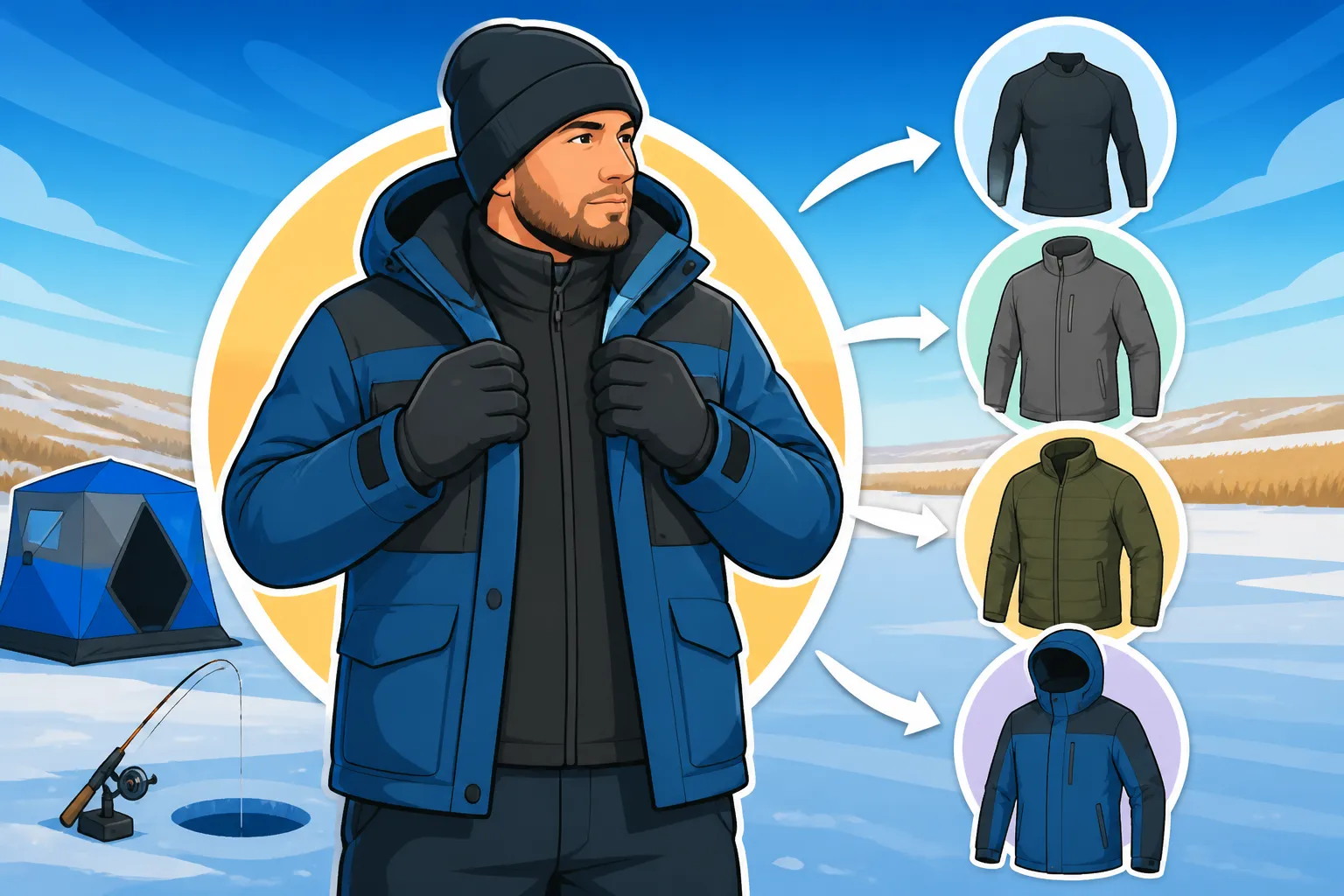
The secret sauce to staying warm and comfortable while ice fishing in North Dakota isn't about having one super-thick jacket. It's about a dynamic system of multiple, thinner layers that work together to trap heat, wick away moisture, and block the elements. This allows you to adjust your clothing throughout the day as your activity level, the weather, and even your fishing success change.
Base Layer: The Moisture Master
Your base layer is the foundation of your entire layering system, and it's arguably the most critical component. Its primary job is not to insulate, but to manage moisture. As your body produces sweat, this layer needs to efficiently pull that moisture away from your skin and transfer it to the outer layers, keeping you dry. If your base layer gets soaked, all the subsequent layers will struggle to keep you warm, leading straight into that miserable sweat-freeze cycle we just talked about.
When it comes to materials, you generally have two excellent choices: merino wool or synthetic fabrics, usually polyester blends. Merino wool is a natural wonder; it's incredibly soft, provides excellent warmth even when damp, and has natural odor-resistant properties (a big plus on multi-day trips!). Synthetic options, like those found at Bass Pro Shops, are fantastic at wicking moisture, dry quickly, and are often more budget-friendly. They don't offer the same warmth-when-wet properties as merino but are still vastly superior to cotton. Avoid cotton for your base layer at all costs – it absorbs moisture like a sponge and will leave you cold and miserable. When you're actively setting up tip-ups or jigging aggressively, a lighter-weight synthetic might be ideal, allowing sweat to evaporate quickly. For more stationary fishing, where you're not moving as much, a mid-weight merino wool base layer provides excellent passive warmth while still managing moisture effectively. A good base layer lets you avoid that chilling clamminess, especially when you consider What to Wear Ice Fishing in North Dakota and how important dry warmth is.
Mid Layers: The Insulation Powerhouse
Once you've got your moisture-wicking base layer sorted, it's time to think about insulation. This is where your mid layers come in, designed to trap warm air close to your body, providing the bulk of your warmth. The beauty of mid layers is that you can add or subtract them throughout the day, fine-tuning your comfort level.
Common mid-layer materials include fleece, down, and synthetic puffy jackets. Fleece is a popular choice because it's lightweight, relatively inexpensive, and retains some insulating properties even when damp. You can find various weights of fleece, from thin microfleece for mild days or high activity to thick, expedition-weight fleece for brutal cold. Down jackets offer incredible warmth-to-weight ratios, but they lose almost all insulating power if they get wet. Synthetic puffy jackets are a great alternative, providing good warmth and performing better than down if they get a little damp, though they might be bulkier. Many anglers carry a few different mid-layer options, perhaps a thin fleece vest and a heavier synthetic jacket, allowing them to adjust. For instance, if you're inside a heated ice shelter, you might shed your bulkier mid-layer and just wear a lighter fleece. But if you step outside to check a flag, you can quickly throw that extra insulation back on.
Outer Layer: The Fortress Against the Elements
Your outer layer, often called your "shell," is your final line of defense against the harsh North Dakota environment. Its primary role is to block wind, repel snow and sleet, and keep any external moisture from reaching your insulating layers. This layer is crucial for preventing heat loss due to convection (wind blowing away warm air) and conduction (wet fabric drawing heat away).
For serious ice fishing, a dedicated ice fishing suit is often the best choice. These typically consist of insulated bibs and a matching jacket, designed specifically for cold weather and often featuring flotation assistance for added safety. They are usually made from heavy-duty, waterproof, and windproof materials, like GORE-TEX or similar proprietary fabrics. Look for features like reinforced knees and seats, plenty of accessible pockets for gear, and adjustable cuffs and hoods to seal out drafts. When you're out on a sprawling lake like Lake Sakakawea, where the wind can pick up without warning, having a robust outer layer is non-negotiable. It's not just about warmth; it's about protection from the elements. Consider something like a high-quality ice fishing suit that offers superior wind and water resistance, often available through retailers like Amazon, to ensure you stay dry and shielded. This type of gear is paramount, especially if you're considering Best Insulated Bibs for Ice Fishing for maximum protection.
| Layer Type | Primary Function | Recommended Materials | Key Benefit for Ice Fishing |
|---|---|---|---|
| Base | Wicks moisture from skin | Merino Wool, Synthetic (polyester) | Keeps you dry, preventing the sweat-freeze cycle |
| Mid | Provides insulation | Fleece, Down, Synthetic Puffy | Traps body heat, adjustable warmth |
| Outer | Blocks wind, water, snow | Waterproof/Windproof fabrics, insulated suits | Protection from elements, prevents convective heat loss |
Beyond the Core: Essential Accessories for Head, Hands, and Feet
While your core layering system covers the bulk of your body, neglecting your extremities is a surefire way to get cold and uncomfortable. Your head, hands, and feet are highly susceptible to heat loss, and keeping them well-protected is just as vital as your main layers.
Protecting Your Extremities
It’s an old saying, but a true one: you lose a significant amount of body heat through your head. A good, insulated hat is non-negotiable. Look for options made from wool, fleece, or synthetic blends that cover your ears. For truly brutal North Dakota days, especially if you're fishing outside a shelter or in high winds, a balaclava or a thick neck gaiter that can be pulled up over your face offers critical protection against frostbite. These items can be easily adjusted or pulled down if you get too warm, giving you control over your exposure.
Your hands are another critical area. You need warmth, but often also dexterity for tying knots, baiting hooks, or handling fish. A common strategy is a two-glove system: a thin, moisture-wicking liner glove (again, no cotton!) worn under a warmer, waterproof, and insulated outer glove or mitten. Mittens generally offer more warmth than gloves because your fingers share body heat. Many ice anglers also carry a few chemical hand warmers, easily found on Amazon or at local sporting goods stores, which can be slipped into gloves or pockets for an extra boost of warmth when needed. Changing wet gloves for dry ones is also a pro tip.
And then there are your feet. Cold feet can ruin any fishing trip faster than anything else. Start with a good pair of moisture-wicking wool or synthetic socks. Avoid cotton here too, as it gets damp and offers no insulation. Layering two pairs of socks can work, but make sure your boots still fit comfortably; overly tight boots restrict blood flow and will actually make your feet colder. Your boots themselves need to be heavily insulated, waterproof, and rated for extreme cold. Look for ratings like -40°F or even colder for North Dakota conditions. Keeping your feet dry is paramount. If your feet sweat or your boots get wet inside, it’s a losing battle. Having an extra pair of dry socks in your sled is always a smart move. For more specific guidance on what footwear to choose, refer to Best Cold Weather Boots for Ice Fishing.
Strategic Gear for Comfort and Safety
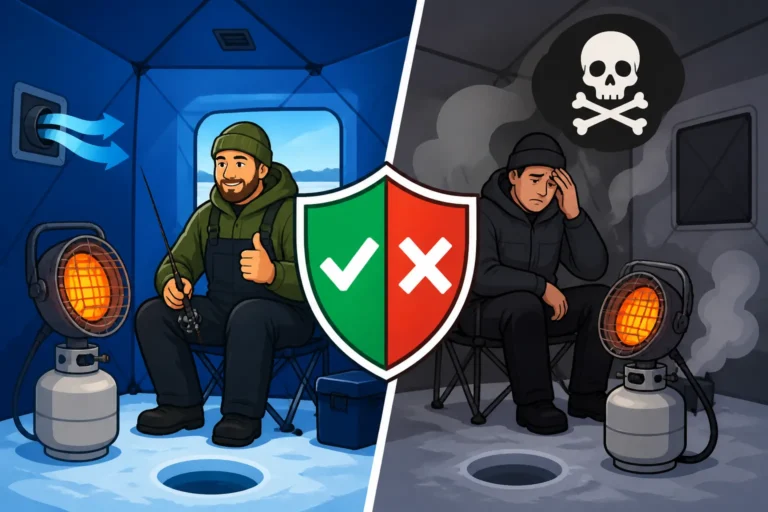
Beyond the immediate clothing layers, there are other pieces of gear that play a crucial role in overall comfort and safety on the ice. If you're using a portable ice shelter, a small, safe portable heater can transform the interior into a cozy oasis, allowing you to shed some layers and relax. However, even with a heater, proper layering is still important for when you step outside.
Safety items are also part of a complete winter gear strategy. Always carry ice picks around your neck, especially when walking on early or late ice. A throwable rope can be a lifesaver. And always, always pack extra dry clothes in a waterproof bag, just in case you take an accidental plunge or your current layers get soaked. Being able to change into warm, dry clothes quickly can prevent a serious situation from escalating.
Putting It All Together: A Layering Strategy for Different Scenarios
The beauty of the layering system is its adaptability. North Dakota weather is notorious for changing quickly, and your activity levels can vary wildly during an ice fishing trip. Having a flexible system allows you to respond to these changes without having to pack up and go home.
Dressing for the Walk-Out
One of the most common mistakes is getting overheated and sweaty on the trek from your vehicle to your chosen fishing spot. Whether you're pulling a heavy sled filled with gear or carrying an auger, the physical exertion will quickly raise your body temperature. The key here is to start slightly under-dressed for the walk. This might sound counterintuitive, but it helps prevent that initial sweat.
Wear your base layer and maybe one lighter mid-layer, leaving your heavier mid-layers and your outer shell in the sled. As you walk, your body will generate plenty of heat. Once you arrive at your spot, set up your shelter, and get ready to settle in, then you can add those extra layers. Think of it like a reverse peel-and-stick system. It’s far easier to add warmth once you've stopped moving than it is to dry out layers that became soaked with sweat during the strenuous walk out. This is a critical piece of the puzzle for staying comfortable throughout the day.
Adjusting Inside an Ice Shelter
Once you're inside your ice shelter, especially if you have a heater running, the internal temperature can rise significantly. This is where your mid-layers really shine. You might find yourself wanting to shed your heavy outer jacket and even a mid-layer or two. Don't hesitate to do so! The goal is to be comfortable, not to sweat. If you start feeling too warm, take a layer off. If you start to feel a slight chill, put one back on.
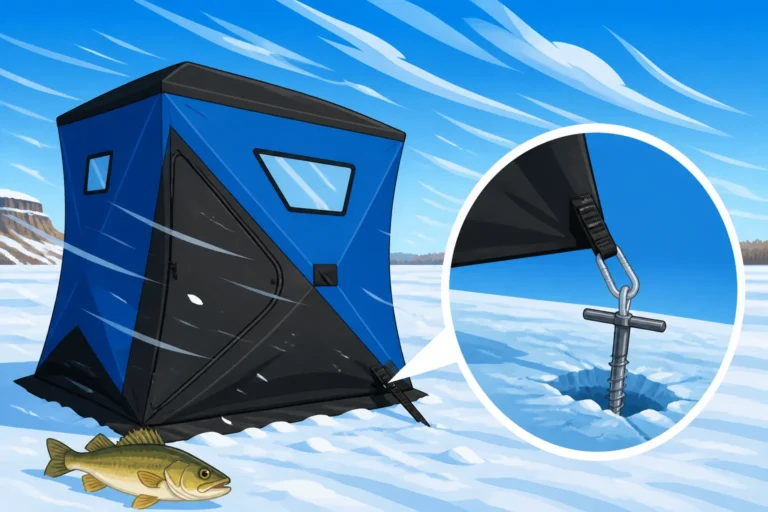
This constant micro-adjustment is essential. Keep your shed layers organized within your shelter so they're easy to grab if you need to step outside for a moment or if the heater unexpectedly runs out of propane. A good ice shelter, especially one designed to withstand windy conditions, helps maintain a stable internal environment. Check out Best Portable Ice Shelter for Windy Conditions for options that will help keep you cozy even when the gales howl. The ability to regulate your temperature within the shelter means you can often fish in just your base and a light mid-layer, reserving your heavy insulation for when you're exposed.
What to Do When the Wind Howls (Outside the Shelter)
Sometimes, despite your best intentions, you find yourself outside the shelter when the North Dakota wind decides to unleash its full fury. Perhaps you're checking a string of tip-ups, moving to a new spot, or just enjoying a quick break from the enclosed space. This is when your full layering system needs to be engaged.
Ensure all your layers are on, cinched down, and sealed up. Make sure your hat is pulled down tight, your neck gaiter is up over your face, and your outer shell is zipped completely, with all drawstrings tightened to prevent wind intrusion. If you have insulated bibs, ensure they're worn properly with the jacket sealed over them. This is your "full battle rattle" against the elements. If you're staying out for a prolonged period, consider using a portable windbreak if available, or positioning yourself to block the wind with your vehicle or a natural embankment. Remember, wind is the enemy of warmth, and a robust outer layer is your best defense. Don't be afraid to add hand warmers to your pockets and gloves, and keep moving a little to generate internal heat if you're exposed for more than a few minutes. Every bit of proactive protection counts when facing down a true North Dakota winter blast.
Disclaimer
This article is for general informational purposes only and does not constitute professional advice. Laws, prices and regulations vary by location and change over time. Consult a qualified professional for guidance on your specific situation.