Best Fishing Line Pound Test for Walleye
One of the most common frustrations for any angler, especially those chasing elusive walleye across North Dakota's vast waters, is the constant struggle to pick the right fishing line. You stand there in the tackle aisle, faced with a dizzying array of options – different materials, colors, and, perhaps most confusing, pound tests. This guide aims to demystify the world of fishing line pound test, helping you make confident choices that lead to more successful walleye catches.
Understanding Fishing Line Pound Test
When you see a fishing line labeled with a "pound test," say 8 lb or 10 lb, it's referring to the approximate breaking strength of that line. In a perfect world, an 8 lb test line would consistently break when exactly 8 pounds of pressure are applied. However, fishing isn't a perfect world, and there's more to it than just that number. It's not just about how much weight the line can hold; it's about how that strength translates into performance when you're casting, feeling bites, and fighting fish.
For walleye fishing, choosing the right pound test is a delicate balance. Go too heavy, and you might sacrifice casting distance, sensitivity, and the natural presentation of your bait, especially in clear water. Go too light, and you risk snapping off on a snag, during a powerful hookset, or when a surprise trophy walleye decides to test your gear to its limits. Many anglers learn this the hard way, feeling that heartbreaking snap when a good fish is on the line, or missing those subtle "thunks" that indicate a walleye has taken the bait. It's a common dilemma, but understanding the nuances can really improve your game.
What Does Pound Test Really Mean for Walleye?
The pound test rating is essentially a manufacturer's declaration of the line's tensile strength. However, factors like knot strength, line condition, and even how smoothly it comes off your reel can affect its actual breaking point in real-world fishing scenarios. For walleye, this means choosing a line that can withstand the sharp headshakes and occasional strong runs, but also one that allows for maximum feel. Walleye are notorious for their subtle bites, often feeling like a slight tick or just added weight. A line that's too heavy or too thick can dampen that sensitivity, making it incredibly difficult to detect these strikes.
Think about fishing on Lake Sakakawea Fishing Guide where you might be targeting deep walleye. A heavier line will have more resistance in the water, making it harder for your lure to get down to depth or requiring more weight. Conversely, a lighter, thinner line cuts through the water better, allowing your bait to reach the fish zone more efficiently and giving you a clearer signal when a walleye investigates. It's a game of trade-offs, and knowing your target species and fishing conditions helps immensely.
The Role of Line Diameter and Visibility
Beyond just breaking strength, the diameter of your fishing line plays a crucial role, especially with walleye. Thinner lines generally mean less visibility to the fish, less drag in the water, and often better casting distance. Walleye, particularly in clear water lakes common in North Dakota, can be line-shy. They have excellent eyesight, and a thick, highly visible line can spook them, causing them to shy away from your bait.
Consider a sunny day on a clear North Dakota lake; a thin fluorocarbon leader can be the difference between a frustrating day of no bites and a successful outing. While braided line offers incredible strength for its diameter, it's also highly visible. This is why many experienced walleye anglers pair a strong, sensitive braided main line with a nearly invisible fluorocarbon leader. It combines the best of both worlds: the power and sensitivity of braid with the stealth of fluorocarbon. This understanding of line diameter and its impact on presentation is key to truly mastering walleye fishing.
Key Factors Influencing Your Walleye Line Choice
Choosing the "best" fishing line pound test for walleye isn't a one-size-fits-all answer. It heavily depends on a variety of factors unique to your fishing situation. Ignoring these can lead to frustration, whether it's broken lines or simply a lack of bites.
Water Clarity and Structure
One of the most significant considerations is the clarity of the water you're fishing and the type of structure present. In North Dakota, you have everything from the often-murky waters of the Red River to the sometimes crystal-clear bays of Lake Sakakawea Walleye Fishing Spots.
- Clear Water: When you're fishing gin-clear water, walleye can be incredibly finicky. They're more likely to see your line, so you'll want to lean towards lighter pound test lines, often paired with an almost invisible fluorocarbon leader. For example, if you're jigging in 20 feet of clear water, an 8 lb fluorocarbon leader might be perfect. The goal here is stealth, offering the most natural presentation possible.
- Turbid or Stained Water: In stained or muddy conditions, such as after heavy rains on some river systems, line visibility becomes less of a concern. Here, you can often get away with slightly heavier pound tests, especially with braided line, as the fish rely more on scent and vibration than sight. The advantage of heavier line in these conditions is increased abrasion resistance and strength for pulling fish out of thick cover or current.
- Heavy Cover and Structure: If you're fishing around rocks, submerged timber, or dense weed beds (common in places like Devils Lake), you absolutely need line that can handle abrasion and provide the backbone to pull fish out of snags. This is where moving up in pound test makes sense. Snags are inevitable, and a stronger line means you might be able to retrieve a hung-up lure or prevent a trophy walleye from wrapping you around a stump. Without the right strength, every snag becomes a lost lure and a potentially lost fish.
Target Walleye Size and Fishing Techniques
The size of the walleye you're typically catching and the specific fishing technique you're employing also dictate your pound test. Are you generally catching smaller "eaters," or are you specifically targeting trophy-class fish?
- Average vs. Trophy Walleye: For average-sized walleye (15-20 inches), an 8-10 lb test line is often sufficient. It offers a good balance of strength and sensitivity. However, if you're hunting for those 25+ inch giants, especially in areas where they can make powerful runs, bumping up to 10-15 lb test might be a wise move, particularly with braided main lines. The extra strength provides confidence when a truly big fish decides to fight dirty.
- Jigging: When vertical jigging or pitching jigs, sensitivity is paramount. You need to feel every subtle tap. Lighter line, typically 6-10 lb test (especially fluorocarbon or braid with a fluoro leader), excels here. It allows your jig to fall naturally and transmits those light bites directly to your rod tip.
- Trolling: Trolling crankbaits or spinner rigs, especially in open water, often involves longer casts or letting out a lot of line. Here, line diameter affects dive depth and can create more drag. Many trollers opt for 10-15 lb braided line for its strength and minimal stretch, which helps with hooksets at a distance. If using monofilament for trolling, you might go with 10-12 lb test. Trolling Crankbaits for Walleye dives deeper into these specific techniques.
- Live Bait Rigs (Slip Bobbers, Bottom Bouncers): For presenting live bait naturally, particularly with slip bobbers, a slightly lighter, less visible line is often preferred. 6-8 lb test fluorocarbon or monofilament works well, allowing the bait to swim freely. When using bottom bouncers, particularly in rocky areas, a stronger main line (10-15 lb braid or mono) is common due to the increased risk of abrasion and the need to feel the bottom.
Recommended Pound Tests for Common Walleye Techniques
Let's get specific about line choices for the most popular walleye fishing methods you'll encounter in North Dakota. This isn't just about what can work, but what typically works best for optimizing your success.
Light Line for Sensitive Jigging
When you're jigging for walleye, especially in deeper water or when they're being finicky, sensitivity is everything. You're trying to feel those almost imperceptible bites that distinguish a walleye inhaling your bait from a rock or weed brushing your line. This is where lighter pound test lines truly shine.
For vertical jigging, pitching jigs, or snap jigging, a 6-8 lb test fluorocarbon or a light braided line (e.g., 8-10 lb test) with a 6-8 lb fluorocarbon leader is a fantastic setup. The thin diameter of these lines reduces water resistance, allowing your jig to fall faster and giving you a much better feel for what's happening at the business end. Fluorocarbon's low stretch and density transmit vibrations incredibly well, while braid offers unmatched sensitivity and direct contact. You can easily find a range of these specialized lines at retailers like Bass Pro Shops, or explore the myriad options available online through Amazon. This sensitive setup helps you detect even the lightest "taps" or the slight increase in weight that signals a walleye has taken your offering. Missing these subtle bites is a common frustration, and lighter line is your best defense.
Balancing Power and Stealth for Trolling
Trolling for walleye across vast expanses like Lake Sakakawea or Lake Oahe requires a different approach to line selection. Here, you're often dealing with long line lengths, varying depths, and the need for a strong, abrasion-resistant line that can withstand prolonged use.
For most trolling applications with crankbaits or spinner rigs, a 10-15 lb test braided line is a popular choice. Its thin diameter for its breaking strength allows crankbaits to dive deeper than a thicker monofilament of the same pound test. More importantly, braid's near-zero stretch provides immediate feedback on what your lure is doing and delivers powerful, instant hooksets, even when you have 100 feet of line out. Many anglers will still use a 10-15 lb fluorocarbon leader, sometimes 15-30 feet long, particularly in clearer water. This leader absorbs some shock, provides abrasion resistance, and offers that invisible presentation right at the lure. If you prefer monofilament for its stretch, which can be forgiving with aggressive fish and reduce lure fouling, a 10-12 lb test is a common choice, though you'll sacrifice some depth and sensitivity compared to braid.
Live Bait Rigs and Slip Bobbers
When fishing with live bait, such as minnows or leeches under a slip bobber, or pulling crawler harnesses on bottom bouncers, a natural presentation is key. Walleye can be incredibly picky, and anything that looks unnatural can send them packing.
For slip bobber fishing, where your bait drifts freely, a 6-8 lb test monofilament or fluorocarbon is often ideal. Monofilament's slight stretch and buoyancy allow for a beautiful, natural drift, while fluorocarbon offers similar benefits with added invisibility and faster sink rate. The lighter pound test means a thinner line, which is less conspicuous and allows the bait to behave more naturally. When using bottom bouncers, especially over rough bottom, the pound test tends to be a bit higher. A 10-15 lb braided main line with a 10-12 lb fluorocarbon or monofilament leader (often 4-6 feet long) is a common, robust setup. The braid handles the weight of the bouncer and offers superior sensitivity to feel bottom contact, while the leader provides the stealth and abrasion resistance where it matters most.
Types of Fishing Line and Their Pound Test Considerations for Walleye
Understanding the different types of fishing line available is crucial, as each has unique properties that affect how it performs at a given pound test, especially for walleye fishing.
| Line Type | Key Characteristics | Pros for Walleye Fishing | Cons for Walleye Fishing | Typical Pound Test Range for Walleye |
|---|---|---|---|---|
| Monofilament | Stretchy, good knot strength, floats, affordable, visible | Good shock absorption, forgiving, easy to cast | High stretch (less sensitivity), visible, higher diameter | 6-12 lb |
| Fluorocarbon | Low stretch, nearly invisible, sinks, good abrasion resistance | Highly sensitive, stealthy, great for leaders | Stiffer, more expensive, can be prone to memory | 6-12 lb (often as leader) |
| Braided Line | No stretch, thin diameter for strength, very sensitive, opaque | Extreme sensitivity, strong, great hooksets, casts far | Highly visible, can fray, requires leader for stealth | 8-20 lb |
Monofilament Line: The Classic Choice
Monofilament line, often just called "mono," is made from a single strand of nylon. It's been a staple for anglers for decades, and for good reason. Its primary characteristic is its stretch. This stretch acts like a shock absorber, which can be beneficial when a big walleye makes a sudden lunge or for keeping a fish hooked if your drag is set a little too tight. It also tends to be very forgiving when tying knots and is generally the most affordable option.
For walleye, a 6-12 lb test monofilament is common. Lighter mono (6-8 lb) is great for subtle live bait presentations or when you need a bit of stealth in clear water without wanting to deal with leaders. Heavier mono (10-12 lb) is good for general-purpose fishing, especially if you're trolling or casting lures in areas with moderate cover where its abrasion resistance is beneficial. However, its stretch can be a disadvantage when you need to feel light bites or get a strong hookset at a long distance. It's also more visible than fluorocarbon, which can be a factor in clear water.
Fluorocarbon Line: The Invisible Advantage
Fluorocarbon line shares a similar refractive index to water, making it nearly invisible beneath the surface – a huge advantage when targeting line-shy walleye. It also has much less stretch than monofilament, providing increased sensitivity and solid hooksets. Fluorocarbon is quite dense, so it sinks, which can be beneficial for getting baits down quickly, especially for jigs or crankbaits. It also offers excellent abrasion resistance, making it a good choice for fishing around rocks and timber.
While you can use fluorocarbon as a main line (and many do, especially in 6-10 lb test for jigging or casting), it's more commonly used as a leader material for walleye. Pairing a 6-12 lb test fluorocarbon leader with a braided main line gives you the best of both worlds: the strength and sensitivity of braid, combined with the invisibility and abrasion resistance of fluoro right where the fish sees your bait. Finding high-quality fluorocarbon leaders in various pound tests is easy, whether you're shopping at Bass Pro Shops or looking for specific brands on Amazon. This combination is a favorite among serious walleye anglers for a reason.
Braided Line: Maximum Sensitivity and Strength
Braided fishing line is made by weaving together multiple strands of synthetic fibers, resulting in a line that is incredibly strong for its diameter and has virtually no stretch. This zero-stretch property makes braid supremely sensitive, allowing you to feel every bump, tick, and subtle bite from a walleye. It also translates to incredibly powerful and direct hooksets, even at long distances. Its thin diameter means less water resistance, helping lures dive deeper and cast farther.
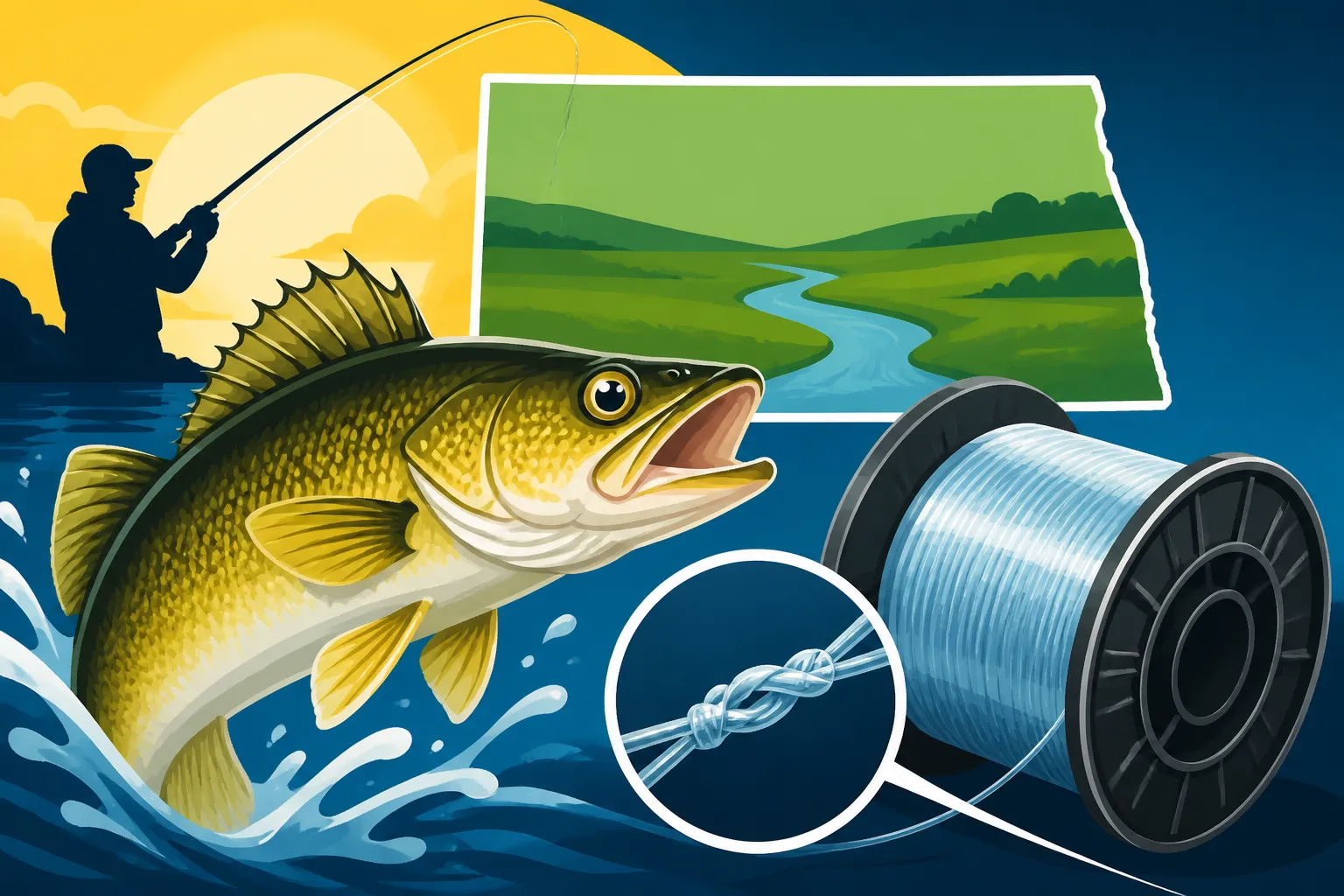
For walleye, common braided line pound tests range from 8 lb to 20 lb. An 8-10 lb test braid is fantastic for light jigging, offering incredible feel. For general walleye fishing, including casting, trolling, and using bottom bouncers, a 10-15 lb test braid is very popular. If you're specifically targeting huge walleye in heavy cover, you might even bump up to 20 lb. The main "con" for braid is its visibility; it's quite opaque, which can spook wary walleye in clear water. This is why it's almost always paired with a fluorocarbon leader (typically 6-12 lb test, depending on conditions and target fish size) to maintain a stealthy presentation. Understanding how to tie a good braid-to-fluorocarbon knot is an essential skill for any serious walleye angler. If you're looking for different spool sizes or specific brands, both Bass Pro Shops and Amazon offer a comprehensive selection to suit your needs.
Line Pound Test for Ice Fishing Walleye
Ice fishing for walleye presents its own unique set of challenges and considerations when it comes to line pound test. While some principles remain similar to open-water fishing, the dynamics of fishing through a small hole in the ice can alter your choices.
Sensitivity in the Cold
Just like open-water jigging, sensitivity is paramount when ice fishing for walleye. Bites can be incredibly light in cold water, often feeling like nothing more than a slight pressure or a cessation of movement. Therefore, a lighter pound test line is generally preferred to maximize feel. Many ice anglers opt for 4-6 lb test monofilament or fluorocarbon. The lighter line allows your small ice jigs and spoons to have maximum action and natural presentation, which is critical when walleye are sluggish.
For instance, when jigging for walleye on a popular hardwater lake like Devils Lake Ice Fishing Access Points, you want every advantage to detect those subtle takes. Using a slightly heavier line, say 8 lb test mono, might be acceptable if you're frequently breaking off on snags, but if you're missing bites, dropping down to a 6 lb test can make a world of difference. Your Best Ice Fishing Rods for Perch or walleye often have very sensitive tips, and pairing that with light line completes the system for ultimate bite detection.
Abrasion and Breaking Strength in Tight Quarters
While lighter line enhances sensitivity, ice fishing also comes with the risk of abrasion. The edge of an ice hole, especially a rough one, can easily fray or cut your line, leading to a lost fish. Additionally, if you're catching bigger walleye, pulling them up through a narrow hole can put immense stress on your line.
To mitigate this, many anglers will use a slightly stronger line if they're in areas with known underwater structure that can cause abrasion, or if they're consistently hooking larger fish. A 6-8 lb test fluorocarbon offers a good compromise, providing stealth and sensitivity while being more abrasion-resistant than monofilament. Some anglers even use a light braided main line (e.g., 6-10 lb test) with a short (1-3 foot) fluorocarbon leader (4-8 lb test) for the best of both worlds – maximum sensitivity and stealth at the lure. The leader also takes the brunt of any abrasion from the ice hole. This setup allows you to feel everything, set the hook hard, and still maintain an invisible connection to your bait. You can easily find these specialized ice fishing lines in a range of pound tests at any reputable tackle shop or through online retailers. Monofilament vs Braided Line for Ice Fishing provides more detail on these choices.
Choosing the Right Line: A Summary
Ultimately, the best fishing line pound test for walleye in North Dakota is a dynamic choice, not a static one. It's about evaluating your specific fishing scenario and making informed decisions.
- For maximum sensitivity and stealth: Lean towards lighter lines (6-10 lb test), especially fluorocarbon or braid with a fluorocarbon leader. This is crucial for jigging and live bait presentations in clear water.
- For strength, abrasion resistance, and deep trolling: Consider heavier lines (10-15 lb test), particularly braided lines, often paired with a fluorocarbon leader. This is ideal for fishing heavy cover, trolling large crankbaits, or targeting larger fish.
- Don't be afraid to experiment: Keep a few different spool options or leader materials in your tackle box. What works perfectly on Devils Lake might not be ideal for the Missouri River Fishing Guide. Learning to adapt your line choice to conditions is a hallmark of a truly skilled angler.
Remember, fishing line is your direct connection to the fish. Investing in good quality line and choosing the correct pound test for the situation will significantly increase your chances of detecting those subtle walleye bites and successfully landing them.
Disclaimer
This article is for general informational purposes only and does not constitute professional advice. Laws, prices and regulations vary by location and change over time. Consult a qualified professional for guidance on your specific situation.