Best Gloves for Ice Fishing in Below-Zero Cold
There's nothing quite like the exhilarating chill of a North Dakota winter day out on the ice, but let's be honest, that thrill can quickly turn to misery if your hands aren't properly protected from the brutal, below-zero cold. Many anglers have faced the painful reality of numb fingers, fumbling with tackle, or even worse, risking frostbite, simply because their gloves weren't up to the challenge. This comprehensive guide is dedicated to helping you find the absolute best gloves for ice fishing in those extreme North Dakota temperatures, ensuring your hands stay warm, dry, and functional, no matter how cold it gets.
The Chilling Reality of North Dakota Ice Fishing and Your Hands
When you head out onto a frozen lake like Devils Lake or Lake Sakakawea in the dead of winter, you're not just contending with cold; you're facing extreme cold. Temperatures often plummet far below zero, exacerbated by wind chill that can make it feel like your skin is instantly freezing. Your hands are particularly vulnerable, constantly exposed to the elements as you drill holes, set tip-ups, or wrestle with a feisty walleye.
Why Hand Protection is Non-Negotiable
Ignoring proper hand protection isn't just uncomfortable; it's genuinely risky. Here's why you absolutely cannot skimp on quality gloves or mittens for North Dakota ice fishing:
- Risk of Frostbite: This is the most serious concern. Exposed skin, especially in extreme cold and wind, can suffer frostbite in a matter of minutes. The tips of your fingers are often the first to go, leading to permanent tissue damage. You might not even realize it's happening until it's too late because the numbness sets in.
- Loss of Dexterity and Sensation: Even before frostbite, your hands will lose sensation and dexterity in the cold. Trying to tie a tiny knot, bait a hook, or even operate your Ice Fishing Electronics and Fish Finders becomes an impossible, frustrating task when your fingers are stiff and unresponsive. You drop gear, struggle with your auger, and generally have a much less enjoyable (and often less successful) fishing experience.
- Compromised Safety: Fumbling with gear or trying to quickly respond to a fish bite can be dangerous on slippery ice. Good hand protection allows you to maintain control over your equipment and yourself, reducing the chance of accidents. Imagine trying to manage a flailing Northern Pike with frozen, clumsy hands—it's not a recipe for success or safety.
Common Mistakes Anglers Make with Handwear
It's easy to grab any old pair of winter gloves, especially if you're new to the sport or just visiting North Dakota from a warmer climate. However, many common choices simply won't cut it when the mercury dips well below zero.
- Cotton Kills: You've heard it before, and it bears repeating: cotton is absolutely the worst material for cold, wet conditions. Once cotton gets wet, whether from snow, slush, or even sweat, it loses all its insulating properties and will actively draw heat away from your hands. You'll end up with colder hands than if you wore nothing at all.
- Too-Thin or Fashion Gloves: Those stylish ski gloves or everyday winter gloves might look warm, but they are often designed for casual use, not prolonged exposure to extreme cold and wet conditions. They lack the necessary insulation, waterproofing, and durability to withstand the rigors of ice fishing.
- Ill-Fitting Options: Gloves that are too tight restrict blood flow, making your hands colder. Gloves that are too loose create air pockets that chill quickly and make it impossible to handle gear with precision. A proper fit is crucial for both warmth and functionality.
- No Backup: Many anglers only bring one pair of gloves. If that pair gets wet—and it will, inevitably—you're out of luck. Always, always pack at least one extra pair, preferably in a waterproof bag, for emergencies or simply when your primary pair needs to dry out.
Understanding Insulation and Materials for Extreme Cold
Choosing the right gloves for below-zero ice fishing starts with understanding what materials actually perform in these conditions. It's not just about bulk; it's about intelligent design and high-performance fabrics.
Key Insulation Types and Their Performance
The core of any warm glove is its insulation. This is what traps air to create a barrier against the cold.
- Thinsulate: This synthetic insulation is a popular choice for winter gear, including ice fishing gloves. It's known for being thin yet highly effective at trapping heat, allowing for good dexterity despite significant warmth. Thinsulate comes in different weights (e.g., 200g, 400g), with higher numbers indicating more insulation and warmth. The beauty of Thinsulate is that it retains a good amount of its insulating power even when damp, which is a huge advantage over natural down in a wet environment. Many top brands use Thinsulate because it offers a great balance of warmth, bulk, and affordability.
- Down: Natural down (typically duck or goose feathers) offers incredible warmth-to-weight ratio. It's super lofty and compressible, making it wonderfully warm for its thickness. However, down's biggest weakness in ice fishing is moisture. Once down gets wet, it clumps up and loses almost all its insulating properties. While some down gloves have water-resistant treatments, they are generally better suited for dry, extreme cold rather than the slushy, wet conditions often encountered while ice fishing. If you go with down, ensure it's protected by a highly waterproof shell.
- Synthetic Fills (e.g., PrimaLoft, HyperLoft): These are other types of synthetic insulation, often developed to mimic the qualities of down while improving moisture resistance. They are typically made from fine polyester fibers that trap air. Like Thinsulate, they perform well even when wet and are more affordable than down. Modern synthetic fills are incredibly effective and are a fantastic choice for ice fishing, offering a good balance of warmth, water resistance, and durability.
- Wool (Merino): While less common as primary external glove insulation, wool, especially fine merino wool, is an excellent choice for glove liners. Wool is naturally moisture-wicking, meaning it pulls sweat away from your skin, and it retains warmth even when wet. It's also naturally anti-microbial, reducing odor. As an outer layer, pure wool gloves might get heavy when wet, but a wool blend or wool liner is highly recommended.
Waterproofing, Windproofing, and Durability
Insulation is only part of the equation. Without proper outer protection, that insulation is useless against the elements.
- Waterproofing: This is absolutely critical. Your hands will inevitably come into contact with snow, slush, and water when handling fish or bait. A waterproof membrane (like Gore-Tex, BDry, or similar proprietary membranes) integrated into the glove's construction prevents moisture from penetrating the insulation layer. Look for gloves that explicitly state they are waterproof, not just water-resistant. A durable water repellent (DWR) coating on the outer fabric helps water bead up and roll off, but the internal membrane is what truly keeps water out.
- Windproofing: North Dakota winds can be relentless, especially on an open lake. Wind can strip away body heat incredibly quickly. Good ice fishing gloves will feature windproof materials or membranes that block the biting wind from penetrating and chilling your hands. This often goes hand-in-hand with waterproofing, as many waterproof membranes are also windproof.
- Durability: Ice fishing involves rough handling: gripping ice augers, pulling lines, wrestling with toothy fish, and dealing with sharp edges on ice shacks. Your gloves need to stand up to this abuse. Look for gloves with reinforced palms and fingertips, often made from synthetic leather, rubberized materials, or even Kevlar blends, to prevent premature wear and tear. This also significantly improves grip, which we'll discuss next.
Different Styles of Gloves for Different Ice Fishing Tasks
Not all gloves are created equal, and often, having a couple of different styles on hand is the best approach for a full day on the ice.
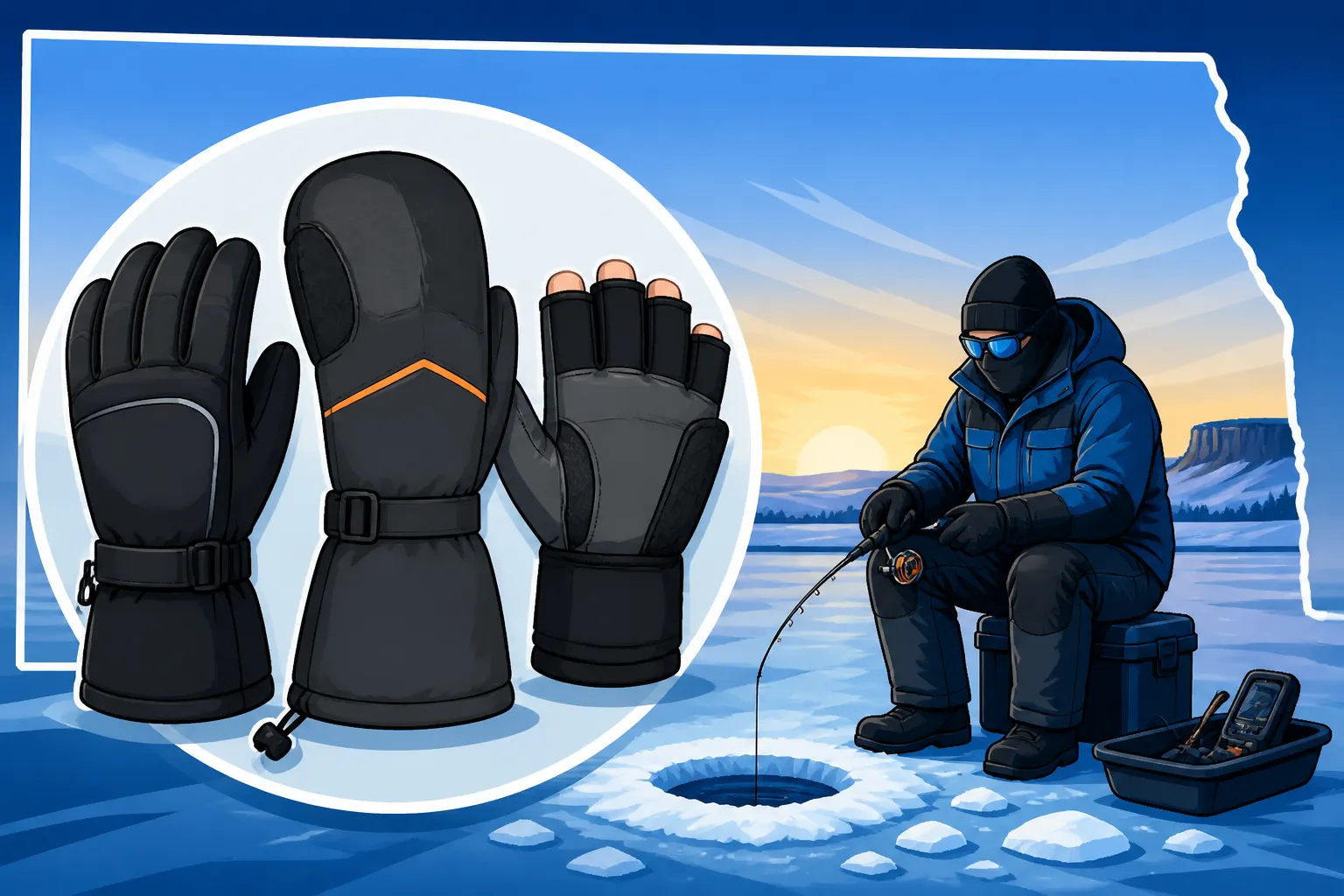
Full Finger Gloves: Maximum Warmth and Protection
These are your primary workhorses for extreme cold. Full finger gloves offer comprehensive coverage and are designed to maximize insulation.
- When to Use Them: Full finger gloves are ideal for most of your time on the ice, especially when traveling across the lake, setting up your shelter (like a Best Portable Ice Shelters for Wind), or when you're simply trying to stay as warm as possible inside your ice house. They are essential for prolonged exposure to below-zero temperatures.
- What to Look For:
- Thick Insulation: Prioritize high-gram-weight insulation (e.g., 200g+ Thinsulate or equivalent synthetic fill).
- Waterproof/Windproof Membrane: Non-negotiable for North Dakota conditions.
- Gauntlet Cuffs: These are longer cuffs that extend up your wrist and often over your jacket sleeve, providing an extra barrier against snow and wind from sneaking in. Look for models with cinch straps or drawcords to seal them tightly.
- Wrist Straps: An adjustable strap across the wrist helps secure the glove, keeping heat in and preventing snow from entering. It also ensures a snugger fit for better dexterity.
- Scenarios: Imagine you're drilling holes with your Best Auger Size for North Dakota Ice Fishing or setting up your pop-up shack early in the morning. Your full finger gloves are crucial here, providing warmth and protection from ice, snow, and metal. When you're just sitting, watching your lines in a heated shack, these keep your hands toasty without needing to fuss. Many anglers swear by brands available at Bass Pro Shops or online retailers like Amazon, specifically designed for serious ice fishing.
Mittens: The Ultimate in Warmth
For truly brutal conditions, nothing beats the warmth of mittens. They keep your fingers together, allowing them to share body heat, which is significantly more effective than separating them in gloves.
- When to Use Them: Mittens are your secret weapon for the coldest days or during periods of inactivity when you need maximum warmth. If you're struggling with cold hands in gloves, switching to mittens can often save the day. They're also great for those long walks across a frozen lake.
- Convertible Mittens vs. Dedicated Mittens:
- Convertible Mittens (Flip-Top): These are a fantastic hybrid option. They typically feature a mitten cover that can be flipped back to expose fingerless gloves or even bare fingertips. This allows for quick bursts of dexterity (tying a knot, baiting, checking a phone) without removing the entire handwear. The best designs have magnets or velcro to hold the mitten flap securely out of the way.
- Dedicated Mittens: These offer the most warmth but sacrifice dexterity entirely. They are best for periods of travel or simply keeping hands warm when you don't need to handle anything intricate. You'll typically remove them for any fine motor tasks.
- Scenarios: Picture a bone-chilling morning on the ice, the temperature hovering around -20°F. You've got your auger and sled loaded, ready to trek to your spot. This is where dedicated mittens shine, keeping your hands incredibly warm during transit. Once you're set up, if you need to quickly tie a fishing knot, a convertible mitten allows you to expose your fingers for a moment, then cover them right back up.
Fingerless Gloves and Glove-Mitt Combos: For Dexterity Needs
While full coverage is ideal, some tasks simply demand bare or mostly bare fingers. This is where specialized options come in.
- When These are Useful: Fingerless gloves or convertible mittens (as discussed above) are invaluable for tasks requiring fine motor skills. This includes tying intricate fishing knots, handling small jigging spoons, baiting hooks with tiny minnows, adjusting small settings on your fish finder, or even using your smartphone to check a map or take a photo of your catch.
- Pros and Cons:
- Pros: Significantly improved dexterity, allowing for quicker and more precise actions. Reduces the need to fully remove gloves and expose bare hands to the elements as frequently.
- Cons: Less warmth than full finger gloves or mittens, as your fingertips are either exposed or only thinly covered. Not suitable for prolonged exposure in extreme cold without a protective cover.
- Hybrid Designs: The best of these combine a warm, insulating body with a protective cover. Often, the fingerless part might even be a thin, insulated glove itself, offering some warmth even when the mitten flap is open. When selecting these, ensure the material covering the fingers when the mitten is closed is robust and warm enough for North Dakota's cold. You can find excellent selections for these specific needs at Bass Pro Shops, which often stocks brands tailored for ice fishing.
| Glove Style | Primary Benefit | Ideal Conditions/Tasks | Dexterity Level | Warmth Level |
|---|---|---|---|---|
| Full Finger Gloves | Balanced warmth & protection | Most ice fishing scenarios, active fishing, moderate cold | Moderate | High |
| Mittens (Dedicated) | Maximum warmth | Extreme cold, travel, inactive periods, inside heated shelters | Very Low | Highest |
| Convertible Mittens | Dexterity on demand | Cold conditions requiring occasional fine motor tasks | High (when open) | High (when closed) |
| Fingerless Gloves | Ultimate dexterity | Quick, intricate tasks in mild cold (best as liner) | Highest | Low |
Features to Look for in Below-Zero Ice Fishing Gloves
Beyond insulation and material, several practical features can make a huge difference in your comfort and effectiveness on the ice.
Grip and Tactility
Imagine trying to hold onto a slippery, thrashing walleye with a wet, untextured glove. It's a recipe for disaster. Good grip is essential.
- Reinforced Palms and Fingertips: Look for materials like synthetic leather, rubberized coatings, or silicone patterns on the palm and fingers. These not only enhance durability but also provide a much better grip on your fishing rod, auger handle, and, most importantly, on the fish themselves. A good grip also means less effort required to hold things, which conserves energy and keeps your hands warmer.
- Pre-Curved Fingers: Many high-quality gloves are designed with pre-curved fingers. This ergonomic design reduces hand fatigue because the glove is already shaped to the natural curve of your hand. This also improves your ability to hold a rod or other gear comfortably without fighting the glove's stiffness.
- Tactility: While thick insulation naturally reduces tactility, the best ice fishing gloves strike a balance. High-quality synthetic insulation like Thinsulate allows for decent sensitivity, even in thick gloves. This means you can still feel subtle bites without your hands freezing.
Wrist and Cuff Design
The cuff of your glove is a crucial barrier against snow, wind, and water infiltration.
- Gauntlets: As mentioned, gauntlet-style cuffs that extend past your wrist are highly beneficial. They prevent snow from getting into your sleeves when you're reaching into an ice hole or battling a fish. An adjustable cinch or drawcord on the gauntlet allows you to seal it tightly over your jacket sleeve, creating an impenetrable barrier. This is especially useful for activities like How to Ice Fish in North Dakota where you're constantly interacting with snow and ice.
- Shorter Cuffs: While less common for extreme cold, some jigging gloves might have shorter cuffs. If you opt for these, ensure your jacket sleeves are long enough and have adjustable cuffs that can be tightened over the glove to prevent snow entry. This style usually prioritizes movement over absolute protection.
- Adjustable Straps: A strap across the back of the hand or wrist allows you to customize the fit, ensuring the glove stays securely on and keeps warm air in. This also prevents the glove from sliding around, which can impact dexterity.
Ease of On and Off / Drying Time
Practical considerations really come into play when your hands are cold or you're trying to perform tasks quickly.
- One-Handed Operation: Can you easily put on or take off the gloves with your other gloved hand? This might seem minor, but when you're out in the elements, fumbling with complicated closures can be frustrating.
- Liner Systems: Some gloves feature removable liners. This is a fantastic design for several reasons:
- Versatility: You can use the liner alone for less extreme conditions or wear it with the outer shell for maximum warmth.
- Drying: If the liner gets wet from sweat, you can remove and dry it separately, which is much faster than drying a whole glove. You can even bring multiple liners to swap out.
- Cleaning: Liners are often easier to wash.
- Quick-Drying Materials: While the outer shell should be waterproof, any internal fabrics or insulation that might get damp (especially the liner) should be made of quick-drying synthetics or wool. This helps manage moisture from sweat and accidental splashes, keeping your hands comfortable longer.
Top Tips for Keeping Your Hands Warm on the Ice
Even with the best gloves, a few extra strategies can make all the difference when you're battling North Dakota's sub-zero temperatures.
Layering Your Handwear
Just like you layer your clothing for overall warmth, layering your handwear can significantly boost comfort and versatility.
- The Concept: The idea is to wear a thin, wicking base layer (liner glove) under a thicker, insulated, and waterproof outer glove or mitten.
- Material Choices for Liners:
- Merino Wool: Excellent choice. It's warm, wicks moisture, and retains warmth even when damp. It's also soft against the skin.
- Synthetic (Polyester/Fleece): Also good for wicking moisture and providing a base layer of warmth. Often more durable and affordable than merino.
- Avoid Cotton: Seriously, no cotton liners!
- Benefits:
- Enhanced Warmth: The air trapped between layers adds insulation.
- Moisture Management: The liner wicks sweat away from your skin, keeping your hands drier.
- Dexterity: When you need to perform a delicate task, you can slip off your bulky outer glove and still have a thin layer of protection with your liner, rather than completely exposing your bare skin to the cold. This is perfect for tying a quick knot or adjusting a bobber. You can find great quality liner gloves on Amazon or at your local outdoor gear shop.
Hand Warmers and Other Accessories
Sometimes, even the best gloves need a little extra help to fight off the deep chill.
- Disposable Hand Warmers: These little packets are a lifesaver. They use an exothermic chemical reaction to generate heat for several hours.
- Placement: Slip them into the back of your gloves or mittens, near your knuckles, or directly into the palm. Ensure they have enough air to activate properly.
- Benefits: Provide a consistent source of supplemental heat, especially useful on the coldest days or if your hands start to get chilled despite your gloves.
- Rechargeable Hand Warmers: These battery-powered devices offer heat on demand and can be recharged via USB.
- Benefits: Environmentally friendly, reusable, and often offer adjustable heat settings. Some even double as power banks for charging small electronics.
- Muffs: For truly extreme cold, some anglers wear large, insulated hand muffs around their waist or neck. You can then slip your gloved hands inside the muff for an extra layer of warmth, often with a hand warmer tucked inside. This is a favored trick for those long hours of North Dakota Yellow Perch Fishing Guide when you're less active.
The Importance of Staying Dry
Moisture is the enemy of warmth, whether it's from external sources or your own sweat.
- Change Wet Gloves Immediately: This is perhaps the most crucial tip. If your gloves get soaked through (and they will, it's inevitable with ice fishing), change them out for a dry pair as soon as possible. Keeping a spare, dry pair in a waterproof bag inside your Best Ice Fishing Shelters for North Dakota can be a game-changer.
- Preventing Sweat: Overheating your hands will lead to sweat, which then chills your hands. Try to regulate your body temperature by shedding layers if you're active (e.g., drilling many holes). Use your liner gloves for high-exertion tasks, then put your warmer outer gloves back on when you slow down.
- Proper Ventilation: Inside your ice shelter, if you have a heater running, try to dry out damp gloves. Don't leave them balled up; spread them out or hang them to allow air to circulate.
- Avoid Direct Contact with Ice/Snow: Whenever possible, use tools (pliers, scoopers) to handle ice and snow rather than your bare or thinly gloved hands. This minimizes moisture exposure.
By understanding the science of insulation, choosing the right styles for your tasks, and employing smart cold-weather strategies, you can ensure your hands stay warm and nimble on your next North Dakota ice fishing adventure, even when temperatures plunge well below zero. Happy fishing!
Disclaimer
This article is for general informational purposes only and does not constitute professional advice. Laws, prices and regulations vary by location and change over time. Consult a qualified professional for guidance on your specific situation.