Best Boat for Windy Big Water Lakes
There's nothing quite like the immense feeling of freedom and anticipation when you're heading out onto one of North Dakota's sprawling lakes, like Sakakawea, Devils Lake, or Lake Oahe. But anyone who's spent a fair amount of time on these vast bodies of water knows that the tranquility can vanish in a heartbeat when the wind decides to howl. Suddenly, those calm ripples turn into intimidating waves that can make even experienced anglers feel a knot in their stomach. Finding the best boat for these windy, big water conditions is absolutely crucial for both safety and fishing enjoyment, and this guide is here to walk you through what to look for so you can stay confident and comfortable on the water.
Navigating the Challenges of North Dakota's Big Water Lakes
North Dakota's larger lakes are truly magnificent, offering incredible fishing opportunities for walleye, northern pike, and more. However, their sheer size also presents unique challenges, especially when the weather decides to get feisty. The problem isn't just about a bit of chop; on lakes like Sakakawea, which stretches for miles and is fed by the mighty Missouri River, a stiff breeze can whip up three- to five-foot waves in a matter of minutes. These waves aren't just inconvenient; they can be genuinely dangerous, making navigation difficult, swamping smaller vessels, and turning a pleasant fishing trip into a stressful battle against the elements.
Imagine you're miles from the nearest boat ramp, the fish finder is humming with promise, and then the sky darkens, and the wind picks up. Suddenly, you're not just fishing; you're trying to keep your bow pointed into the waves, water is spraying over the side, and every bump jars your teeth. This isn't just about comfort; it's about getting back to shore safely. A boat that's under-equipped for these conditions can be a liability, putting you and your passengers at risk. Knowing the specific demands of these waters is the first step in choosing a vessel that can handle whatever North Dakota throws at it. Best Boats for Lake Sakakawea's Big Water is a fantastic resource if you're particularly focused on that magnificent body of water.
The open expanses mean there's little to break the wind, allowing waves to build momentum over long stretches. This phenomenon is common across the northern plains, where wide-open spaces are the norm. Even on a lake like Devils Lake, known for its flooded timber and more complex structure, sudden gusts can create turbulent conditions in open basins. You need a boat that isn't just a fair-weather friend but a reliable partner when the winds shift and the big water starts to roll.
Essential Boat Design Elements for Rough Waters
When you're looking for a boat to confidently tackle North Dakota's windy, big water lakes, certain design features move from "nice to have" to "absolutely essential." It's not just about horsepower; it's about how the boat interacts with the water. The right combination of hull design, construction, and power can make all the difference in comfort, safety, and your ability to fish effectively.
Hull Design: Cutting Through the Chop
The most critical factor is often the hull design. For big water, a deep-V hull is paramount. Unlike flatter-bottomed boats that tend to slap uncomfortably on waves, a deep-V hull slices through them, providing a much smoother, drier ride. Look for a boat with a sharp entry at the bow that gradually flattens towards the stern. This allows the boat to cut through waves rather than riding over them, reducing jarring impacts and keeping spray down. A high freeboard, which is the distance from the waterline to the top of the boat's side, is also incredibly important. This extra height acts as a splash guard, preventing waves from washing over the bow or sides, keeping you and your gear much drier, and enhancing safety in rough conditions. Best Boat Size for Lake Sakakawea will elaborate on how size plays into this as well.
Furthermore, a wider beam (the boat's width) contributes to stability, especially when you're sitting still or trolling in a chop. While a deep-V is great for cutting through waves, a wider beam helps reduce rocking and rolling, making it more comfortable for fishing. It's a delicate balance; too wide can affect speed and handling, but a good balance provides stability without sacrificing too much performance in rough water. You can often find detailed specifications on various boat models on retailer websites, including those from providers like Bass Pro Shops.
Construction Materials: Durability and Weight
The material your boat is constructed from significantly impacts its performance and longevity on big, windy lakes. The two main contenders are aluminum and fiberglass, each with distinct advantages. Heavy-gauge aluminum boats, particularly those with riveted or welded seams and robust stringer systems, are incredibly durable. They can take a beating from waves, stray rocks, or unexpected impacts without showing too much wear. They're generally lighter than comparable fiberglass boats, which can be an advantage for towing and fuel efficiency, but can also make them feel "bouncier" in very heavy chop.
Fiberglass boats, on the other hand, are known for their smoother ride in rough water. The inherent weight and rigidity of fiberglass allow them to absorb wave impacts more effectively, providing a Cadillac-like ride even when the lake gets nasty. They also tend to have more complex hull shapes and interior layouts, offering more comfort and amenities. However, fiberglass boats are typically heavier, meaning you'll need a more substantial tow vehicle and potentially more fuel to move them. They can also be more susceptible to gel coat damage from impacts. For a deeper dive into this comparison, check out Aluminum vs Fiberglass Boats for North Dakota Lakes.
Power and Propulsion: Getting There and Back Safely
Having adequate power is non-negotiable for big water fishing. You need an engine that can not only get you to your fishing spots efficiently but, more importantly, can reliably get you back to shore against strong winds and waves. A powerful main outboard motor, matched appropriately to the boat's hull, is essential. When considering Best Boat Motor Size for Lake Sakakawea, remember that horsepower isn't just for speed; it's for safety and control. Having enough torque to push through heavy swells is crucial.
Beyond the main engine, a kicker motor (a smaller, auxiliary outboard motor) is a smart investment. This provides a backup in case your main engine fails, and it's also excellent for slow trolling, saving wear and tear on your main engine. For precise boat control, especially when holding a line or navigating tricky currents, a high-thrust, reliable bow-mounted trolling motor is indispensable. Many modern trolling motors, often found on sites like Amazon or at your local Bass Pro Shops, come with GPS capabilities that allow for "spot-lock" anchoring, keeping your boat exactly where you want it despite wind and waves. This is a game-changer for effective fishing on big, windy waters. More on this topic can be found in Best Trolling Motors for North Dakota Lakes.
Choosing the Right Type of Boat for North Dakota's Conditions
Given the unique characteristics of North Dakota's big water lakes, certain boat types stand out as superior choices for anglers who value safety, comfort, and fishing effectiveness. These categories have evolved to meet the demands of serious fishing in challenging environments.
Multi-Species (Walleye) Boats
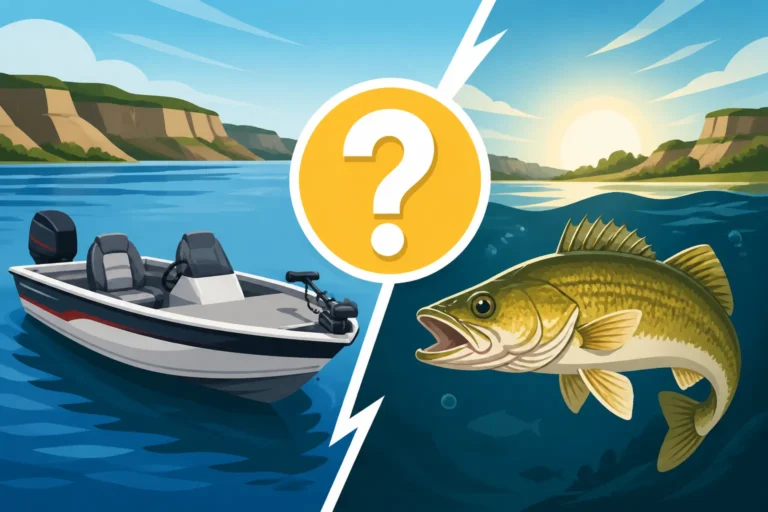
Perhaps the most popular choice for North Dakota anglers, multi-species boats (often simply called "walleye boats") are designed specifically to handle a variety of fishing techniques in diverse conditions, including rough water. They typically feature deep-V hulls, high transoms, and ample freeboard, providing a dry and stable ride. These boats are often equipped with large casting decks, plenty of storage for rods and tackle, and integrated livewells and baitwells.
They come in both aluminum and fiberglass options. Aluminum multi-species boats, like those from popular brands, offer a great balance of durability, fishability, and relatively easy trailering. Fiberglass walleye boats, on the other hand, provide an even smoother ride in heavy chop due to their weight and construction, often boasting more luxurious finishes and greater top-end speed. The choice often comes down to budget, towing capacity, and personal preference for ride quality versus ruggedness. These boats are truly versatile workhorses, perfect for chasing walleye on Sakakawea one day and pike on Devils Lake the next.
Deep-V Aluminum Boats
For many, the classic deep-V aluminum boat is the quintessential North Dakota fishing machine. These boats, often ranging from 16 to 22 feet, excel in durability and their ability to shed water. While some smaller models might struggle in truly massive waves, the larger, heavier-gauge versions with substantial freeboard are very capable. They are lighter than fiberglass, making them easier to launch, retrieve, and tow, which is a significant advantage when you might be visiting different lakes with varying access points.
These boats are also highly customizable, allowing anglers to outfit them with the exact electronics and accessories they need. They're generally more forgiving of bumps and scrapes, which is a practical consideration for those who fish frequently in varied conditions or sometimes encounter less-than-perfect docks and ramps. While they might not offer the ultra-smooth ride of a heavy fiberglass boat, their ruggedness and utility make them a top contender for consistent use on North Dakota's big, windy lakes.
Fiberglass Bass and Multi-Species Rigs
While not always the first thought for "big water" as many envision bass boats for smaller lakes, certain fiberglass bass boats and larger multi-species fiberglass boats are incredibly adept at handling rough conditions. Manufacturers have developed hulls that cut through chop with impressive efficiency, offering a very dry and comfortable ride. These boats often feature high-performance outboards, excellent fuel efficiency at cruising speeds, and spacious, well-organized decks.
The heavier weight of fiberglass inherently helps dampen the ride in waves, and the ability to mold complex hull shapes often leads to superior hydrodynamics. While the initial cost can be higher than aluminum, and trailering requires a beefier vehicle, the comfort and performance, especially in sustained heavy chop, can be unparalleled. Anglers focused on top-tier performance and a premium ride will often lean towards these fiberglass options, particularly for extended trips on large reservoirs.
| Boat Type | Pros | Cons | Ideal for |
|---|---|---|---|
| Deep-V Aluminum | Durable, lighter for towing, good stability, often more affordable | Can be bouncier in extreme chop, not always the driest ride | All-around ND fishing, frequent trailering, budget-conscious, rugged use |
| Fiberglass Multi-Species | Very smooth ride in chop, dry, comfortable, high performance, good storage | Heavier, more expensive, requires larger tow vehicle, can be less forgiving of impact | Serious anglers, rough water comfort, performance, long runs on big lakes |
| Larger Fiberglass Bass/Walleye | Excellent rough water handling, very dry, high speed, luxurious features | Most expensive, heaviest, less versatile for varied fishing styles (some bass boats) | Tournament anglers, maximum comfort/performance, extended big water trips |
Beyond the Hull: Crucial Gear and Safety Practices
Having the right boat is only part of the equation when you're venturing onto North Dakota's expansive and often challenging waters. What you put in and on that boat, along with your preparedness, is equally vital for a safe and successful trip. This isn't just about making your fishing more efficient; it's fundamentally about ensuring you get home safely after a day on the water.
Essential Electronics and Navigation
On big water, you can quickly become disoriented, especially if weather conditions deteriorate. A reliable GPS chartplotter is non-negotiable. It allows you to navigate safely, mark fishing spots, and, most importantly, find your way back to the launch even in fog, heavy rain, or darkness. Modern units often come preloaded with detailed lake maps, showing depth contours and underwater structure. Best GPS Chartplotter for Lake Sakakawea is a great resource if you're looking for recommendations for those vast waters. Don't rely solely on your phone; dedicated marine electronics are designed to withstand harsh conditions and often have superior GPS accuracy.
Complementing your GPS, a powerful fish finder is essential for locating fish and understanding underwater topography. Look for units with clear, high-resolution screens and advanced sonar capabilities like Down Imaging and Side Imaging, which can paint a detailed picture of what's beneath and beside your boat. This helps you find structure where fish hide, even in turbulent conditions. Best Fish Finders for Boat Fishing delves deeper into choosing the right unit for your needs.
Anchoring and Boat Control Systems
Holding your position in windy conditions is paramount, whether you're targeting a specific piece of structure or just trying to enjoy a meal. Traditional anchor systems are still effective, but for big water, you need a substantial anchor (a Fortress or river anchor often works well), plenty of chain, and ample rope. An electric anchor winch can be a back-saver. However, for precision boat control, especially for hands-on fishing, a powerful bow-mounted trolling motor with GPS spot-lock functionality is a game-changer. These motors can automatically hold your boat in place, compensating for wind and current, allowing you to focus on fishing.
For anglers using drift socks, having a robust system to deploy and retrieve them is also important. Drift socks can slow your drift in heavy winds, allowing for more controlled presentations, but they need to be strong enough to withstand the forces of wind and waves acting on your boat.
Comprehensive Safety Equipment
Your personal safety and the safety of your passengers should always be the top priority. Always ensure you have enough life jackets for everyone on board, and insist that children and weak swimmers wear them at all times. On cold North Dakota waters, specialized cold-water life jackets are a smart choice. Best Life Jackets for Cold Water Fishing emphasizes just how critical this is. A first-aid kit, properly stocked for marine emergencies, is also a must.
Beyond personal flotation, invest in reliable communication devices. A VHF marine radio is standard for hailing other boats or emergency services. For areas out of VHF range, a satellite messenger or personal locator beacon (PLB) can be a lifesaver. Carry a fully charged cell phone, but don't rely on it as your sole means of communication, as signal can be spotty on large, remote lakes. Other crucial items include a horn or whistle, visual distress signals (flares), a bailing device, and a fire extinguisher. Always check the current North Dakota Boat Registration Guide for any specific mandatory safety equipment requirements.
Finally, always monitor the weather closely before and during your trip. North Dakota weather can change rapidly. Pay attention to wind forecasts, barometric pressure changes, and any incoming storm systems. Knowing when to head back to shore is just as important as knowing how to handle the conditions when you're out there.
Disclaimer
This article is for general informational purposes only and does not constitute professional advice. Laws, prices and regulations vary by location and change over time. Consult a qualified professional for guidance on your specific situation.