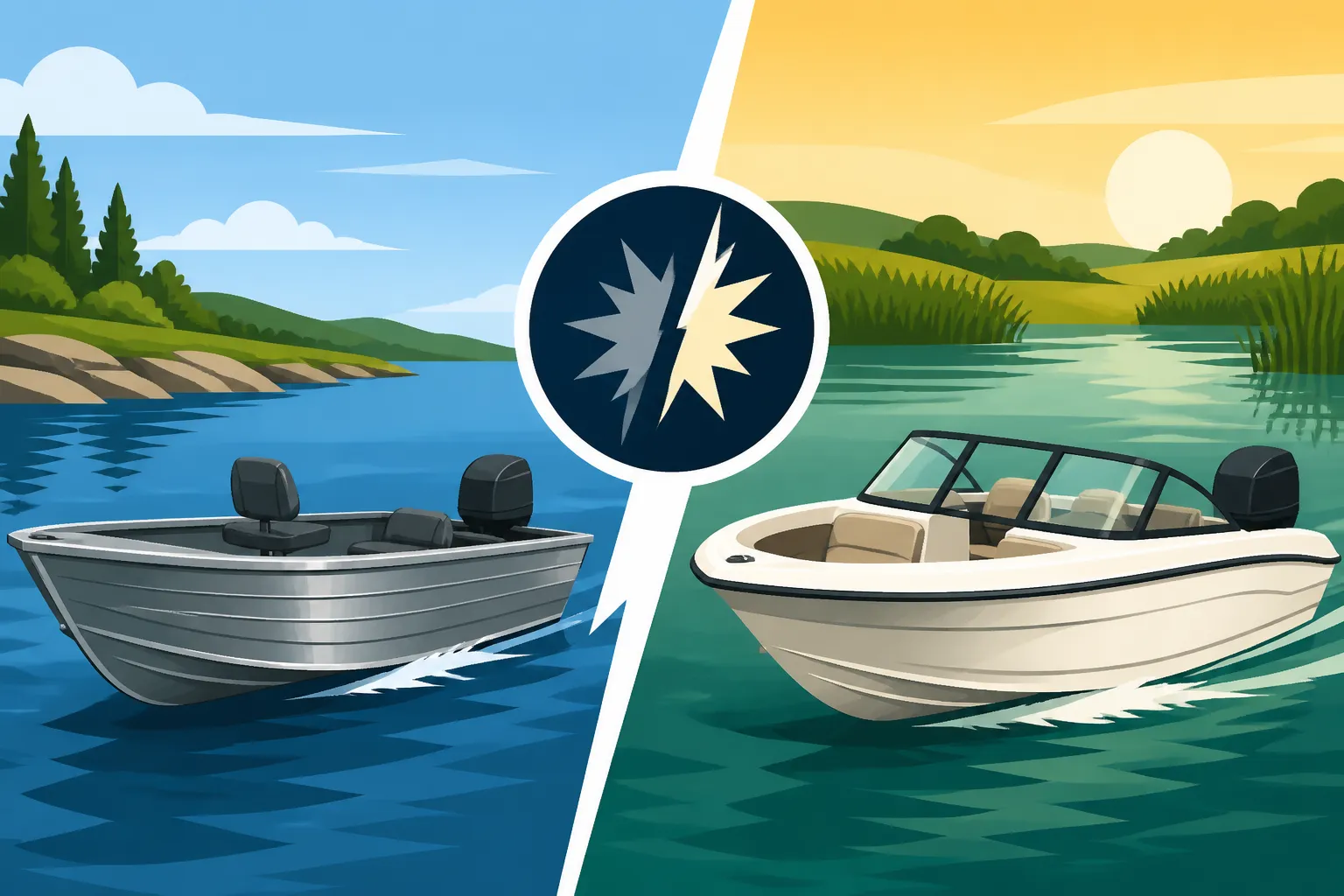
Aluminum vs Fiberglass Boats for North Dakota Lakes
Choosing the right fishing boat for North Dakota's incredible, yet often challenging, waters can feel like a really big decision. You're not just buying a vessel; you're investing in countless memories, successful fishing trips, and sometimes, a whole lot of peace. Many anglers find themselves caught between the practical appeal of aluminum and the sleek performance of fiberglass, wondering which will truly stand up to everything from the vast, windy expanses of Lake Sakakawea to the shallower, snag-laden stretches of the Red River. This guide will cut through the noise, offering an in-depth look at both options to help you decide which boat is your perfect partner on the water.
The Enduring Appeal of Aluminum Fishing Boats
Aluminum boats have long been a staple in the North Dakota fishing scene, and for good reason. They're often seen as the workhorse of the angling world, offering a blend of practicality and resilience that many find hard to beat. When you're dealing with the unpredictable conditions and diverse fishing spots across our state, a boat that can take a beating and still keep going holds significant value.
Lightweight and Resilient: Why Aluminum Shines
One of the biggest advantages of an aluminum boat is its weight, or lack thereof. This makes a huge difference when you're trailering your boat long distances, perhaps from Bismarck all the way up to Devils Lake, or when you're launching it by hand at some of the more remote North Dakota Fishing Access Sites on Lake Sakakawea. A lighter boat means less strain on your tow vehicle, better fuel economy on the highway, and an easier time at boat ramps, especially those that might be a bit rugged or less developed. You don't always need a massive truck to pull an aluminum boat, which can be a significant cost saver right off the bat.
Beyond weight, aluminum boasts impressive resilience. If you've ever fished North Dakota's lakes, you know that low water levels can expose stumps, rocks, and other hazards that can quickly ruin a fiberglass hull. Aluminum, while it can dent, is far less prone to catastrophic punctures or gelcoat damage from minor impacts. Think about those times you misjudged a shallow point while chasing walleye, or when the wind pushed you a little too close to the shoreline. An aluminum boat often shrugs off these minor bumps and scrapes, making it a favorite for anglers who frequently navigate unfamiliar waters or those who simply prefer less worry about cosmetic damage. Plus, for those of us who also enjoy ice fishing and need a reliable utility boat for hauling gear during the shoulder seasons, an aluminum boat can often pull double duty with ease.
Practicality and Price Point Considerations
Let's talk brass tacks: price. Generally speaking, aluminum boats tend to have a lower upfront cost than their fiberglass counterparts, especially when comparing similar sizes and feature sets. This makes them an attractive option for new anglers, those on a tighter budget, or anyone looking for a dependable secondary boat. You can often find a well-equipped aluminum fishing boat for a very reasonable price, leaving more room in your budget for essential gear like a quality Best Fish Finders for Boat Fishing or a top-notch Best Trolling Motors for North Dakota Lakes.
Maintenance is another area where aluminum often pulls ahead in terms of practicality. While you'll still want to wash and care for your boat, aluminum doesn't require the same level of waxing and buffing that fiberglass does to maintain its appearance. Dents are often easier and less expensive to repair than significant gelcoat damage. This straightforward maintenance routine means you spend less time polishing and more time on the water, which, let's be honest, is what we all want. Many popular aluminum fishing boat brands offer a wide range of models, from basic utility boats to fully rigged bass or walleye boats. You can often browse a great selection of these on sites like Bass Pro Shops or even explore options for smaller, more portable versions on Amazon, comparing specifications and customer reviews before heading to a local dealer.
Embracing Performance and Comfort with Fiberglass Fishing Boats
While aluminum boats are practical and tough, fiberglass boats step up to offer a different kind of fishing experience, one that often prioritizes comfort, performance, and a sleek aesthetic. If you spend long days on large bodies of water or value a smooth ride above all else, fiberglass might just be calling your name.
Superior Ride and Stability in Big Water
North Dakota is home to some truly massive lakes, like Lake Sakakawea, which can transform from a glassy surface to an angry, choppy beast in a matter of minutes. This is where fiberglass boats truly shine. Their heavier construction and often deeper V-hull designs allow them to cut through waves rather than slap over them, providing a much smoother, drier, and more comfortable ride. If you've ever made a long run across Sakakawea in a strong crosswind, you know the difference a good hull design can make. This superior ride quality translates to less fatigue for both the driver and passengers, making those extended trips to distant fishing spots far more enjoyable.
Fiberglass boats also tend to be more stable, both when running and when sitting still. This added stability is a huge advantage for anglers who enjoy standing to cast, jig, or sight fish, especially on open water. It means less rock and roll when someone moves around in the boat or when a sudden gust of wind hits. This enhanced stability is particularly valuable when you're battling a trophy walleye or northern pike, allowing you to maintain your balance and focus on the fight.
Customization, Aesthetics, and Added Features
When it comes to looks and customization, fiberglass boats typically offer more possibilities. The molding process allows manufacturers to create intricate hull designs, integrate storage compartments seamlessly, and craft ergonomically designed cockpits. You'll often find features like built-in tackle storage systems, expansive livewells, and comfortable seating that are perfectly integrated into the boat's structure, rather than added on as afterthoughts. This not only enhances the boat's functionality but also contributes to a cleaner, more organized fishing platform.
From a purely aesthetic standpoint, many anglers are drawn to the sleek lines, glossy gelcoat finishes, and wide array of color options available with fiberglass boats. They often have a more "finished" and luxurious feel, which can certainly add to the pride of ownership. If you spend a lot of time entertaining on the water or simply appreciate a boat that looks as good as it performs, fiberglass often wins in this category. You can explore the various models and their features by checking out brand-specific websites or perusing options at large retailers. It's often helpful to compare different models from the comfort of your home, perhaps looking up specific rod holder configurations or livewell capacities on Bass Pro Shops' website before visiting a dealer.
Key Comparison Factors for North Dakota Waters
When deciding between aluminum and fiberglass, it's not just about what they are, but how they perform and endure in the unique context of North Dakota fishing. Our state's conditions – from fluctuating water levels and abundant shallow areas to harsh winters and often windy open waters – will heavily influence which boat material makes more sense for you.
Durability and Maintenance Over Time
Durability isn't a simple "which is tougher" question; it's about how they're tough and what kind of abuse they withstand best. Aluminum boats are renowned for their impact resistance against minor bumps, scrapes, and even glancing blows from rocks or stumps. They can dent, but rarely puncture completely, which can be a huge relief if you're exploring unfamiliar areas or dealing with low water conditions, which are not uncommon on rivers like the Missouri or even parts of Lake Sakakawea. Repairing a dented aluminum hull is often a straightforward process of welding. However, aluminum can suffer from galvanic corrosion if different metals are in prolonged contact without proper insulation, and it's less forgiving of flexing, which can lead to rivets loosening over decades if the boat is constantly pounded in rough water.
Fiberglass, on the other hand, is incredibly stiff and strong. It excels at absorbing the shock of waves, leading to that smooth ride we talked about. However, a sharp, hard impact can cause gelcoat cracks, spider-webbing, or even structural damage if the blow is severe enough. While these can be repaired, it often requires specialized fiberglass repair work to restore both structural integrity and cosmetic appearance. Maintenance for fiberglass typically involves more frequent washing, waxing, and polishing to protect the gelcoat from UV damage and keep it looking new. When it comes to long-term storage, especially during our brutal North Dakota winters, both types benefit from proper winterization and Best Boat Cover for North Dakota Winters, but fiberglass might require a bit more attention to prevent gelcoat oxidation.
Performance in Varied North Dakota Conditions
This is where your specific fishing habits really come into play. If your fishing grounds primarily consist of smaller lakes, shallow rivers, or areas where easy portability and launch access are critical, an aluminum boat might be your champion. Their lighter weight and often shallower draft mean they can get into skinny water where a heavier fiberglass boat might struggle. This is perfect for chasing pike in weed beds or exploring less-trafficked creeks. For those who frequently fish rivers, an aluminum boat can often navigate through shallower spots or over minor obstructions without as much concern.
However, if your passion lies in tackling the vast, open waters of Lake Sakakawea, Devils Lake, or Lake Oahe, especially on windy days, the ride quality of a fiberglass boat becomes a game-changer. The ability of a deep-V fiberglass hull to slice through chop and deliver a dry, stable platform is unmatched. This is crucial for safely and comfortably making long runs to productive spots, or for staying put and fishing effectively when the wind picks up. Stability for standing and casting is also usually better in fiberglass boats, which is a big plus for serious anglers. You'll want to ensure your boat is registered according to North Dakota Boat Registration Requirements no matter which material you choose.
Cost, Resale Value, and Long-Term Investment
As mentioned, aluminum boats generally have a lower initial purchase price. This makes them more accessible to a wider range of budgets and can be a great way to get on the water without a huge financial commitment. Their resale value tends to be stable; a well-maintained aluminum boat will almost always find a buyer, especially in regions like North Dakota where their practicality is highly valued. The overall cost of ownership, including fuel, maintenance, and North Dakota Boat Registration Cost by Length, is often lower for aluminum due to its lighter weight and simpler construction.
Fiberglass boats, while having a higher initial cost, often maintain a strong resale value, especially for popular brands and models that are well-cared for. They are often seen as a premium product, and buyers are willing to pay for the enhanced performance, comfort, and aesthetics. The investment might be larger upfront, but the long-term enjoyment and potential for good resale can make it worthwhile. When considering the long-term investment, think about how often you plan to use the boat, the types of water you'll be fishing, and whether the added comfort and performance justify the higher cost. It's always a good idea to research typical prices for both new and used models, perhaps looking at listings online or checking current offers from dealers like Bass Pro Shops to get a realistic picture of the market. You might also want to factor in the cost of specific accessories that enhance your fishing experience, which you can often find a wide selection of on Amazon.
Making Your Choice: What Truly Matters to Your Fishing Style
Ultimately, the best boat for you isn't about what's "better" in a vacuum, but what's better for your specific needs, desires, and the unique fishing opportunities here in North Dakota. It's a personal decision, and there's no single right answer for everyone.
Considering Your Primary Fishing Grounds
Where do you spend most of your fishing time? This is perhaps the most crucial question. If you're primarily a big water angler who lives for chasing walleye on Lake Sakakawea Walleye Fishing Spots or enjoys the vastness of Lake Oahe, a fiberglass boat with its superior ride in rough conditions might be the smarter, more comfortable choice. The ability to handle chop effectively means you'll be able to fish more days and feel better at the end of them. Plus, if you're investing in high-end electronics, you'll want a stable platform for them.
However, if your local honey holes are smaller impoundments, the winding Red River Catfish Fishing Spots in North Dakota, or you frequently explore areas with questionable ramps and shallow stretches, an aluminum boat's ruggedness, lighter weight, and shallower draft could be invaluable. You won't have to baby it as much, and the ease of maneuvering in tight spots or through shallow water can open up many more fishing opportunities. It really boils down to adapting your gear to the environment you intend to fish most often.
Budget, Storage, and Towing Capabilities
Let's be realistic about the practical side of boat ownership. Your budget isn't just about the purchase price; it includes registration, insurance, fuel, maintenance, and any upgrades you plan to make. An aluminum boat will generally be more forgiving on all these fronts. You also need to consider where you'll store your boat during the season and over the winter. A lighter aluminum boat might fit in a standard garage more easily, or be less of a hassle to park in a smaller driveway. For those who don't have a dedicated storage spot, knowing How to Winterize a Boat Trailer and the boat itself is crucial.
Towing capability is another big one. Do you have a truck or an SUV? What's its towing capacity? A smaller vehicle might easily handle an aluminum boat, whereas a fiberglass boat, especially a larger one, might require a more robust tow vehicle. Always check your vehicle's specifications before falling in love with a boat that's too heavy for it. Even the best boat isn't much fun if you can't get it to the water safely and legally. Remember, whether it's an aluminum or fiberglass boat, proper registration and safety gear are paramount, including having Best Life Jackets for Cold Water Fishing readily accessible for everyone on board.
| Feature | Aluminum Fishing Boats | Fiberglass Fishing Boats |
|---|---|---|
| Ride Quality | Good in calm water, can be rough in chop, wetter ride | Excellent in chop, smoother, drier ride in rough water |
| Durability | Resilient to impacts (dents rather than punctures) | Strong, but susceptible to gelcoat damage from sharp impacts |
| Weight | Lighter, easier to tow and launch | Heavier, requires more robust tow vehicle and launch |
| Maintenance | Lower, less cosmetic upkeep, dents easier to fix | Higher, requires waxing/polishing, gelcoat repair can be complex |
| Cost | Generally lower initial purchase price | Generally higher initial purchase price |
| Stability | Good at rest, can be more sensitive to movement | Excellent at rest, very stable for standing/casting |
| Shallow Water | Better for skinny water, less concern for impacts | Deeper draft, more cautious in very shallow areas |
| Customization | Functional designs, often simpler | Highly customizable, integrated features, sleek aesthetics |
| Noise | Can be louder when hitting waves/choppy water | Quieter ride, dampens noise |
Disclaimer
This article is for general informational purposes only and does not constitute professional advice. Laws, prices and regulations vary by location and change over time. Consult a qualified professional for guidance on your specific situation.