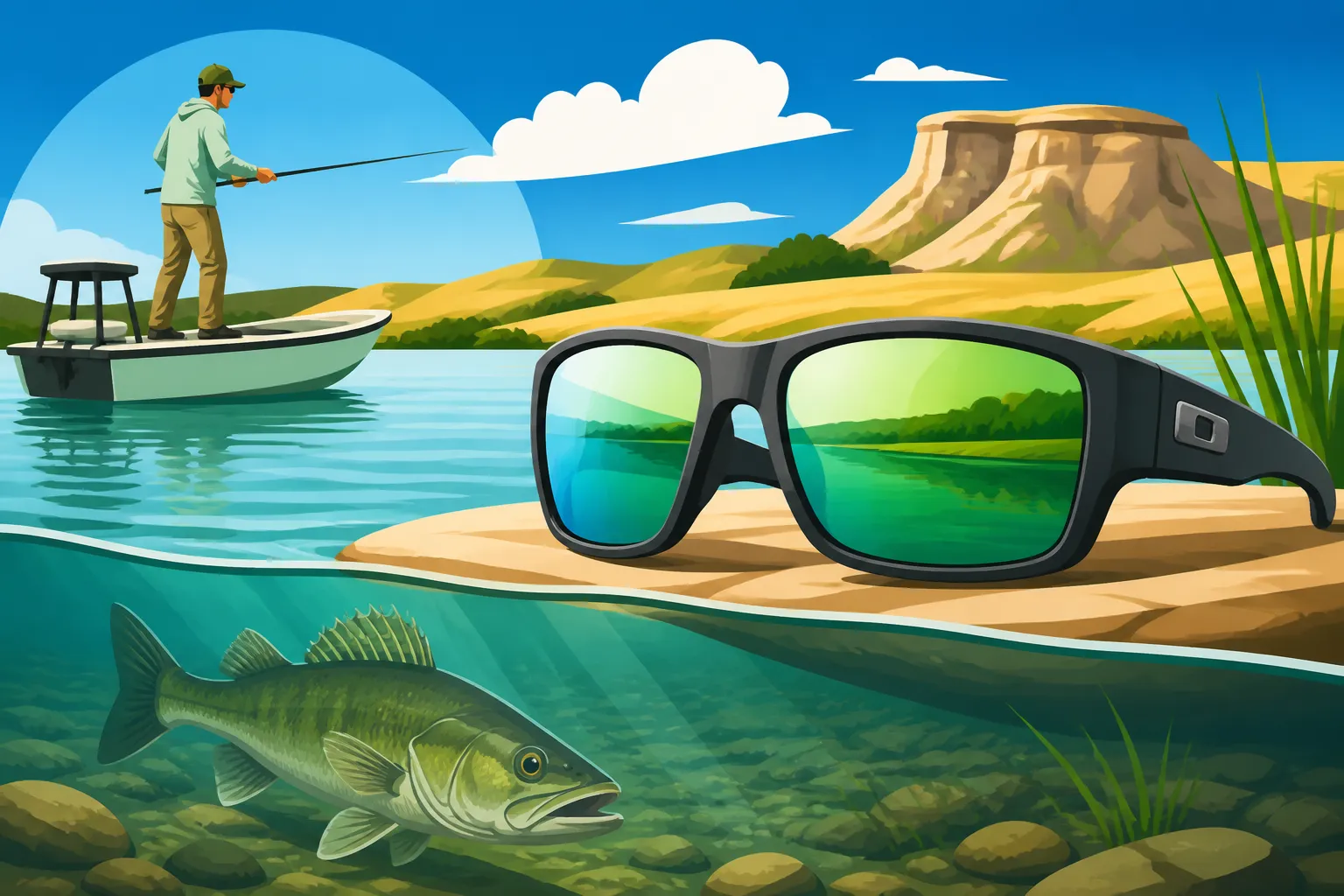
Best Sunglasses for Sight Fishing on Clear Water
There’s nothing quite like the thrill of sight fishing, seeing that shadowy form follow your lure, or spotting a big walleye tucked next to a rock pile in crystal-clear water. But let’s be honest, those bright North Dakota skies, especially over our expansive, clear lakes and rivers, can make it nearly impossible to cut through the glare and actually see what’s beneath the surface. It’s frustrating when you know the fish are there, but the sun is actively working against you. This guide is all about helping you conquer that surface glare and unlock a whole new dimension of fishing, detailing how to choose the best sunglasses specifically for sight fishing in North Dakota's clearer waters, allowing you to spot more fish and make more accurate presentations.
Why Good Sunglasses Are a Game-Changer for Sight Fishing in North Dakota
You've probably experienced it: a gorgeous, sunny day out on Lake Sakakawea, the water a beautiful blue-green, but when you look down, all you see is a shimmering, reflective surface. It’s like a mirror, bouncing all that light right back into your eyes. This isn't just annoying; it actively prevents you from being an effective angler in many situations. In North Dakota, where we have incredible clear-water fisheries, especially in places like parts of Lake Sakakawea, Lake Oahe, and even some of our smaller, deeper lakes, the ability to see into the water is a tremendous advantage. It transforms a guessing game into a strategic hunt.
Understanding Glare and Water Penetration
Glare is essentially reflected sunlight, and it hits your eyes from all angles when it bounces off the water's surface. Think of it like a thousand tiny mirrors flashing at you simultaneously. Regular sunglasses might darken your vision, which helps with overall brightness, but they don't eliminate that blinding horizontal glare. This is where specialized fishing sunglasses come into their own. They don't just tint the world; they actively filter out those horizontal light waves that cause glare, allowing your eyes to penetrate the surface and see what’s below. It’s a subtle but profound difference that can turn a frustrating day into a successful one.
The Advantage of Seeing Structure and Fish
Imagine cruising along a shoreline, or positioning your boat over a known fishing spot. Without the right eyewear, you might only see vague shadows or nothing at all. With the proper sunglasses, those vague shadows resolve into fallen timber, rock ledges, or submerged weed beds – prime habitat for our North Dakota game fish like walleye, smallmouth bass, and pike. More importantly, you can often spot the fish themselves. Seeing a walleye suspend off a point, or a northern pike lurking in shallow cover, allows you to cast with precision, adjust your retrieve, and sometimes even watch the fish react to your bait. This visual feedback loop is invaluable for learning fish behavior and refining your techniques. It gives you a tactical edge that a regular pair of shades just can't provide.
Key Features to Look For in Sight Fishing Sunglasses
When you're serious about seeing fish, not all sunglasses are created equal. You can’t just grab any old pair off the rack and expect miracles. There are specific technologies and design choices that make certain sunglasses stand head and shoulders above the rest for sight fishing, especially when dealing with the bright, often clear conditions we face across North Dakota.
The Magic of Polarization
This is non-negotiable. If your sunglasses aren't polarized, they're not truly fishing sunglasses. Polarization works by blocking horizontal light waves, which are the primary cause of glare on water. Vertical light waves, which help you see clearly, are allowed through. The effect is almost magical: as soon as you put on a good pair of polarized sunglasses, the shimmer and blinding reflections on the water disappear, and you can see right through the surface. It's like turning on an X-ray vision for the water. Without this feature, you’re just dimming the glare, not eliminating it, and you'll still struggle to spot that trophy walleye cruising just under the surface. This is the single most important feature, so always check for "polarized" in the product description.
Lens Colors for North Dakota's Varied Waters
While polarization is key, lens color plays a critical role in optimizing your vision for specific conditions. Different tints enhance contrast and manage light differently, making certain colors more effective depending on the water clarity, light levels, and even the bottom composition of the lake or river you're fishing.
- Gray/Smoke Lenses: These are excellent for extremely bright, sunny days and clear water. They reduce overall light transmission without distorting natural colors, making them ideal for places like the clearer stretches of Lake Sakakawea or when fishing open water under a high sun.
- Amber/Copper/Brown Lenses: These are often considered the most versatile for fishing. They excel in variable light conditions, from bright sun to overcast skies, and significantly enhance contrast. This makes them fantastic for spotting fish against sandy bottoms, rock formations, or even submerged vegetation in stained or clear water. Many anglers find these indispensable for a variety of North Dakota lakes and rivers.
- Yellow/Rose Lenses: These are best for low-light conditions, such as early morning, late evening, or heavily overcast days. They brighten your vision and offer exceptional contrast, which can be surprisingly effective when the sun isn't directly overhead but you still need to cut through a subtle haze on the water.
Having a couple of different pairs with various lens colors can be a real game-changer if you fish a lot of different waters or at different times of day. You might find a great selection of these specialized options at stores like Bass Pro Shops or online through retailers like Amazon, offering a wide range of brands and lens technologies.
Frame Fit, Comfort, and Coverage
What good are incredible lenses if the frames don't fit well or let light in from the sides? For fishing, you want frames that offer good coverage to block peripheral light and glare. Wraparound styles are often preferred because they minimize light leakage from the sides, top, and bottom, preventing distracting reflections and improving your overall field of vision. Comfort is also paramount, especially during long days on the water. Lightweight materials, rubberized nose pads, and temple tips help keep the sunglasses securely and comfortably in place, even when you’re sweating or maneuvering around the boat. If your sunglasses are constantly slipping or causing discomfort, you’ll be distracted from the fishing.
Lens Material and Durability
Fishing environments are tough on gear. Your sunglasses will inevitably get dropped, stepped on, or splashed. That’s why lens material and overall durability are crucial.
- Polycarbonate Lenses: These are highly impact-resistant, making them a good choice for active anglers who might drop their shades or take a stray hook to the face. They're also lightweight, which contributes to overall comfort.
- Glass Lenses: While heavier and more prone to shattering than polycarbonate, glass lenses offer superior optical clarity and scratch resistance. For anglers who prioritize the absolute clearest vision and are extra careful with their gear, glass can be a premium choice.
- Scratch-Resistant Coatings: Regardless of the base material, look for lenses with good scratch-resistant coatings. A scratched lens is a useless lens, especially when you're trying to spot subtle movements beneath the water.
- Hydrophobic/Oleophobic Coatings: These coatings repel water, oils, and dirt, making the lenses easier to clean and preventing water spots from obscuring your vision. This is particularly useful when waves splash into the boat or a rain shower rolls through quickly.
When you're out there tackling the elements, whether it's the wind whipping across Lake Sakakawea Fishing Guide for North Dakota Anglers or the bright sun on Devils Lake Fishing Guide for North Dakota Anglers, having durable, clear optics makes all the difference.
Choosing the Right Lens Color for North Dakota's Clear Lakes and Rivers
North Dakota’s diverse waters, from the vast expanses of Lake Sakakawea to the winding channels of the Missouri River, present a range of light and clarity conditions. Selecting the appropriate lens color for your polarized sunglasses isn't just a matter of preference; it's a strategic decision that can dramatically improve your ability to sight fish. Understanding how different tints interact with light and water will help you pick the perfect pair for any given day.
Gray/Smoke Lenses for Bright, Sunny Days
When the North Dakota sun is high and bright, beating down on exceptionally clear water, gray or smoke-colored lenses are your best friend. These lenses offer maximum light reduction, cutting through intense glare without distorting natural colors. Think of those calm, sunny days on the upper reaches of Lake Sakakawea or Lake Oahe, where the water is gin clear and you need to see deep into the water column. Gray lenses will mute the overall brightness, allowing your eyes to relax and focus on submerged structure and fish. They provide the most natural color perception, which can be helpful if you're trying to distinguish between different types of vegetation or rock formations. If you’re often fishing wide-open spaces with little overhead cover under cloudless skies, this is the go-to choice.
Amber/Copper Lenses for Variable Conditions
If you're looking for an all-around workhorse lens color that handles a variety of North Dakota fishing scenarios, amber or copper tints are tough to beat. These lenses excel at enhancing contrast, which is crucial for spotting fish against diverse backgrounds, whether it's a rocky point, a sandy flat, or submerged timber. They're particularly effective in variable light, performing well from bright sun to partly cloudy conditions. Many anglers find them superior for fishing stained or tannin-rich waters, as they make shapes and shadows pop. For places like the Missouri River Fishing Guide or many of our smaller lakes where water clarity can change from day to day, a good copper or amber lens will help you pick out details that would otherwise be invisible. They work wonders when you're targeting walleye on a flat or trying to distinguish a smallmouth bass from a shadow along a rocky bank. This versatility is why many experienced anglers consider them indispensable.
Yellow Lenses for Low Light or Overcast Skies
Don't dismiss yellow or rose-tinted lenses, especially if you're an avid early bird, night owl (where legal), or someone who fishes a lot on overcast, dreary days. While not ideal for glaring, bright sun, these lenses are fantastic at brightening your field of vision and boosting contrast in low-light situations. When the clouds are thick, or you're fishing at dawn or dusk, yellow lenses can make a noticeable difference in your ability to see into the water. They help cut through haze and enhance detail, making it easier to spot subtle movements or structure that would otherwise blend into the murk. For those who enjoy chasing North Dakota Northern Pike Fishing Guide in shallower, darker waters on a cloudy day, or targeting perch during an early morning bite, a yellow lens can truly make those details jump out at you. While not for every situation, having a pair for these specific conditions can provide a significant advantage.
Here's a quick reference table to help you decide:
| Lens Color | Best Conditions | Advantages | Ideal for North Dakota Waters |
|---|---|---|---|
| Gray/Smoke | Bright sun, clear skies, clear water | Reduces maximum light, natural color perception, minimal eye strain | Clear stretches of Lake Sakakawea, Lake Oahe, deep, clear lakes on sunny days |
| Amber/Copper | Variable light (sun to overcast), clear to stained water | Enhances contrast, versatile for many conditions, great for spotting fish | Missouri River, Devils Lake (variable clarity), most medium-clear lakes |
| Yellow/Rose | Low light, overcast, dawn/dusk, hazy conditions | Brightens vision, maximizes contrast, cuts through haze | Overcast days, early morning/late evening, shallower or darker lakes |
Beyond the Lenses: Practical Considerations for Anglers
Having the right pair of sight fishing sunglasses is one thing, but keeping them in top condition and integrating them seamlessly into your fishing routine is another. It's not just about the gear itself, but how you use and care for it on the water. A little bit of planning and maintenance can ensure your investment pays off for many seasons of North Dakota Open Water Fishing Season.
Sunglass Care and Maintenance on the Water
Your fishing sunglasses are an essential tool, so treat them like one! The biggest enemy of lens clarity is often improper cleaning. Resist the urge to wipe salty spray or muddy fingerprints with your shirt. Small grit particles can scratch the lens, ruining its effectiveness. Always carry a dedicated microfiber cleaning cloth. If your lenses get wet or dirty, rinse them with fresh water if possible (from a water bottle, for instance) before gently wiping them with the cloth. Many brands offer cleaning kits that include a spray solution, which can be a real lifesaver. When not on your face, your sunglasses should be in a protective hard case, not rattling around loose in your tackle box or boat console. This simple habit will significantly extend their lifespan and keep your vision clear. It's a small effort for such a big benefit, especially when you consider how vital they are to How to Read Water for Fish Structure.
Accessing Quality Brands for Your Fishing Needs
Finding a quality pair of polarized sunglasses for fishing can feel a bit overwhelming with all the options out there. However, focusing on reputable brands that specialize in eyewear for anglers is a great starting point. Brands like Costa Del Mar, Maui Jim, and Oakley often come highly recommended for their optical clarity, polarization technology, and durable frames. While these might represent a higher upfront investment, the clarity and longevity they offer often make them worthwhile for serious anglers. You can often find a great selection of these high-performance options at outdoor retailers like Bass Pro Shops, where you can try them on and get a feel for the fit and coverage. For those who prefer to shop online, Amazon also carries a vast array of fishing-specific sunglasses, often with detailed reviews from fellow anglers that can help guide your decision. Remember to check that they are explicitly labeled as "polarized" and consider the lens color that best suits the typical conditions of your favorite North Dakota fishing spots. Don't be afraid to read up on reviews and compare features; this piece of gear truly can elevate your entire fishing experience. For more on essential gear, check out our Essential Gear Checklist for North Dakota Fishing.
Disclaimer
This article is for general informational purposes only and does not constitute professional advice. Laws, prices and regulations vary by location and change over time. Consult a qualified professional for guidance on your specific situation.