Polarized vs Regular Sunglasses for Fishing
For any angler spending time on North Dakota's expansive waters, from the mighty Lake Sakakawea to the fish-filled Devils Lake, a common and often debilitating problem is the relentless glare reflecting off the water's surface. This blinding sheen not only causes discomfort and eye strain but actively sabotages your ability to see what's happening beneath the surface, hiding fish, structure, and those subtle bites. This guide will walk you through the crucial differences between polarized and regular sunglasses, explaining why one is a game-changer for North Dakota fishing and helping you make an informed choice for your next angling adventure.
What's the Big Deal with Glare on North Dakota Waters?
Picture this: you're out on the Missouri River on a bright summer day, sun high in the sky, and the water is shimmering with reflected light. You squint, trying to peer through the surface, but it's like looking into a kaleidoscope of dancing light. This isn't just annoying; it's a significant impediment to your fishing success and overall enjoyment. North Dakota's lakes and rivers, particularly the larger bodies of water, are notorious for their intense sun exposure, especially during open water seasons and even more so when How to Ice Fish in North Dakota. The sheer flatness of the water acts like a giant mirror, bouncing sunlight directly into your eyes.
This isn't just about being a little uncomfortable. Persistent glare can lead to headaches, fatigue, and even long-term eye damage if you're out there frequently without proper protection. But more immediately, for us anglers, it creates a literal blind spot in our fishing strategy. You can't effectively present your bait or lure if you can't see the underwater environment. You might miss crucial details, like a subtle change in bottom structure, a fish darting away from your boat, or even the slight dip of a bobber indicating a bite. On the Red River, known for its catfish, seeing subtle line movement can be key, and glare makes that nearly impossible.
Diving Deep into Polarized Lenses: The Angler's Advantage
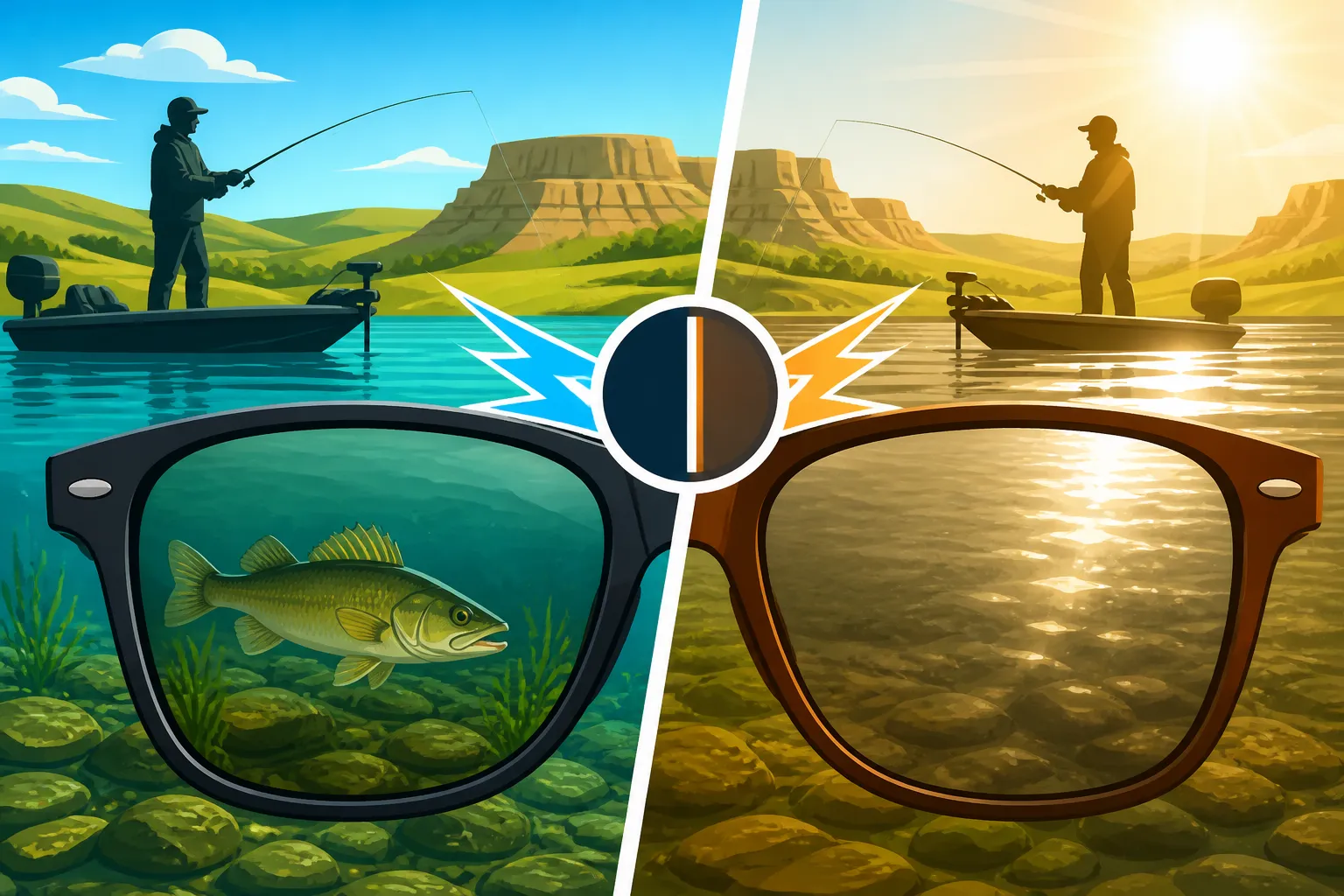
When it comes to sunglasses for fishing, polarized lenses aren't just a fancy upgrade; they're an essential tool. They don't just dim the light; they actively work to eliminate glare, providing a level of clarity that regular sunglasses simply cannot match. It's the difference between looking at the surface of the water and looking into the water.
How Polarization Works Its Magic
The science behind polarized lenses is actually quite clever and straightforward. Sunlight travels in all directions, but when it hits a flat, reflective surface like water, a significant portion of that light becomes horizontally polarized. Think of it like a ripple effect spreading across the surface. These horizontal light waves are what create that blinding glare. Polarized lenses have a special chemical film laminated within the lens itself, with molecules aligned in a vertical pattern. This vertical filter acts like a Venetian blind, blocking out those annoying horizontal light waves while allowing beneficial vertical light waves to pass through. The result? Glare is drastically reduced, and you get a much clearer, crisper view.
Imagine you're targeting walleye on Lake Sakakawea. Without polarized lenses, all you might see is a bright, shimmering expanse. With them, suddenly you can distinguish weed beds, rock piles, or a subtle drop-off that holds fish. This ability to see underwater structure is critical for North Dakota Walleye Fishing Techniques. It means you're not just casting blindly but actually targeting specific spots where fish are likely to be hiding.
Tangible Benefits for Your Fishing Experience
The advantages of polarized sunglasses for fishing are numerous and immediately noticeable. Firstly, and most importantly for us anglers, is the enhanced underwater visibility. You can literally see deeper into the water. This means spotting submerged logs, rocky outcroppings, changes in bottom contours, and even fish themselves. If you're sight fishing for pike in a shallow bay, or trying to pick out perch schooling under the ice, this visibility is invaluable. Being able to identify a distinct Yellow Perch Habitat on Devils Lake from a distance is a huge advantage.
Secondly, polarized lenses dramatically reduce eye strain and fatigue. Spending hours squinting at a glaring surface takes a toll. By eliminating that harsh reflected light, your eyes can relax, allowing you to focus on the task at hand for longer periods without discomfort. This is a huge benefit on those long days chasing big fish or when Ice Fishing for Northern Pike With Tip-Ups. You'll end your fishing trip feeling less exhausted and with fewer headaches.
Finally, they improve contrast and clarity. Colors appear richer, and details are sharper. This can help you better discern your bobber against the water, spot subtle line twitches that indicate a bite, or even differentiate between various types of underwater vegetation. When you're trying to figure out Best Bait for North Dakota Fishing for a specific species, being able to accurately read the water and see how fish react to your presentation gives you a significant edge. This makes them a critical part of your Essential Gear Checklist for North Dakota Fishing.
For serious anglers, particularly those pursuing walleye or ice fishing for perch, polarized lenses are non-negotiable. They truly unlock a new dimension of fishing, allowing you to read the water in ways that are simply impossible with regular sunglasses. If you're looking to invest, check out brands like Costa, Oakley, or Smith Optics. Many of these high-quality polarized options are available at specialty retailers like Bass Pro Shops or with a wide variety of choices on Amazon, where you can often compare features and read reviews.
The Reality of Regular Sunglasses for Fishing
While regular sunglasses certainly have their place in everyday life, for dedicated fishing, they fall short in one critical area: glare elimination. It’s important to understand what they do offer and, more importantly, what they don’t, so you’re not left disappointed on the water.
Basic Protection, But Not Glare Elimination
Most regular sunglasses provide a good level of UV protection, which is absolutely vital for eye health. They shield your eyes from harmful UVA and UVB rays, preventing sunburn to your eyes and reducing the risk of conditions like cataracts down the road. This is a non-negotiable for any pair of sunglasses, polarized or not. So, in terms of basic health and safety from the sun's direct rays, regular sunglasses do their job. They also offer a general darkening effect, reducing the overall brightness, which can be somewhat comfortable on a sunny day.
However, this is where their utility for fishing largely ends. Regular sunglasses simply dim all light uniformly. They don't have that specialized filter to block the horizontal light waves that cause glare. Think of it like this: if you have a bright room and you put on regular sunglasses, the room just gets darker. If you have a room with a blinding light source, putting on regular sunglasses makes the blinding light and everything else darker, but the blinding light is still blinding. It still overwhelms your vision.
The Frustrations of Fishing Without Polarization
The limitations of regular sunglasses become painfully obvious the moment you step onto a boat or stand on the shore of a shimmering lake. The primary frustration is the inability to see below the surface. That reflective sheen on the water's surface persists, creating a barrier between your eyes and the underwater world. You might see a shadow or a vague shape, but certainly not the detailed clarity that polarized lenses offer. This means you’re essentially fishing blindfolded to a large degree. If you're trying to pick out a North Dakota Walleye Size Limit Rules legal fish in clear water, or spot a fish near a snag, you’re at a severe disadvantage.
This lack of clarity leads directly to increased eye strain and missed opportunities. Your eyes constantly struggle against the glare, trying to discern patterns or movement. This exhaustive effort quickly leads to fatigue, headaches, and a general feeling of discomfort. More importantly, it means you'll miss those critical visual cues: the subtle twitch of your line, a fish striking just below the surface, or the precise location of underwater cover where fish are holding. When you're trying How to Catch Perch Through the Ice in North Dakota, seeing your jig and the fish's reaction in the water column can be key, something regular sunglasses simply cannot provide.
Consider a scenario where you're fishing on a calm day, and a fish hits your lure just as it breaks the surface. With regular sunglasses, that flash of silver is quickly lost in the glare. With polarized, you might have seen the fish approach the lure, anticipate the strike, and react faster. For the avid North Dakota angler, these seemingly small differences add up to more successful and enjoyable days on the water.
Making the Right Choice for Your North Dakota Fishing Adventures
Deciding between polarized and regular sunglasses really boils down to your commitment to fishing and the quality of your experience on the water. While regular sunglasses provide basic UV protection, polarized lenses offer a specialized advantage that can profoundly impact your success and enjoyment in North Dakota's diverse fishing environments.
When to Splurge on Polarized Lenses
For any angler who considers fishing more than a casual pastime, polarized sunglasses are not a luxury; they are a fundamental piece of gear. Think of them as an investment in your fishing success, much like a good quality rod and reel or a reliable Best Ice Fishing Gear for North Dakota. If you spend significant time on the water, whether it's trolling for walleye on Lake Sakakawea, battling catfish on the Red River, or jigging for perch on Devils Lake, the benefits of polarized lenses far outweigh their cost. They allow you to:
- Spot fish and structure: Critically important for targeted fishing, sight casting, and avoiding snags.
- Reduce eye fatigue: Enabling longer, more comfortable days on the water.
- Improve safety: By reducing glare from the water, you'll have a clearer view of obstacles, other boats, and changes in water conditions.
- Enhance strike detection: Those subtle takes become visible instead of being masked by glare.
If you are just going out once or twice a year, and simply want to protect your eyes from the sun's direct rays while you sit on the bank, regular sunglasses might suffice. But for serious fishing, they just don't cut it.
Key Considerations When Choosing Polarized Sunglasses
When you're ready to make the jump to polarized, there are a few things to keep in mind to ensure you get the best pair for your North Dakota adventures:
-
Lens Color: Different lens colors excel in various light conditions and environments.
- Grey or Smoke: Excellent for bright, sunny conditions, providing true color perception. Ideal for wide-open lakes like Sakakawea on a clear summer day.
- Copper, Amber, or Brown: Great for variable light conditions, enhancing contrast, and making details pop, especially in lower light or overcast skies. Perfect for river fishing or early morning/late evening excursions, and they can really help with visibility on the often murky Red River or in shaded areas along the Missouri.
- Yellow/Rose: Best for very low light, fog, or cloudy days, though less common for general fishing.
- Green Mirror: Often built on a brown or amber base, offering good all-around performance and glare reduction.
-
Fit and Comfort: You'll be wearing these for hours, so they need to be comfortable and stay put. Look for lightweight frames, non-slip nose pads, and temple grips. A secure fit is crucial, especially if you're bouncing around in a boat on choppy water.
-
Durability: Fishing gear takes a beating. Look for lenses made from polycarbonate or other impact-resistant materials. Scratch-resistant coatings are a huge plus. Brands like Costa, Oakley, and Maui Jim are known for their durable, high-quality offerings.
-
UV Protection: Even with polarization, ensure your chosen pair offers 100% UVA and UVB protection. Most reputable brands will explicitly state this.
You can find a vast selection of polarized sunglasses to suit any budget or preference. Online retailers like Amazon offer an incredible range, allowing you to compare models, read reviews, and find exactly what you need. If you prefer to try them on and get expert advice, a visit to a local sporting goods store or a Bass Pro Shops can be incredibly helpful. They often have knowledgeable staff who can guide you through the options, especially for specific needs like Best Fishing Rods for North Dakota Anglers or pairing them with your Best Fish Finders for North Dakota Lakes. Don't underestimate the impact a good pair of polarized sunglasses can have on your overall fishing enjoyment and success.
Here's a quick comparison to help solidify your decision:
| Feature | Polarized Sunglasses | Regular Sunglasses |
|---|---|---|
| Glare Reduction | Excellent (blocks horizontal glare) | Minimal (dims all light, but glare persists) |
| Underwater Visibility | High (allows seeing into the water) | Low (surface glare obscures view) |
| Eye Strain | Significantly reduced | Often present, especially in bright conditions |
| Contrast & Clarity | Enhanced | Basic |
| UV Protection | Yes (look for 100% UVA/UVB) | Yes (most good quality pairs) |
| Price Point | Generally higher | Generally lower |
| Best Use for Fishing | Essential for serious anglers, sight fishing, structure identification | Casual wear, minimal advantage for active fishing |
Choosing polarized sunglasses is more than just buying a new accessory; it's investing in a better fishing experience. The ability to see deeper, react faster, and remain comfortable throughout your day on North Dakota's beautiful waters makes them an indispensable tool for any angler.
Disclaimer
This article is for general informational purposes only and does not constitute professional advice. Laws, prices and regulations vary by location and change over time. Consult a qualified professional for guidance on your specific situation.