Yellow Perch Habitat on Devils Lake
Anglers often marvel at the legendary yellow perch fishery of Devils Lake, yet many struggle to consistently locate these sought-after panfish in such a vast and dynamic body of water. Understanding the specific habitats yellow perch prefer and how their movements change throughout the seasons is absolutely crucial for success. This comprehensive guide will dive deep into the unique environmental factors that make Devils Lake a perch paradise, exploring the key habitats, seasonal patterns, and essential tactics you need to find and catch more yellow perch.
Why Devils Lake is a Perch Paradise
Devils Lake isn't just a lake; it's a constantly expanding, complex ecosystem born from rising water levels over agricultural land and forests. This ongoing expansion has created an incredible network of submerged features that are ideal for fish. For yellow perch, these unique characteristics converge to create an unparalleled environment for growth and abundance.
The Flooded Timber Advantage
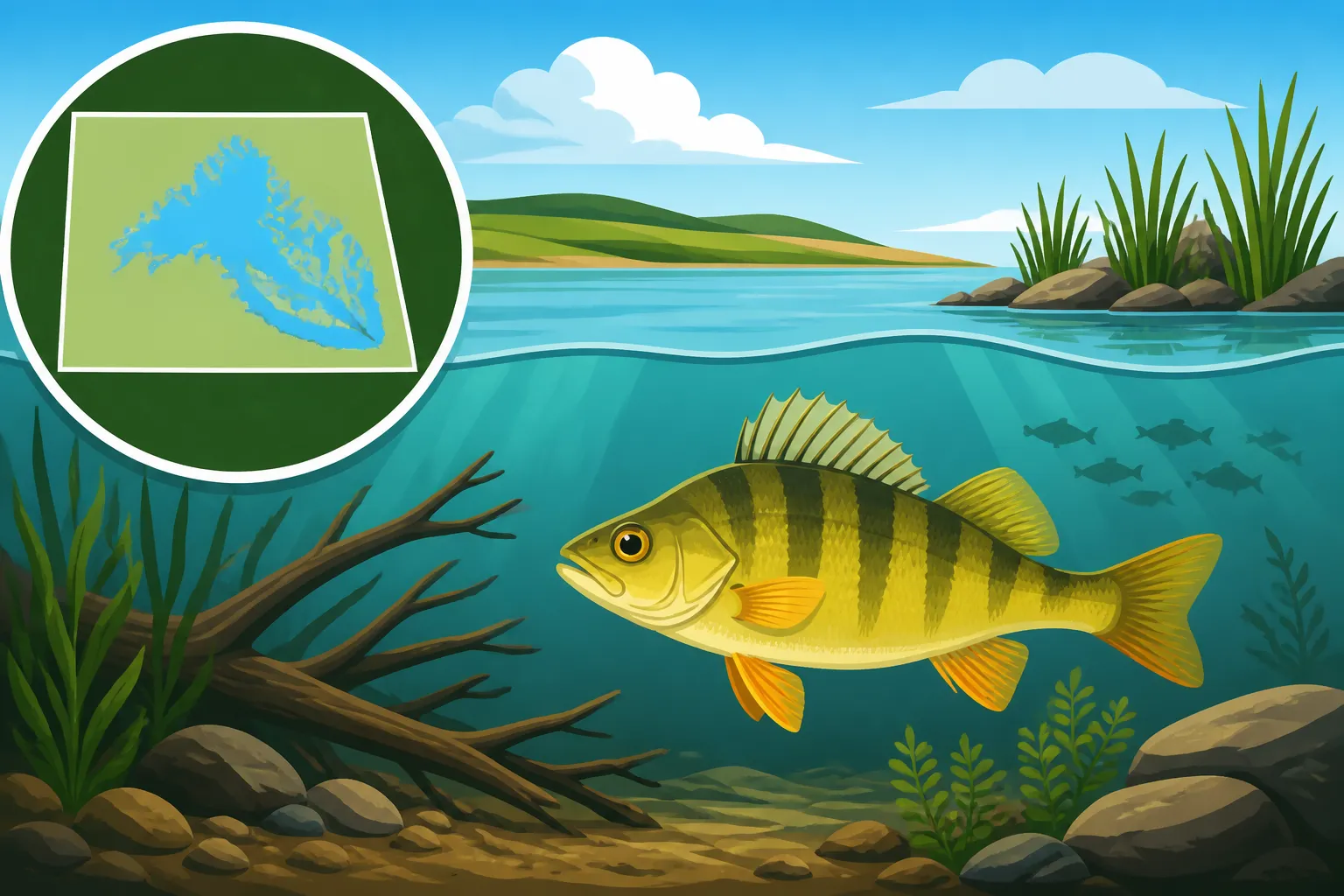
One of the most defining characteristics of Devils Lake, and a major reason for its phenomenal yellow perch fishery, is the vast amount of flooded timber and submerged vegetation. As the lake has expanded over decades, it has engulfed farm fields, shelterbelts, and entire forests. This has created an incredible labyrinth of underwater trees, brush, and old fence lines. For yellow perch, this isn't just structure; it's a living, breathing ecosystem.
Imagine trying to hide in a wide-open field versus a dense forest; that's the difference the flooded timber makes for perch. It's not just about cover, but also about the micro-ecosystem it creates. Algae grows on the submerged branches, attracting insects and microscopic organisms, which in turn attract small baitfish. This creates a complete food chain that perch exploit. The timber provides perfect ambush points for feeding, while also offering crucial protection from larger predators like northern pike and walleye. During the open water season, these submerged forests are like underwater cities for perch, providing shade, safety, and a consistent food supply. Anglers often find themselves fishing directly over or adjacent to these flooded areas, sometimes even dropping their jigs right between tree branches to entice a bite. The sheer scale of this flooded timber is what sets Devils Lake apart from many other perch fisheries. These Devils Lake Flooded Timber Fishing Spots are legendary for a reason.
Nutrient-Rich Waters
Devils Lake is renowned for its exceptional productivity, and this isn't by accident. Its unique closed-basin nature means that water flows in from its watershed, but only leaves through evaporation or groundwater seepage. This process concentrates nutrients over time, leading to remarkably rich waters. This nutrient richness fuels an explosion of microscopic plant and animal life, which forms the very base of the aquatic food chain. Phytoplankton and zooplankton thrive in these conditions, and are then consumed by a vast array of invertebrates and small baitfish.
For yellow perch, this abundance of food is absolutely paramount. They grow quickly and to impressive sizes because they never have to work too hard to find their next meal. From the smallest larvae that feed on plankton to the largest adults consuming minnows and insects, the lake provides a continuous buffet. This rich and readily available food source directly contributes to the robust health, plump size, and strong fighting spirit that Devils Lake perch are famous for. It's why anglers consistently report catching healthy, well-fed perch here, rather than skinny, underfed ones often found in less productive waters.
Impact of Rising Water Levels
The history of Devils Lake is one of dramatic and continuous change, particularly concerning its fluctuating water levels. Over the past several decades, the lake has experienced significant and sustained periods of expansion, flooding thousands of acres of new land. While this presented considerable challenges for local communities, it has been an undeniable boon for the fishery, especially for yellow perch. The newly submerged land constantly introduces fresh soil, terrestrial vegetation, and an abundance of new structure into the lake, creating an ever-evolving and expanding landscape of prime habitat.
These rising waters constantly provide new cover, new food sources, and expand the total available habitat for perch. Old roads, shelterbelts, power poles, and even farm buildings become new underwater features that attract fish. This dynamic environment prevents the lake from becoming stagnant or over-fished in specific, limited areas, as perch are always finding new places to thrive. It also means that anglers need to be adaptable and observant, as hot spots one year might be different the next, directly reflecting the lake's continuous transformation. Understanding the lake's hydrology and recent water level trends is a key factor in predicting where Yellow Perch Habitat on Devils Lake might be most productive.
Key Perch Habitats Through the Seasons
Yellow perch are highly attuned to seasonal changes, and their habitat preferences shift dramatically with the turning of the calendar. Successful anglers understand these predictable patterns to consistently find fish.
Springtime Spawning and Shallow Water
As the last remnants of ice melt and water temperatures begin their slow climb in early spring, yellow perch embark on their annual spawning ritual. This is a critical time when their habitat preferences shift dramatically. They actively move into shallower waters, typically ranging from 3 to 10 feet deep, seeking out specific types of cover. Look for areas with abundant submerged vegetation, brush, and even old dock pilings or submerged trees where they can deposit their distinctive ribbon-like egg masses. These shallow areas are the first to warm up under the spring sun, providing the ideal conditions for egg development and the subsequent hatching of fry.
During this pre-spawn and spawning period, perch are highly concentrated and can be found in abundance in specific areas. Think sheltered bays, shallow channels, and protected shorelines where sunlight can penetrate and warm the water quickly. Anglers targeting post-spawn perch will often focus on the edges of these prime spawning grounds, as fish begin to feed aggressively to recover their energy after the strenuous reproductive effort. The females need to replenish, and the males are still active. Look for areas with a desirable mix of varied structure and softer, mucky bottoms, where the newly hatched fry will have plenty of cover and food once they emerge, ensuring the next generation thrives.
Summer Weeds and Deeper Structures
Once spawning is complete and water temperatures continue to rise, yellow perch transition to their summer patterns. They often relate to expansive weed beds, both submerged and emergent, that provide crucial shade, generate oxygen, and offer a haven for baitfish and invertebrates. These lush, green underwater environments are essential nurseries and feeding grounds throughout the warmer months. As summer progresses and surface water temperatures peak, some larger perch will also move to deeper structures, like humps, points, and channel edges, especially during the brightest parts of the day or if oxygen levels in shallower, dense weed beds become depleted.
Finding the right weed lines or deeper structures is crucial during the summer. Perch tend to school tightly, so once you find one, you're likely to find many more. Sonar becomes an invaluable tool for identifying these submerged features. For example, a sharp break line where a dense weed bed meets deeper open water, or a significant drop-off on a submerged point, can be absolute magnets for a hungry school of perch. Many anglers will try casting small jigs, spinners, or crankbaits along these edges to locate actively feeding fish. Understanding that Do Walleye Bite Better at Night? is also often true for perch, as they can sometimes move shallower to feed in low light.
Fall Migration and Feeding Frenzies
As autumn approaches and water temperatures begin their steady decline, yellow perch enter a critical period of intense feeding, often referred to as a "feeding frenzy." They instinctively know that the harsh North Dakota winter is coming, and they need to bulk up their fat reserves. During this time, perch frequently consolidate into large schools and move dynamically around the lake. They often transition from shallower weed beds, which begin to die back, to deeper basin areas or along prominent submerged contours and structures. They will actively follow baitfish schools, which are also grouping up in preparation for winter, making the perch somewhat predictable if you can locate their primary food source.
This is a prime time for anglers to target trophy perch, as the fish are actively chasing down meals and are often more aggressive. Look for areas where schools of baitfish, like shiners or young-of-the-year panfish, are abundant. Main lake points, large humps, and deep channels leading into the lake's deeper basins are classic fall perch haunts. The fish are typically more aggressive and willing to chase a presentation, making for exciting fishing. Many anglers will try to find these massive schools with their electronics and then drop a jig or a live minnow directly into them, often finding continuous action.
Winter Ice Cover and Oxygen Levels
With the arrival of solid, thick ice, Devils Lake transforms into an unparalleled ice fishing mecca, and yellow perch become the undisputed star attraction. Under the ice, perch movements are largely dictated by oxygen levels, food availability, and depth. Early ice often sees perch in similar locations to late fall – main lake points, transitional areas, and deeper edges adjacent to where weed beds once thrived. As winter progresses and lake stratification sets in, oxygen can become depleted in certain deeper, stagnant pockets. Perch may then seek out areas with better oxygenation or where new inflows, even subtle ones, provide a fresh supply.
Mid-winter perch often reside in the main lake basins, suspending over deeper water, or relating to specific bottom features like subtle humps and depressions that break up the monotony of the basin floor. The flooded timber continues to be a significant factor, offering structure and attracting forage even under the ice. Later in the winter, as spring approaches, perch may start to stage and move back towards shallower areas in anticipation of the upcoming spawn. Mastering How to Ice Fish in North Dakota and using a good flasher to mark fish and precisely present your lure is absolutely critical for consistent success during this season. Understanding Do Perch Move Shallow or Deep in Winter? is key to consistent catches.
Understanding Devils Lake's Unique Environment
Devils Lake isn't just any large body of water; it's a dynamic, ever-changing system with several unique environmental characteristics that profoundly influence its yellow perch population.
Salinity Levels and Fish Health
One of the most distinctive features of Devils Lake is its fluctuating and generally elevated salinity levels. As a closed-basin lake, water enters from precipitation and runoff, but only leaves through evaporation or groundwater seepage. This natural process concentrates salts and other minerals over time, leading to higher mineral content than many other typical freshwater lakes. While this might sound concerning, the fish species that thrive here, particularly yellow perch, have adapted remarkably well to these conditions. The specific salinity levels influence the entire aquatic food web, often favoring a robust population of certain invertebrates that perch readily consume, contributing to their impressive growth.
For yellow perch, moderate and stable salinity can actually contribute to their overall health and accelerate their growth by affecting the type and abundance of their food sources. The lake’s unique chemistry creates an environment where perch can flourish, often growing larger and living longer than in less saline waters. However, extreme or rapid fluctuations in salinity could potentially stress fish, so the overall balance is key. Anglers don't usually need to adjust their tactics directly for salinity, but understanding its role helps to appreciate why this particular fishery is so exceptionally productive.
Lake Zones and Productivity
Devils Lake isn't a single, uniform body of water; it's a complex system of interconnected basins, each possessing its own unique characteristics, depth profiles, and levels of biological productivity. From the shallower, marshier eastern sections, which often contain more submerged vegetation and timber, to the deeper, more open western basins, these zones offer incredibly diverse habitats. The overall productivity of the lake is exceptionally high, thanks to its nutrient-rich nature, but specific zones can have varying concentrations of forage and, consequently, varying populations of perch.
Identifying which zone you're fishing in and understanding its general attributes can significantly improve your success. Some zones might be shallower with more flooded timber, making them ideal for early season perch. Others might be deeper with prominent rock humps and subtle depressions, drawing fish during summer and winter. This zonal diversity provides a range of options and preferred habitats for perch at different times of the year, and for anglers seeking different fishing experiences. A reliable GPS unit with detailed lake maps can help delineate these zones and guide your search for Devils Lake Walleye Fishing Spots or perch specific areas.
Bottom Composition and Forage
The bottom composition of Devils Lake is incredibly varied, reflecting its history as previously flooded farmland and natural lakebed. You'll encounter everything from soft, silty bottoms in old creek channels and depressions to hard gravel, rock, and even remnants of old roadbeds on submerged points and ridges. This diversity in substrate directly impacts the types of invertebrates and baitfish that can thrive in those specific areas, which, in turn, strongly dictates where yellow perch will feed.
Perch are opportunistic feeders, but they tend to frequent areas where their primary food sources are most abundant. Soft, mucky bottoms might hold insect larvae, bloodworms, and leeches, while harder gravel or rocky bottoms could be home to crayfish or provide critical spawning grounds for various minnow species. Anglers often use their fish finders to "read" the bottom, looking for distinct transitions from soft to hard, or for areas where schools of baitfish are suspended just off the bottom. A truly successful angler understands that the ideal perch habitat is often intimately tied to where the food is most readily available, whether that's within a dense weed patch or along a specific type of bottom structure.
Factors Influencing Perch Location
Beyond the static habitat features, yellow perch are constantly on the move, and their precise location is influenced by dynamic environmental factors that change daily or even hourly.
Water Temperature and Oxygen
These two environmental factors are arguably the most critical in dictating where yellow perch will be found at any given time. Perch, like all fish, are cold-blooded, meaning their metabolism and activity levels are directly tied to the surrounding water temperature. They have preferred temperature ranges for feeding, spawning, and general comfort. Similarly, oxygen is absolutely essential for all aquatic life, and fish will actively seek out areas with optimal dissolved oxygen levels. While Devils Lake is generally well-oxygenated, specific areas can experience lower oxygen levels, especially in deeper, stagnant pockets or under thick ice cover as winter progresses.
In spring, rising water temperatures are a primary driver, drawing perch to shallower, warming waters. In summer, they might seek deeper, cooler water during heat waves or move into weed beds where active photosynthesis provides more oxygen. During winter, understanding areas with consistent oxygen is paramount, as perch will actively avoid hypoxic (low oxygen) zones. Smart anglers constantly monitor water temperature, either with their electronics or by checking online reports, to predict perch movements. For example, knowing How Water Temperature Affects Walleye Location can be a great indicator for perch behavior as well, as both species share similar preferences.
Wind and Current Effects
Wind is a pervasive and often powerful factor on large, open lakes like Devils Lake, and it plays a significant role in influencing perch behavior and location. Wind can create currents, push and concentrate baitfish, and effectively funnel food sources into specific areas. A consistent wind blowing into a bay or across a prominent point can stack baitfish on the leeward (downwind) side, creating a prime feeding opportunity for waiting perch. On the other hand, extremely strong winds can make fishing difficult and cause fish to seek deeper, more protected, and calmer areas to conserve energy.
While Devils Lake doesn't have strong, river-like currents in most areas, wind-driven currents can be quite significant, especially in open basins. These currents can sweep plankton and small invertebrates, concentrating them in specific areas and drawing in large schools of perch looking for an easy meal. Anglers often pay close attention to wind direction and strength, using it to their advantage to predict where perch might be actively feeding. For instance, fishing the windy side of a point where baitfish are being pushed can often be more productive than the calm side. Having a solid understanding of how Best Wind Conditions for Walleye Fishing translates to perch can be a real game-changer.
Forage Availability and Movement
Ultimately, yellow perch are where their food is. It's that simple. Their diet consists of a wide and varied range of items, including zooplankton (especially when young), insect larvae, various aquatic insects, minnows, and the fry of other fish species. The availability and precise movement of these forage items are primary drivers for perch location at any given time. If a particular area of the lake has an abundance of a preferred food source, perch will almost certainly congregate there.
For example, if schools of shiners, fatheads, or young walleye are holding in a specific submerged timber patch or along a deep weed line, you can bet the perch won't be far behind. This is where modern electronics truly shine; a good fish finder can not only show you the perch themselves but also the clouds of baitfish they are actively pursuing and feeding on. Understanding the seasonal patterns of baitfish—when they spawn, where they school, and how they react to environmental changes—is paramount to consistently finding and catching yellow perch on Devils Lake. Keeping your minnows alive and well on your trip is critical, so be sure to check out some great options for Best Bait Bucket With an Aerator if you're planning a trip.
Locating Perch Hotspots on Devils Lake
Finding perch on a lake as large and intricate as Devils Lake requires a combination of knowledge, technology, and old-fashioned perseverance. Knowing where to start your search can make all the difference.
Using Sonar and Electronics
In a lake as complex and vast as Devils Lake, modern sonar and electronics are not just helpful; they are absolutely essential tools for consistently locating yellow perch. High-quality fish finders, particularly those equipped with side-imaging and down-imaging capabilities, allow you to quickly scan large areas of water. This enables you to efficiently identify submerged structure, the edges of weed lines, and most importantly, actual schools of fish and the baitfish they are feeding on. During the ice fishing season, a good flasher unit is invaluable for seeing your lure in real-time and observing how fish react to it under the ice.
Learning to interpret what your sonar is telling you takes practice and experience, but it's a skill that will pay immense dividends over time. Look for distinct arches or blobs on your screen that clearly indicate fish. Pay particular attention to suspended clouds of baitfish, as perch will almost always be found nearby, often just below or within these bait concentrations. Detailed mapping features, especially high-definition contour maps, help you identify likely hotspots such as humps, points, and old creek channels before you even get out on the water. Investing in a quality unit and dedicating time to learn its features is one of the best things an angler can do for consistent success on Devils Lake. You can find many reliable units for Best Fish Finders for North Dakota Lakes on sites like Amazon.
Identifying Structure and Cover
Yellow perch are classic structure-oriented fish, meaning they naturally gravitate towards features that provide them with crucial cover, ideal ambush points for feeding, or areas where food is concentrated. On Devils Lake, this "structure" can be incredibly diverse due to the lake's unique history and expanding nature. This includes vast areas of flooded timber (submerged trees, brush piles, old fence lines), prominent rock piles, remnants of old submerged roadbeds, natural humps, expansive points, and even subtle changes in bottom composition. Devils Lake Perch Fishing Spots are almost always associated with some form of structure.
Successful perch anglers understand this fundamental principle and spend a lot of time identifying and precisely targeting these productive structures. This might involve slow trolling with your boat to find transitional areas, marking precise waypoints on your GPS as you locate promising features, or systematically drilling a grid of holes over suspected structure during ice fishing season. Remember, yellow perch often school very tightly, so once you locate the right kind of structure holding fish, you can often expect to catch several individuals. Don't be afraid to move around until you find that sweet spot where structure, abundant forage, and ideal environmental conditions all converge to create a prime perch habitat.
Understanding Access Points and Community Holes
Devils Lake, being such a popular and well-known fishery, has numerous public access points, well-maintained boat ramps, and well-known "community holes" – areas where anglers frequently gather, especially during the peak ice fishing season. While these spots can sometimes become pressured due to high fishing activity, they are often popular for a very good reason: they consistently hold fish, or they offer relatively easy and safe access to highly productive areas of the lake. For beginners, those new to the lake, or visitors, these community spots can be excellent starting points to get familiar with the fishery.
However, once you've gained some confidence, don't be afraid to venture a little further from the main crowds. Often, the fish just outside a heavily fished community hole can be less pressured, more numerous, and more willing to bite. Use these popular spots as valuable indicators of what kind of habitat is currently productive in that general area, then look for similar, less-fished structures nearby. Online forums and local bait shops can also offer valuable insights into current access conditions, ice thickness, and general fishing reports, helping you plan your attack and learn How to Find Perch Schools Under the Ice. When buying equipment for your adventures, remember to check out options available on Amazon.
Here's a table comparing perch habitat across seasons, highlighting key elements to consider:
| Season | Typical Depth (Approx.) | Preferred Cover/Structure | Key Forage Items | Angling Strategy Focus |
|---|---|---|---|---|
| Spring | 3-10 feet | Shallow bays, submerged vegetation, brush, old dock pilings | Insect larvae, small minnows | Spawning areas, post-spawn edges, warming shallow water |
| Summer | 8-25 feet (variable) | Extensive weed beds, deeper humps, points, channel edges | Minnows, aquatic insects, crayfish | Weed line edges, deep structure breaks, open water schools |
| Fall | 15-40 feet (variable) | Deep basin edges, prominent humps, channels, baitfish schools | Minnows, larger invertebrates | Following baitfish, main lake structure, aggressive feeders |
| Winter | 15-50+ feet (variable) | Main lake basins, flooded timber, subtle bottom depressions | Zooplankton, minnows | Oxygenated areas, timber, structure, suspended fish |
Understanding the yellow perch habitat on Devils Lake is a continuous learning process. The lake is dynamic, and fish movements can change with the smallest shift in weather, water level, or forage availability. However, by focusing on these core principles of habitat, seasonal patterns, and environmental influences, you'll be well on your way to consistent success. The abundance of flooded timber, nutrient-rich waters, and the sheer volume of diverse structure make it a truly special place for perch anglers. You might also want to explore Perch Jigging Techniques for Devils Lake to improve your catch rate.
Remember, fishing is as much about observation and adaptation as it is about technique. Spend time on the water, pay attention to your electronics, and learn from every outing. Before you head out, ensure you have the right gear, perhaps even checking out what's available for Best Jig Size for Perch Through the Ice on Amazon, so you're ready for whatever the lake throws at you. The more you understand the perch's world in Devils Lake, the more rewarding and successful your time on the water will be.
Disclaimer
This article is for general informational purposes only and does not constitute professional advice. Laws, prices and regulations vary by location and change over time. Consult a qualified professional for guidance on your specific situation.