Rainbow Trout Stocking in North Dakota
Many folks new to fishing in North Dakota, or even seasoned anglers, might assume that trout fishing is an exclusive club, something you chase in mountain streams far to the west. It's easy to feel like our prairie state, with its vast lakes and rivers famed for walleye and pike, just doesn't offer much in the way of trout. But I'm here to tell you that's simply not true! Thanks to dedicated rainbow trout stocking programs, there are incredible opportunities right here to cast a line for these beautiful, feisty fish. This comprehensive guide will walk you through everything you need to know about where, when, and how rainbow trout are stocked in North Dakota, opening up a whole new world of angling adventures.
The Why Behind Rainbow Trout Stocking in North Dakota
You might wonder why we stock rainbow trout in North Dakota when we have such robust natural populations of other popular species like walleye, pike, and perch. It's a valid question, and the answer touches on everything from angler enjoyment to ecological management. The reality is, stocking rainbow trout serves several important purposes, creating diverse fishing experiences that benefit both people and our aquatic ecosystems.
Meeting Angler Demand and Creating Opportunities
Let's be honest, everyone loves to catch fish, and a fighting rainbow trout on the end of your line is a thrill that's hard to beat! The primary driver behind trout stocking is to meet the demand of anglers who desire a different kind of fishing experience. Many communities, especially those that aren't located near our massive natural lakes or rivers, benefit immensely from local ponds and small lakes being stocked. This brings quality fishing opportunities closer to home, making it accessible for families, beginners, and those who might not have a boat or the time to travel long distances. It's about giving everyone a chance to enjoy the sport, creating those precious moments by the water without a huge investment in time or travel. When a local pond gets a fresh batch of rainbows, you see smiles light up the banks, proving that these programs truly make a difference in people's lives.
Expanding Fishing Diversity Beyond Traditional Species
North Dakota boasts some incredible walleye, pike, and perch fishing, no doubt about it. But imagine if that's all we had! As much as we love our tried-and-true favorites, a little variety is the spice of life, even in fishing. Rainbow trout stocking expands the angling diversity available within the state. For those looking to try something different, or perhaps introduce new anglers to a species that can be incredibly fun to catch on lighter tackle, rainbow trout fit the bill perfectly. They offer a distinct challenge and reward, often preferring different habitats and presentation methods than their more common North Dakota counterparts. This allows anglers to broaden their skills and enjoy a wider range of fishing scenarios, from fly fishing in smaller streams to jigging through the ice for a feisty trout. It’s about cultivating a richer, more varied fishing culture across the state.
Managing Fisheries in Varying Water Conditions
North Dakota's landscape offers a fascinating mix of aquatic environments, from deep, cold reservoirs to smaller, shallower community ponds. Not all of these waters are ideal for supporting self-sustaining populations of walleye or northern pike. However, some of these smaller, often colder waters can be excellent habitats for rainbow trout, at least for a season or two. Stocking allows the state to utilize these varied water bodies effectively, turning what might otherwise be underutilized fishing spots into productive fisheries. This is especially true for waters that might have winterkill issues, where oxygen levels drop too low to sustain fish over the long, cold months. By stocking trout in the spring, these waters can provide fantastic fishing throughout the open water season and often into early ice, even if the fish don't survive the entire winter. It's a proactive approach to managing limited resources and ensuring that as many waters as possible offer quality fishing experiences.
Understanding North Dakota's Trout Stocking Program
Knowing why we stock rainbow trout is one thing, but understanding the how is equally important. It's not just a matter of dumping fish into a lake; there's a significant amount of science, planning, and dedicated effort that goes into making these programs successful. From the hatcheries where the trout are raised to the meticulous decisions about where they'll thrive, the whole process is a testament to careful fishery management.
Who Manages the Stocking Efforts?
In North Dakota, the primary responsibility for managing and executing the fish stocking programs, including rainbow trout, falls to the North Dakota Game and Fish Department (NDGFD). These are the folks dedicated to conserving, managing, and enhancing our fish and wildlife resources. They operate several hatcheries across the state, which are essentially fish nurseries where trout and other species are raised from eggs to fingerlings or even larger catchable sizes before being released into public waters.
The NDGFD's fisheries biologists and staff conduct extensive research and monitoring to determine which lakes and ponds are suitable for trout, how many fish each water body can support, and when the best times are for stocking. They are the unsung heroes working behind the scenes to ensure that when you head out with your rod and reel, there's a real chance of a successful day. Without their expertise and tireless work, many of the diverse fishing opportunities we enjoy today, especially for species like rainbow trout, simply wouldn't exist. Their detailed planning is also crucial in upholding North Dakota Fishing Regulations Explained and promoting sustainable angling practices.
The Journey from Hatchery to Lake
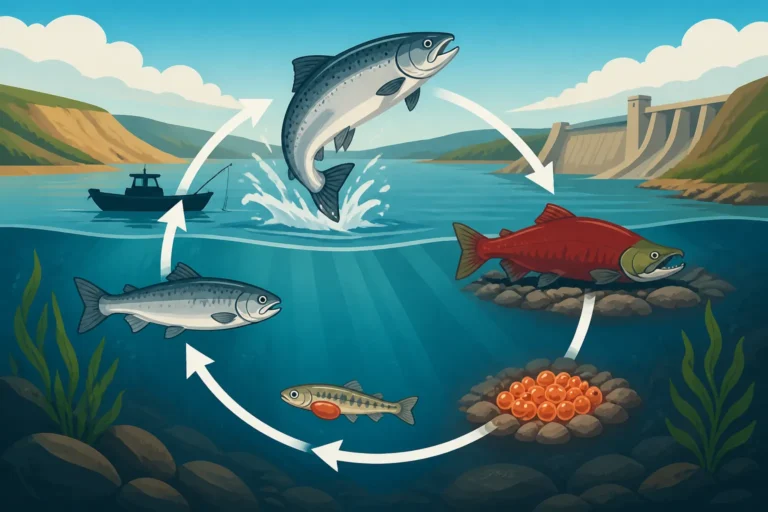
The life of a stocked rainbow trout is quite an adventure, even before it hits your line! It all starts at a fish hatchery. Here, rainbow trout eggs are carefully fertilized and incubated. Once hatched, the tiny fry are nurtured in controlled environments, growing steadily into fingerlings (small fish a few inches long) or even larger "catchable" trout, often measuring 8-12 inches.
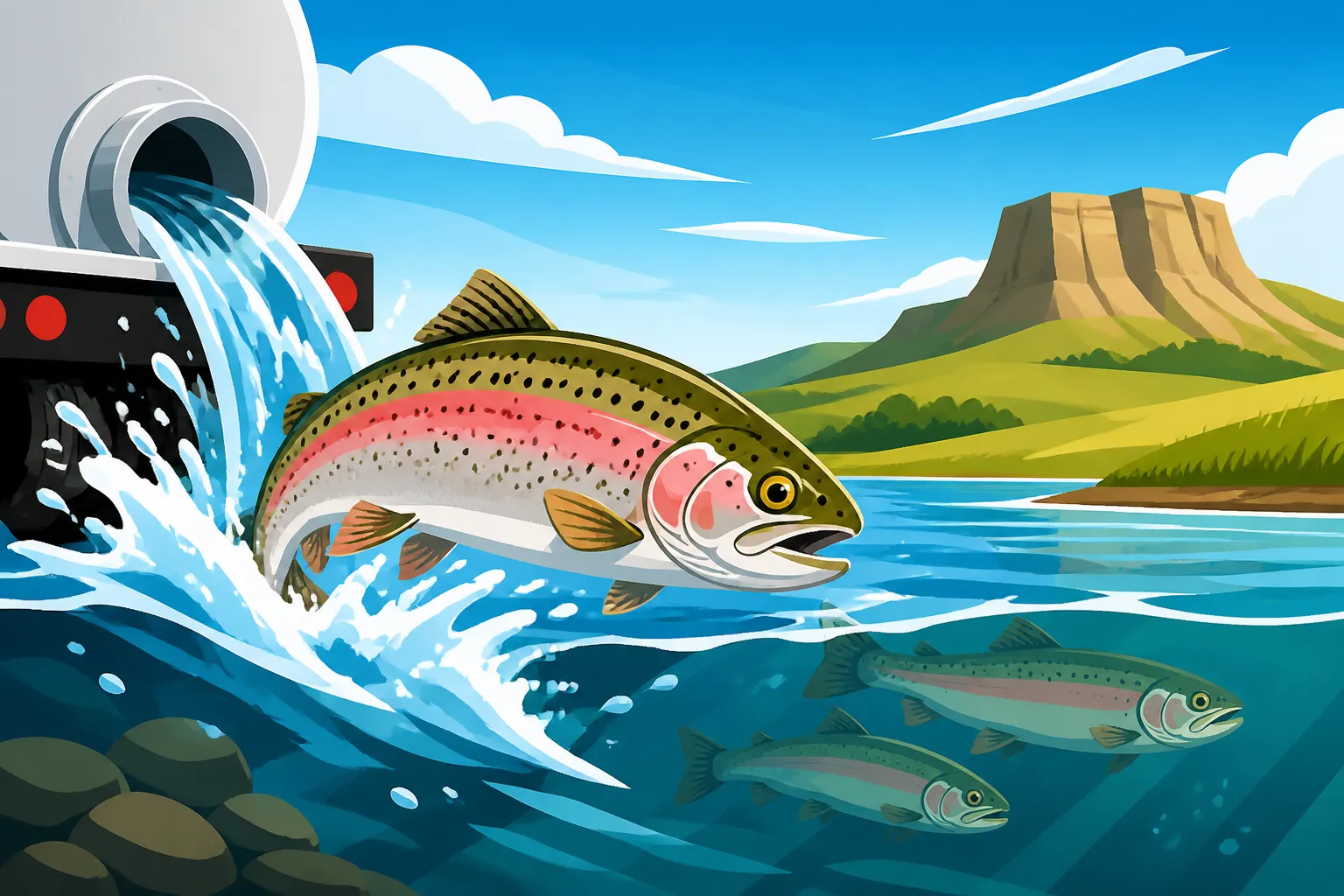
When they reach the appropriate size for stocking, they embark on the next leg of their journey. Specialized trucks equipped with aerated tanks are used to transport the fish from the hatchery to their designated lakes and ponds. This transportation is carefully managed to minimize stress on the fish, ensuring they arrive healthy and ready to adapt to their new environment. Upon arrival, the fish are gently released into the water, often at public access points or boat ramps. It's a delicate operation designed to give these trout the best possible chance to survive, grow, and provide thrilling angling experiences. It's quite a sight to see a stocking truck arrive, and if you're lucky enough to be fishing when it happens, you'll know exactly where to cast next!
How Stocking Decisions Are Made
Deciding which waters receive rainbow trout, and how many, is far from random. It's a complex process driven by scientific data, angler feedback, and strategic management goals. Fisheries biologists consider several key factors when making these decisions.
First, they assess water quality and habitat. Rainbow trout prefer cooler, well-oxygenated water, so lakes with consistent depth and good water clarity are often prime candidates. They also look at factors like the presence of predatory fish, available food sources, and the potential for winterkill. A lake's size and access points also play a role; community ponds with easy shore access are often targeted to provide easily accessible fishing for families and youth, tying into the broader goal of providing North Dakota Fishing Rules for Kids and Families.
Secondly, angler use and demand are carefully considered. If a particular lake sees heavy fishing pressure for trout, it might receive more frequent or larger stockings. The NDGFD also conducts surveys and collects data on angler catches to fine-tune future stocking plans. Finally, the overall health of the ecosystem and the balance with existing fish populations are crucial. The goal is to enhance fishing opportunities without negatively impacting native species or the long-term ecological balance of a water body. It’s a dynamic process, constantly being evaluated and adjusted to deliver the best possible results for both fish and fishers.
Prime North Dakota Waters for Stocked Rainbow Trout
North Dakota might not be famous for its trout streams, but don't let that fool you! Our state has some fantastic spots where you can target stocked rainbow trout. These locations range from easily accessible community ponds to larger, more remote reservoirs, each offering a unique fishing experience. Knowing where to go is half the battle, and once you get a feel for these waters, you'll find yourself hooked on chasing rainbows in the prairie. For a broader view of where you might find various species, check out Best Places to Fish in North Dakota.
Community Fisheries and Urban Lakes
One of the most exciting aspects of North Dakota's rainbow trout stocking program is its focus on community fisheries and smaller urban lakes. These are the unsung heroes for many anglers, especially those just starting out or looking for a quick, convenient fishing trip close to home. Lakes like McDowell Dam near Bismarck or Cottonwood Park Pond in Grand Forks are perfect examples. These smaller water bodies are frequently stocked and managed specifically to provide high-success fishing opportunities. They often have easily accessible shorelines, fishing piers, and amenities, making them ideal for families with kids or anyone wanting a relaxed day of fishing.
The beauty of these spots is their accessibility. You don't need a fancy boat or extensive gear. A simple spinning rod, some basic bait, and a willingness to explore a local park pond are often all it takes. These locations are particularly popular in the spring and fall when water temperatures are cooler and the trout are more active. They provide an excellent entry point into the world of trout fishing and are a testament to the NDGFD's commitment to making fishing available to everyone, no matter where they live in the state. If you're near the state capital, you might find some great options by looking at Best Fishing Lakes Near Bismarck. Similarly, anglers closer to the eastern border can explore Best Fishing Lakes Near Fargo for trout opportunities.
Larger Reservoirs and Smaller Trout Lakes
Beyond the urban ponds, North Dakota also has larger reservoirs and dedicated "trout lakes" that are regularly stocked with rainbow trout. These offer a different kind of challenge and often hold larger, more established fish. Take places like Froelich Dam or Lightning Lake in the southwest, or the Turtle Mountains area with waters like Lake Metigoshe and some smaller, deeper lakes, which are known for their colder, clearer conditions. These waters can often sustain trout for longer periods, and sometimes even over winter, leading to some truly trophy-sized fish if you put in the time.
Fishing these larger bodies of water can involve more exploration. You might need a boat or a kayak to reach prime fishing spots, or be willing to hike a bit to find quieter coves and points. The trout in these lakes can become more naturalized, meaning they might be a bit pickier than their recently stocked counterparts in community ponds. However, the reward of a larger, stronger rainbow trout makes the extra effort well worth it. These lakes offer a more immersive trout fishing experience, blending the excitement of the catch with the beauty of North Dakota's diverse landscapes.
Seasonal Stocking and Best Times to Visit
Understanding the stocking schedule is key to maximizing your success when fishing for rainbow trout in North Dakota. While the exact dates vary year to year depending on weather and hatchery production, rainbow trout are typically stocked in two main seasons: spring and fall.
Spring stocking usually occurs as soon as the ice goes out and water temperatures begin to rise but are still cool enough for trout to thrive. This creates an immediate "put-and-take" fishery, meaning the fish are stocked at a catchable size, and anglers can expect good action right away. This early spring period is often fantastic, as the trout are hungry and haven't yet become wary. As summer progresses and water temperatures climb, trout will seek deeper, cooler water, becoming harder to locate. Fall stocking happens as temperatures begin to drop again, revitalizing the trout bite before the long winter. This provides another surge of active fish and is a prime time for those seeking to enjoy cooler weather fishing. During winter, many of these lakes can also offer fantastic ice fishing opportunities for trout, which we'll touch on later. Keeping an eye on the NDGFD's stocking reports is your best bet for pinpointing the optimal times to visit your favorite trout waters.
Gear and Techniques for Catching Stocked Rainbow Trout
So, you know where the trout are, but how do you actually catch them? Angling for stocked rainbow trout in North Dakota doesn't require an arsenal of expensive gear, but having the right tools and techniques can significantly improve your chances of success. Stocked trout can be eager biters, making them a fantastic target for anglers of all skill levels.
Essential Tackle for Trout Anglers
For stocked rainbow trout, you generally want lighter tackle to fully enjoy the fight these energetic fish put up. A light to ultra-light spinning rod, typically in the 5 to 6.5-foot range, paired with a small spinning reel (size 1000 or 2000) spooled with 4 to 6-pound monofilament or fluorocarbon line is usually perfect. This lighter setup allows for longer, more accurate casts with small baits and lures, and the sensitivity helps you detect subtle bites.
When it comes to terminal tackle, a small assortment of hooks, swivels, and split shots will cover most situations. Small Aberdeen or bait holder hooks (size 8 to 12) are ideal for presenting natural baits. A few small split shot weights will help get your bait down to the fish without spooking them. Don't forget a small pair of pliers or a hook remover, as trout can sometimes swallow baits deeply, and being able to quickly and safely release fish is crucial, especially if practicing catch and release. If you're putting together a new setup, you can find a fantastic selection of these simple rigs and accessories on Amazon, often in budget-friendly starter kits. For a more general overview of what to bring on any fishing trip, refer to your Essential Gear Checklist for North Dakota Fishing.
Effective Baits and Lures for Stocked Trout
Stocked rainbow trout are often quite willing to bite, especially soon after they've been introduced to a new water body. They're typically raised on fish pellets, so they aren't naturally wary of artificial presentations. This means a variety of baits and lures can be highly effective.
| Bait/Lure Type | Description | Best Presentation |
|---|---|---|
| PowerBait/Trout Dough | This soft, moldable bait comes in various colors and scents, designed specifically for trout. It's buoyant, allowing it to float just off the bottom where trout often feed. Available in many colors, from neon green to rainbow glitter. | Form into a small ball around a treble hook or single bait hook, letting it float off a small sinker. Cast out and let it sit. |
| Worms (Nightcrawlers, Mealworms) | A classic and consistently effective bait for nearly all fish, including trout. Their natural scent and movement are irresistible. | Thread a small piece of worm onto a small hook, fishing it under a bobber or on a light bottom rig. |
| Salmon Eggs | Small, brightly colored, and packed with fish-attracting scent. Can be used singly or in clusters. | Hook one or two on a small bait hook. Can be drifted naturally or fished under a small bobber. |
| Small Spinners & Spoons | Lures like Mepps Aglia, Rooster Tails, or Kastmasters create flash and vibration, mimicking small baitfish. Sizes ranging from 1/16 oz to 1/8 oz are usually perfect. | Cast out and retrieve steadily, varying retrieve speed to find what the fish prefer. Great for covering water. |
| Tiny Jigs (Marabou, Tube) | Micro-jigs tipped with a small piece of worm or PowerBait can be deadly, especially in colder water or when fish are less aggressive. | Jig slowly with subtle twitches near the bottom, or suspend under a bobber and give occasional small jerks. |
Often, the simplest approach is best. Using PowerBait or a piece of worm fished off the bottom with a small split shot or under a bobber is a highly effective method. For those who prefer to cast and retrieve, small inline spinners or spoons (think Mepps, Rooster Tail, or Kastmaster) in silver, gold, or bright colors can trigger aggressive strikes. Small jigs, especially those tipped with a piece of worm, can also be very productive. Experimentation is key; if one bait isn't working, try another! For more general tips on bait, you can consult Best Bait for North Dakota Fishing.
Tips for Maximizing Your Catch
Catching stocked rainbow trout often comes down to a few key strategies. First, remember that stocked trout are often quite active soon after release. They might be disoriented but also hungry. Focus your efforts near where they were likely stocked – often boat ramps or public access points – especially in the first few days after a stocking event.
Secondly, don't be afraid to try different depths. Trout will often cruise throughout the water column, so adjusting your bobber depth or letting your bottom rig sit for different periods can make a difference. Early mornings and late evenings are typically prime feeding times, but stocked trout can bite throughout the day, especially in cooler weather. On bright, sunny days, they might seek deeper water or shady spots along the shoreline. Finally, stay quiet and observe. Trout can be skittish, so minimize noise and sudden movements. Watch for rises on the surface or subtle twitches in your line. Patience and persistence will often pay off with a limit of tasty trout!
Challenges and Considerations for Trout Stocking
While rainbow trout stocking brings immense recreational benefits, it's not without its complexities and considerations. Managing any fishery involves balancing a host of ecological, environmental, and social factors. Understanding these challenges helps us appreciate the intricate work that goes into providing these angling opportunities and also encourages responsible fishing practices.
Environmental Factors and Fish Survival
North Dakota's environment, while beautiful, can present significant challenges for cold-water species like rainbow trout. Our long, harsh winters and hot, sometimes dry summers can be particularly tough. Water temperature and dissolved oxygen levels are critical for trout survival. In smaller, shallower lakes, high summer temperatures can lead to "summerkill," where the water simply becomes too warm and oxygen-depleted for trout to survive. Conversely, thick ice and heavy snow cover in winter can lead to "winterkill" if oxygen levels beneath the ice drop too low.
These environmental realities mean that many stocked trout fisheries in North Dakota are often "put-and-take" fisheries, where the expectation is that most fish will be harvested by anglers before these environmental challenges become insurmountable. This isn't a failure of the program but rather an adaptation to our specific climate. The NDGFD carefully selects waters that offer the best possible conditions for trout, even if for a limited time, to ensure anglers have the best chance of success. This is a constant balancing act between nature's forces and human intervention.
Balancing Stocked Trout with Native Species
Any time you introduce a non-native species, even for recreational purposes, there's a need to consider its potential impact on existing native fish populations. While rainbow trout are generally not considered highly invasive in North Dakota's managed waters, their presence still requires careful thought. Fisheries managers work diligently to stock trout in waters where they are unlikely to outcompete or negatively impact native species.
For instance, trout are often stocked in waters that either don't support robust native game fish populations or where the existing fish community is compatible with the presence of trout. The goal is to create new fishing opportunities without disrupting the ecological balance of our precious natural resources. This might mean choosing waters that are otherwise underutilized or specifically managing stocking densities to avoid excessive competition for food resources. It's a testament to the NDGFD's commitment to holistic conservation, ensuring that our broader aquatic ecosystems remain healthy and diverse.
The Importance of "Catch and Release" or Selective Harvest
Responsible angling plays a massive role in the success and sustainability of stocked trout programs. For many "put-and-take" fisheries, the expectation is that anglers will harvest the fish they catch, which helps manage the population and provides a fresh meal. However, in waters where trout might grow larger or survive longer, practicing "catch and release" or selective harvest becomes incredibly important.
Catch and release ensures that some fish remain in the water to continue growing, providing future angling opportunities. If you're going to release a fish, handle it gently, minimize its time out of water, and use appropriate tools like a net to avoid excessive stress. If you're keeping fish, be mindful of daily limits and possession limits, which are in place to ensure fair distribution and sustainable harvest. Always consult the current North Dakota Fishing Regulations Explained before heading out. By being good stewards of our fisheries, whether through careful release or adhering to harvest limits, we all contribute to the long-term health and enjoyment of North Dakota's diverse fishing opportunities, including those fantastic rainbow trout fisheries. Even when ice fishing, remembering North Dakota Ice Fishing Rules and proper handling is crucial when releasing fish, as fish survival rates can be lower in extremely cold temperatures.
Disclaimer
This article is for general informational purposes only and does not constitute professional advice. Laws, prices and regulations vary by location and change over time. Consult a qualified professional for guidance on your specific situation.