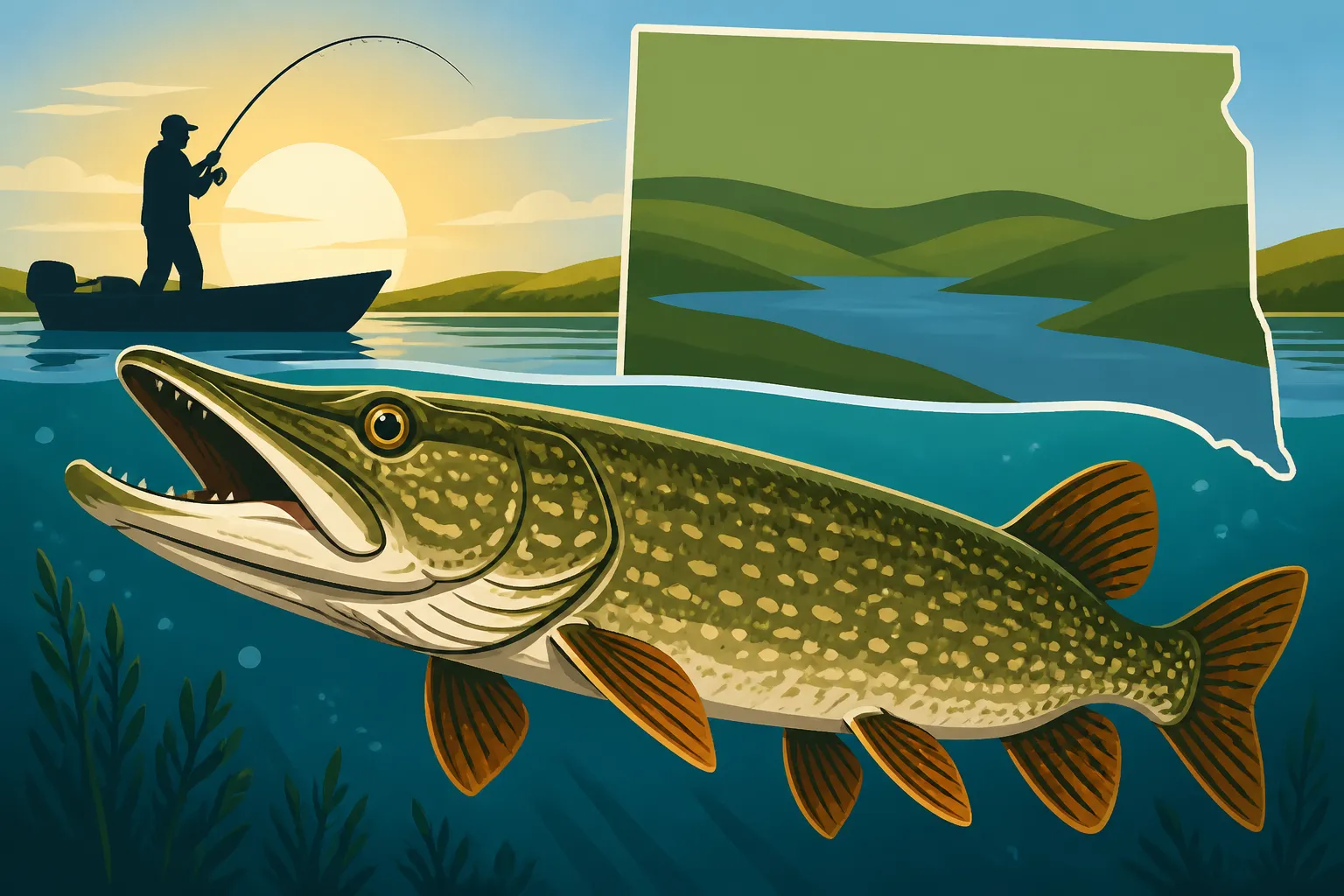
How Big Do Northern Pike Get in North Dakota Lakes?
It's a common dream for any angler hitting the waters of North Dakota: hooking into that absolute beast of a northern pike. We all wonder, "Just how big can these toothy critters actually get in our lakes?" It's not just about the state record, but what you can realistically expect on a good day out on the water, and what factors contribute to those truly impressive catches. This guide is here to unravel the mysteries behind northern pike growth in North Dakota, exploring their typical sizes, what makes some lakes produce giants, and how you can approach fishing for these formidable fish.
The General Size Range of Northern Pike in North Dakota Waters
When you talk about northern pike in North Dakota, you're looking at a fish that's truly built for hunting. They're long, muscular, and notoriously aggressive. While every lake and river has its own unique characteristics, there's a general size range that most anglers encounter, and then there are those rare, unforgettable monsters.
Typical Catches: The Everyday Pike
For the average fishing trip across North Dakota's diverse waterways, you're most likely to encounter northern pike in the 20 to 30-inch range. These are robust, healthy fish that put up a fantastic fight and are a blast to catch. They're abundant in many of our lakes and reservoirs, offering consistent action for both seasoned anglers and those just starting out. You'll find these "eater" pike providing excellent table fare, and they're a testament to the healthy ecosystems thriving throughout the state. From small sloughs to larger reservoirs, these mid-sized pike are the bread and butter of our pike fishery. They're often caught on a variety of lures, from spoons to spinnerbaits, and even large minnows under a bobber. You can learn more about how to target these fish in our North Dakota Northern Pike Fishing Guide.
Larger Pike: Approaching Trophy Status
Stepping up from the everyday catches, many North Dakota anglers regularly land pike in the 30 to 40-inch class. These are substantial fish that start to really test your tackle and your resolve. A 36-inch northern pike, for example, is a truly impressive specimen, often weighing in the high single digits or even low double digits in pounds. These fish are usually older, smarter, and have found consistent sources of large forage. They've learned to avoid typical presentations and often require a bit more finesse or a willingness to fish less accessible areas. Catching a pike of this caliber often means you're doing something right – either you've found a honey hole, perfected a particular technique, or simply put in the time. Having a reliable measuring tape, perhaps one you picked up on Amazon, is crucial for documenting these catches, especially if you plan to practice catch and release.
Factors Influencing Pike Size in North Dakota Lakes
So, what transforms a regular pike into a true behemoth? It’s not just luck, though that certainly plays a role! Several environmental and ecological factors are at play, creating the conditions for pike to grow to impressive sizes.
Forage Base: A Buffet for Big Pike
The single most critical factor in a northern pike's growth potential is the abundance and size of its food source, or "forage base." Pike are apex predators, and they need a consistent supply of protein to pack on length and girth.
Abundant Prey Fish
Lakes with a thriving population of larger prey fish, such as substantial yellow perch, cisco, white suckers, or even smaller walleye, will naturally produce bigger pike. Imagine a pike living in a lake teeming with plump perch – it doesn't have to work as hard to find food, and each meal provides a significant energy boost. This leads to faster growth rates and ultimately, larger adult fish. Conversely, lakes with a sparse forage base or only smaller baitfish might hold many pike, but they'll generally be skinnier and shorter, as competition for food is high and meals are less calorically dense. Lake Sakakawea, for instance, known for its strong walleye and perch populations, often produces very large pike that capitalize on these abundant food sources.
Invasive Species and Their Impact
Sometimes, even invasive species can unintentionally provide a new food source that allows pike to grow larger. While generally detrimental to ecosystems, some non-native fish might become prey for large pike. However, this is a double-edged sword, as invasive species can also disrupt the native food web, potentially harming the overall health of the fishery in the long run. Anglers need to be diligent about Aquatic Nuisance Species Rules for Boaters to prevent further spread.
Habitat and Water Quality: Home Sweet Home
A healthy, diverse habitat and good water quality are essential for a robust pike population, including those that grow to impressive sizes.
Cover and Structure
Pike are ambush predators, so they thrive in environments with plenty of cover and structure where they can hide and wait for unsuspecting prey. This includes weed beds, submerged timber, rock piles, and sharp drop-offs. Lakes and reservoirs that offer extensive areas of these features provide ideal hunting grounds. The more complex the habitat, the more opportunities a pike has to set up an ambush, ensuring a steady diet. When fishing for these larger pike, focus your efforts around these types of structure, as that's where they'll be lying in wait.
Water Quality and Depth
Good water quality, including appropriate oxygen levels and a stable temperature range, is vital for fish health and growth. Deeper lakes or those with good thermal stratification can offer pike a refuge during warmer summer months, allowing them to remain active and feed rather than being stressed by shallow, warm water. North Dakota's larger, deeper lakes like Lake Sakakawea and Devils Lake generally offer these conditions, contributing to their reputation for producing bigger pike. Understanding fish movement patterns is key; deeper water structure fishing techniques might be needed in warmer months.
Fishing Pressure and Management: Human Influence
Human activity and state management efforts also play a significant role in the size distribution of northern pike in North Dakota.
Regulations and Harvest Limits
North Dakota has specific regulations on pike, including daily limits and sometimes length restrictions in certain areas. These regulations are designed to manage the fishery, allowing a certain number of fish to reach larger sizes. When anglers adhere to these limits, it helps maintain a healthy population balance, ensuring that enough fish survive to maturity and beyond. Overharvesting of larger pike, for example, could reduce the average size of fish in a particular body of water over time. Always check the current North Dakota Northern Pike Daily Limit before heading out.
Catch and Release Practices
The increasing popularity of catch and release, especially for larger fish, is another factor. When anglers carefully release big pike, those fish get to continue growing, contributing their genetics to the population, and offering another angler the chance to catch a trophy in the future. Using proper handling techniques, such as a strong net and a long set of pliers (easily found on Amazon), is essential to ensure the released fish has the best chance of survival.
North Dakota's Trophy Pike Potential
North Dakota truly is a hidden gem for trophy northern pike. While it might not always get the same press as some other states, our waters consistently kick out giants.
What Constitutes a "Trophy" Pike?
Defining a "trophy" can be subjective, but in North Dakota, most anglers would consider a northern pike over 40 inches to be in trophy territory. A fish pushing or exceeding 45 inches is a truly exceptional catch, one that dreams are made of. These fish are often quite old, perhaps 10 years or more, and have survived numerous challenges to reach such impressive dimensions.
| Pike Size Category | Approximate Length Range | Characteristics | Typical Weight Range (Lbs) |
|---|---|---|---|
| Average Catch | 20-30 inches | Common, good eating size, abundant | 2-5 |
| Quality Catch | 30-40 inches | Impressive, strong fight, often older | 5-15 |
| Trophy Pike | 40+ inches | Rare, memorable, significant age, true giants | 15-30+ |
| State Record | 46+ inches | The ultimate achievement, extremely rare | 30+ |
Lakes Known for Producing Giants
While big pike can turn up almost anywhere, certain North Dakota lakes and river systems have a reputation for consistently producing larger fish. Trophy Northern Pike Waters in North Dakota are often those with an excellent forage base and extensive, complex habitat.
Lake Sakakawea
This massive reservoir on the Missouri River system is perhaps North Dakota's most famous trophy pike factory. Its vastness, deep structure, and incredible forage base of smelt, cisco, perch, and walleye create the perfect environment for pike to grow enormous. Anglers here regularly report pike over 40 inches, and even 20-pounders are not uncommon. The sheer size of Sakakawea means these fish have ample room to roam and find food without excessive pressure. Targeting points, deep weed edges, and creek arm entrances can be key to finding these lunkers.
Devils Lake
Another legendary North Dakota fishery, Devils Lake, known primarily for its walleye and perch, also boasts a fantastic northern pike population. The lake's unique flooded timber and extensive submerged vegetation provide unparalleled ambush points. While it might produce a higher quantity of mid-sized pike, those that survive and capitalize on the abundant perch and walleye schools can grow to truly astonishing sizes. The challenging, ever-changing nature of Devils Lake makes every trophy pike caught there feel like a hard-earned victory.
Other Notable Waters
Don't count out other, sometimes smaller, waters. The Missouri River itself, particularly stretches with good backwaters and current breaks, can hold massive pike. Some of the larger state-managed reservoirs and even certain deeper sloughs can surprise you with a giant if conditions are right and the forage is plentiful. It's always worth checking with local bait shops or the North Dakota Game and Fish Department for current hot spots, but remember, the best way to find a giant is often to put in the time on the water.
Ethical Angling and Gear for Big Pike
Landing a truly enormous northern pike is an exhilarating experience, but it comes with responsibilities, both for the fish and for your gear.
Responsible Handling of Trophy Pike
If you're lucky enough to hook into a monster pike, especially one you intend to release, responsible handling is paramount. These fish are a precious resource.
Minimizing Stress and Injury
Large pike have sharp teeth and can be difficult to handle. Use a large, knotless landing net to safely bring the fish into the boat. Avoid dragging them onto shore, which can strip their protective slime layer. If you plan to take photos, do so quickly, keeping the fish as low to the water as possible and supporting its entire body weight horizontally. Never hold a large pike vertically by the gill plates or jaw, as this can cause severe internal damage. A good pair of jaw spreaders and long-nosed pliers (which you can find readily available on Amazon) are indispensable for safely removing hooks, especially if the fish is deeply hooked.
Measuring and Documentation
For accurate measurements, use a bump board or a flexible measuring tape laid flat. Record the length and, if you have a reliable scale, the weight. Remember, the North Dakota Northern Pike State Record Weight is a testament to careful documentation, and while you might not break it, accurate records contribute to fishery management data. Many anglers also carry a camera to capture the moment, creating memories that last a lifetime.
Essential Gear for Targeting Big Pike
You wouldn't bring a butter knife to a sword fight, and the same goes for targeting trophy pike. Proper gear is essential for both landing these fish and ensuring their well-being if you plan to release them.
Rods and Reels
For big pike, you'll want a heavy-action baitcasting or spinning rod, typically 7 to 8 feet long, capable of handling heavy lures and powerful runs. Pair this with a robust reel spooled with strong braided line, often in the 50-80 pound test range. This provides the backbone needed to turn a big fish and prevent break-offs in heavy cover. A high-quality drag system is critical, allowing the pike to make runs without snapping your line, while still applying enough pressure to tire it out.
Leaders and Lures
Because of their razor-sharp teeth, a steel, titanium, or heavy fluorocarbon leader (80-100 lb test) is non-negotiable to prevent bite-offs. Without a leader, a trophy pike will easily sever your line. As for lures, large spoons, oversized spinnerbaits, big swimbaits, jerkbaits, and even substantial bucktail spinners are effective. Many anglers also use large dead baits, such as smelt or suckers, fished under a bobber or on the bottom, especially during colder months. Don't be afraid to go big with your presentations; trophy pike aren't shy about attacking a sizable meal. You can explore a wide variety of these specialized lures and leaders on Amazon.
Disclaimer
This article is for general informational purposes only and does not constitute professional advice. Laws, prices and regulations vary by location and change over time. Consult a qualified professional for guidance on your specific situation.