Yellow Perch Record Catch on Devils Lake
Every angler dreams of that one fish that makes history, the one that puts their name in the record books and becomes a legend whispered around campfires. For many dedicated anglers in North Dakota, the pursuit of a giant yellow perch on Devils Lake has been a lifelong quest, full of cold fingers, frozen lines, and countless hours on the ice. This comprehensive guide delves into the specifics of North Dakota's yellow perch record, exploring the unique conditions that make Devils Lake a true trophy factory and offering insights into how you might just land your own unforgettable catch.
The Legendary North Dakota Yellow Perch Record
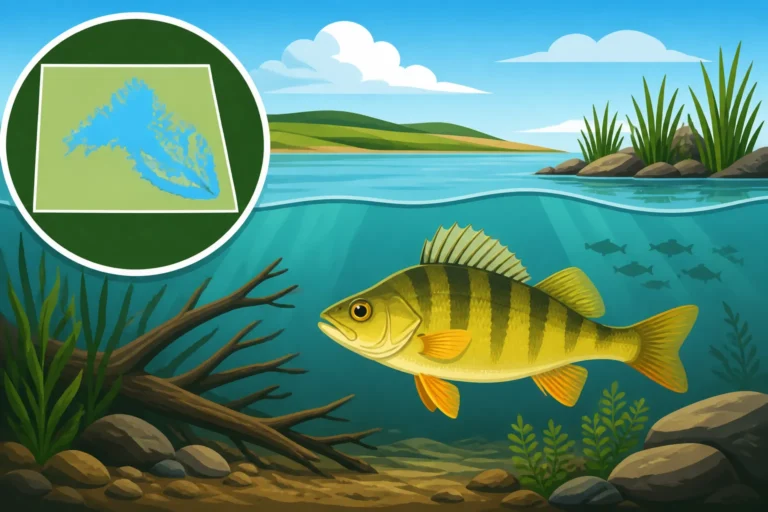
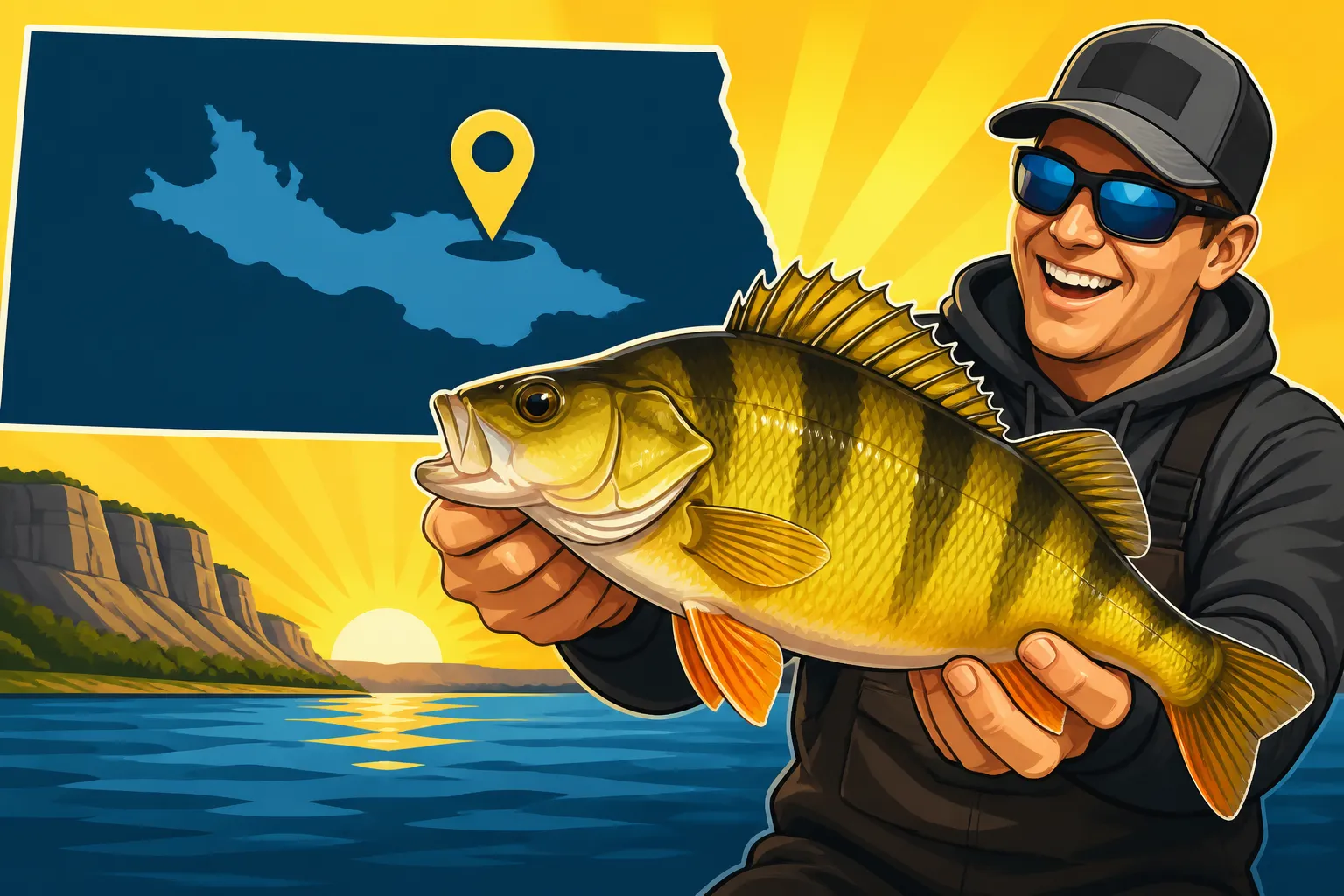
The story of a state record catch often begins with a quiet day on the water, a subtle bite, and then an eruption of excitement that reverberates through the angling community. For yellow perch in North Dakota, the benchmark is set incredibly high, thanks to the prolific waters of Devils Lake. This particular body of water has a reputation for producing not just numerous perch, but truly gargantuan ones that make other anglers green with envy. The state record yellow perch from North Dakota is a testament to the incredible fishery that exists in this unique lake.
It’s one thing to catch a mess of eater perch for a fish fry, but it’s an entirely different experience to reel in a fish that shatters previous records. The sheer size and weight of a record-breaking yellow perch are staggering, often making people question if it’s truly a perch and not some other species. These trophy fish possess a robust body, often with vibrant colors, and their powerful fight demands skill and patience. Anglers from all over the country come to North Dakota hoping to experience just a fraction of the thrill that comes with landing a truly exceptional perch, knowing full well that breaking the state record is the pinnacle of this pursuit. If you've ever wondered How Big Was the Record Perch Caught on Devils Lake?, you know the kind of monster we're talking about. It's a fish that truly captures the imagination.
The pursuit of a record-setting fish is more than just a numbers game; it's a deep dive into understanding fish behavior, local conditions, and pushing your own angling skills to their limits. It's about spending countless hours, refining techniques, and having that little bit of luck when it matters most. While many anglers are content with a healthy limit, the allure of the state record drives a dedicated few to chase the biggest perch that Devils Lake has to offer, keeping a keen eye on every detail that could lead to that once-in-a-lifetime catch. When discussing the official measurements, it helps to review the criteria for Yellow Perch Identification and State Record.
Why Devils Lake Breeds Giants: The Ecosystem Advantage
Devils Lake isn't just any fishing lake; it's a phenomenon, a dynamic body of water that has earned its reputation as one of the premier fishing destinations in North America, particularly for yellow perch. The conditions here are almost tailor-made for growing monster perch, creating an environment where these fish can thrive and reach truly impressive sizes. This isn't by accident; it's a combination of unique geographical, biological, and environmental factors that converge to create a "perch factory."
One of the primary drivers of Devils Lake's exceptional perch fishery is its highly fluctuating water levels. Historically, the lake has seen significant rises and falls, inundating vast areas of terrestrial vegetation, including trees, shrubs, and grasslands. When the water rises and floods these new areas, it creates an enormous amount of new habitat and a massive influx of nutrients. This submerged vegetation provides shelter for young fish, spawning grounds, and crucially, a huge boost to the invertebrate population. These invertebrates, like scuds, insect larvae, and freshwater shrimp, form the base of the food chain, offering an almost endless buffet for growing perch. This rich, ever-expanding larder means perch don't just survive; they gorge and grow at an incredible rate, often exceeding the growth rates seen in other, more stable lake systems. Understanding the specifics of Yellow Perch Habitat on Devils Lake is key to appreciating this dynamic.
Furthermore, the slightly brackish nature of Devils Lake's water plays a subtle but significant role. While not truly saltwater, the lake has a higher salinity than most freshwater lakes in the region, which some theories suggest can contribute to faster growth rates and overall hardiness in certain fish species, including yellow perch. This unique water chemistry, combined with a robust forage base that includes an abundance of small minnows and shiners, means perch have everything they need to bulk up. The perch in Devils Lake are often described as having a very deep, almost "football" like body shape, indicative of their excellent nutritional status. This is one of the reasons Why Are Devils Lake Perch So Popular? – they're not just plentiful, they're big and healthy.
Strategies for Targeting Trophy Yellow Perch on Devils Lake
Chasing trophy yellow perch on Devils Lake requires more than just showing up with a rod and reel; it demands a blend of knowledge, technique, and the right gear. Whether you're drilling holes in the ice or casting from a boat, understanding the nuances of perch behavior and the best approaches can significantly increase your odds of connecting with a true giant. Remember, these big fish didn't get that way by being easy to catch!
Ice Fishing for Devils Lake Giants
Winter is prime time for trophy perch on Devils Lake, and ice fishing is the dominant method. The vastness of Devils Lake can be intimidating, but knowing where to start is half the battle. Focus on areas with flooded timber, old roadbeds, rock piles, and submerged humps—these are classic perch hangouts. Early ice and late ice often provide the best opportunities as perch are actively feeding near structure. Using a good quality fish finder, like those you can find on Amazon, is absolutely critical for locating schools of active fish, especially in deeper water. Don't just drill random holes; use your electronics to identify breaks, humps, and baitfish concentrations, then set up shop.
When it comes to tackle, precision and subtlety are key. Light action rods (even ultra-light for the most sensitive bites) paired with small spinning reels spooled with sensitive fluorocarbon or braided line with a fluorocarbon leader are standard. Jigs are the most popular choice for perch. Small tungsten jigs tipped with a maggot, wax worm, or a small plastic tail are deadly. Experiment with colors, but gold, silver, glow-in-the-dark, and natural patterns often produce. When jigging, try a variety of retrieves: subtle lifts, gentle shakes, or dead sticking. Sometimes the biggest perch are the most finicky. For specific advice, check out Perch Jigging Techniques for Devils Lake and Best Jig Size for Perch Through the Ice. Having a few different jig sizes and colors, easily ordered from Amazon, can make all the difference.
Open Water Tactics for Lunker Perch
While ice fishing gets a lot of attention, open water fishing on Devils Lake can also yield impressive perch catches, particularly in the spring and fall. As the ice recedes, perch move to shallower bays and flats to spawn, making them accessible to shore anglers and boaters alike. During summer, they'll often hold on deeper structure or suspend over baitfish schools in open water. Trolling small crankbaits or spinners can be effective for covering water and finding active schools. Vertical jigging with a spoon or a Lindy Rig tipped with a minnow over submerged structure is another proven method.
Regardless of the season, understanding the lake's contours and using mapping software on your boat's electronics (many excellent models available on Amazon) will be invaluable. Look for those same structural elements that hold fish in winter—drop-offs, humps, and flooded timber lines. Pay attention to wind direction, as it often concentrates baitfish and, consequently, hungry perch on wind-blown points or shorelines. For optimal gear selection, considering a specialized rod from Best Ice Fishing Rod for Perch can translate well to sensitive open water jigging. And don't forget to learn How to Find Perch Schools Under the Ice which has principles that apply to open water fishing as well.
Here's a quick comparison of average vs. trophy perch characteristics:
| Characteristic | Average Devils Lake Perch (Eater) | Trophy Devils Lake Perch (Record Potential) |
|---|---|---|
| Length | 8-10 inches | 13 inches+ |
| Weight | 0.5 – 1.0 pounds | 2.0 – 3.0+ pounds |
| Body Shape | Elongated, slender | Deep-bodied, "football" thick |
| Age | 3-5 years | 7-10+ years |
| Location | Widespread in schools | Often solitary or in small groups on specific structure |
| Bite | Aggressive | Subtle, finicky, "dead weight" |
Beyond the Record: Responsible Perch Fishing and Conservation
While the dream of catching a record-breaking yellow perch is exhilarating, it's crucial for all anglers to practice responsible fishing and conservation. The incredible fishery of Devils Lake is a precious resource that needs our protection to ensure future generations can also experience the thrill of North Dakota perch fishing. The very factors that contribute to giant perch growth—abundant food and diverse habitat—can also be impacted by overfishing or irresponsible practices.
Many anglers who specifically target trophy perch adopt a "catch and release" mentality for the largest fish. While it's certainly legal to keep your catch within the North Dakota Yellow Perch Daily Limit regulations, releasing those truly massive breeding females helps to ensure the genetics for large fish are passed on. These older, larger fish are often the most prolific spawners, contributing significantly more eggs to the fishery than smaller, younger perch. If you do choose to release a trophy, handle it with extreme care. Minimize its time out of the water, support its body horizontally, and revive it gently before letting it go. Quality, quick-release hooks and proper landing nets (found on Amazon) can aid in this process.
Furthermore, being mindful of aquatic nuisance species (ANS) is paramount. Zebra mussels, for instance, pose a significant threat to lake ecosystems. Always "clean, drain, and dry" your boat, trailer, and all fishing gear after leaving any body of water, especially Devils Lake. This simple step prevents the spread of invasive species that could ultimately harm the very perch fishery we cherish. By being good stewards of our natural resources, we can help ensure that Devils Lake continues to produce legendary yellow perch for years to come.
Disclaimer
This article is for general informational purposes only and does not constitute professional advice. Laws, prices and regulations vary by location and change over time. Consult a qualified professional for guidance on your specific situation.