Fish Species That Only Live in the Missouri River System
When we think about fishing in North Dakota, iconic lakes like Sakakawea and Devils Lake often come to mind, teeming with walleye and perch. But there's a whole other world beneath the surface of the mighty Missouri River system, a unique ecosystem that holds some truly special aquatic residents, some of whom are rarely, if ever, found anywhere else in the state. This guide will dive deep into the fascinating fish species that call North Dakota's stretch of the Missouri River system their exclusive home, highlighting their unique adaptations, the challenges they face, and how you, as an angler, can appreciate and help protect these riverine treasures.
The Unique Ecology of North Dakota's Missouri River System
The Missouri River isn't just any waterway; it's a massive, complex system with a rich history and a dramatically altered present. For millennia, it was a wild, untamed river, constantly shifting its banks and carving new channels. Today, due to extensive damming and regulation, particularly the Garrison Dam that forms the immense Lake Sakakawea, the river in North Dakota presents a mosaic of habitats, from powerful tailrace sections to vast, deep reservoirs and meandering downstream stretches. This transformation has profoundly shaped the fish communities within it.
A River Transformed: Dams and Reservoirs
The construction of major dams along the Missouri River, like the Garrison Dam in North Dakota, created the massive impoundments of Lake Sakakawea and Lake Oahe. While these reservoirs are celebrated for their world-class walleye, northern pike, and salmon fisheries, they also fundamentally changed the river's character. What was once a free-flowing, turbid river with a consistent current became a series of vast, deep lakes with different thermal and oxygen profiles. This alteration, while beneficial for some species that thrive in lake-like conditions, put immense pressure on native riverine species adapted to strong currents, sandbars, and a constantly changing environment. The cold, clear water released from the depths of the dams, for instance, creates unique conditions in the downstream river sections, favoring some fish while making it unsuitable for others. Understanding these dynamics is key to appreciating the specialized fish that call this system home.
Currents, Depth, and Substrate Diversity
Beyond the sheer size, the Missouri River system in North Dakota is defined by its incredible diversity of physical features. You have areas of swift, powerful current, especially directly below the Garrison Dam, which is a major draw for species that prefer highly oxygenated, moving water. Then there are the deep, cold depths of Lake Sakakawea, offering sanctuaries for species like Chinook salmon, which are stocked but thrive in these conditions. Further downstream, the river broadens, sometimes with slower flows, allowing for different types of bottom structure – from rocky ledges to silty flats and sandy runs. Each of these micro-habitats acts like a selective filter, allowing only certain fish species with specific adaptations to flourish. A fish accustomed to navigating strong currents would struggle in a placid, deep bay, and vice-versa. This environmental specialization is precisely why some fish are so uniquely tied to this specific river system within the state. Anglers venturing out on these waters often need specialized gear to tackle the varying conditions, and you can find a wide array of durable rods and reels suitable for river fishing on platforms like Amazon.
Unveiling the Missouri River System's Special Aquatic Residents
While many fish species found in the Missouri River also exist in other North Dakota waters, there are a few truly remarkable inhabitants whose presence in the state is almost exclusively confined to this grand waterway. These are often species with ancient lineages or very specific habitat requirements that only the Missouri, with its unique blend of flowing water and vast depths, can provide.
The Elusive Pallid Sturgeon: A Living Fossil
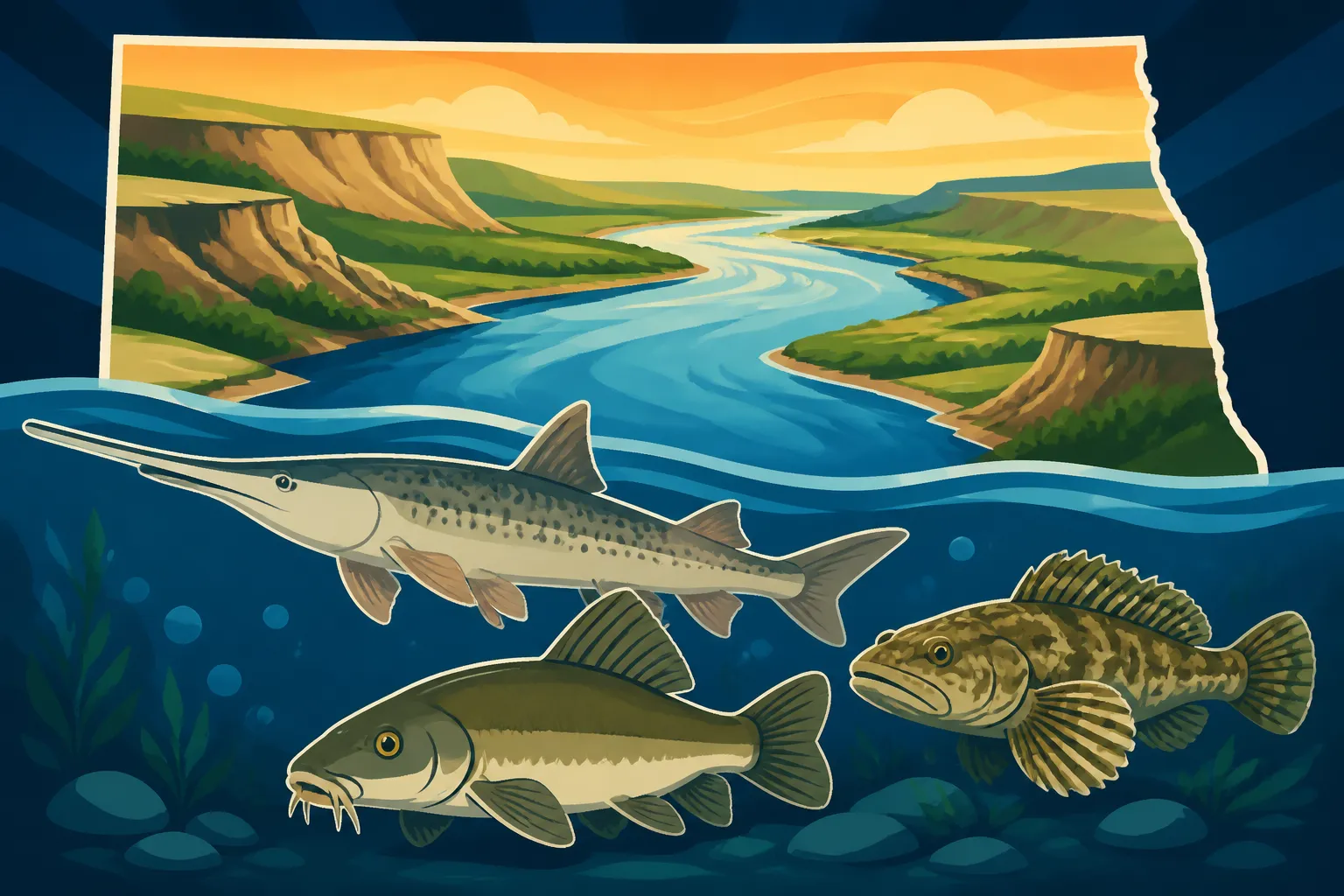
Perhaps the most iconic and distinct species tied to North Dakota's Missouri River system is the pallid sturgeon. This fish is truly a living fossil, having changed little in appearance over millions of years. Characterized by its flattened, shovel-like snout, long barbels (whiskers) that help it locate food on the river bottom, and its bony plates (scutes) instead of scales, the pallid sturgeon is a master of its turbid, bottom-dwelling environment. What makes it particularly special in North Dakota is that it's an endangered species, and virtually the only place you'll find it within the state is in the main stem of the Missouri River, primarily in Lake Sakakawea and the river reaches below Garrison Dam. They need specific riverine conditions for spawning that are no longer common due to dams, leading to very low natural reproduction. Pallid Sturgeon Recovery in the Missouri River efforts are ongoing, but every encounter is precious and highlights the river's unique biological heritage. It's vital to remember that Is the Pallid Sturgeon Protected in North Dakota?, and it is illegal to harvest them. If you accidentally catch one, responsible catch-and-release is paramount.
Pallid sturgeon are incredibly slow-growing and long-lived, taking many years to reach maturity. They can grow to impressive sizes, sometimes over six feet long and weighing more than 80 pounds, a testament to their survival through countless geological eras. Their diet consists mainly of small fish and aquatic insects, which they root out of the river bottom with their sensitive barbels. Anglers rarely target them directly, often encountering them by surprise while fishing for catfish or other bottom-dwelling species. These accidental catches serve as a stark reminder of the unique and vulnerable life supported by this river system.
Shovelnose Sturgeon: The Smaller, More Abundant Cousin
Another fascinating sturgeon species primarily found in North Dakota's Missouri River system is the shovelnose sturgeon. While not endangered like its pallid cousin, it shares many characteristics, including its prehistoric appearance and bottom-feeding habits. The shovelnose sturgeon is smaller, typically growing to about 30 inches and weighing a few pounds, and is generally more abundant. In North Dakota, you'll find them almost exclusively in the Missouri River and its major tributaries that connect to it, from Lake Sakakawea downstream. They are incredibly resilient and provide a unique angling experience for those who enjoy targeting non-traditional species.
Distinguishing a shovelnose from a pallid sturgeon is crucial for conservation. Shovelnose sturgeon generally have a more pointed snout, and their outer barbels are typically longer than their inner barbels, reaching or extending past the mouth. They also have a fully plated caudal (tail) fin, unlike the pallid sturgeon which has an unplated, thread-like filament on the upper lobe of its tail fin. While Shovelnose Sturgeon in North Dakota can be legally harvested in season with proper licensing and adherence to regulations, it's always best to be absolutely certain of identification before retaining any sturgeon. Is It Legal to Catch Sturgeon in North Dakota? specifies the regulations for shovelnose sturgeon, but emphasizes the protected status of pallid sturgeon.
Goldeye: A Unique Riverine Forage Fish
Often overlooked by anglers focused on game fish, the goldeye is a truly unique species that thrives in the turbid waters of the Missouri River system and is primarily found there within North Dakota. These silvery, deep-bodied fish with large golden eyes are perfectly adapted to the often murky river environment. While they might not reach the trophy sizes of a walleye or pike, they are spirited fighters on light tackle and, surprisingly, are considered excellent table fare by those in the know, especially when smoked.
Goldeye typically grow to about 12-16 inches long and weigh less than a pound. They are active predators, feeding on insects, small crustaceans, and even small fish near the surface or in the middle water column. They are particularly active during low light conditions, making them a fun target during dawn, dusk, or even cloudy days. If you're exploring Goldeye Fishing in North Dakota, you'll find them concentrated in the moving waters of the Missouri River. While they aren't strictly endemic to the Missouri River system globally, their presence and prevalence in North Dakota are overwhelmingly tied to this specific waterway. Are Goldeye Good Bait or Good to Eat? is a common question, and while some use them as bait, many attest to their delicious, flaky white meat.
Here's a quick comparison of these unique Missouri River system residents:
| Species | Primary Habitat in ND | Conservation Status (ND) | Key Identification Feature | Average Size (ND) | Angling Status |
|---|---|---|---|---|---|
| Pallid Sturgeon | Missouri River System | Endangered | Flattened shovel-like snout, unplated tail filament | 3-6 ft, 30-80+ lbs | Protected (C&R only) |
| Shovelnose Sturgeon | Missouri River System | Stable | Pointed snout, fully plated tail fin, longer outer barbels | 1.5-2.5 ft, 1-5 lbs | Legal (Regulated) |
| Goldeye | Missouri River System | Stable | Silvery, deep body, large golden eyes, small head | 1-1.5 ft, 0.5-1.5 lbs | Legal (Regulated) |
Conservation and Management: Protecting These River Gems
The fact that these unique fish species are primarily found in the Missouri River system within North Dakota means their continued survival is inextricably linked to the health of this river. This system faces numerous environmental pressures, and managing these fish populations is a complex dance between human activity and ecological needs.
Challenges to Survival: Habitat and Human Impact
The biggest challenge for many riverine species, particularly the endangered pallid sturgeon, stems directly from habitat alteration. The extensive damming of the Missouri River has fragmented its once-continuous flow, eliminating vital spawning grounds and disrupting natural migration patterns. The changes in water flow, temperature, and sediment transport below dams also impact the river's ecological balance. For species like the pallid sturgeon, which rely on specific flow regimes and substrate types for successful reproduction, these changes have been devastating. Pollution runoff from agricultural and urban areas, along with the introduction of Invasive Fish Species in North Dakota and other aquatic nuisance species, further complicate conservation efforts. It's a constant battle to mitigate these impacts and restore some semblance of the river's natural processes.
Recovery Efforts and Angler Awareness
Despite these challenges, dedicated conservation efforts are underway to protect and restore these unique fish. State and federal agencies work together on projects like habitat restoration, monitoring existing populations, and stocking pallid sturgeon to supplement natural reproduction. Anglers play an absolutely critical role in these efforts. Understanding North Dakota Fishing Regulations Explained, especially those pertaining to protected species, is not just about avoiding fines; it's about being a responsible steward of our natural resources.
If you're fishing the Missouri River, particularly for catfish or other bottom dwellers where you might accidentally hook a sturgeon, knowing how to identify species quickly and handle them carefully is paramount. Carrying a camera to document any potential pallid sturgeon sighting (after careful release) can contribute valuable data to research efforts. Resources, including specialized fish identification guides, are readily available, often found on platforms like Amazon, and can greatly enhance an angler's ability to contribute positively to conservation. Knowing What Fish Species Live in the Missouri River? isn't just trivia; it's the first step in being a proactive conservationist.
How Anglers Can Contribute to Missouri River Fish Health
As anglers, we have a unique connection to the waterways and a responsibility to help preserve them for future generations. For the special fish species of the Missouri River, our actions on and off the water can make a real difference.
Responsible Angling Practices
The most direct way to contribute is by practicing responsible angling. This means adhering strictly to all North Dakota Fishing Regulations Explained, including species-specific limits and seasons for shovelnose sturgeon and goldeye. For endangered species like the pallid sturgeon, immediate release with minimal handling is crucial. Always carry the right tools for a quick, clean release, such as needle-nose pliers or a hook-remover. If you're fishing with live bait, especially minnows or worms, consider where you sourced them to avoid introducing Aquatic Nuisance Species Rules for Boaters.
Understanding the fragility of these ecosystems means being mindful of your footprint. Ensure your boat is properly cleaned, drained, and dried before moving it from one body of water to another to prevent the spread of invasive species. If you're fishing from shore, pack out everything you pack in, leaving no trace. Every small action adds up to a healthier river for all its inhabitants.
Supporting Conservation Through Knowledge
Beyond the practical aspects of fishing, simply taking the time to learn about these unique fish and their habitats is a powerful form of support. The more we understand, the more we appreciate, and the more likely we are to advocate for their protection. Consider purchasing a comprehensive guide to North Dakota's fish species or river ecology – many excellent titles are available on Amazon – to deepen your knowledge.
Engage with local conservation groups or the North Dakota Game and Fish Department. They often have educational programs, volunteer opportunities, or even citizen science initiatives where your observations as an angler can directly contribute to ongoing research. By becoming an informed and active participant in the conservation conversation, you help ensure that the Missouri River's unique aquatic residents, those living fossils and specialized river dwellers, continue to thrive for years to come. Whether you're considering Best Boats for River Fishing in North Dakota or simply wondering How Many Lines Can You Fish With in North Dakota?, remember that respecting the unique ecosystem of the Missouri River is paramount to preserving its special inhabitants.
Disclaimer
This article is for general informational purposes only and does not constitute professional advice. Laws, prices and regulations vary by location and change over time. Consult a qualified professional for guidance on your specific situation.