How Many Chinook Salmon Are Stocked in Lake Sakakawea Each Year?
For many North Dakota anglers, the thought of reeling in a powerful, acrobatic Chinook salmon from the vast waters of Lake Sakakawea is a dream come true, offering a thrilling experience unlike any other in our state. But these impressive fish aren't native to our prairie waters, leading many to wonder about the efforts behind sustaining this unique fishery. This guide will dive deep into why Chinook salmon are stocked in Lake Sakakawea and the dedicated programs that ensure these incredible game fish continue to thrive for future generations of anglers.
The Why Behind Chinook Salmon Stocking in Lake Sakakawea
It's truly remarkable to think that an inland reservoir in North Dakota can host a viable population of Pacific salmon, but Lake Sakakawea isn't just any body of water. Its vastness and unique characteristics make it a prime candidate for such an ambitious stocking program, creating a diverse and exciting fishing destination.
Lake Sakakawea: A Unique Inland Salmon Fishery
Lake Sakakawea, one of the largest man-made lakes in the United States, formed by the Garrison Dam on the Missouri River, provides a deep, cold-water habitat essential for Chinook salmon. These fish, traditionally found in oceanic environments and their natal rivers, require specific conditions to survive and grow. The sheer depth and volume of Sakakawea offer thermal refugia during the warmer summer months, allowing the salmon to escape the heat that would be fatal in shallower lakes. It’s not just about temperature, though; a robust forage base is equally critical. For Chinook salmon, that often means a thriving population of rainbow smelt. Without this vital food source, even the best habitat isn't enough to sustain them.
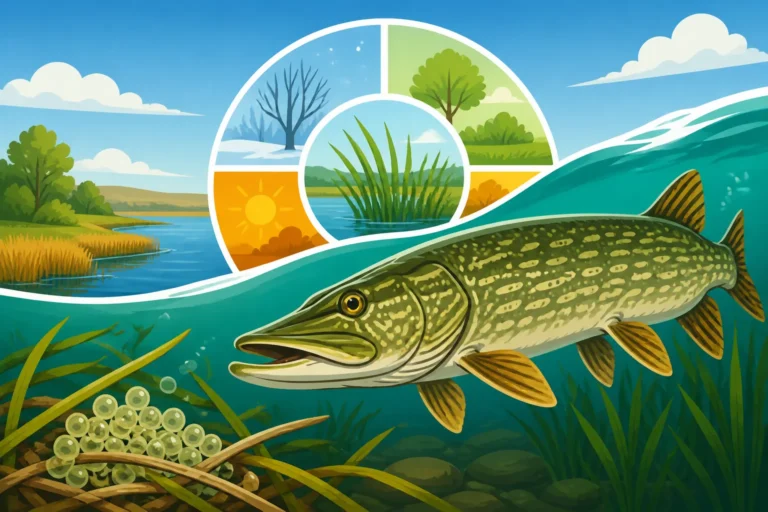
The challenge, however, is that Chinook salmon don't naturally reproduce in Lake Sakakawea. Their intricate life cycle, which typically involves spawning in rivers and streams, migrating to the ocean, and then returning to their birthplace, cannot be completed in this man-made environment. The conditions necessary for successful natural reproduction, from specific gravel beds to consistent cold, flowing water for egg development and fry survival, just aren't present. This is why human intervention, through careful and consistent stocking, becomes absolutely essential to keep the salmon fishery alive. You can learn more about their journey in Chinook Salmon Life Cycle in Lake Sakakawea.
Maintaining a Diverse Angling Opportunity
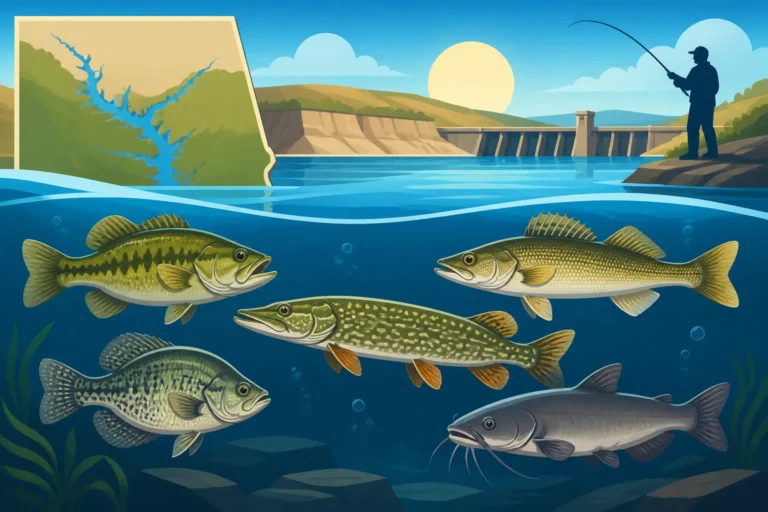
Beyond the biological feasibility, the "why" of stocking Chinook salmon is also deeply rooted in the angling experience. Imagine living in a landlocked state and having the chance to hook into a hard-fighting salmon! It adds an incredible dimension to North Dakota's fishing scene, which is already renowned for its walleye and northern pike. This diversity appeals to a broader range of anglers, from those seeking the thrill of a big-game fight to families looking for a unique outing.
The presence of Chinook salmon also brings significant economic and recreational benefits to communities surrounding Lake Sakakawea. Anglers travel from all over to target these fish, boosting local businesses, bait shops, guides, and accommodations. It contributes to the vibrant outdoor culture of the state, giving residents and visitors alike a truly special opportunity. Maintaining this unique fishery is a commitment to providing one of the most exciting and distinctive angling experiences North Dakota has to offer, making it a standout destination on the national fishing map. For a broader overview of the lake's offerings, check out our Lake Sakakawea Fishing Guide for North Dakota Anglers.
Understanding the Stocking Program: How Many and How Often?
When it comes to Chinook salmon in Lake Sakakawea, the North Dakota Game and Fish Department (NDGFD) runs a meticulous stocking program that is key to the fishery's existence. It's not a set-it-and-forget-it operation; rather, it’s a dynamic process influenced by various factors year to year.
The General Scale of Stocking Efforts
While I can't give you a precise, up-to-the-minute number for this exact year due to the nature of dynamic data, what I can tell you is that the stocking efforts for Chinook salmon in Lake Sakakawea are consistently substantial. We're talking about thousands upon thousands of fingerlings introduced into the lake annually. It's a continuous, deliberate effort by the NDGFD to ensure a robust population of these fantastic sport fish. They typically stock salmon during the spring and early summer when the young fish have the best chance of survival and integration into the lake's ecosystem. This consistent commitment over many years is what has built and maintained this treasured fishery.
The decision on the exact number of fish to stock each year isn't pulled out of thin air. It’s the result of careful scientific assessments, population surveys, and a deep understanding of the lake’s capacity. Fisheries biologists evaluate the health of the existing salmon population, the abundance of their primary food source—rainbow smelt—and the overall health of the aquatic environment. Their goal is to strike a balance: enough fish to provide excellent angling opportunities without overtaxing the food supply or creating unforeseen ecological issues. This rigorous assessment process ensures that every stocking decision is informed and strategic, aimed at the long-term sustainability of the fishery. If you're planning your angling adventures, our North Dakota Fishing Season Calendar can help you determine the best times to hit the water.
Factors Influencing Stocking Numbers
Several critical factors play a role in determining how many Chinook salmon are stocked into Lake Sakakawea in any given year. It's a complex interplay of natural conditions and human management.
| Factor | Impact on Stocking Decisions |
|---|---|
| Forage Base Abundance | The availability of rainbow smelt, the primary food source for Chinook, is paramount. If smelt numbers are down, stocking numbers might be adjusted to prevent over-predation and ensure salmon have enough to eat, allowing both populations to remain healthy. Conversely, a strong smelt population can support more salmon. |
| Lake Water Levels | Water levels in Lake Sakakawea can fluctuate significantly. Higher water levels often mean more habitat and potentially better survival rates for stocked fish, while lower levels might lead to more concentrated populations and increased competition. This influences where and how many fish can be successfully introduced. |
| Water Temperatures | Chinook salmon thrive in colder waters. Sustained periods of abnormally warm water, particularly in deeper parts of the lake, can stress fish and reduce survival. Biologists consider these long-term trends and immediate conditions when planning stocking events. |
| Hatchery Production | The capacity of hatcheries to produce healthy Chinook salmon fingerlings is a practical limitation. Factors like egg availability, disease prevention, and facility space can impact the number of fish ready for release. The NDGFD works closely with its hatcheries to maximize healthy production. |
| Disease Management | Preventing the introduction and spread of diseases is a top priority. Stringent health checks at hatcheries and careful handling during transport ensure that only healthy fish are stocked, protecting both the salmon and other fish species in the lake. |
| Angler Feedback & Goals | Public input and data on angler success rates also inform stocking strategies. If anglers are consistently finding certain size classes or struggling to locate salmon, the stocking program might be adjusted to enhance the angling experience while still adhering to biological limitations. |
Each of these elements contributes to the dynamic nature of the stocking program. The NDGFD continually monitors these variables, making adjustments to ensure the program remains effective and sustainable. This thoughtful approach helps maintain Lake Sakakawea as a premier destination for North Dakota Chinook Salmon Fishing Guide.
The Journey of a Chinook Salmon Fingerling to Lake Sakakawea
It's easy to just think of "stocking" as fish magically appearing in the lake, but there's a detailed and critical process involved long before those little salmon ever hit the water. This journey, from a tiny egg to a released fingerling, is fraught with its own challenges and requires meticulous care.
Hatchery Life: From Egg to Release
The story of a stocked Chinook salmon often begins far from Lake Sakakawea, typically in a dedicated fish hatchery. These facilities are incredibly important for raising fish in a controlled environment, protecting them during their most vulnerable stages. Eggs, usually sourced from broodstock or other healthy populations, are carefully incubated. Once hatched, these tiny fish are called "fry." They're incredibly delicate, and the hatchery staff works tirelessly to provide optimal conditions—clean water, appropriate temperatures, and precisely formulated feed—to ensure their survival and growth.
As the fry mature, they grow into "fingerlings"—a term that aptly describes their size, often around the length of a human finger. This stage is crucial. The fish need to be large and robust enough to have a good chance of surviving in the wild once released. Hatchery staff continuously monitor their health, growth rates, and feed consumption, ensuring they develop into strong, vibrant fish. Without the dedication of these professionals and the sophisticated infrastructure of the hatcheries, the entire stocking program for North Dakota Chinook Salmon Fishing Guide would simply not be possible. It's a true testament to applied science and conservation efforts.
The Release and Early Survival Challenges
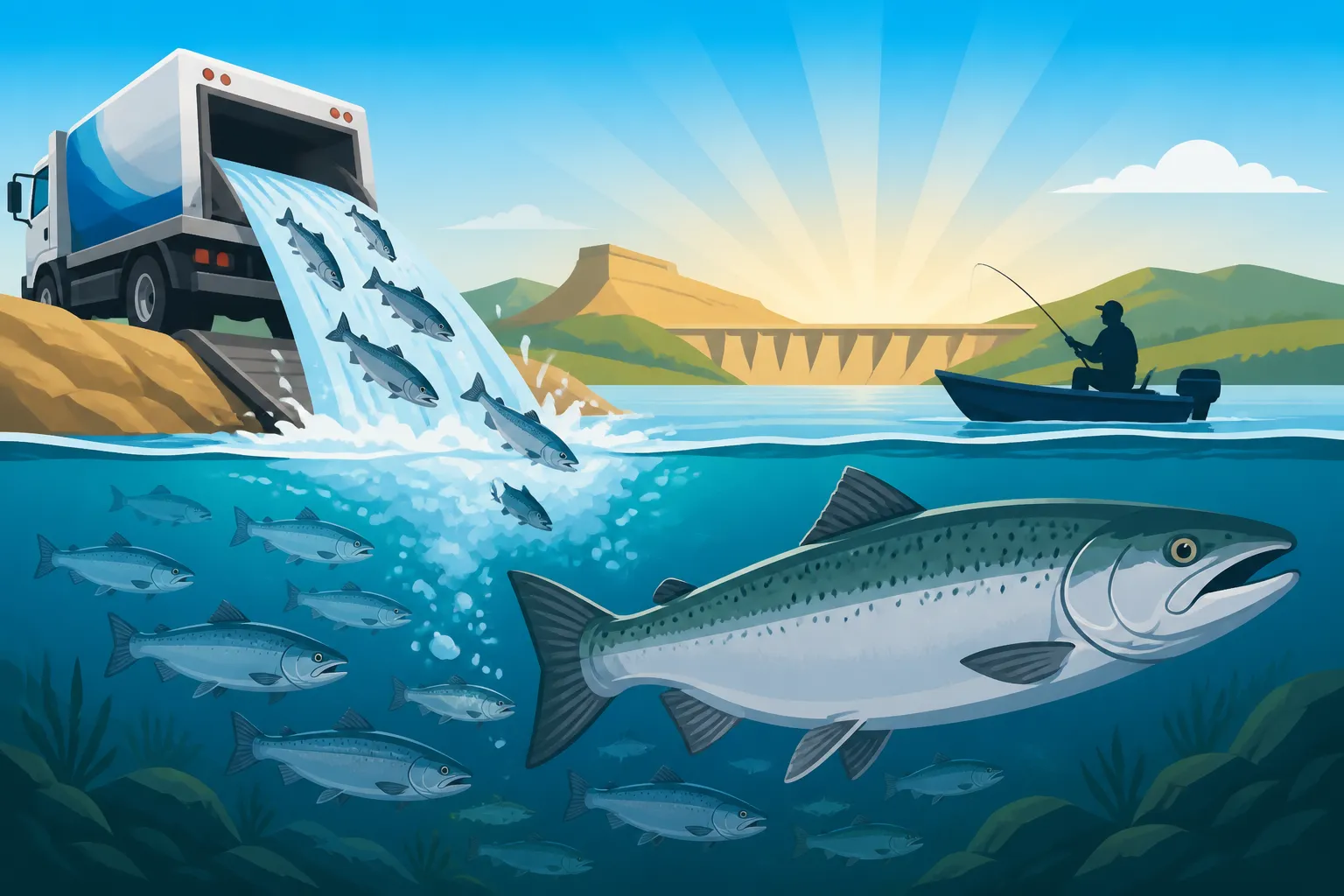
Once the Chinook salmon fingerlings reach the appropriate size and health, it’s time for their grand adventure: release into Lake Sakakawea. This isn't a random event. The NDGFD carefully selects various sites around the lake for these releases, often choosing locations that offer some immediate protection or access to prime habitat. These sites are chosen to maximize the fingerlings' chances of survival, considering factors like proximity to deep water, availability of cover, and known smelt concentrations. The fish are transported in specialized tanks that maintain optimal water quality and temperature, minimizing stress during the journey.
Even after a careful release, the little salmon face an immediate gauntlet of challenges. Suddenly, they're no longer in the protected environment of the hatchery. Predation from larger fish, birds, and even other opportunistic species is a very real threat. They also have to quickly adapt to finding their own food in a vast, open-water environment and learn to avoid dangers. While the NDGFD works to mitigate these risks through strategic release points and timing, it's an undeniable fact that not all stocked fish will make it to adulthood. However, enough do survive to provide the amazing angling opportunities that make Lake Sakakawea famous for its salmon, and that's thanks to continuous efforts and careful planning. You can explore some good fishing spots on Lake Sakakawea Walleye Fishing Spots, which might overlap with salmon areas at certain times.
Impact on Anglers and the Lake Ecosystem
The consistent stocking of Chinook salmon has a profound effect on both the human experience of fishing and the intricate natural balance of Lake Sakakawea itself. It's a success story for anglers, but also a complex balancing act for fisheries managers.
Angling for Stocked Chinook Salmon
For anglers, the impact is undeniable: a unique, hard-fighting sport fish that adds unparalleled excitement to North Dakota fishing. Chinook salmon are renowned for their powerful runs and aerial acrobatics, often leading to heart-pounding battles. They typically grow to impressive sizes in Lake Sakakawea, often reaching lengths that make them true trophy catches. Targeting these fish usually involves trolling with downriggers or planer boards to present lures at specific depths where the salmon are feeding. Popular baits and lures often mimic their primary food source, the rainbow smelt. Many anglers will spend hours trying to crack the code of the salmon bite, experimenting with different depths, speeds, and presentations. If you're looking for specific techniques, our Chinook Salmon Trolling on Lake Sakakawea article has some great insights.
Catching a Chinook salmon from Lake Sakakawea is a bucket-list experience for many. It requires patience, specialized gear, and a good understanding of the lake's contours and fish movements. The availability of these fish provides a distinct seasonal opportunity, particularly in the warmer months when the salmon are actively chasing baitfish in the cooler depths. Whether you're a seasoned salmon angler or just starting out, the thrill of the chase and the reward of a fresh Chinook is an experience that keeps people coming back year after year. For those looking to gear up, a quick search on Amazon for "Chinook salmon trolling lures" or "downriggers for lake fishing" can yield a treasure trove of options to get you started.
Ecosystem Dynamics and Management
Introducing a non-native species, even one as popular as the Chinook salmon, requires careful consideration of its broader impact on the lake's ecosystem. In Lake Sakakawea, the primary concern revolves around the balance between the salmon and their food source, the rainbow smelt. The NDGFD works tirelessly to monitor these populations, ensuring that the number of salmon stocked doesn't lead to an unsustainable depletion of the smelt. It's a delicate dance: too many salmon, and the smelt population could crash; too few, and the salmon fishery itself suffers.
This ongoing management involves not just stocking decisions but also careful regulation of fishing limits and seasons, which you can read more about in North Dakota Fishing Regulations Explained and North Dakota Chinook Salmon Regulations. Biologists continuously collect data on fish health, growth rates, and reproduction patterns of all species in the lake to detect any imbalances early. This holistic approach ensures that Lake Sakakawea remains a healthy and vibrant ecosystem capable of supporting not only Chinook salmon but also its native populations of walleye, pike, and other fish. The ultimate goal is to provide exceptional angling opportunities while safeguarding the ecological integrity of this magnificent body of water for generations to come.
Disclaimer
This article is for general informational purposes only and does not constitute professional advice. Laws, prices and regulations vary by location and change over time. Consult a qualified professional for guidance on your specific situation.