Where Does North Dakota Stock Rainbow Trout?
It can be a little surprising for folks who aren't familiar with North Dakota's diverse fisheries to learn that you can actually catch rainbow trout here! Many anglers naturally think of walleye or pike, but our state offers fantastic trout opportunities, thanks to dedicated stocking efforts. If you've been wondering where to find these beautiful, hard-fighting fish, you're in the right place. This guide will walk you through the key areas where North Dakota Game & Fish works hard to provide rainbow trout fishing, helping you plan your next angling adventure.
Understanding North Dakota's Rainbow Trout Program
When we talk about rainbow trout in North Dakota, we're primarily discussing a carefully managed "put-and-take" fishery. This isn't like finding wild, naturally reproducing brook trout in a mountain stream; instead, it's a testament to how our Game & Fish Department strives to create diverse fishing experiences for residents and visitors alike. They're making the most of available water resources to give anglers a chance to chase a different kind of fish.
The 'Put-and-Take' Approach
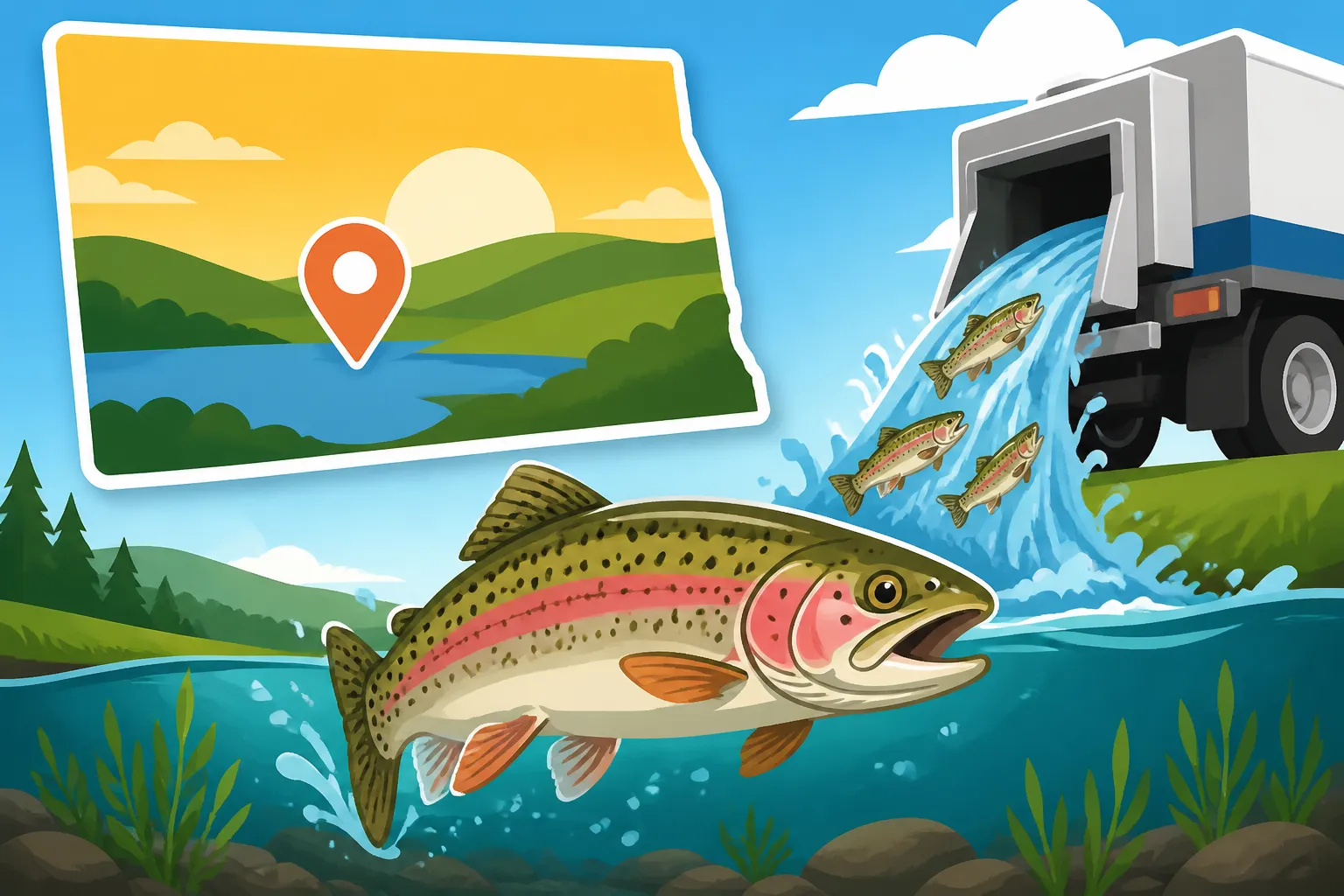
The "put-and-take" model is pretty straightforward: rainbow trout are raised in hatcheries and then released into designated lakes and ponds across the state. The idea is that anglers can then "take" them, providing immediate fishing opportunities. These waters might not have the natural conditions for trout to spawn and sustain their populations year-round, especially through our harsh winters or warm summers, so regular stocking is essential. It's a fantastic way to ensure there's always something different biting, offering a nice change of pace from our prolific walleye and pike.
This approach means that many of these trout fisheries are often in smaller, more accessible bodies of water. Think community ponds, smaller reservoirs, and lakes that might not support large populations of other game fish but are perfect for a stocked trout program. It brings fishing closer to home for many, especially families looking for a fun, often easier, fishing experience. Plus, it helps introduce new anglers to the sport with a species that's generally eager to bite and offers a lively fight on the line.
Why Rainbows Thrive in Stocked Waters
Rainbow trout are an excellent choice for these stocking programs because they are relatively hardy, grow quickly, and adapt well to a variety of water conditions, provided they have adequate oxygen and cooler temperatures. While North Dakota's summers can be warm, many of the selected stocking locations, particularly those with deeper sections or spring-fed sources, can maintain suitable conditions for rainbow trout, at least for part of the year. They're also incredibly popular with anglers due to their beautiful coloring and spirited fight once hooked.
The North Dakota Game & Fish Department meticulously selects these waters, considering factors like water quality, depth, and accessibility. The goal is to maximize angler success and enjoyment. It's a thoughtful process to ensure that when those trout are released, they have the best chance to thrive and provide that exciting fishing experience we all look for. They really help round out the diverse angling options available in our state, from North Dakota Walleye Fishing Guide to North Dakota Northern Pike Fishing Guide, and now, rainbows too!
Prime Locations for Finding Stocked Rainbow Trout
While exact stocking schedules and specific locations can vary from year to year based on hatchery availability and water conditions, there are some consistent regions and types of waters where North Dakota regularly stocks rainbow trout. These are the spots where you have a good chance of finding them, so keep your eyes peeled for official announcements.
Western & Southwestern Hotspots
Many of North Dakota's most consistent rainbow trout stocking efforts are focused in the western and southwestern parts of the state. This region often has reservoirs and ponds that offer suitable habitat, and it helps distribute fishing opportunities across the state.
One prime example is Patterson Lake near Dickinson. This is a very popular spot, not just for trout but for other species too. Its size and depth make it a good candidate for trout survival, and it's easily accessible. Another noteworthy area is North Lemmon Lake, down in Adams County. It's a smaller, quieter lake that often sees regular trout plants, providing a more serene angling experience. Lakes in the Turtle Mountains area, such as Grahams Island State Park nearby, might also see occasional trout stockings, offering beautiful scenery to go with your fishing. Check out Best Fishing Lakes Near Dickinson for more options in that area.
These western waters are often high on the list for stocking simply because they can hold trout well. Anglers who live in or travel to cities like Dickinson, Williston, and Mandan often have a good option for chasing rainbows relatively close by. It’s always a good idea to bring a variety of tackle, from simple worm and bobber setups to small spoons and spinners. You can find a fantastic selection of these smaller, brighter lures on Amazon, perfect for enticing a hungry trout.
Central & Eastern Community Fisheries
Moving east across the state, the stocking program often targets smaller community ponds and accessible lakes. These are fantastic resources for urban and rural anglers alike, providing convenient spots for a quick fishing trip without needing to travel far.
McDowell Dam, just south of Bismarck, is a perennial favorite for rainbow trout stocking. It's a smaller, managed lake that gets regular attention from Game & Fish, making it a very reliable spot. It's particularly popular with families and those looking for shore fishing opportunities. Further east, waters like Mooreton Pond in Clay County also frequently receive rainbow trout. These kinds of smaller, often deeper, ponds are ideal for "put-and-take" fisheries, providing great access and a high likelihood of catching fish. Best Fishing Lakes Near Bismarck often includes spots like McDowell Dam for good reason!
These community fisheries are vital because they make fishing accessible to everyone, regardless of whether they own a boat or have extensive experience. They're perfect places to introduce kids to fishing, as the trout are often quite eager to bite. Remember to check the North Dakota Fishing Rules for Kids and Families before heading out!
State Parks and Accessible Ponds
Many North Dakota State Parks and other managed recreational areas feature smaller ponds and lakes that are part of the rainbow trout stocking program. These locations often come with added amenities like picnic areas, playgrounds, and easy access, making them ideal destinations for a family fishing outing.
While specific names can change, generally any state-managed pond or smaller lake known for recreational use is a potential candidate for trout stocking. These spots often benefit from being regularly monitored and maintained, ensuring good water quality where possible. It's a great way to combine a camping trip or a day at the park with some exciting trout fishing. If you're planning on Fishing in North Dakota State Parks, always check their local regulations and any specific advisories.
The beauty of these accessible ponds is that you often don't need a boat. Shore fishing is usually quite productive, especially right after a stocking event. A simple rod and reel, some power bait or worms, and a small bobber are often all you need for a successful day. It’s a great entry point for new anglers and a relaxing way for experienced folks to enjoy a different kind of challenge.
| Region | Example Waters (Frequently Stocked) | Key Characteristics | Accessibility |
|---|---|---|---|
| Western/Southwest | Patterson Lake (Dickinson), North Lemmon Lake | Deeper, larger reservoirs; popular angling destinations | Good boat ramps, shore access |
| Central/East | McDowell Dam (Bismarck), Mooreton Pond | Smaller, managed community ponds; urban/suburban proximity | Excellent shore access, some piers |
| State Park Ponds | Various (e.g., Grahams Island SP area) | Often scenic, family-friendly; part of recreational areas | Developed access, amenities |
Your Guide to Tracking Down Trout Stocking Information
Knowing where trout are generally stocked is one thing, but knowing when they were last stocked, or where they're going to be stocked, is the real game-changer. The North Dakota Game & Fish Department is your absolute best friend when it comes to this kind of specific, up-to-the-minute information.
Official North Dakota Game & Fish Resources
The North Dakota Game & Fish Department is the primary source for all stocking information. They maintain detailed records and often make public announcements about their stocking efforts. Their official website is usually the first place to check. They often have a dedicated section for "Fishing Reports" or "Stocking Information" that is updated regularly. This is where you'll find the most accurate and timely details, including the specific lakes, the species stocked, and sometimes even the number and size of fish.
Beyond the website, keep an eye on their social media channels or consider signing up for their newsletters. These platforms are often used to quickly disseminate news about recent stocking events, which can be crucial if you want to be among the first to hit the water. Knowing where the fish have just been released gives you a significant advantage, as newly stocked trout are often quite eager to bite as they acclimate to their new environment. For more general information about permits, make sure you understand North Dakota Fishing License Guide and Do You Need a Fishing License to Fish in North Dakota?.
Community Insights and Local Knowledge
While official sources are paramount, don't underestimate the power of local knowledge. Your local bait and tackle shops are invaluable resources. The folks working there live and breathe fishing, and they often get real-time updates from anglers returning from the water, as well as directly from Game & Fish personnel. They can tell you about recent success stories, effective baits, and the general "mood" of the fish in specific lakes. A quick chat can provide insights you won't find online.
Online fishing forums and social media groups dedicated to North Dakota fishing can also be a goldmine of information. Anglers often share their experiences, including where they've had success and heard about recent stockings. Just remember to use a critical eye and verify information where possible, as not everything online is always 100% accurate. But it's a great way to tap into the collective experience of the angling community. Some anglers even use these platforms to discuss the best gear they've found, like certain brands of Best Fishing Tackle for North Dakota Lakes they've ordered from Amazon, which perform well for trout.
Gearing Up and Techniques for North Dakota Rainbow Trout
Once you know where to go, the next step is making sure you have the right gear and a few techniques up your sleeve. Rainbow trout can be caught using a variety of methods, and often, simplicity is key, especially for stocked fish.
Essential Gear for Trout Success
You don't need a huge investment to start trout fishing. A lightweight spinning rod and reel combo is perfect. A 6 to 7-foot ultralight or light action rod paired with a small spinning reel spooled with 4-6 pound monofilament or fluorocarbon line is ideal. This lighter setup allows for longer casts with small lures and makes even a modest trout feel like a trophy. Many excellent and affordable combos are available, and you can often find great deals on a complete Essential Gear Checklist for North Dakota Fishing on Amazon, making it easy to get started.
When it comes to terminal tackle, a small assortment goes a long way. Think about small hooks (size 8-12), split shot weights, and some small bobbers. For bait, prepared trout baits (like powerbait dough or pellets), worms, or even corn are often very effective. For lures, small inline spinners (like Mepps or Rooster Tail in sizes 0-2), tiny spoons (Kastmasters, Little Cleos), and micro jigs are excellent choices. Having a small net to land your fish cleanly and a pair of needle-nose pliers for hook removal will also come in handy.
Effective Fishing Techniques for Stocked Trout
Stocked rainbow trout, especially those newly introduced, are often less wary than their wild counterparts and can be caught with relatively simple techniques.
- Bait Fishing (Still Fishing): This is arguably the most common and effective method for stocked trout. Rig your line with a small hook, a few inches above that, add a small split shot weight, and then a bobber about 1-3 feet above that, depending on the depth. Bait your hook with powerbait (molding it around the hook so it floats off the bottom) or a piece of worm. Cast it out and let it sit. The bobber will tell you when a fish bites. This is a fantastic technique for beginners and patient anglers alike.
- Casting Lures: For more active fishing, small spinners and spoons are deadly. Cast your lure out and retrieve it at a steady pace. The flash and vibration mimic small baitfish or insects, triggering strikes. Experiment with retrieval speeds and depths until you find what the fish are keying in on. Sometimes a twitch or pause can make all the difference. Best Bait for North Dakota Fishing often includes these types of artificial lures for trout.
- Fly Fishing: While perhaps more niche for stocked pond fishing, fly fishing can also be incredibly effective, especially if you enjoy the challenge. Small nymphs, wet flies, and even dry flies can work, particularly during insect hatches. Streamers that imitate small baitfish can also draw aggressive strikes.
No matter your chosen technique, remember that trout often cruise around, so if one spot isn't producing, don't be afraid to move a bit along the shoreline. Observing other successful anglers can also give you valuable clues about what's working on a particular day. Keep an eye on the North Dakota Fishing Season Calendar for any specific seasonal recommendations, though trout often bite well throughout the open water season.
Disclaimer
This article is for general informational purposes only and does not constitute professional advice. Laws, prices and regulations vary by location and change over time. Consult a qualified professional for guidance on your specific situation.