Life Span of a Northern Pike
You've probably spent countless hours on the water, perhaps on a sprawling lake like Sakakawea or a smaller, more intimate spot, and felt that thrilling tug on your line, only to reel in a magnificent Northern Pike. As you admire its impressive size and sharp teeth, a common thought might cross your mind: just how old is this fish? It's a question many anglers ponder, frustrated by the lack of a clear answer visible on the fish itself. This guide aims to pull back the curtain on the life span of Northern Pike in North Dakota, diving into the biological realities, environmental influences, and human impacts that collectively determine how long these formidable predators truly live.
Understanding the Northern Pike's Natural Life Expectancy
The Northern Pike is a fish built for survival, a true apex predator in many freshwater ecosystems. Their torpedo-shaped bodies, camouflaged patterns, and rows of razor-sharp teeth are perfectly adapted for hunting. But even with all these advantages, their time in the water is finite, influenced by a combination of genetics and the world around them.
General Biological Lifespan
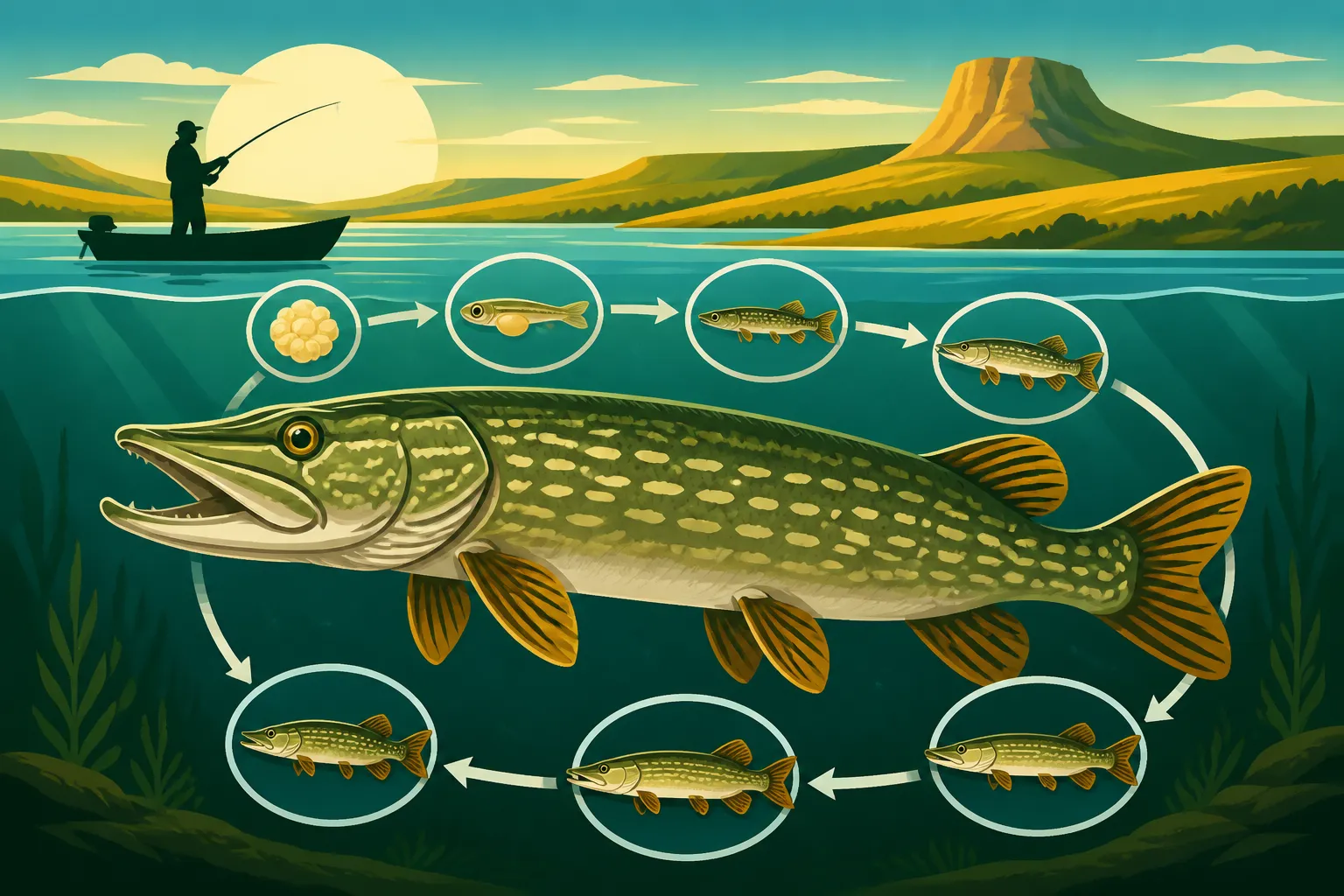
In ideal conditions, a Northern Pike can live a surprisingly long time. While tales of ancient, enormous pike living for decades often circulate among anglers, the scientific reality points to a more modest but still respectable lifespan. Typically, in North Dakota's waters, a Northern Pike can live anywhere from 7 to 15 years. However, exceptional individuals have been documented to reach ages of 20 years or even slightly more in pristine, undisturbed habitats with abundant food and minimal stress. It's fascinating to think that a fish you catch today might have been swimming in those very same waters before you even picked up a fishing rod! The average pike you encounter, especially the ones that make for great table fare, are usually in the 3 to 7-year-old range.
This natural lifespan is a balancing act. For a pike to reach those double-digit years, it needs a perfect storm of favorable conditions. Good genetics play a role, certainly, but so does avoiding disease, evading predators, and consistently finding enough food to fuel their growth and maintain their health. It's a tough life out there, even for a fish at the top of the food chain.
Growth Rates and Their Connection to Age
The size of a Northern Pike doesn't always directly correlate with its age, though there's a general trend. A pike that grows quickly in its early years, thanks to an abundance of food, might reach a larger size faster than a slower-growing fish of the same age. Conversely, a large pike isn't necessarily ancient; it might just be a fast-grower from a particularly rich environment.
In North Dakota, growth rates can vary significantly depending on the specific lake or river. Lakes with a robust forage base, like abundant yellow perch or ciscoes, tend to produce larger, faster-growing pike. When food is plentiful, pike can pack on pounds quickly, reaching impressive lengths within just a few years. For example, a 30-inch pike might be anywhere from 5 to 10 years old, depending on where it grew up. These variations mean that while a 40-inch pike is definitely an older fish, its exact age might be a few years more or less than another 40-inch pike from a different system. We've talked extensively about How Big Do Northern Pike Get in North Dakota? and it's clear that size and age are related but not perfectly linear.
Understanding these growth dynamics is crucial for appreciating the life history of these fish. A healthy, rapidly growing pike indicates a thriving ecosystem, while stunted growth could signal issues like overpopulation or insufficient food sources.
Environmental Factors Impacting Pike Longevity
While genetics provide the blueprint, the environment sculpts the outcome. Northern Pike are remarkably adaptable, but certain environmental conditions can either extend their lives to trophy potential or drastically shorten them.
Habitat Quality and Food Availability
Imagine trying to thrive in a barren wasteland compared to a lush, fertile valley. It's much the same for a Northern Pike. Excellent habitat quality, characterized by clear, well-oxygenated water, plenty of submerged vegetation for ambush points and cover, and abundant prey species, is paramount for a long and healthy life. When these conditions are met, pike have less stress, expend less energy hunting, and are better protected from predators and harsh weather. What Do Northern Pike Eat? is a question often asked, and the answer directly impacts their growth and survival. A diverse and ample diet of panfish, suckers, and even smaller pike can fuel significant growth.
Conversely, poor habitat quality—think silty, stagnant waters, lack of cover, and scarce food—can significantly reduce a pike's lifespan. These conditions lead to increased stress, slower growth, higher susceptibility to disease, and a greater risk of predation. A pike in a stressed environment might reach only a fraction of its potential age and size compared to one in prime habitat. When buying tackle, you'll find a huge array of options on sites like Amazon, but no lure can make up for a lack of healthy forage in the water itself.
Water Temperature and Oxygen Levels
Northern Pike are cool-water fish, meaning they thrive in cooler temperatures. While they can tolerate a range, excessively warm water, especially during the summer months, can be highly stressful. Warmer water holds less dissolved oxygen, which pike need to breathe. Prolonged exposure to high temperatures and low oxygen levels can weaken their immune systems, reduce their feeding activity, and ultimately shorten their lives.
North Dakota's climate, with its cold winters and often warm summers, presents a challenge. Lakes with deeper areas or cold springs provide crucial thermal refugia during summer heatwaves. Without these, pike populations can suffer, leading to reduced overall lifespans. During the winter, however, the cold, oxygen-rich water under the ice is ideal for pike, allowing them to remain active and feed effectively, often making for some of the best ice fishing opportunities. We often cover Ice Fishing for Northern Pike With Tip-Ups for this reason.
Climate and Seasonal Extremes
North Dakota is no stranger to extreme weather. Harsh winters, early or late ice-outs, and intense summer heatwaves can all play a role in a pike's survival. A particularly long, severe winter, for example, could lead to winterkill events if snow cover is too thick, preventing light penetration and causing oxygen depletion in shallow lakes. Similarly, prolonged droughts can lower water levels, reducing habitat and concentrating fish, making them more vulnerable to predation and stress.
These environmental fluctuations are part of life for North Dakota's fish. The resilience of the Northern Pike population depends on its ability to bounce back from these extremes, which often relies on robust spawning success in favorable years. Knowing When Do Northern Pike Spawn in North Dakota? is key to understanding population dynamics and overall health.
The Role of Predation and Competition in Pike Lifespans
Even at the top of the food chain, Northern Pike aren't immune to the challenges of survival. From their earliest days as tiny fry to their later years as dominant predators, they face threats from other creatures and competition for vital resources.
Natural Predators of Northern Pike
It might seem hard to imagine something preying on a large, toothy pike, but the circle of life in North Dakota's aquatic environments is always turning. Young pike, especially fry and fingerlings, are vulnerable to a wide array of predators. Larger fish, including other pike, walleye, and even large bass, will readily consume smaller pike. Birds like ospreys and eagles also snatch young pike from the shallows. Mammals such as otters and even larger predatory birds like great blue herons can also take a toll on smaller pike.
As pike grow larger, their list of natural predators shrinks considerably. However, an injured or sick adult pike can still become prey for a larger, healthier pike, or occasionally a large bird of prey if it's near the surface. While natural predation helps to keep populations in balance, a sudden increase in predator numbers or a decline in alternative food sources can put additional pressure on young pike, affecting their survival into adulthood.
Competition for Resources
Life in the lake isn't just about avoiding being eaten; it's also about finding enough to eat. Northern Pike are highly competitive, especially with their own kind. If a lake becomes overpopulated with pike, or if the prey base declines, competition for food can become intense. This often leads to slower growth rates, increased stress, and a higher mortality rate, particularly for smaller, less dominant individuals.
In systems where pike are overabundant, you might find many "hammer handle" pike – thin, long fish that never quite reach trophy size because there simply isn't enough food to go around. This stunted growth is a clear indicator of intense competition and can impact the overall health and average lifespan of the pike population. Understanding the dynamics of a healthy pike population versus an overpopulated one is a crucial aspect of fisheries management in North Dakota. For anglers aiming for those impressive catches, Trophy Northern Pike Waters in North Dakota are those that have a balanced predator-prey ratio.
Human Influence: Fishing Pressure and Management
Humans, through fishing and fisheries management, exert a significant influence on the life span of Northern Pike. Our actions can either contribute to their longevity or reduce it, highlighting the importance of responsible angling practices.
Catch-and-Release vs. Harvest
The decision to keep a pike or release it back into the water has a direct impact on its potential lifespan. When an angler harvests a pike, that fish's life journey ends. While harvesting is a legitimate and enjoyable part of fishing, especially for species like Northern Pike which make excellent table fare, excessive harvest can reduce the number of older, larger fish in a population.
Catch-and-release fishing, when done properly, allows pike to potentially live longer lives. However, it's not without its risks. The stress of being caught, handled, and released can sometimes lead to post-release mortality, especially if the fish is deeply hooked, handled roughly, or released into very warm water. Using appropriate gear, such as strong lines, quick-release hooks, and tools like jaw spreaders and long-nosed pliers (many types available on Amazon), can minimize stress and increase the chances of survival. Knowing proper Northern Pike Casting Techniques and quick landing methods can also help. The goal is to get the fish back in the water as quickly and gently as possible.
Regulations and Conservation Efforts
North Dakota's Game and Fish Department plays a vital role in managing pike populations to ensure their long-term health and, by extension, their potential lifespan. Regulations such as daily limits, possession limits, and size restrictions are put in place to balance angler harvest with the sustainability of the fishery. For instance, you can find the specific details on the North Dakota Northern Pike Daily Limit which often includes special provisions for larger trophy fish. These rules are not arbitrary; they are carefully designed based on scientific data about pike growth rates, spawning success, and population dynamics in various lakes.
Fisheries biologists monitor pike populations through netting surveys and angler creel surveys. They assess factors like average size, age structure, and health to determine if regulations need to be adjusted. Stocking programs, habitat improvements, and public education are other tools used to support healthy pike populations. By adhering to these regulations and supporting conservation efforts, anglers directly contribute to the conditions that allow Northern Pike to thrive and reach their maximum potential lifespan. It's a partnership between nature and stewardship.
How to Estimate a Northern Pike's Age
While you can't ask a pike how old it is, scientists and even experienced anglers have methods to estimate their age, providing valuable insights into their life history.
Scientific Methods of Age Determination
Fisheries biologists use precise scientific methods to determine a fish's age. The most common technique involves examining bony structures that grow in rings, much like tree rings. For Northern Pike, scales or the cleithrum bone (a bone located just behind the gill plate) are often used. These structures add a new growth ring each year. By carefully removing a scale or the cleithrum bone and examining it under a microscope, biologists can count these annuli (growth rings) to determine the fish's exact age.
This method provides accurate data that is crucial for understanding population demographics, growth rates, and the overall health of a fishery. This information helps shape the regulations we follow and ensures sustainable fishing for future generations. For instance, if surveys show a lack of older, larger pike, it might indicate issues with harvest rates or environmental factors affecting longevity. When you're identifying a pike, remember that Northern Pike Identification in North Dakota can sometimes even involve looking at these growth patterns if you're a biologist.
Angler Observations and Growth Expectations
For the average angler, without a microscope and specialized training, estimating a pike's age on the water is more of an educated guess based on size and general knowledge. A short, skinny pike is likely younger or stressed, while a long, girthy fish is almost certainly older and has had a good run of finding food.
Here's a general table illustrating approximate age ranges for Northern Pike based on length, though remember this can vary significantly by water body:
| Length (Inches) | Approximate Age (Years) | Notes |
|---|---|---|
| 15-20 | 1-3 | Fast growth in early years, often "hammer handle" size. |
| 20-25 | 3-5 | Common keeper size, good eating fish. |
| 25-30 | 5-8 | Reaching a respectable size, showing maturity. |
| 30-35 | 8-12 | Solid adult pike, often considered a good trophy. |
| 35-40 | 10-15 | Large, older fish, impressive catch. |
| 40+ | 15+ | True trophy fish, very rare, often from highly productive waters. |
When you catch a truly massive pike, one that breaks the 40-inch mark, you can be fairly confident that you're holding a fish that has lived a long and successful life. These individuals have survived countless challenges, grown through many seasons, and contributed significantly to the gene pool. Releasing these giants, if you choose to, helps ensure these strong genetics continue in the population. The experience of landing such a fish, knowing its potential age, adds an incredible layer of appreciation to the sport of fishing. You can even find books on fish aging and biology on Amazon if you want to dive deeper into these fascinating topics.
Disclaimer
This article is for general informational purposes only and does not constitute professional advice. Laws, prices and regulations vary by location and change over time. Consult a qualified professional for guidance on your specific situation.