North Dakota Walleye State Record Weight
For many anglers in North Dakota, the dream isn't just about catching a walleye; it's about landing that once-in-a-lifetime monster, the kind that truly tests your line and your resolve. You've probably heard whispers of truly massive walleye pulled from our big lakes, and it's natural to wonder just how big these fish can get, specifically, what's the actual state record weight. This guide is going to peel back the layers on North Dakota's official walleye state record, giving you the concrete numbers and a deeper understanding of what it takes to catch a fish of such legendary proportions.
The Elusive North Dakota Walleye State Record: What's the Official Weight?
Ah, the North Dakota walleye state record! It's a number that lives rent-free in the heads of countless anglers across the state, a benchmark for what's truly possible in our waters. Everyone dreams of being the one to etch their name into the history books. While many fantastic walleye are caught every year, only one can hold the top spot.
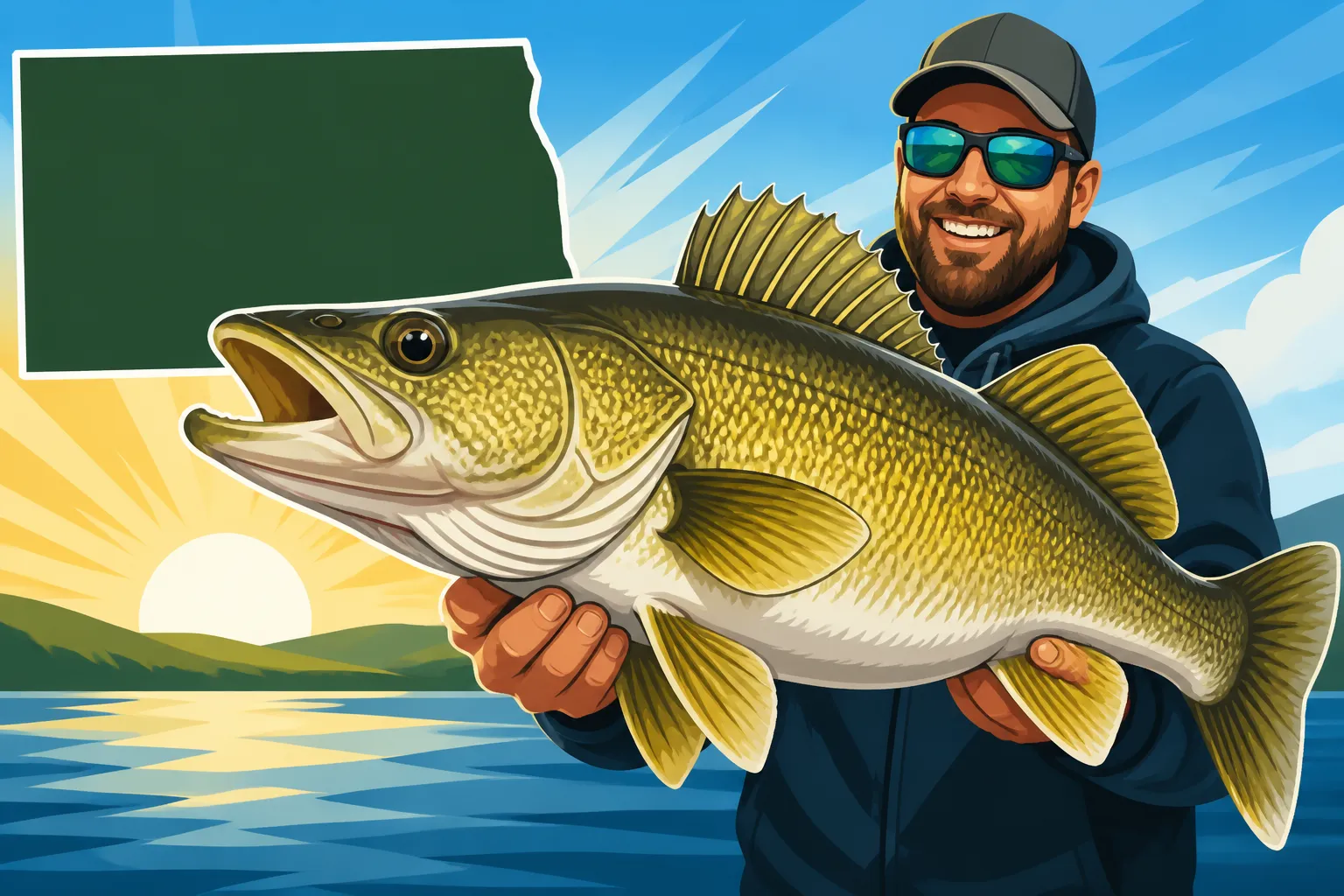
The official North Dakota walleye state record stands at a colossal 15 pounds, 13 ounces. Just imagine holding a fish of that magnitude! It's not merely a big walleye; it's a true behemoth, a testament to the rich forage and excellent habitat found in some of our premier fishing destinations. This is the fish that all other trophy walleye are measured against, the one that inspires countless early mornings and late nights out on the water. It represents the pinnacle of North Dakota walleye fishing, a fish that had everything go right for it over many years to reach such an incredible size.
Unpacking the Record-Setting Catch
A fish weighing nearly 16 pounds is a rare occurrence anywhere, but especially in North Dakota where the season brings extreme temperature swings. This isn't a fish that was caught on a whim or by accident; it's often the result of immense patience, skill, and a little bit of pure angler's luck, combined with a fish that had an exceptional life cycle. When you consider the average size of walleye caught in North Dakota, which often falls in the 2-5 pound range for a good "eater," a fish almost four times that size is truly extraordinary. It speaks to the potential for truly massive fish in our state's aquatic ecosystems.
Many factors contribute to a walleye reaching such an impressive size. We're talking about years of successful feeding, avoiding predators, surviving harsh winters, and finding abundant food sources. This record isn't just about one angler's achievement; it's a reflection of the health and productivity of the lake it came from. It shows that North Dakota's waters can, and do, produce some of the largest walleye found anywhere. For more on what these giants need to thrive, check out our guide on Walleye Habitat on Lake Sakakawea.
Why This Record Holds Such Prestige
The state record isn't just a number; it's a symbol. It symbolizes the dream that drives so many of us out onto the ice or across the open water. Every time you cast a line or drop a jig, there's that flicker of hope that this might be the one. The walleye is North Dakota's most popular game fish, and for good reason. They're challenging to catch, put up a good fight, and are absolutely delicious on the dinner table. To land one that shatters all expectations, exceeding the typical "trophy" mark by a significant margin, is the ultimate angling accomplishment.
It also serves as a reminder of the incredible resources we have in North Dakota. Our Game and Fish Department works tirelessly on fisheries management, stocking programs, and habitat preservation, all of which contribute to the potential for these fish to grow huge. The record provides bragging rights, of course, but more importantly, it offers inspiration. It tells every angler, from the seasoned veteran to the beginner, that with enough dedication and a bit of fortune, the next cast could yield a fish that rewrites the record books. It fuels the passion for the sport and encourages exploration of our vast and varied fishing grounds.
The Legendary Tale: The Angler and the Record Walleye
While the exact details, like the angler's name and the precise date, are often subject to the passage of time and official record-keeping, the story of how a 15-pound, 13-ounce walleye came to be the state record is a fascinating one. These fish aren't caught every day, and their capture often involves a compelling narrative of dedication, challenging conditions, and a moment of pure angling magic.
Most record-setting fish aren't taken on light tackle or by accident. They are often the result of an angler specifically targeting large fish, using techniques and gear suited for heavyweights. Imagine the adrenaline rush as you feel a pull unlike any other, the slow, powerful head shakes, and the sheer weight of something truly massive on the end of your line. It's a battle of wits and strength, where every second feels like an eternity.
The Moment of Truth: Catching a Giant
The moment a record walleye is hooked is often described as surreal. It's not the typical snappy tug of a smaller fish; it's a heavy, deliberate fight. Anglers often report a feeling of disbelief as they realize the sheer size of what they've hooked. The line screams, the rod bends, and the heart pounds. The challenge isn't just getting the fish to the boat or the ice hole, but handling it carefully once it's there. This means having the right net – one large enough to cradle a giant – and knowing how to properly land and weigh such a significant catch without causing harm to the fish (if it's intended for release) or losing it at the last second.
Proper measurement and weighing are crucial for any potential record. This usually involves a certified scale, accurate measurements of length and girth, and often witnesses. The North Dakota Game and Fish Department has a strict process for certifying state records, ensuring that every claim is thoroughly vetted. This dedication to accuracy is what gives the state record its legitimacy and makes it such a prestigious title to hold. For those interested in the rules surrounding big fish, our North Dakota Fishing Regulations Explained guide provides excellent background.
Where the Monster Lurked: The Record Location
The current North Dakota walleye state record was pulled from the mighty Lake Sakakawea. This shouldn't come as a huge surprise to seasoned North Dakota anglers. Lake Sakakawea is a sprawling reservoir on the Missouri River system, renowned for its immense size, diverse structure, and incredibly fertile waters. It's a prime habitat for walleye, offering a smorgasbord of forage, deep-water sanctuaries, and expansive flats where these fish can grow to truly epic proportions.
The sheer scale of Lake Sakakawea provides everything a walleye needs to become a true giant: abundant prey like smelt and cisco, vast areas for migration, and deep, cold water that allows them to thrive and gain weight year after year. While Devils Lake also produces incredible walleye, Devils Lake Fishing Guide for North Dakota Anglers focuses on its own unique appeal. Lake Sakakawea's status as the home of the record underscores its reputation as one of the premier walleye fisheries in the entire country. Fishing these waters can be intimidating due to their size, but the rewards, as evidenced by the state record, can be monumental. To learn more about this incredible fishery, check out our Lake Sakakawea Fishing Guide for North Dakota Anglers.
Beyond the Record: What Makes North Dakota Walleye Grow So Big?
The 15-pound, 13-ounce walleye didn't just appear out of thin air; it's the product of years of perfect conditions and a robust ecosystem. Understanding what allows walleye to reach such monumental sizes is key, not just for state records, but for consistently catching larger fish. North Dakota's unique aquatic environments, particularly its large reservoirs and natural lakes, provide an ideal breeding ground for trophy-class walleye.
It's a delicate balance of factors: genetics, food availability, water quality, and fishing pressure. When all these elements align perfectly over a long period, you get a fish that pushes the boundaries of what we thought possible. Our state's waters are known for their productivity, supporting healthy populations of baitfish that walleye depend on. This abundant food source is perhaps the single most critical factor in growing giant fish.
Prime Habitats for Trophy Walleye
Trophy walleye don't just hang out anywhere; they seek out specific habitats that offer a combination of food, cover, and favorable environmental conditions. In North Dakota, this often means large, deep lakes and reservoirs with plenty of complex structure. Think about the massive main lake basins and long arms of Lake Sakakawea, or the flooded timber and rock piles of Devils Lake. These areas provide the perfect ambush points and resting spots for mature walleye.
Deep water access is crucial, especially in summer, as it offers cooler temperatures and higher oxygen levels. Adjacent to these deep zones, you'll often find expansive flats or points that serve as feeding grounds. Walleye are opportunistic predators, and these areas where baitfish congregate are their preferred hunting grounds. Lakes with a good mix of sandy bottoms, rocky reefs, and even submerged vegetation provide diverse ecosystems that support a wide variety of prey species, leading to healthier, larger walleye. Knowing where these fish prefer to live is the first step in targeting them effectively, which is covered in depth in Best Walleye Lakes in North Dakota.
The Role of Food, Forage, and Management
The old saying "you are what you eat" holds true for walleye, too. For a walleye to reach nearly 16 pounds, it needs an incredible amount of high-quality forage throughout its life. In North Dakota's trophy waters, this often means an abundance of oily baitfish like smelt, cisco, and even plentiful populations of yellow perch. These calorie-dense food sources provide the energy and nutrients necessary for rapid growth and substantial weight gain. When populations of these forage fish are booming, walleye thrive.
Beyond natural forage, effective fisheries management by the North Dakota Game and Fish Department plays a vital role. This includes responsible stocking programs, especially in waters where natural reproduction might be limited. Additionally, regulations like North Dakota Walleye Size Limit Rules and daily creel limits are put in place to protect mature spawning fish and ensure that enough walleye survive to reach trophy sizes. These management strategies, combined with the natural fertility of our lakes, create an environment where truly giant walleye are not just a possibility, but a reality.
Your Quest for a Trophy: Tips for Chasing North Dakota's Big Walleye
So, you're inspired by the state record and dreaming of your own trophy walleye? That's the spirit! While catching a state record is a monumental feat, consistently catching large walleye is an achievable goal for dedicated anglers in North Dakota. It requires understanding walleye behavior, using the right techniques, and having the appropriate gear. Remember, even if you don't break the record, the pursuit itself is incredibly rewarding.
The biggest mistake many anglers make when targeting trophy fish is using gear that's too light or techniques that are only effective for smaller, more aggressive fish. Giants are often more wary and require a different approach. They've survived many seasons by being smart, so you need to be even smarter. This means paying attention to details, from your line choice to the action of your lure.
Key Techniques for Targeting Large Walleye
When it comes to big walleye, subtlety and persistence often pay off. While aggressive jigging or fast trolling can catch plenty of smaller fish, trophy walleye often respond better to slower presentations or specific patterns. Here are a few techniques to consider:
- Slow Trolling Deep Diving Crankbaits: Especially effective in large reservoirs like Lake Sakakawea, where big walleye often suspend over deep water or along breaklines. Use crankbaits that can reach depths where these fish lurk. Pay attention to your electronics to identify baitfish schools, as large walleye won't be far behind. This is a tactic that often works well during the prime "trophy season."
- Big Baits for Big Fish: Don't be afraid to size up your presentation. Large live minnows (if legal and available), sizable swimbaits, or hefty jigging spoons can entice a sluggish lunker that might ignore smaller offerings. Trophy walleye are looking for a meal that's worth the energy expenditure.
- Focus on Low-Light Conditions: Walleye are notoriously light-sensitive. The hours around dawn and dusk, and often into the night, are prime times for targeting large fish, especially during warmer months. They'll move shallower to feed under the cover of darkness.
- Structure Fishing: Concentrate your efforts on distinct underwater structures – deep humps, submerged points, rock reefs, and transitions in bottom composition. These are magnets for baitfish, and consequently, for big walleye. Learning to interpret your sonar and mapping to find these features is invaluable.
For more in-depth knowledge on specific strategies, our North Dakota Walleye Fishing Techniques guide is a fantastic resource.
Essential Gear for Landing a Monster
Landing a 10-plus pound walleye requires confidence in your equipment. You don't want to lose the fish of a lifetime because of a weak knot or a flimsy net. Here's a rundown of essential gear:
- Heavy-Duty Rod and Reel: While you don't need muskie gear, a medium-heavy spinning or baitcasting rod with enough backbone to handle a powerful fish is crucial. Pair it with a reliable reel spooled with strong, abrasion-resistant line (braid is a popular choice for its sensitivity and strength). Look for quality brands like those found on Amazon that offer durable, high-performance combos suitable for big fish.
- Quality Line: Choose a strong, low-stretch main line, like braided line, especially for jigging or deep-water presentations. Consider a fluorocarbon leader for abrasion resistance and stealth, as big walleye can be line-shy. Check out Best Fishing Line for North Dakota Lakes for more details.
- Large Landing Net: This is non-negotiable. A net with a wide hoop and deep, rubberized mesh will protect the fish and prevent hooks from getting tangled. Trying to hand-land a giant walleye is a recipe for disaster.
- Fish Grips/Boga Grip (Optional but Recommended): These tools can help you safely handle a large, toothy walleye for photos and unhooking, minimizing stress on the fish and keeping your fingers safe.
- Certified Scale: If you're serious about the possibility of a record, invest in a reliable, certified digital scale. You'll need an accurate weight to even consider a claim. Many excellent options are available on Amazon.
- Appropriate Tackle: Stock up on heavier jigs, larger crankbaits, and robust hooks. These fish aren't afraid of a bigger meal, and you need tackle that can stand up to their power. For recommendations, see Best Jigs for North Dakota Walleye and Best Crankbaits for North Dakota Walleye.
| Walleye Size Category | Typical Weight Range | Notes |
|---|---|---|
| Average Keeper | 1-4 pounds | Common catch, good for eating. |
| Good Angler's Trophy | 5-9 pounds | Solid, memorable fish; often sought after. |
| Exceptional Trophy | 10-14 pounds | Truly large, rare catch; often a lifetime best for many. |
| North Dakota State Record | 15 pounds, 13 ounces | The absolute pinnacle; a legendary fish. |
Always remember that fishing for trophy walleye is a journey. It takes time on the water, learning from successes and failures, and a deep appreciation for the incredible natural resources North Dakota has to offer. Good luck on your quest, and maybe, just maybe, you'll be the one to rewrite the record books!
Disclaimer
This article is for general informational purposes only and does not constitute professional advice. Laws, prices and regulations vary by location and change over time. Consult a qualified professional for guidance on your specific situation.