Best Eating Fish in North Dakota
It’s a truly satisfying feeling, isn't it? You’ve spent a day enjoying the wide-open spaces of North Dakota, felt the tug on your line, and now you're wondering which of your hard-earned catches will taste the absolute best when it hits the dinner table. It's a common question, and frankly, a good one! Not every fish is created equal when it comes to culinary delight, and knowing which species to prioritize for a fresh meal can elevate your entire fishing experience. This guide will walk you through North Dakota's top eating fish, giving you all the details on why they're so delicious and how to prepare them for the ultimate meal.
The Top Contenders for Your Dinner Plate in North Dakota
When you ask seasoned North Dakota anglers about the best eating fish, a few species consistently rise to the top of the list. These aren't just good fish; they're genuinely fantastic table fare, known for their delicate flavors and flaky textures.
Walleye: The Undisputed King of the Table
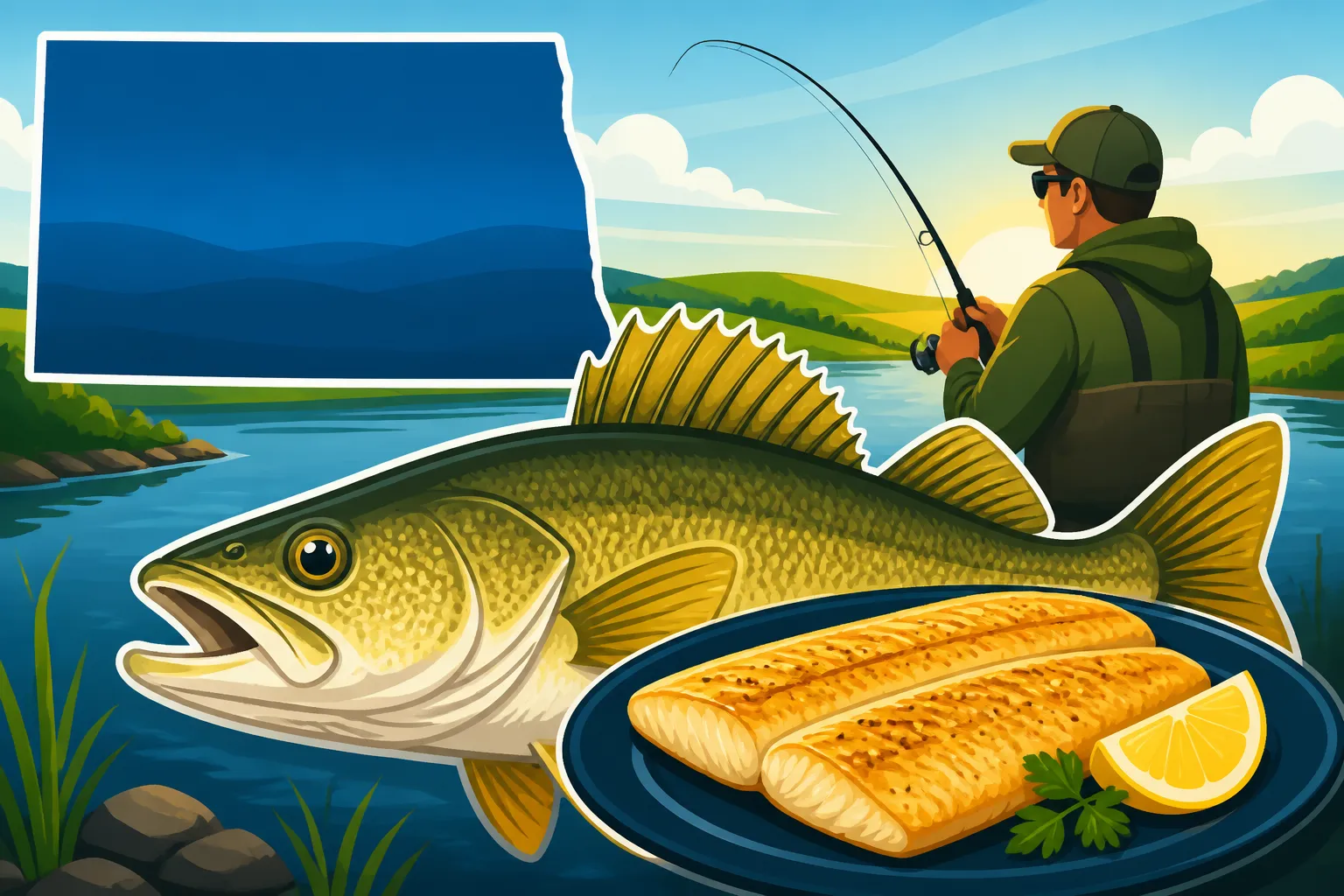
Let's be honest, if there's one fish that epitomizes deliciousness in North Dakota, it’s the walleye. There's a reason it's so sought after by anglers across the state, from the sprawling waters of Lake Sakakawea to the depths of Devils Lake. North Dakota Walleye Fishing Guide will tell you all about catching them, but when it comes to eating, walleye simply shines.
The flesh of a walleye is famously white, firm, and flaky, with a mild, sweet flavor that's never "fishy." It holds together beautifully whether you’re frying, baking, broiling, or grilling it. Many folks believe Is Walleye the Best Tasting Fish in North Dakota?, and it’s hard to argue with them once you’ve experienced a perfectly cooked walleye fillet. Its adaptability in the kitchen is a huge plus, making it a favorite for simple shore lunches cooked over an open fire or more elaborate dinners at home. The clean, freshwater taste is truly unparalleled, making every bite a reminder of the clear, cold waters where it was caught.
Yellow Perch: Panfish Perfection
Ah, yellow perch! While perhaps not as large as a walleye, these little beauties pack a huge punch in the flavor department. Often overlooked by those solely chasing trophy fish, any angler who's fried up a batch of fresh perch will tell you they are simply divine. You can learn more about finding them in our North Dakota Yellow Perch Fishing Guide.
Yellow perch have a wonderfully sweet, nutty flavor and a delicate, flaky texture that's absolutely perfect for pan-frying. They're often referred to as "panfish" for a reason – they fit perfectly in a hot skillet and cook up quickly to a golden crisp. The fillets are small, so it takes a few to make a meal, but the effort is well worth it. There’s something incredibly satisfying about a plate piled high with crispy, golden perch fillets, especially after a successful day on the ice or a calm evening on the lake. They're particularly popular for ice fishing season, as they tend to school up and can offer fast action and a delicious reward. Yellow Perch and Panfish Daily Limits Explained ensures you know how many of these tasty treats you can bring home.
Crappie: Another Panfish Delight
Right alongside yellow perch, crappie are another fantastic panfish option for your dinner table. Whether you're targeting black crappie or white crappie, their delicate white meat is a treat. Our North Dakota Crappie Fishing Guide can help you locate these tasty fish.
Crappie offer a very similar eating experience to yellow perch: a mild, sweet flavor with a fine, flaky texture. They fry up wonderfully, developing a beautiful golden crust while staying moist and tender inside. They're a favorite for fish fries and casual gatherings, offering a taste that appeals to even those who might be hesitant about "fishy" flavors. Catching a mess of crappie can make for an incredible feast, and they're often found in good numbers, making for a productive and delicious outing.
Smaller Northern Pike: A Culinary Surprise
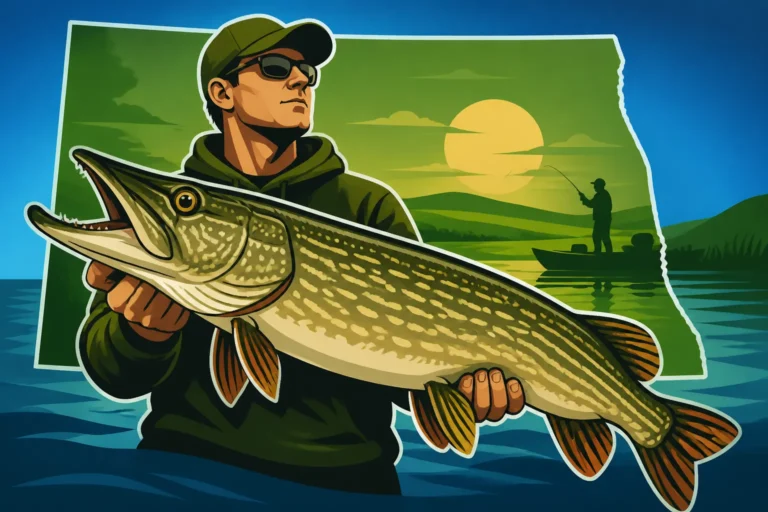
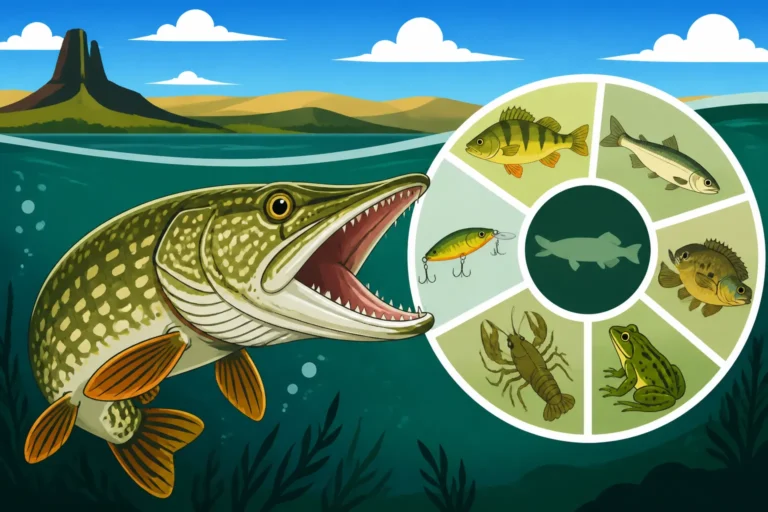
Northern pike sometimes get a bad rap as table fare, and honestly, some of it is deserved if you don't know how to handle them. Larger pike can have tougher, more pronounced-tasting meat, but the smaller to medium-sized pike (often referred to as "hammer handles") can be surprisingly delicious. The key is proper filleting and preparation. Learn more about pursuing these toothy critters in our North Dakota Northern Pike Fishing Guide.
The main challenge with northern pike is their Y-bones, which can make filleting intimidating. However, with a bit of practice and the right technique, you can easily remove these bones and be left with boneless, flaky fillets. Our guide on How to Fillet a Northern Pike Without Bones is an absolute lifesaver here. Once properly filleted, pike meat is white, firm, and has a clean, mild flavor that's quite similar to walleye, though perhaps a touch firmer. It's excellent fried, baked, or even used in fish patties. Don't let the bones deter you; a properly prepared smaller pike is absolutely worth the effort. And if you're curious about the general consensus, you can check out Are Northern Pike Good to Eat?.
Channel Catfish: The Underrated Deliciousness
Channel catfish might not have the same pristine reputation as walleye for some, but I'm here to tell you that they are incredibly delicious, especially the ones caught from clean, moving water like the Red River or Lake Oahe. North Dakota Channel Catfish Fishing Guide delves into how to catch them.
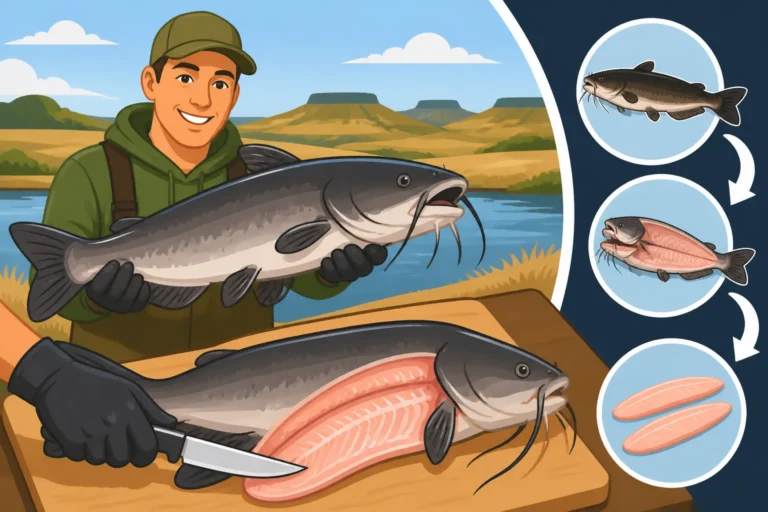
Catfish meat is firm, flaky, and has a distinct, sweet flavor that stands up well to various seasonings and cooking methods. When caught from good water, the meat is white and can be a real delicacy. The "muddy" taste that some people associate with catfish is usually from fish caught in stagnant or poor-quality water; North Dakota’s healthy river and lake systems produce some fantastic-tasting channel cats. They’re excellent battered and fried, grilled, or even baked. Just like pike, proper cleaning is essential to maximize flavor and avoid any off-notes. Our guide on How to Clean a Channel Catfish will walk you through the process, ensuring you get the best possible fillets for your meal. You might be pleasantly surprised to find out Are North Dakota Channel Catfish Safe to Eat?, and the answer is usually a resounding yes!
Sauger: The Walleye's Cousin
Often mistaken for walleye, the sauger is another fantastic eating fish found in North Dakota, particularly in rivers like the Missouri and its impoundments. If you've ever had walleye and loved it, you'll likely love sauger too.
Sauger have incredibly fine, white, flaky meat that is very similar in texture and flavor to walleye, perhaps even a bit more delicate. They typically don't grow as large as walleye, but what they lack in size, they more than make up for in taste. They cook up beautifully using any method you'd use for walleye – frying, baking, or grilling. Many anglers find it hard to distinguish between sauger and walleye on the plate, which is high praise indeed. If you're wondering Is Sauger Good to Eat?, the answer is an enthusiastic yes!
Factors Influencing Fish Taste and Quality
It's not just about the species; several factors can significantly impact how your North Dakota catch tastes when it reaches your plate. Understanding these can help you ensure every fish you keep is a culinary delight.
The Impact of Water Quality and Habitat
Think about it: what a fish lives in and eats profoundly affects its flavor. Fish from clean, cold, well-oxygenated waters generally taste better, with a milder, less "fishy" flavor. This is why fish from large, deep lakes like Sakakawea or rivers with strong currents like the Missouri and Red River often have superior taste profiles compared to fish from smaller, warmer, or murkier ponds.
For instance, a walleye caught from the deep, clear waters of Lake Sakakawea, which feed on a healthy diet of baitfish, will often have a pristine flavor. The same goes for channel catfish from the Red River's moving currents. Conversely, fish from shallow, warm sloughs with muddy bottoms might absorb some of those earthy flavors, leading to a more "gamey" taste. So, when you're deciding what to keep, consider where it was caught. The better the water quality, the higher the likelihood of a clean-tasting fish.
Size, Age, and Diet: More Than Just a Number
It’s often said that smaller, younger fish tend to taste better than older, larger ones, and there's a good deal of truth to that. Younger fish typically have more delicate, less developed flavors and finer textures. For species like northern pike, this is particularly true; those "hammer handle" pike are often far superior eating than a massive, old trophy fish.
The fish's diet also plays a crucial role. Fish that primarily feed on smaller baitfish, like walleye and perch, tend to have that desirable mild, sweet flavor. Their diet doesn't introduce strong, unusual tastes. Fish that forage on bottom-dwelling insects or plants might have a different flavor profile, sometimes leaning towards a more earthy taste. It's all part of the natural ecosystem, but something to keep in mind if taste is your top priority.
Post-Catch Care: The Unsung Hero of Flavor
This is arguably one of the most critical, yet often overlooked, factors in fish quality. How you handle your fish immediately after catching it makes a huge difference in how it tastes. A fish left to flop around in a warm livewell or on a stringer for hours will degrade in quality much faster than one properly cared for.
The golden rule for maximizing flavor is simple: get your fish on ice, quickly.
- Bleed the fish: For many species, especially larger ones like walleye, catfish, and pike, bleeding the fish immediately after catching it can dramatically improve flavor. This removes blood from the flesh, which is often responsible for "fishy" tastes. A quick cut to the gills and letting it bleed out in a bucket of water or directly into the lake for a few minutes (ensure it's done legally and respectfully) can make a world of difference.
- Ice it down: Once bled, get your fish into a Best Cooler for Keeping Fish on Ice All Day filled with ice. Not just a few cubes, but enough ice to thoroughly chill the fish and keep them cold. This slows down rigor mortis and bacterial growth, preserving the fresh flavor and firm texture of the meat. A good quality cooler from brands you find on Amazon can make this much easier to achieve, especially on longer trips.
Neglecting these steps means the fish's natural enzymes start breaking down the flesh, leading to a softer texture and a stronger, less appealing taste. Proper care ensures that when you go to fillet them, you're starting with the highest quality product.
Maximizing Flavor: From Lake to Plate
You've caught your fish, you've kept them cold – now it's time to turn them into a meal. Even the best eating fish can be ruined by poor preparation, so here are some tips to ensure your North Dakota catch is as delicious as possible.
Proper Filleting and Skinning
Once your fish are cold, the next step is filleting. This is where you transform a whole fish into clean, ready-to-cook portions.
- Sharp Knives are Key: A sharp fillet knife is essential. It makes the job easier, safer, and results in cleaner fillets. Whether you prefer a traditional blade or an electric fillet knife, investing in quality gear, perhaps something you’ve researched on Amazon, is well worth it. Our Best Fillet Knives for Walleye and Pike guide offers some great suggestions.
- Remove the Skin: For most freshwater fish, especially walleye, perch, and crappie, removing the skin is crucial. The skin can often hold a stronger flavor and sometimes a bit of that "fishy" taste, even from good water. Plus, many people simply prefer skinless fillets for a cleaner eating experience.
- Trim Dark Meat: On some species, particularly larger pike and catfish, you might notice a thin line of darker, reddish meat along the lateral line. This meat tends to have a stronger flavor. Trim it away to ensure the mildest, sweetest possible taste.
- Rinse Thoroughly: After filleting, give your fillets a quick rinse in cold water to remove any scales, blood, or stray bits of bone. Pat them dry thoroughly with paper towels before cooking, as excess moisture can hinder browning and crispness.
Simple Seasonings Let the Fish Shine
When you have fresh, high-quality fish, you don't need to overwhelm it with heavy sauces or spices. The beauty of these North Dakota species is their inherent, delicate flavor.
- Salt and Pepper: Seriously, sometimes this is all you need. A good sprinkle of kosher salt and freshly ground black pepper can enhance the natural flavors without masking them.
- Lemon: A squeeze of fresh lemon juice brightens up almost any fish. It adds a touch of acidity that complements the mild sweetness.
- Dill or Parsley: Fresh herbs like dill or parsley offer a subtle, aromatic lift that pairs beautifully with white fish.
- Light Breading: For pan-frying, a light dusting of seasoned flour, cornmeal, or a simple breading mixture (like a fish fry mix you can find online or at your local tackle shop) adds a wonderful crispy texture without overpowering the fish.
Common Cooking Methods for North Dakota Fish
The versatility of North Dakota's best eating fish means you have many delicious options for cooking them.
| Fish Species | Flavor Profile | Texture | Common Cooking Methods |
|---|---|---|---|
| Walleye | Mild, sweet, clean | Flaky, firm | Pan-fry, bake, broil, grill, deep-fry, sauté |
| Yellow Perch | Sweet, nutty, mild | Delicate, flaky | Pan-fry, deep-fry, bake |
| Crappie | Mild, sweet, clean | Fine, flaky | Pan-fry, deep-fry, bake, sauté |
| Northern Pike | Mild, clean (smaller) | Firm, white | Pan-fry, bake, deep-fry, make fish patties (after Y-bone removal) |
| Channel Catfish | Sweet, distinct, earthy (clean water) | Firm, moist | Pan-fry, deep-fry, grill, bake |
| Sauger | Very mild, delicate | Fine, flaky | Pan-fry, bake, broil, deep-fry |
- Pan-Frying: This is probably the most popular method for walleye, perch, and crappie. A hot pan with a little oil or butter, a light breading, and a few minutes per side yield a perfectly golden, crispy exterior and a tender, moist interior.
- Baking/Broiling: If you're looking for a healthier option or cooking for a crowd, baking or broiling fillets is fantastic. A simple seasoning, a pat of butter, and a slice of lemon on top are often all it takes. This method really lets the natural flavor of the fish shine through.
- Grilling: Larger, firmer fillets like walleye or catfish can be excellent on the grill. Marinating them briefly or brushing with olive oil and seasonings prevents sticking and adds flavor. The smoky char from the grill adds another layer of deliciousness.
- Deep-Frying: For a classic fish fry, especially with perch, crappie, or even smaller walleye pieces, deep-frying creates an irresistible crispy crust. Just be sure your oil is at the right temperature for best results.
No matter which method you choose, remember that fresh fish cooks quickly. Overcooking is the quickest way to ruin a beautiful fillet, making it dry and tough. Cook until the fish flakes easily with a fork, and no longer.
North Dakota truly offers some incredible opportunities for both catching and eating delicious fish. By focusing on species known for their flavor, paying attention to post-catch care, and using simple, effective preparation methods, you'll be enjoying the finest freshwater dining the state has to offer. So next time you're out on the water, you'll know exactly which fish to keep for that special meal. You'll find many of Most Common Fish Species Caught in North Dakota can make it to your dinner table with a bit of care and good technique!
Disclaimer
This article is for general informational purposes only and does not constitute professional advice. Laws, prices and regulations vary by location and change over time. Consult a qualified professional for guidance on your specific situation.