North Dakota Lake Trout Waters
It's a common misconception that North Dakota, with its vast prairies and renowned walleye fisheries, doesn't offer much in the way of trout fishing, let alone something as elusive as lake trout. Many anglers, especially those new to the state or visiting from areas with abundant mountain lakes, are often left scratching their heads, wondering where to even begin looking for these cold-water giants. This guide is here to shed light on the rare but exciting pursuit of lake trout in North Dakota, focusing on the specific waters where they exist and the strategies you'll need to successfully target them.
The Quest for Lake Trout in North Dakota: A Rare Jewel
When you think of North Dakota fishing, images of sprawling Devils Lake perch, robust Red River catfish, or the legendary walleye of Lake Sakakawea probably come to mind first. Lake trout? Not so much. It's true, native lake trout are not found in North Dakota's natural waterways. Our state's aquatic environments, shaped by glaciers and prairie rivers, tend to be shallower and warm up considerably in the summer, which isn't exactly the preferred habitat for a fish that thrives in deep, cold, oxygen-rich waters. This makes them a truly special, almost exotic, target for local anglers.
Why Lake Trout Are Not Your Everyday Catch in the Roughrider State
North Dakota's geography simply doesn't lend itself to a widespread, self-sustaining lake trout population. Unlike the deep, oligotrophic (nutrient-poor, oxygen-rich) lakes of Canada or the mountainous regions of the western U.S., most of our natural lakes and reservoirs are relatively shallow and productive. This means they warm up significantly during the long summer months, often losing the deep, cold water refuge that lake trout require to survive and reproduce. The conditions are just too harsh for them to naturally propagate.
Because of these environmental limitations, any lake trout you find in North Dakota are typically the result of dedicated stocking programs by the North Dakota Game and Fish Department. These efforts are often experimental or concentrated in very specific bodies of water that can sustain them, making their presence a unique angling opportunity rather than a common occurrence. It's a testament to the department's commitment to diversifying fishing opportunities, even in challenging conditions. So, if you're out fishing and hear whispers of a laker, you know you're talking about a truly special catch.
Distinguishing True Lake Trout from Their Cousins
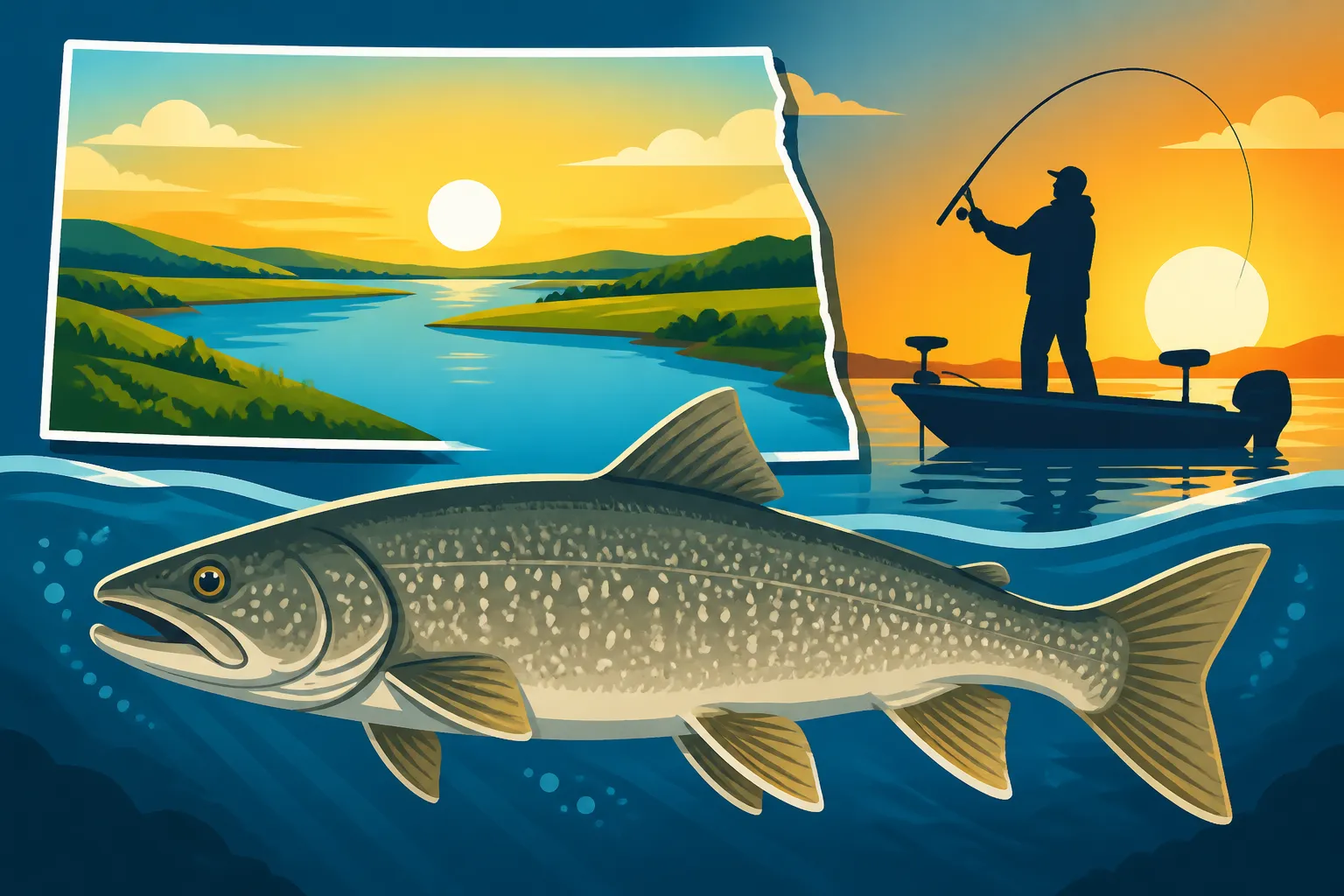
It's easy to get excited and mistake a big fish for something it isn't, especially when you're hoping for a rare catch like a lake trout. Many anglers, particularly those just starting out, might hook into a large rainbow trout or even a beefy northern pike and think they've found the elusive laker. However, true lake trout have distinct characteristics that set them apart. Their bodies are typically long and sleek, with a deeply forked tail, which is a key identifier. They also have light spots on a darker body, which can vary from olive-green to gray, depending on the water they inhabit.
Unlike the often brightly colored rainbow trout or the aggressive, toothy northern pike, lake trout tend to have a more subdued, almost camouflaged appearance suited for deep water. If you're on the water and catch a large fish that you suspect might be a lake trout, take a moment to observe these features closely. A quick reference to a fish identification guide can save you from a mistaken identity. Knowing what you're truly targeting is not only satisfying but also crucial for adhering to specific regulations that might apply to different species.
Lake Sakakawea: North Dakota's Primary Lake Trout Stronghold
If you're serious about catching a lake trout in North Dakota, your destination is singular and clear: Lake Sakakawea. This massive reservoir, formed by the Garrison Dam on the Missouri River, is North Dakota's largest lake and truly the only body of water in the state that consistently offers the deep, cold, oxygenated conditions that lake trout demand. It's not an easy place to fish for them, but for those willing to put in the effort, the reward can be substantial. Lake Sakakawea Fishing Guide for North Dakota Anglers covers a lot of general information about this incredible body of water.
Navigating Sakakawea's Deep, Cold Waters for Lakers
Lake Sakakawea stretches over 178 miles long and boasts an incredible 1,600 miles of shoreline when full, with depths reaching well over 100 feet in many areas. It's these profound depths, particularly in the lower end of the lake near the Garrison Dam and in the larger bays, that provide the vital cold-water refugia for lake trout during the sweltering North Dakota summers. During the warmer months, lake trout will retreat to the thermocline, a distinct layer in the water column where the temperature drops sharply. Finding this thermocline, and thus the fish, is critical to success.
Anglers often target areas with significant structural features like submerged humps, deep points, and the main river channel, especially where it drops off quickly into the abyss. These areas provide both cover and access to cold water. If you're out on the water, you'll want to focus your efforts in the deepest parts of these sections, often where your sonar reads 60 feet or more. It can feel like you're fishing in a completely different world out there, far from the shallow bays where walleye and pike might be lurking. It takes patience and a good understanding of underwater topography to consistently locate these deep-dwelling fish.
The Role of Stocking and Conservation in Sustaining the Fishery
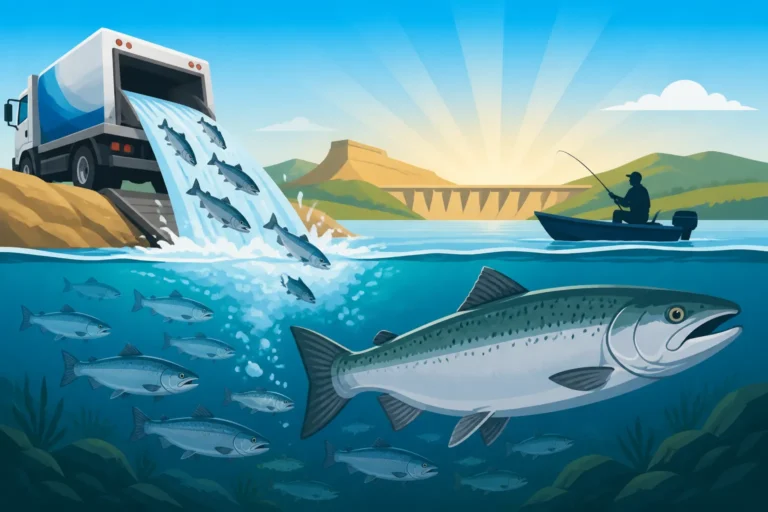
The lake trout population in Lake Sakakawea is entirely dependent on stocking efforts by the North Dakota Game and Fish Department. These fish do not naturally reproduce in the lake's environment, making the continued introduction of young lake trout absolutely essential for maintaining the fishery. Without these dedicated programs, the opportunity to catch a laker in North Dakota simply wouldn't exist. This highlights the importance of the department's work and the responsibility of anglers to support conservation initiatives.
Conservation isn't just about stocking; it's also about mindful angling practices. Because these fish are stocked and represent a limited resource, many anglers choose to practice catch and release, especially with larger, older fish. This helps ensure that the maximum number of fish can contribute to the angling experience for as long as possible. Understanding the value of each fish, given the effort required to establish and maintain this unique fishery, is key to its long-term health. The Game and Fish Department closely monitors the success of these stockings and adjusts their plans to give anglers the best chance at a memorable catch.
Mastering the Techniques for North Dakota Lake Trout
Fishing for lake trout in North Dakota's massive Lake Sakakawea isn't like casting for panfish from a dock. It requires a specialized approach, a good understanding of deep-water dynamics, and often, specific gear to get your offerings down to where these cold-loving predators reside. It's a rewarding challenge, but you can't just show up with your standard walleye rod and expect to succeed. Deep Water Structure Fishing Techniques can provide a good foundation, but lake trout demand even more specific considerations.
Specialized Gear and Electronics: Going Deep for Success
To effectively target lake trout in Lake Sakakawea's deep basins, specialized equipment is non-negotiable. First and foremost, you'll need reliable electronics. A quality fish finder with excellent down-imaging and side-imaging capabilities is paramount for identifying deep structure, locating schools of baitfish, and marking individual lake trout. Knowing the depth of the thermocline and where the fish are holding in relation to it will be your biggest advantage. There are many highly-rated models available on Amazon that can give you the edge you need to see what's happening far below the surface.
For getting your baits down to those depths, a few methods dominate. Downriggers are incredibly effective for presenting crankbaits or spoons at precise depths, allowing you to troll over large areas while keeping your lure in the strike zone. Without them, you'd be fighting significant line belly and guessing your depth. Heavy jigs and spoons, often weighing several ounces, are also crucial for vertical jigging. You'll need stout rods with plenty of backbone to handle these heavy lures and, more importantly, to fight a powerful lake trout from deep water. Strong braided line, with a fluorocarbon leader, is also highly recommended for its sensitivity and strength.
Seasonal Strategies: When and Where to Find Them
Lake trout behavior, like most fish, is heavily influenced by the seasons and water temperature. Understanding these patterns is key to maximizing your chances.
During the open water season, especially in summer, lake trout will be found in the deepest, coldest parts of Lake Sakakawea. This often means fishing depths of 60 to over 100 feet. Trolling with downriggers becomes the primary method, allowing you to cover water and present lures at precise depths within the thermocline. You'll be looking for baitfish schools on your electronics, as the lakers won't be far behind. It can be a slow grind, but when you hit a school, the action can be fast and furious.
As autumn approaches and water temperatures begin to cool, lake trout may move shallower, making them somewhat more accessible. This period can offer fantastic opportunities for both trolling and even casting heavy spoons or crankbaits in areas that were too warm just a few weeks prior. During the early ice fishing season, when safe ice forms, anglers might find lake trout relatively shallow, in 30-50 feet of water, before they retreat to deeper holes as the ice thickens. Ice fishing for lake trout involves heavy jigging spoons, tube jigs, or even dead bait on tip-ups, often requiring significant holes drilled through thick ice. How to Ice Fish in North Dakota provides general tips for ice fishing in the state, which can be adapted for targeting lakers.
Effective Baits and Lures for Deep-Water Lakers
Choosing the right bait and lure for North Dakota lake trout means selecting offerings that can withstand the deep-water retrieve and appeal to a fish that often feeds on a diet of ciscoes and other forage fish found in cold environments.
Large, heavy spoons are a classic choice, especially when jigged vertically or trolled behind a downrigger. Colors that mimic baitfish, like silver, blue, or green, are often very effective. Slab spoons, designed to flutter on the drop, can entice strikes from curious lakers. Tube jigs, particularly in white or pearl colors, are another go-to, often tipped with a piece of cut bait for added scent. These can be fished aggressively with sharp snaps of the rod tip to imitate a struggling baitfish.
For trolling, large crankbaits that dive deep or can be sent down with downriggers are excellent. Look for models that have a tight wobble, mimicking slender baitfish. Jointed crankbaits can also be very effective, offering a more exaggerated action in the cold water. Some anglers also find success with large soft plastic paddle tails rigged on heavy jig heads, particularly when fished slowly along the bottom structure. Remember, lake trout are opportunistic predators, so presenting something that looks like their natural forage is usually your best bet. If you're stocking up on tackle, consider checking Amazon for a wide variety of these specialized lures.
| Gear Type | Purpose | Key Features | Why it's Essential for Lake Trout |
|---|---|---|---|
| Fish Finder | Locating fish, structure, and thermocline | High-resolution sonar, GPS mapping, side imaging | Pinpointing deep, elusive fish |
| Downrigger | Precise depth control for trolling | Heavy-duty construction, line release mechanism | Getting lures to exact strike zones |
| Heavy Jigging Rod | Fighting large fish from deep, handling heavy lures | Strong backbone, sensitive tip, medium-heavy power | Control over heavy jigs and fish |
| Stout Reel | Handling heavy line, deep retrieves, powerful fish | High retrieve rate, strong drag, large line capacity | Endurance for deep fishing battles |
| Braided Line | Sensitivity, strength, low stretch | High pound test, thin diameter | Feeling subtle bites, powerful hooksets |
| Fluorocarbon Leader | Stealth, abrasion resistance | Low visibility, tough material | Preventing line breaks from structure/teeth |
| Heavy Spoons/Jigs | Reaching depth, attracting strikes | Heavy weight (1-4 oz+), flashy finishes, baitfish patterns | Effective deep-water presentation |
| Deep Diving Crankbaits | Trolling at specific depths | Long bills, tight wobbles, realistic colors | Covering water efficiently at target depth |
Regulations and Responsible Angling for Lake Trout
Anytime you're fishing in North Dakota, especially for a less common species like lake trout, it's absolutely crucial to be aware of and abide by the current fishing regulations. These rules are put in place by the North Dakota Game and Fish Department not just to manage fish populations but also to ensure fair chase and a sustainable fishery for all anglers. Ignorance of the law is never an excuse, and penalties for violations can be significant. North Dakota Fishing Regulations Explained and North Dakota Fishing Season Dates and Limits are excellent resources to consult before you head out.
Staying Compliant with North Dakota's Trout Rules
North Dakota's fishing proclamation, updated periodically, is your definitive guide to all rules and regulations. When it comes to lake trout, pay very close attention to any specific regulations regarding size limits, daily creel limits (how many you can keep per day), and possession limits (how many you can have in your possession at any given time). These might be different from the general regulations for other trout species or warm-water fish. It's not uncommon for unique or sensitive fisheries, like the lake trout in Sakakawea, to have more restrictive rules to protect the limited population.
Before every trip, make it a habit to check the latest proclamation, which is usually available online or at license vendors. This is especially important because regulations can change. Imagine finally hooking into that trophy lake trout, only to realize you've kept it when it's under the minimum size, or that you're over your daily limit. That excitement would quickly turn to disappointment and potential legal trouble. A little preparation goes a long way in ensuring your fishing trip is both enjoyable and legal.
Practicing Conservation for a Sustainable Lake Trout Future
Because North Dakota's lake trout fishery is entirely sustained through stocking, every fish caught holds a greater significance for the overall health and future of the population. Practicing responsible angling, which includes catch and release, is vital for a sustainable future. If you plan to release a lake trout, especially a larger one, take extra care to minimize stress on the fish.
When you're bringing a lake trout up from deep water, they can suffer from barotrauma, which is caused by the rapid change in pressure and can severely impact their chances of survival upon release. If you notice signs of barotrauma (e.g., bulging eyes, expanded stomach, everted stomach), consider using a descending device to safely return the fish to deeper water. Handle fish gently, keep them in the water as much as possible for photos, and use barbless hooks to facilitate easier release. By being mindful of our impact, we can all contribute to ensuring that future generations of North Dakota anglers can experience the thrill of catching these magnificent, elusive lake trout.
Disclaimer
This article is for general informational purposes only and does not constitute professional advice. Laws, prices and regulations vary by location and change over time. Consult a qualified professional for guidance on your specific situation.