Do You Need a Special Tag to Snag Paddlefish?
It's easy to feel overwhelmed by the sheer number of regulations that come with fishing in a new state or for a specialized species. You're probably wondering if your standard North Dakota fishing license is enough, or if snagging one of those magnificent paddlefish means jumping through another hoop, like getting a special tag. This guide is here to clear up that confusion, explaining exactly what you need to legally participate in North Dakota's unique paddlefish snagging season.
Understanding North Dakota's Paddlefish Season and Regulations
North Dakota's paddlefish fishery is truly one-of-a-kind. These ancient fish, with their distinctive paddle-shaped snouts, represent a unique angling opportunity that draws enthusiasts from all over. But with great opportunity comes specific responsibility, especially concerning conservation.
The Unique Appeal of Paddlefish Snagging
Paddlefish aren't caught with traditional baits or lures; their feeding habits involve swimming with their mouths open, filtering plankton. This means anglers target them through a method called snagging, which involves casting heavy, weighted treble hooks and reeling them in, hoping to "snag" the fish as they swim by. It's a physically demanding, often exhilarating, and highly anticipated season for many. The sheer size and power of these fish make for an unforgettable experience, but also necessitate strict management to ensure the population remains healthy for future generations. It’s definitely not your typical day out chasing North Dakota Walleye Fishing Techniques.
General License Requirements for Paddlefishing
Before you even think about a special tag, the first and most fundamental requirement for snagging paddlefish in North Dakota is a valid North Dakota fishing license. This isn't optional; it's the cornerstone of all fishing activity in the state, whether you're fly-fishing for trout or pursuing trophy catfish on the Red River. You can typically purchase these licenses online through the North Dakota Game and Fish Department website, or from various license vendors across the state. It's always a good idea to sort out your How to Get a North Dakota Fishing License well in advance, so you're not scrambling at the last minute. Keep in mind that different license types exist for residents and non-residents, and the costs can vary. For a comprehensive overview, check out our North Dakota Fishing License Guide.
Specific Areas for Paddlefish Snagging
The paddlefish snagging season in North Dakota is primarily focused on specific sections of the Missouri River System, particularly below Garrison Dam and within the Yellowstone River confluence area. These areas are known for concentrations of paddlefish during their spawning migrations. The designated snagging areas are clearly outlined in the annual fishing proclamation, so it's absolutely critical to consult the most current North Dakota Fishing Regulations Explained before heading out. Fishing outside of these designated areas or during unauthorized times can lead to severe penalties. The Paddlefish Snagging Season on the Missouri River is a highly anticipated event, and understanding where you can legally participate is paramount.
The Paddlefish Tag: A Deep Dive into Requirements
Now, let's get to the heart of the matter: the paddlefish tag. This is where paddlefish angling truly deviates from most other North Dakota fishing experiences.
Is a Special Tag Required?
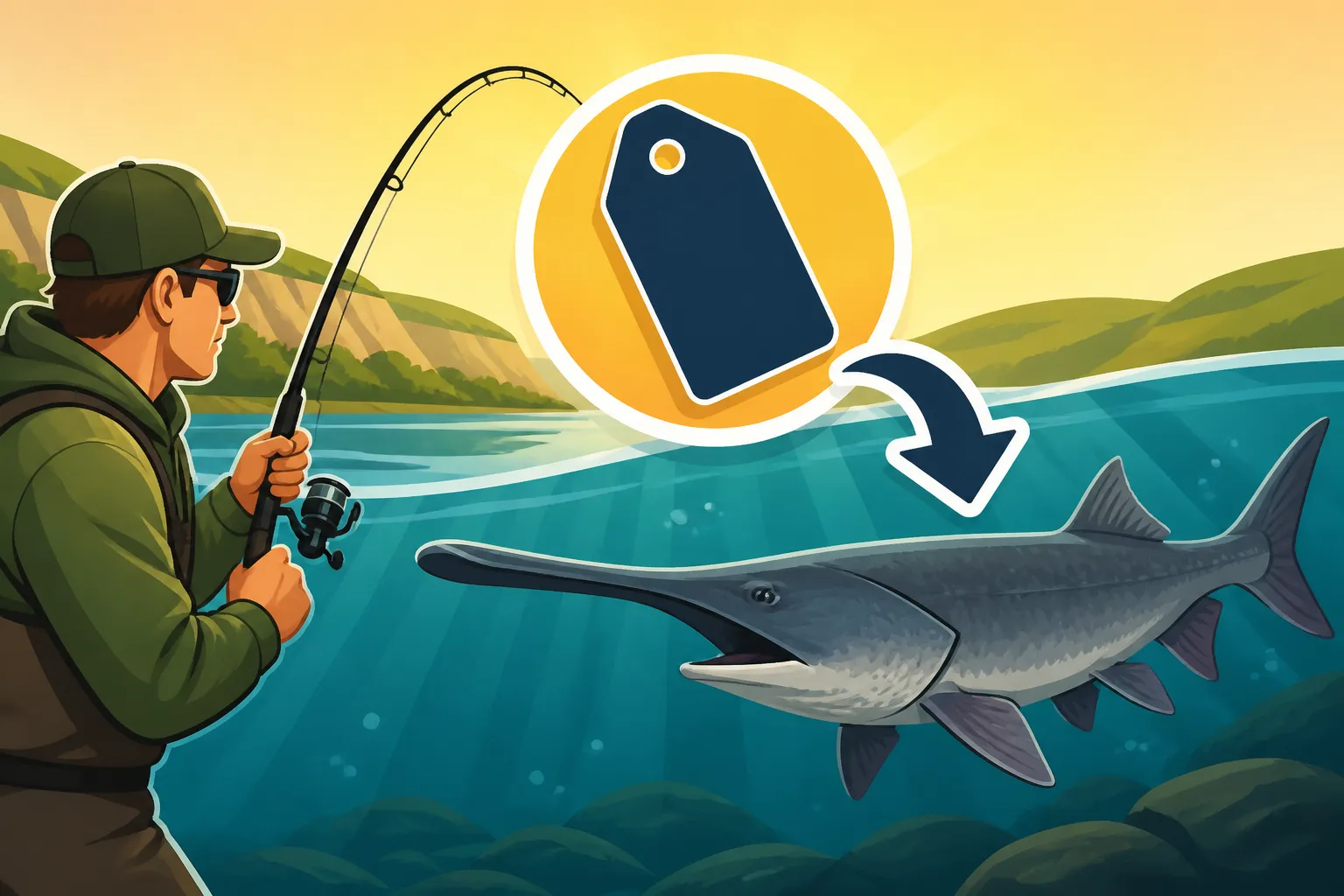
Yes, for those who intend to harvest a paddlefish, a special tag is indeed required in North Dakota. This isn't just an extra piece of paper; it's a critical management tool. Here's the deal: you can participate in the paddlefish snagging season with just your general fishing license, but if you successfully snag a paddlefish and decide to keep it, you must have a valid paddlefish tag in your possession. This tag acts as your permit to harvest one fish per season. Without it, even if you have a fishing license, keeping a paddlefish is illegal. The tag is a physical proof of your right to harvest and helps the North Dakota Game and Fish Department accurately track the annual harvest, ensuring the sustainability of the population. This requirement is a direct response to the unique vulnerability of paddlefish to overharvest, given their life history and the snagging method. It's a way to ensure that while anglers enjoy this incredible fishery, the species continues to thrive.
Obtaining Your Paddlefish Tag
The process for obtaining a paddlefish tag is straightforward but requires foresight. These tags are often sold in conjunction with your annual fishing license, or as an add-on during the license purchasing process. You'll typically find an option for a "Paddlefish Tag" or similar designation when you're buying your main license online or from a vendor. Because there's a limit to how many paddlefish can be harvested statewide, these tags are often available for a set period or until a certain quota is met. Therefore, it's wise to purchase your tag early if you plan on participating in the season. Don't wait until the last minute, as you might find them unavailable, especially if you're trying to purchase one on a busy morning right before hitting the river. Reviewing the North Dakota Fishing License Cost Guide will often show the price associated with the paddlefish tag. Many anglers find the convenience of online purchase, perhaps even through a state-affiliated portal found after a quick search on a platform like Amazon for "North Dakota fishing licenses," to be the easiest route.
Tagging and Recording Your Catch
Once you've successfully snagged a paddlefish and decided to keep it (remember, catch and release is also an option, but then you don't use your tag), the rules become very specific. Immediately upon landing and retaining your paddlefish, you are required to physically attach your special paddlefish tag to the fish. The tag usually has instructions on where and how to attach it, often through the jaw or gill cover, ensuring it cannot be easily removed or transferred.
This step is non-negotiable and must be done before transporting the fish from the snagging site. It’s not something you can do when you get home or even back to the boat ramp. The tag needs to be visible and securely fastened. Additionally, you are typically required to record details of your catch, such as the date and location, on the tag itself or through an online reporting system. This data is invaluable to wildlife biologists for managing the fishery. Think of it as a personal contribution to conservation effort. Failure to properly tag and report your catch is a serious offense, equivalent to fishing without the proper license or exceeding bag limits.
Why These Regulations Matter: Conservation and Management
The existence of a special paddlefish tag isn't just about collecting fees; it's deeply rooted in the need to protect a truly unique and vulnerable species.
Protecting a Unique Species
Paddlefish are ancient fish, often referred to as "living fossils," that have been swimming North American waters for millions of years. They grow to immense sizes, can live for decades, and take many years to reach reproductive maturity. Their specialized feeding method and specific spawning migration patterns make them particularly susceptible to overfishing, especially with the snagging technique. Without careful management, including the use of special tags, their populations could quickly decline. The regulations, including the North Dakota Snagging Regulations for Paddlefish, are designed to allow for a sustainable recreational fishery while safeguarding the species' future. It's a delicate balance, and every angler plays a role in maintaining it.
Ensuring Fair Distribution and Monitoring
The limited number of tags issued, or the specific season dates and harvest limits, ensures that the opportunity to harvest a paddlefish is distributed fairly among anglers. When you purchase a tag, you're essentially claiming one of the allocated harvest opportunities for the season. This system prevents a few individuals from harvesting multiple fish and ensures that a broader base of anglers can experience this unique fishery. Furthermore, the mandatory tagging and reporting provide crucial data for monitoring the paddlefish population. Biologists can track the number of fish harvested each year, assess their average size, and monitor trends. This information helps them make informed decisions about future seasons, adjusting limits or seasons as needed to maintain a healthy and robust paddlefish population. This is similar to how other species are managed; for example, specific daily limits exist for North Dakota Walleye Size Limit Rules or North Dakota Northern Pike Daily Limit to prevent overharvest.
Preparing for Your Paddlefish Adventure
Paddlefish snagging is not for the faint of heart, or for light tackle. Being prepared is key to a successful and safe outing.
Essential Gear for Paddlefish Snagging
When you're targeting a fish that can weigh over 100 pounds, your gear needs to be up to the challenge. Forget your finesse walleye rods; you'll need heavy-duty equipment.
- Rods and Reels: Look for stout, heavy-action saltwater or muskie rods, typically 7 to 9 feet long. Pair these with large, robust baitcasting or spinning reels capable of holding hundreds of yards of heavy line. Many anglers search for these specialized items on sites like Amazon, looking for high-rated options from brands known for durability.
- Line: You'll need incredibly strong line, often 80 to 100-pound test braided line, to withstand the force of casting heavy weights and fighting large fish in strong currents.
- Hooks and Weights: Large, weighted treble hooks are the standard for snagging. The weights (often 10-16 ounces or more) help cast the hooks out and get them down to where the fish are.
- Gloves: Heavy-duty gloves are essential for handling the thick line and for managing a powerful fish.
- Net or Gaff: A large, sturdy landing net or a gaff is often necessary to safely bring a big paddlefish into the boat or onto shore.
- Measuring Tape: You'll need this to ensure your fish meets any potential length requirements and for reporting purposes.
Remember, a paddlefish is a big, powerful animal. Under-gunned tackle will only lead to frustration, lost fish, and potentially unsafe situations.
Safety Considerations for Paddlefish Anglers
Safety should always be your top priority, especially when dealing with powerful fish in strong river currents.
- Boating Safety: If you're snagging from a boat, ensure your vessel is suitable for river conditions and that you have all required safety gear, including properly fitting life jackets for everyone on board. The Missouri River can be vast and unpredictable, making North Dakota Boat Registration Requirements and knowledge of navigation crucial.
- Currents: The Missouri River, especially below Garrison Dam, can have extremely strong currents. Be aware of your surroundings, know how to anchor safely, and always keep an eye on river conditions.
- Handling Fish: Paddlefish are large and can be unwieldy. Be cautious when bringing them aboard or onto shore. Their snouts can be surprisingly rigid. If you plan to release a fish, handle it minimally and release it quickly.
- Hydration and Sun Protection: Snagging can be strenuous and often takes place during warmer months. Bring plenty of water, wear appropriate clothing, and use sunscreen to prevent dehydration and sunburn.
- Know the Rules: Beyond just the tag, familiarize yourself with all North Dakota Fishing Regulations Explained, including snagging methods, hook size, and any special restrictions for the season. This includes understanding How Many Lines Can You Fish With in North Dakota? in this specific context, as snagging rules can differ from traditional angling.
By understanding the tagging requirements, preparing with the right gear, and prioritizing safety, you'll be well on your way to enjoying a truly memorable North Dakota paddlefish snagging adventure.
| Requirement | Details | Purpose |
|---|---|---|
| Fishing License | Mandatory for all anglers 16 and older. Residents and non-residents have different options. | Basic legal right to fish in North Dakota. |
| Paddlefish Tag | Required only if you intend to harvest a paddlefish. One tag per person per season. | Regulates harvest, tracks catch data, ensures species sustainability. |
| Snagging Gear | Heavy-action rod, large reel, 80-100lb braid, large weighted treble hooks. | Necessary for the specific technique and to handle large, powerful fish. |
| Designated Areas | Snagging is only permitted in specific sections of the Missouri and Yellowstone River Systems during open season. | Focuses effort where paddlefish are present, manages localized impact. |
| Immediate Tagging | Tag must be securely affixed to the paddlefish immediately upon retention at the snagging site. | Prevents illegal transfer, ensures accurate harvest reporting. |
| Season Dates/Times | Specific dates and daily hours are set for the paddlefish snagging season. Consult current regulations. | Protects fish during vulnerable periods (e.g., spawning), manages effort. |
Disclaimer
This article is for general informational purposes only and does not constitute professional advice. Laws, prices and regulations vary by location and change over time. Consult a qualified professional for guidance on your specific situation.