Walleye Habitat on Lake Sakakawea
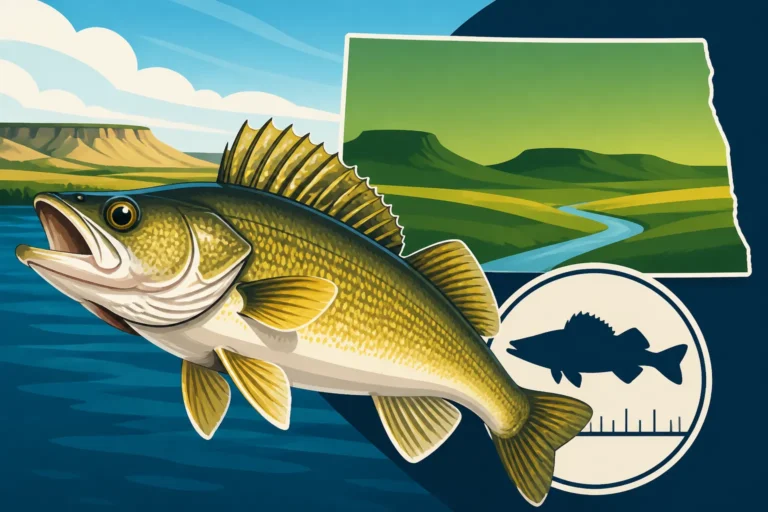
It's incredibly frustrating when you launch your boat onto a massive body of water like Lake Sakakawea, eager to chase walleye, only to feel completely lost. The sheer size of this reservoir, with its endless coves, points, and seemingly uniform shorelines, can make finding fish feel like searching for a needle in a haystack. But here's the secret: walleye aren't just randomly distributed. They have preferred habitats and patterns. This guide will dive deep into the specific types of habitat walleye seek out on Lake Sakakawea throughout the year, helping you understand their world and, more importantly, where to find them.
Understanding Lake Sakakawea's Unique Environment
Lake Sakakawea isn't just a big lake; it's a monumental reservoir, a sprawling expanse of water that completely reshaped the Missouri River valley in North Dakota. It's truly unique, and understanding its characteristics is the first step to unlocking its walleye potential. Many anglers, especially those new to North Dakota, underestimate just how different this system is from smaller, natural lakes.
The Big Water Challenges and Riverine Influence
When people talk about "big water," they're often thinking of the Great Lakes or maybe an ocean. But Lake Sakakawea fits the bill right here in North Dakota. Stretching over 178 miles long with a staggering 1,600 miles of shoreline, it can feel like an inland sea. The sheer scale means that weather changes, like sudden winds, can create conditions that are downright dangerous for smaller craft. This vastness also means that walleye aren't confined to small areas; they have the freedom to roam extensively, often following vast schools of baitfish across open water.
What makes Sakakawea even more distinct is its origin: it's a flooded river valley. The mighty Missouri River still flows through it, creating a subtle, yet significant, current that influences everything from water temperature stratification to nutrient distribution and, critically, fish behavior. This riverine heritage means you'll find characteristics of both a deep, clear reservoir and a flowing river system, sometimes within a few miles of each other. This complexity can be intimidating, and it's easy to feel overwhelmed by the sheer size and variability. But knowing that the walleye are influenced by this ancient river channel is a key piece of the puzzle. Lake Sakakawea Fishing Guide for North Dakota Anglers can help you get a broader overview of this magnificent body of water.
Geological Makeup and Bottom Structure
Below the vast surface of Lake Sakakawea lies a truly fascinating underwater landscape. When the Missouri River was dammed to create the reservoir, it submerged an entire world of bluffs, valleys, old farmsteads, and even entire towns. This created an incredibly diverse and often dramatic bottom structure that walleye absolutely adore. We're talking about old creek channels that once fed the Missouri, now deep trenches on the reservoir floor, towering rock piles that were once hilltops, and countless submerged points and humps.
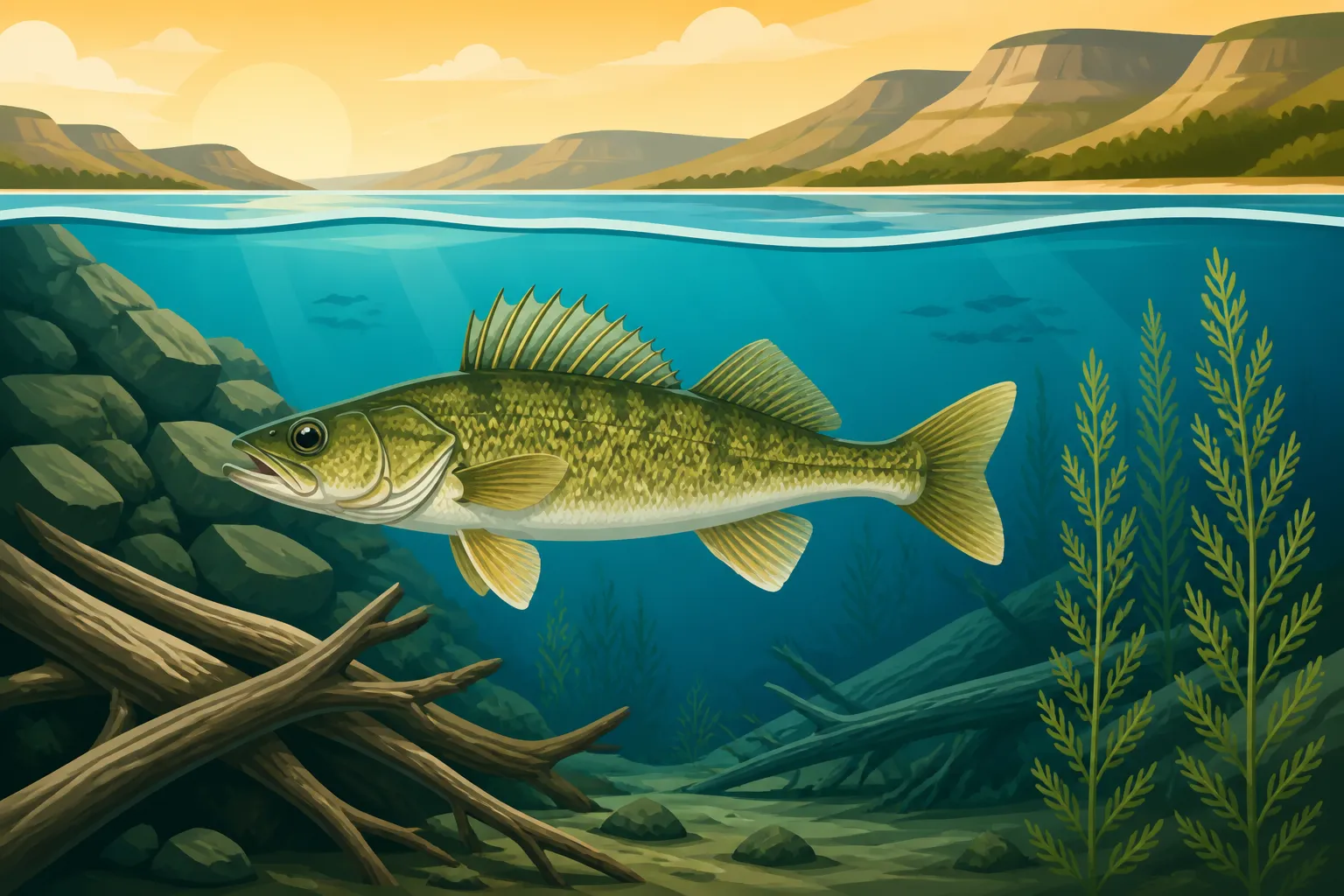
Walleye are structure-oriented fish, and Sakakawea offers them a smorgasbord of options. They use these underwater features for ambush points, for protection from current, and as pathways for migration. For an angler, finding these subtle changes in depth and composition can be a real headache without good electronics. Often, the best walleye spots are not obvious from the surface. You're looking for those hidden humps, the sharp breaklines, or the remnants of an old roadbed. These are the places where baitfish congregate, and where walleye lie in wait. Understanding the contours of the original river valley, even if it's now under hundreds of feet of water, can be a game-changer for finding productive spots.
Key Habitat Features for Walleye in Sakakawea
Walleye aren't picky eaters, but they are particular about where they live. On Lake Sakakawea, their habitat preferences are largely dictated by a few critical factors: the presence of suitable spawning grounds, diverse structural elements, and available forage. If you can locate these elements, you're well on your way to a successful day.
Rocky Substrates and Spawning Grounds
When spring rolls around and the ice finally pulls away, walleye are laser-focused on one thing: reproduction. For this, they absolutely crave rocky bottom. They seek out shallow, wind-swept rocky points, gravelly shorelines, and the mouths of tributaries where there's a good current to keep their eggs aerated. On Lake Sakakawea, these areas are vital. You'll find prime spawning habitat in the upper reaches of the lake where the Missouri River flow is more pronounced, and also along numerous rocky points and shallower bays throughout the mid- and lower sections.
These rocky areas aren't just important for spawning; they remain crucial habitat long after the eggs hatch. Young walleye find shelter among the rocks, and as adults, they'll use these same hard-bottomed areas to ambush baitfish, especially during low-light conditions or when a good chop is on the water. The rock provides cover and also holds heat, attracting invertebrates and, in turn, baitfish. Many anglers overlook these seemingly barren rock fields in favor of "deeper" structure, but during certain times of the year, particularly early spring and late fall, these rocky banks can hold huge numbers of active fish. North Dakota Walleye Size Limit Rules are especially important to understand during these spawning times.
Drop-offs, Humps, and Underwater Points
If there's one thing that screams "walleye heaven" on Lake Sakakawea, it's a significant change in bottom contour. We're talking about those dramatic drop-offs, the submerged humps that rise off the main lake basin, and the long, tapering underwater points that extend far from shore. These features are essentially underwater highways and intersections for fish. Walleye will cruise these areas, using the depth changes to their advantage. A sharp drop-off allows them to quickly move from shallow feeding flats to deeper, more comfortable water, especially when light conditions change or boat traffic increases.
Humps and points, particularly those with a hard bottom composition (rock or gravel), act like magnets for baitfish. Think of them as underwater islands in the vast reservoir. Baitfish will school up around these features, and the walleye will stack on the sides, on top, or in the deeper breaks, ready to dart up and feed. It's often the subtle details that matter: a small gravel patch on a clay hump, a sharper break on one side of a point, or a slight current seam. Finding these nuances requires careful mapping and sonar work. Using a high-quality fish finder, often found with excellent options on Amazon, can literally draw you a picture of these hidden havens. Jigging for Walleye on Lake Sakakawea is a popular technique in these areas.
Vegetation and Timber (When Present)
While Lake Sakakawea isn't known for its extensive weed beds like some shallower, more fertile prairie lakes, areas with submerged vegetation and timber can be absolute goldmines for walleye. Due to fluctuating water levels, extensive weed growth isn't always a given, but in years or sections where water levels remain stable enough for aquatic plants to establish, they provide critical cover, oxygen, and forage. These could be subtle patches of coontail or milfoil, or even just green algae growth on rocky areas.
Similarly, the timber that was submerged when the reservoir filled decades ago still stands in many areas. While much of it has decomposed or been broken down, certain arms and bays, especially in the mid-lake region, still hold significant amounts of submerged timber. This woody cover provides perfect ambush points for walleye, especially for larger fish. It can be a challenge to fish without getting snagged, but the rewards are often worth the effort. Pitching jigs or slow-trolling crankbaits just outside these timber lines can be incredibly effective, especially in stained water where walleye feel more secure. These areas are truly dynamic, changing with water levels, so staying current on conditions is crucial.
Seasonal Movement and Habitat Preferences
Just like we change our daily routines with the seasons, walleye in Lake Sakakawea adjust their habitat preferences throughout the year. What works in April won't necessarily work in August, and understanding these shifts is fundamental to consistent success. Anglers who struggle often do so because they're stuck in one seasonal mindset.
Spring Spawning and Post-Spawn Dispersal
As the ice recedes and water temperatures begin their slow climb in early spring, walleye instincts kick in, driving them towards their spawning grounds. This typically happens when water temperatures reach the low 40s to low 50s Fahrenheit. Prime locations are often riverine sections of the upper lake, tributary inflows, and shallow, wind-swept rocky points or gravel bars throughout the reservoir. These spots offer the necessary hard bottom and current or wave action for successful egg deposition.
Once spawning is complete, usually by late April or early May, walleye enter a post-spawn period. They're often lethargic and dispersed, recovering from the arduous spawning process. During this time, they tend to move to slightly deeper water adjacent to their spawning areas. They might be found resting on the first breakline off a spawning flat or suspended over deeper water nearby. This can be a tricky time to target them, as they're not always aggressively feeding. However, as they regain their energy, they'll begin to move into more traditional feeding habitats, often following schools of shiners or smelt that are also active in shallower waters. Where to Catch Walleye on Lake Sakakawea in Spring offers more specific guidance for this crucial period.
Summer Deep Water and Open Basin Patterns
When the North Dakota summer truly heats up, typically from late June through August, Lake Sakakawea walleye often transition to deeper, cooler water. This is when the reservoir develops a thermocline – a layer where the water temperature changes rapidly with depth. Walleye will generally suspend just above or within this thermocline, seeking out comfortable temperatures and oxygen levels. This doesn't mean they're always "deep" in terms of absolute feet, but rather deep relative to the surface. On vast Lake Sakakawea, this often means moving to the main lake basin, focusing on submerged humps, deep points, and even roaming open water, following dense schools of pelagic baitfish like smelt and cisco.
Trolling becomes a highly effective strategy during this time, allowing anglers to cover vast expanses of water to locate these dispersed schools. Walleye might be found anywhere from 20 to 50 feet deep, depending on the day, the location, and the baitfish. It's not uncommon to find them suspending 10-20 feet off the bottom in 40 feet of water. Understanding how to use your electronics to locate both bait and predator fish is absolutely essential for summer success. Summer Walleye Trolling Techniques can provide invaluable insights for this season.
Fall Migration and Feeding Frenzy
As the days shorten and water temperatures begin to drop in late summer and early fall, a dramatic shift occurs in walleye behavior. They enter a pre-winter feeding frenzy, trying to pack on as much weight as possible before the long, lean months under the ice. This often involves a migration from their deep summer haunts back towards shallower, structure-rich areas. You'll find them actively feeding on points, humps, and even along shorelines that hold baitfish.
This fall period, typically from September through November, can offer some of the most consistent and exciting walleye fishing of the year. The fish are often aggressive and willing to chase a variety of baits, from crankbaits to jigs and live bait rigs. They'll stack up in predictable locations, often in relation to structure that offers both access to shallow feeding flats and quick retreats to deeper water. Finding these "stacking" areas, usually prominent points, large humps, or the edges of old river channels, is the key. Where to Catch Walleye on Lake Sakakawea in Fall is a must-read for this productive time.
Winter Ice Fishing Haunts
When Lake Sakakawea finally freezes over, walleye habitat again changes dramatically. Under the ice, their metabolism slows, but they remain opportunistic feeders. During early ice, they can often be found in relatively shallow bays and on main lake points, especially if there's still some residual weed growth or active baitfish. As winter progresses and oxygen levels in shallow areas deplete, or as pressure increases, they tend to retreat to deeper main lake points, submerged humps, and the edges of the main river channel.
Anglers targeting winter walleye will often focus on depths ranging from 20 to 40 feet, sometimes even deeper, concentrating on the same structural elements they would target in open water. However, access points and traditional "spots" become critical because of the challenges of ice travel. Areas with consistent baitfish presence, often indicated by bird activity or historical catch data, are prime targets. It's a game of patience and precision, often using smaller jigs and active lures to entice a bite.
Impact of Water Levels on Walleye Habitat
Few factors influence walleye habitat on Lake Sakakawea as profoundly as its fluctuating water levels. Unlike natural lakes, a reservoir like Sakakawea is managed, and its water levels can change significantly from year to year, and even within a single season. These changes dictate everything from available spawning grounds to forage accessibility and the very structure fish relate to.
High Water Scenarios
When Lake Sakakawea experiences high water levels, it can be a blessing and a curse for anglers. On the one hand, high water often floods new terrestrial vegetation and timber along the shorelines. This submerged cover provides excellent ambush points for walleye and creates new foraging grounds, as terrestrial insects and worms are introduced into the water. It also tends to disperse fish, as they have more available cover and food sources. For younger walleye, these flooded areas can offer critical protection from predators and a bounty of microscopic food, contributing to strong year classes.
However, high water can make finding walleye a serious challenge for anglers. The "good spots" from previous years might be unrecognizable or too deep, and the fish might be scattered in areas that were previously dry land. Boat launches can become tricky to navigate if temporary ramps aren't maintained, and familiar landmarks disappear. It requires anglers to be adaptable, relying heavily on modern electronics and mapping to find those newly submerged contours and cover.
Low Water Scenarios
Conversely, low water levels present their own set of challenges and opportunities. When the lake drops significantly, many familiar points, humps, and breaklines become exposed or much shallower. This can concentrate fish into remaining deeper channels and basins, making them easier to locate for a time. However, it also removes a lot of valuable shallow cover, potentially stressing fish and making them more susceptible to predation. Spawning habitat in shallow bays can be severely impacted, leading to poorer recruitment of young fish.
For anglers, low water can be brutal for boat launches, sometimes requiring long, muddy hauls or making certain ramps unusable. What was once a subtle breakline might now be a barren flat. Yet, it also reveals incredible insights into the lake's bottom structure, allowing you to see features that are usually hidden. This visual learning can pay dividends in future seasons, helping you understand the lake's topography better. However, the reduced access and altered habitat often mean adjusting tactics dramatically, focusing on deeper, more defined structures.
The Dynamic Nature of Sakakawea's Walleye Fishery
The constant fluctuation of Lake Sakakawea's water levels means that its walleye fishery is incredibly dynamic. A hot spot one year might be a bust the next due to a 10-foot change in water elevation. This isn't a frustration unique to North Dakota anglers; it's a reality for anyone fishing large, managed reservoirs. It demands that we, as anglers, remain flexible, observant, and willing to learn the lake anew each season.
Relying on old spots exclusively without considering the current water levels can lead to a lot of wasted time. Instead, it's about understanding why walleye were in those spots (e.g., specific depth, cover, baitfish access) and then finding similar conditions elsewhere given the current water level. Staying updated on current lake conditions, often available from the Army Corps of Engineers or local bait shops, is a key component of consistent success on this massive lake.
| Water Level Scenario | Impact on Walleye Habitat | Angling Implications |
|---|---|---|
| High Water | Floods new terrestrial cover (grass, brush, timber), expands foraging areas, disperses fish. | Fish can be harder to locate due to expanded habitat; focus on newly submerged structure and shorelines. |
| Low Water | Exposes shallow structure, concentrates fish in deeper channels, reduces cover. | Fish can be more concentrated and easier to target in remaining deep areas; limited boat access in some spots. |
| Stable Water | Allows aquatic vegetation to establish, fish patterns become more predictable. | More consistent fish patterns around established structure and weed lines. |
| Rising Water | Walleye often move shallower to explore new feeding opportunities in flooded areas. | Target fish moving into newly flooded banks and cover. |
| Falling Water | Walleye often retreat to deeper, established structure as shallow areas recede. | Focus on main lake points, humps, and channel edges; fish might be stressed. |
Finding Walleye in Different Sakakawea Zones
Lake Sakakawea is so large that it's essentially three different bodies of water, each with its own character and, consequently, unique walleye habitat. Breaking it down into these zones can help simplify the daunting task of finding fish. Whether you're in the deep, clear lower lake or the more riverine upper stretches, the tactics and habitat you seek will differ. Best Places to Fish in North Dakota can give you an idea of the overall fishing landscape.
The Lower Lake (Garrison Dam to Stanton)
The lower section of Lake Sakakawea, stretching from the towering Garrison Dam upriver to around the Stanton area, is characterized by its deep, clear water, pronounced current influence, and often colder temperatures. This part of the lake feels more like a deep, cold-water reservoir. The walleye here often relate to the main river channel, sharp breaks, and prominent deep points. Because of the clear water, walleye in this zone can be particularly light-sensitive and might hold deeper during the day, coming shallower during low-light conditions.
Forage in the lower lake includes abundant smelt, which allows walleye to suspend and feed on open water. Anglers often employ deep trolling techniques with crankbaits or bottom bouncers with spinners and live bait to target these fish. The strong current can also concentrate walleye in specific eddies and seams, especially closer to the dam. This zone is also known for its robust Chinook salmon fishery, which often shares similar deep-water habitat with walleye, especially during the summer months.
The Mid-Lake (Stanton to Van Hook)
Moving up from Stanton, the mid-lake section of Sakakawea, encompassing areas like the main basin around Garrison, Parshall, and Van Hook, is often considered the heart of the walleye fishery. This zone broadens considerably, features a more complex mix of submerged river channels, extensive humps, points, and numerous large bays. The water clarity is usually moderate, offering a good balance for both sight and ambush predators like walleye. This is where you'll find those classic walleye structures that seem to hold fish year after year, if you know how to find them.
Many of the most popular access points and prime fishing grounds are located in this mid-lake area. Walleye here will use the full range of habitats: rocky points in spring, deep humps and main lake breaks in summer, and the countless bays and tapering points in fall. Locating baitfish schools is paramount, as walleye will follow them across these varied structures. Using detailed contour maps, often available on a good GPS unit you can purchase from Amazon, is non-negotiable here to pinpoint those subtle, fish-holding features. Best Bays on Lake Sakakawea for Walleye are often found within this extensive mid-lake zone.
The Upper Lake (Van Hook to Williston)
As you head further west from Van Hook towards the Williston area, the reservoir gradually transitions back to a more riverine character. The water generally becomes shallower and often more turbid (stained) due to sediment input from the upstream Missouri River and its tributaries. The current influence is more noticeable here, and the bottom composition tends to be softer, with more mud and silt, though rocky areas still exist. This part of the lake is also characterized by extensive flooded timber in many bays, especially during higher water levels.
Walleye in the upper lake often relate to the main river channel, submerged timber, and the mouths of creeks and rivers that feed into the reservoir. They might not hold as deep as their counterparts in the lower lake, often preferring depths of 10-25 feet, depending on water clarity and light conditions. The stained water can make them less spooky and more active during daylight hours. This area is also prime habitat for northern pike, which often coexist with walleye in the same cover-rich environments. Anglers here often focus on current breaks, timber lines, and the edges of historical river channels.
Essential Tools for Unlocking Sakakawea's Walleye Habitat
While understanding walleye habitat is crucial, having the right tools to find and fish these areas on Lake Sakakawea is equally important. This isn't a small pond where you can just cast blindly; it's a vast and complex system that demands technology and adaptability.
Mapping and Sonar Technology
Navigating the sheer size of Lake Sakakawea without good mapping feels like trying to read a book in the dark. Modern GPS chartplotters with detailed lake maps are absolutely essential for identifying potential walleye habitat. These maps show you submerged contours, old river channels, humps, and points that are invisible from the surface. Brands like Humminbird, Lowrance, and Garmin offer incredibly detailed mapping chips that are vital for serious walleye anglers. You can often find a wide selection of these sophisticated units, including portable options, on Amazon, ready to enhance your fishing game.
Beyond just navigation, high-quality sonar (fish finders) is your window into the underwater world. Down imaging and side imaging technologies allow you to literally "see" the bottom structure, identify baitfish schools, and even pick out individual walleye holding tight to structure. Understanding how to interpret your sonar readings – distinguishing between a rock pile and a school of bait, or identifying a solitary predator – is a skill that comes with practice but pays huge dividends. It allows you to eliminate unproductive water quickly and focus your efforts where the fish are actually present.
Understanding Baitfish Movements
Walleye are predators, and their presence in any given habitat is almost always directly tied to the presence of their food source. On Lake Sakakawea, the primary forage species include smelt, cisco (lake herring), shiners, and various panfish. Understanding the seasonal movements and preferred habitats of these baitfish is key to predicting where the walleye will be. For example, if smelt are holding in deep, open water, you can bet that many walleye will be suspended nearby. If shiners are congregating in shallow bays during the spring, that's where you'll find hungry post-spawn walleye.
This means not just looking for walleye on your sonar, but actively searching for baitfish. Large, dense schools of bait are like flashing neon signs for predators. Many experienced Sakakawea anglers will spend a significant portion of their time simply idling around, searching with their electronics for these bait balls, knowing that the walleye won't be far behind. It's an often-overlooked aspect of walleye fishing, but one that drastically improves success rates. How Water Temperature Affects Walleye Location can also be a crucial indicator for baitfish and walleye movements.
Adapting Your Approach and Techniques
Finally, success on Lake Sakakawea comes down to adaptability. The dynamic nature of the reservoir – its vastness, fluctuating water levels, and changing weather conditions – means that a "one-size-fits-all" approach simply won't work. You need to be prepared to adjust your tactics, your baits, and your fishing locations based on the conditions you encounter on any given day.
This might mean starting the day trolling deep crankbaits in the open basin, then switching to pitching jigs to rocky points if the wind picks up, or even moving to a different arm of the lake if the fish aren't cooperating. Carrying a diverse array of tackle, from jigging spoons to bottom bouncers and various crankbaits, ensures you have options. Most importantly, it means being a student of the lake, constantly observing, learning, and refining your understanding of where those magnificent Lake Sakakawea walleye call home. A North Dakota Walleye Fishing Guide will always emphasize this flexibility.
Disclaimer
This article is for general informational purposes only and does not constitute professional advice. Laws, prices and regulations vary by location and change over time. Consult a qualified professional for guidance on your specific situation.