Best Bays on Lake Sakakawea for Walleye
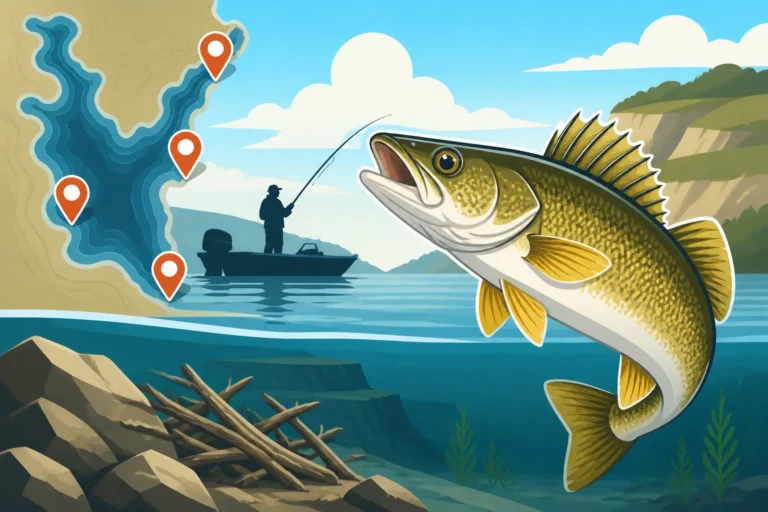
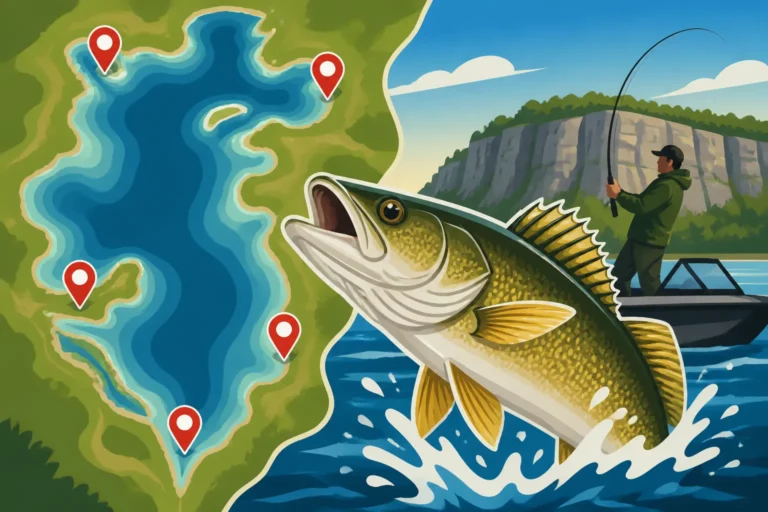
Trying to pinpoint the best walleye fishing spots on a lake as immense and dynamic as Lake Sakakawea can feel like searching for a needle in a haystack, especially with its ever-changing water levels and vast expanses. It's a common frustration for anglers, even seasoned ones, to spend hours cruising without a clear plan. This guide is here to cut through that uncertainty, offering you a detailed look into the most productive bays on Lake Sakakawea where walleye consistently congregate, along with the strategies you'll need to find them.
Understanding Lake Sakakawea's Walleye Habitat
Lake Sakakawea is a titan, stretching across more than 178 miles with over 1,300 miles of shoreline when at full pool. Its sheer size and the fluctuating water levels of the Missouri River system present both challenges and incredible opportunities for walleye anglers. You can't just drop a line anywhere and expect success; understanding where walleye live and why they choose certain areas is key.
The Dynamics of a Massive Reservoir
Imagine a lake where the "bottom" changes every few years, where submerged trees, old farmsteads, and hidden creek beds are either exposed dry land or prime fishing structure, depending on the season and the snowmelt. That's Lake Sakakawea in a nutshell. The Garrison Dam controls the water outflow, and spring runoff dictates inflow, leading to significant fluctuations. This means what was a productive shallow flat one year might be too deep the next, or vice versa. Walleye, being opportunistic predators, adapt to these changes by utilizing available forage and cover. They'll follow baitfish into flooded timber or retreat to deeper main lake points and humps when conditions change. Understanding these dynamics is crucial; a great spot isn't just a GPS coordinate, it's a type of structure that fish are using at a specific water level.
Key Habitat Elements Walleye Seek
Walleye aren't just swimming aimlessly; they are constantly seeking optimal conditions for feeding, resting, and spawning. When you're looking for these fish in Lake Sakakawea's huge bays, you need to think like a walleye. They prioritize structure, forage availability, depth, and water temperature. Structure can be anything from submerged points and humps, old river channels, rocky outcrops, or even flooded brush and trees. These areas provide ambush points and cover. Forage, primarily smelt and various minnow species in Sakakawea, dictates where walleye will be. If the baitfish are deep, the walleye will be there too. Depth and water temperature are intertwined; walleye prefer cooler, oxygen-rich water, often found at specific depths or near thermal stratification lines. In spring, they'll push shallower for warmer water to spawn, moving deeper as summer heat sets in, and then migrating back to shallower feeding flats in the fall.
Top Walleye-Holding Bays on Lake Sakakawea
While walleye can be found throughout Lake Sakakawea, certain bays consistently produce for anglers due to their unique structures, depths, and forage concentrations. These are the areas where many seasoned anglers focus their efforts. If you're looking for more general information on fishing this massive body of water, our comprehensive guide to Lake Sakakawea Fishing Guide for North Dakota Anglers offers a broader overview.
Van Hook Arm
The Van Hook Arm, located on the north side of Lake Sakakawea, is arguably one of the most famous and consistently productive walleye fishing destinations on the entire lake. It's a vast arm of the reservoir that offers a complex mix of habitats. You'll find long, tapering points that extend far into the bay, excellent for trolling crankbaits or drifting with bottom bouncers. There are also numerous submerged humps and rock piles that act as magnets for walleye, especially during the summer months when fish seek deeper, cooler water. The shoreline is highly irregular, providing plenty of smaller coves and protected areas that warm up quickly in the spring, drawing in early-season walleye. The presence of abundant baitfish, particularly smelt, within this arm makes it a prime feeding ground. Many anglers report great success here, particularly from May through July, often finding fish relating to depths from 15 to 30 feet, depending on the time of day and water clarity.
Deepwater Bay
Further west along the north shore, Deepwater Bay lives up to its name, offering significant depth changes and a fantastic array of underwater structure. This bay is characterized by its steep breaks and sharp drop-offs, making it an excellent location for walleye that prefer deeper water or need to escape intense sunlight. The confluence of several old creek channels within the bay creates natural highways for fish movement and concentrates forage. Deepwater Bay is a phenomenal spot for jigging walleye, especially during cooler periods or when the fish are holding tight to structure. Early summer can see explosive bites here as walleye transition from spawning to post-spawn feeding patterns. Anglers often focus on depths of 20 to 40 feet, looking for submerged timber and significant contour changes using their fish finders. The challenging depths can be rewarding for those who take the time to map out the underwater terrain.
Tobacco Gardens Bay
Moving further west towards the upper reaches of Lake Sakakawea, Tobacco Gardens Bay is another legendary walleye hotspot. What makes this bay unique is its blend of deep water access, numerous points, and significant amounts of flooded timber and brush, particularly when water levels are higher. These submerged trees provide incredible cover for both baitfish and walleye, creating ambush points where walleye can effortlessly snatch unsuspecting prey. Tobacco Gardens is particularly productive during the spring and fall transitions. In spring, warmer water draws walleye into shallower areas of the bay for feeding before and after the spawn. In fall, as water temperatures cool, walleye aggressively feed, often moving into the bay's numerous points and deeper flats. Trolling crankbaits along the main river channel edges or jigging around the flooded timber are common and effective strategies here.
Little Missouri Bay (Four Bears Area)
The Little Missouri Bay, often associated with the Four Bears Bridge area near New Town, offers a diverse fishing experience and consistent walleye action. This bay is characterized by its broad expanse, numerous points, and the historical river channel of the Little Missouri River that winds through it. The area beneath the Four Bears Bridge itself can be a fantastic concentration point, as current funnels baitfish through, attracting hungry walleye. The accessibility of this area, with multiple boat ramps, makes it a popular choice. Anglers often find success drifting with bottom bouncers and spinners, or trolling crankbaits along the old river channel breaks. The varying depths and structures here mean walleye can be found from relatively shallow flats in the spring to deeper breaks in the summer. For those seeking walleye in North Dakota, this bay is a staple.
Parshall Bay
Parshall Bay, situated on the north side of the lake, offers excellent structure for walleye. This bay features a combination of submerged points, rocky shorelines, and gradual slopes that transition into deeper water. It's particularly known for its strong walleye bite during the summer months, as fish will set up along the numerous contours and humps that provide both feeding opportunities and cooler water. Anglers often find success by systematically working the points and breaks with jigs, live bait rigs, or by trolling crankbaits parallel to the deeper edges. The presence of ample forage, including smelt, further enhances its appeal to walleye. Being observant of wind direction and current can also be beneficial in Parshall Bay, as these factors often position walleye in predictable feeding lanes.
Beulah Bay
On the southern side of Lake Sakakawea, Beulah Bay is another highly productive area for walleye. This bay is known for its wide-open expanses, but don't let that fool you. Beneath the surface lies a complex network of submerged structure, including old roadbeds, submerged creek channels, and gradual points. Beulah Bay can be fantastic for early season walleye as its shallower areas warm up quickly, attracting fish looking to feed. As the season progresses, walleye will move to the deeper breaks and humps within the bay. Trolling is a very popular and effective technique here, covering large areas of the bay to locate active schools. Bottom bouncers with spinner rigs or stickbaits are often the go-to choices. The bay's proximity to deeper main lake waters means walleye can move in and out, making it a dynamic fishing environment that rewards persistence.
Essential Strategies for Fishing Sakakawea's Bays
Fishing Lake Sakakawea's vast bays requires a blend of local knowledge, seasonal awareness, and the right techniques. It's not just about knowing where the fish are, but how to entice them to bite given the conditions. If you're looking for more detailed advice on fishing for this species, check out our guide on North Dakota Walleye Fishing Techniques.
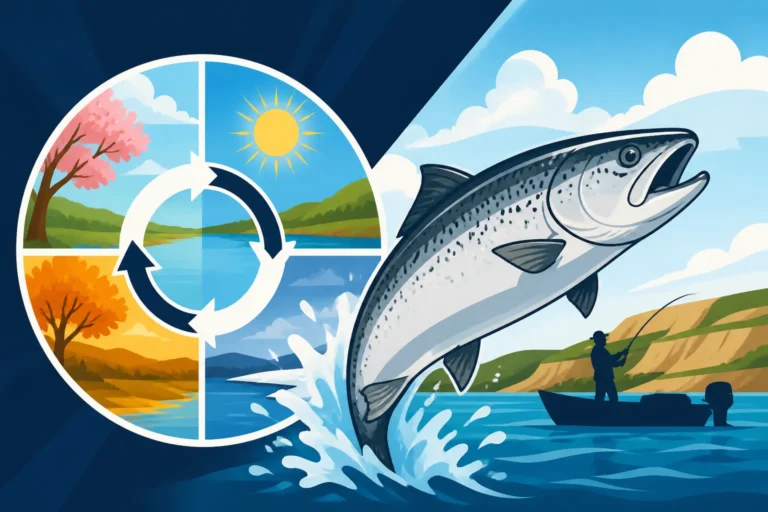
Seasonal Approaches and Techniques
The best way to target walleye in Sakakawea's bays changes dramatically with the seasons.
- Spring (Ice-out through May): As the ice recedes and water temperatures begin to climb, walleye move into shallower bays and protected areas, often near spawning grounds. This is a prime time for pitching jigs tipped with minnows or soft plastics to shallow breaks and points in 5-15 feet of water. Bays with warmer inflows or those that collect sunlight are key. Early in the season, our guide on Where to Catch Walleye on Lake Sakakawea in Spring will be especially helpful.
- Summer (June through August): Walleye spread out and often move deeper during the warmer months, retreating to main lake points, submerged humps, and deeper bay channels in 20-40 feet of water. Trolling crankbaits (like the popular Rapala Shad Raps or Berkley Flicker Shads) or pulling bottom bouncers with spinner rigs (using worms or leeches) are highly effective ways to cover water and find active schools. Focus on areas with good forage concentrations.
- Fall (September through November): As water temperatures drop, walleye become incredibly aggressive, putting on the feedbag for winter. They often move back onto shallower flats and points within the bays, particularly during low-light conditions. Trolling crankbaits, jigging blade baits, or casting large soft plastics can be deadly. Fish can be found from 10 to 30 feet, depending on the day. For more on late-season tactics, see our guide on Where to Catch Walleye on Lake Sakakawea in Fall.
Reading the Water and Utilizing Electronics
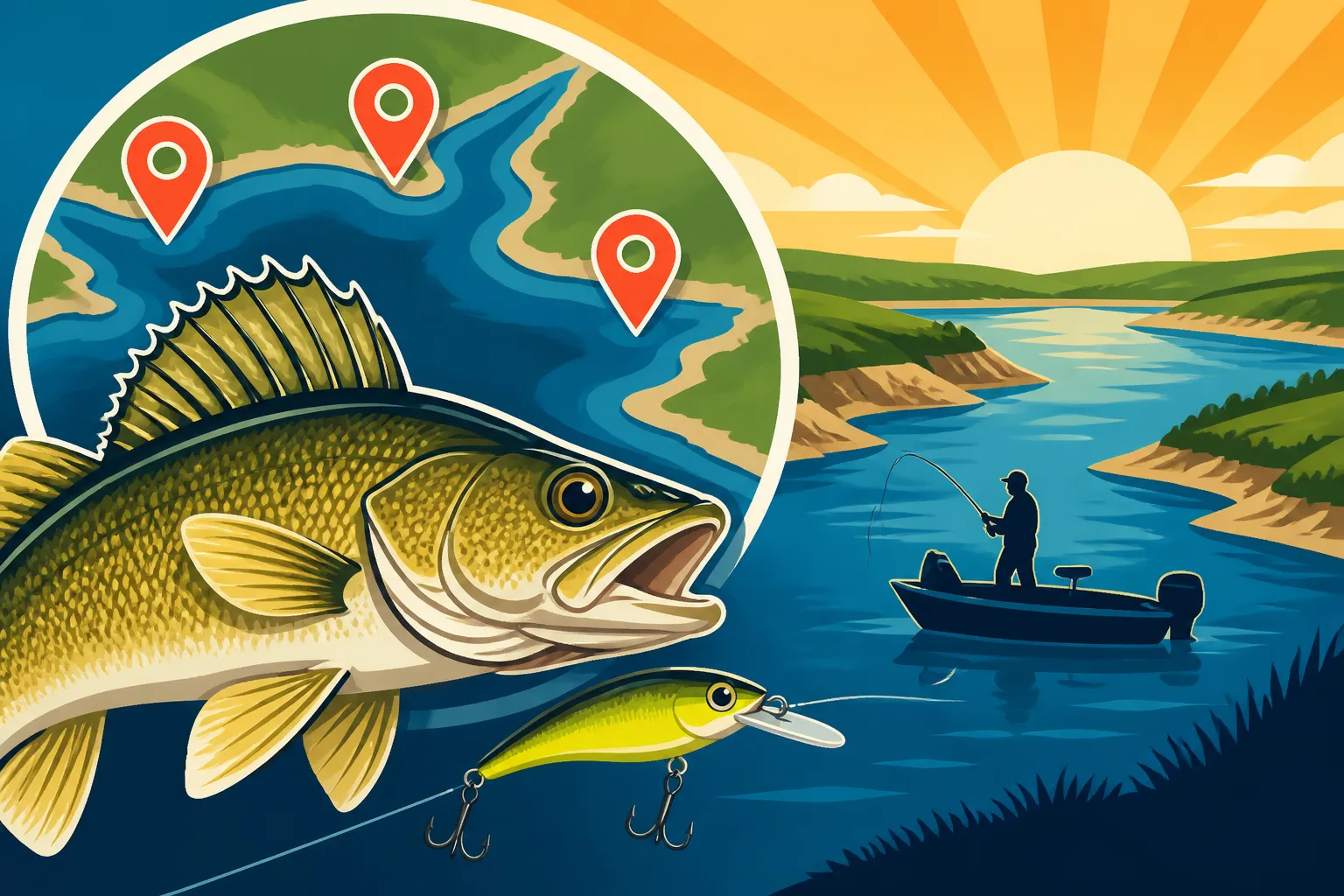
On a lake the size of Sakakawea, relying solely on visual cues is a recipe for frustration. Modern fishing electronics are your best friends. A good fish finder with GPS and mapping capabilities will help you identify submerged structure, old river channels, humps, and schools of baitfish and walleye. Pay close attention to contour lines on your map; walleye will often relate to specific breaks or depth changes. Side imaging and down imaging technologies can reveal subtle structure and fish that your traditional sonar might miss. Learning to interpret these displays takes practice, but it's invaluable for success on big water. Our guide to Best Fish Finders for North Dakota Lakes can help you choose the right equipment. Don't forget that knowing How Deep Is Lake Sakakawea at Full Pool? can also give you a baseline for understanding depth changes.
Bait and Lure Selection for Bay Fishing
While techniques vary, certain baits and lures consistently produce results for walleye in Lake Sakakawea's bays.
- Live Bait: Minnows are king, especially in spring and fall, whether jigged, trolled on a spinner, or fished under a slip bobber. Leeches and nightcrawlers are also highly effective, particularly on bottom bouncer rigs or jigging setups during summer.
- Jigs: From 1/8 to 1/2 ounce, tipped with live bait or soft plastics (like Berkley Gulp! Minnows or paddle-tail swimbaits), jigs are versatile. Colors like chartreuse, white, orange, and naturalistic browns or greens are popular.
- Crankbaits: Trolling crankbaits are essential for covering water. Choose models that dive to the depths you're targeting. Shad-profile baits like Rapala Shad Raps, Berkley Flicker Shads, or Salmo Hornets are staples. Consider colors that mimic natural forage (smelt, perch) or bright, aggressive patterns depending on water clarity and sunlight. For specific recommendations, check out our insights on Best Crankbait Colors for Lake Sakakawea.
- Bottom Bouncers & Spinners: These rigs, often paired with a worm, leech, or minnow, are fantastic for covering large flats and targeting walleye holding close to the bottom. Vary blade colors and sizes until you find what the fish prefer.
Planning Your Lake Sakakawea Walleye Adventure
A successful fishing trip to Lake Sakakawea involves more than just knowing where the fish are; it's also about preparation, safety, and being aware of regulations.
Navigating the Big Water Safely
Lake Sakakawea is a fantastic fishery, but its vastness also means conditions can change rapidly. Strong winds can whip up significant waves, making navigation challenging and even dangerous for smaller boats. Always check the weather forecast before heading out and be prepared for sudden changes. Ensure your boat is properly equipped with all required safety gear, including life jackets for everyone on board, a sound-signaling device, and a fully charged marine radio or cell phone. Understanding the proper North Dakota Boat Registration Requirements is also crucial before you launch. When you are looking for the right vessel, consider our guide on the Best Boats for Lake Sakakawea's Big Water to ensure you have a safe and comfortable trip.
Finding Guides and Resources
Sometimes, the best way to crack the code on a new lake or when conditions are tough is to hire a local fishing guide. These professionals spend countless hours on the water and can provide invaluable insights into current patterns, hot spots, and effective techniques. Websites like FishingBooker make it easy to find and compare experienced walleye guides operating on Lake Sakakawea. A good guide can significantly shorten your learning curve and maximize your chances of success, especially if you're targeting a specific species like walleye. They often have specialized equipment and know the nuances of each bay intimately.
Regulations and Best Practices
Before you cast a line, make sure you're familiar with the current North Dakota fishing regulations. This includes understanding possession limits, size restrictions (like the North Dakota Walleye Size Limit Rules), and the need for a valid fishing license. You can find detailed information in the North Dakota Fishing Regulations Explained guide or by obtaining a physical copy of the proclamation. Remember to practice ethical angling, minimizing stress on released fish and properly disposing of all trash. Additionally, be aware of Aquatic Nuisance Species (ANS) prevention measures, like cleaning, draining, and drying your boat and gear, to help protect Lake Sakakawea's pristine waters.
Lake Sakakawea Walleye Bays Overview
To help you visualize and plan your next trip, here's a quick overview of the key characteristics of the discussed bays:
| Bay Name | Key Features | Best for Walleye During | Primary Fishing Methods | Notes |
|---|---|---|---|---|
| Van Hook Arm | Tapering points, submerged humps, complex structure, abundant baitfish | Spring, Summer, Fall | Trolling, Bottom Bouncers, Jigging | Very popular, consistent producer, often crowded |
| Deepwater Bay | Steep breaks, sharp drop-offs, old creek channels, deep water | Summer, Late Fall | Jigging, Vertical Presentations | Rewards good electronics use for structure finding |
| Tobacco Gardens Bay | Flooded timber/brush (water level dependent), points, river channel edges | Spring, Fall | Trolling, Jigging in timber | Excellent cover, dynamic based on water levels |
| Little Missouri Bay | Broad expanse, Four Bears Bridge structure, old river channel, accessible | Spring, Summer, Fall | Drifting, Trolling, Jigging near bridge | Good for covering water, current influences fish |
| Parshall Bay | Submerged points, rocky shorelines, gradual slopes, consistent forage | Summer, Early Fall | Jigging, Live Bait Rigs, Trolling | Focus on breaks and wind-blown areas |
| Beulah Bay | Wide-open, old roadbeds, submerged creek channels, gradual points | Early Spring, Summer | Trolling (especially crankbaits) | Good for covering ground to locate schools |
Disclaimer
Please remember that fishing conditions, regulations, and fish behavior are subject to change. Always consult the latest North Dakota Game and Fish Department regulations before heading out. This guide is for informational purposes only and does not guarantee fishing success. Be safe, responsible, and respectful of the environment and other anglers.