Where to Catch Walleye on Lake Sakakawea in Fall
Fishing for walleye on Lake Sakakawea in the fall can be an incredible experience, but it also presents its own set of challenges. This massive reservoir, with its fluctuating water levels and expansive main lake basins, can feel overwhelming when you're trying to pinpoint those elusive fall walleye. This guide is here to unravel the mysteries of autumn walleye fishing on Sakakawea, helping you understand their movements, identify prime locations, and master the techniques that will put more fish in your boat.
Decoding Fall Walleye Behavior on Lake Sakakawea
As the summer heat gives way to crisp autumn air, walleye in Lake Sakakawea undergo significant changes in their behavior. This shift is primarily driven by dropping water temperatures and the instinct to feed heavily in preparation for winter. Understanding these patterns is absolutely crucial for any angler hoping to find success.
Water Temperature and Walleye Movement
The cooling water is the primary catalyst for fall walleye movement. Unlike the heat of summer where fish might scatter to deeper, cooler water, fall sees them more concentrated and actively foraging. As surface temperatures dip below 60 degrees Fahrenheit and continue to drop, walleye begin to transition from their deeper summer haunts to shallower areas, often following baitfish schools.
Initially, in early fall (late August to mid-September), you might still find walleye holding on deeper structure, especially if the water is still warm. But as September progresses and October sets in, expect them to become more migratory. They'll push up onto shallower flats, points, and even into the backs of bays where forage is abundant. This move is all about calories – they need to pack on fat before the lean winter months. This feeding frenzy makes fall a fantastic time for aggressive presentations, and understanding this aggressive feeding pattern is key to successful North Dakota Walleye Fishing Guide.
The Baitfish Connection
Walleye are opportunistic predators, and their movements are almost always dictated by the presence of baitfish. In Lake Sakakawea, this often means following vast schools of cisco (also known as lake herring) and smelt, which themselves are reacting to the cooling water. These baitfish will often move from deeper water into shallower areas or suspend in the water column as they seek out their own food sources or prepare for their own fall spawning activities.
When you're out on the water, pay close attention to your electronics. If you see large schools of baitfish, especially tightly packed ones, there's a very high probability that hungry walleye won't be far behind. These baitfish schools can be found near main lake points, over submerged humps, or even just suspended in open water. Sometimes, you'll even spot them dimpling the surface, or see birds diving, which is a sure sign of a baitfish buffet below. Finding this forage is half the battle; the other half is presenting your lure effectively within these schools.
Top Fall Walleye Hotspots on Lake Sakakawea
Lake Sakakawea is a colossal body of water, making it challenging to know where to even begin. However, specific types of structure and areas consistently hold fall walleye year after year, especially when you consider the seasonal shift in their behavior.
Main Lake Points and Submerged Humps
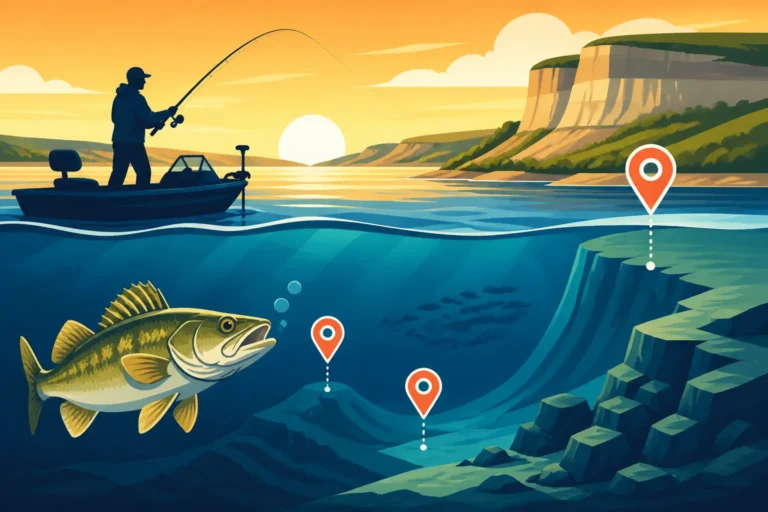
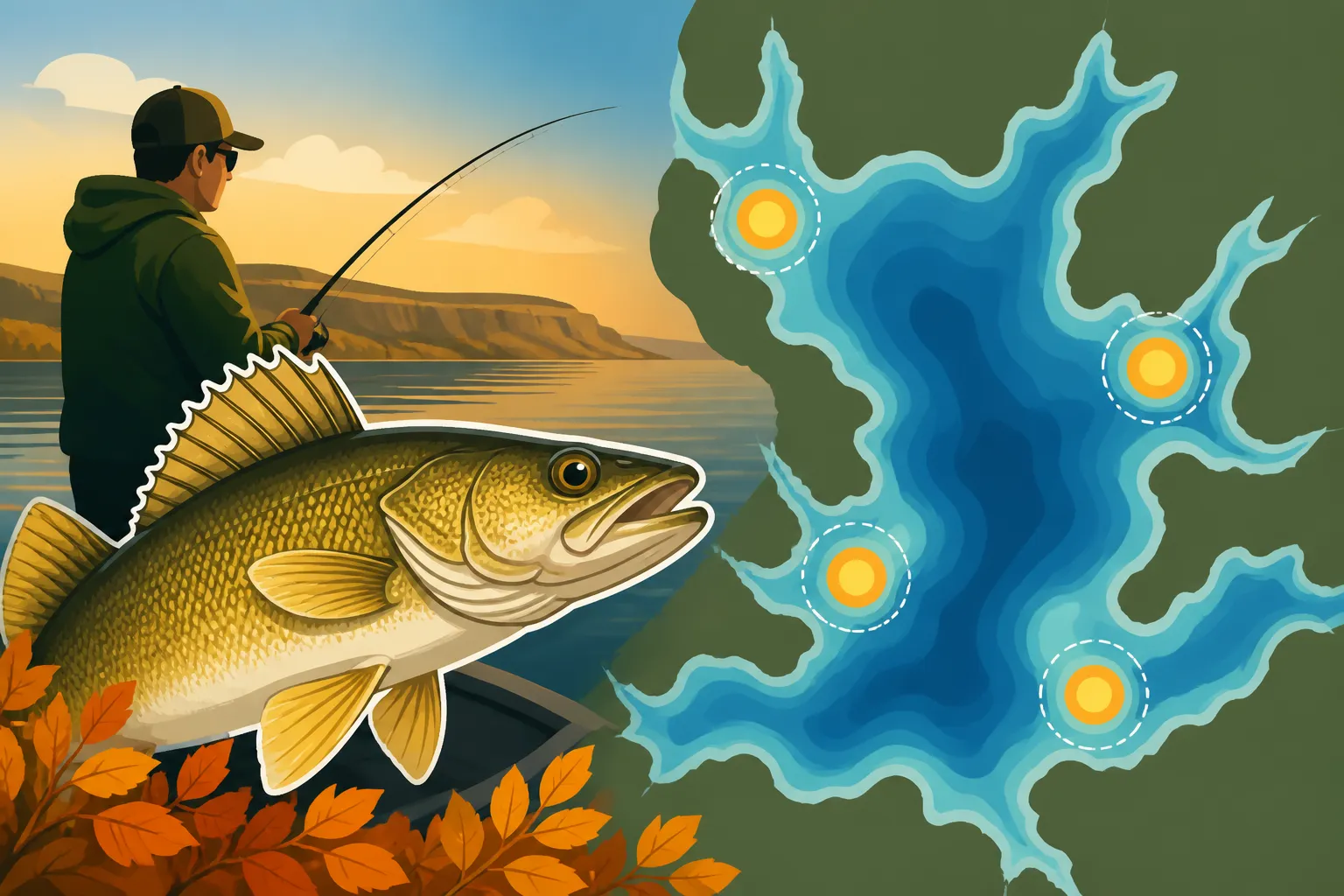
As walleye transition from summer to fall patterns, main lake points are absolute magnets. These geological features provide a natural pathway for walleye moving between deep and shallow water, offering ambush points for passing baitfish. Look for points that extend far out into the lake, particularly those with a gradual slope on one side and a steeper drop-off on the other. Walleye will often cruise these edges, waiting for an unsuspecting meal.
Similarly, submerged humps and reefs in the main lake basin are fall goldmines. These underwater islands act as congregation areas for baitfish and, consequently, for walleye. Depths can vary, but focus your efforts on the breaks and shoulders of these structures, typically in the 15-30 foot range, depending on the day and the specific location. A good GPS and depth finder are invaluable tools for locating these hidden gems. Specific areas like the Van Hook Arm fishing spots on Lake Sakakawea or Deepwater Bay fishing spots on Lake Sakakawea are known to have excellent structure.
Bays and Protected Inlets
As fall progresses and water temperatures drop further, particularly after a few cold snaps, walleye will often move into the backs of large bays and more protected inlets. These areas tend to cool down slower initially but then stabilize and hold baitfish seeking refuge from the main lake's turbulence. Look for bays with significant weed growth (even dying weeds), rocky shorelines, or areas with inflows from smaller creeks or rivers.
The shallower water in these bays warms up faster on sunny fall days and can provide crucial feeding windows. Walleye might move into these areas to feed aggressively in low light conditions or on overcast days, then retreat to slightly deeper water within the bay during brighter periods. Focus on depths ranging from 5 to 15 feet in these areas. Don't overlook bays that might seem too shallow; sometimes, the biggest walleye are found surprisingly shallow in the fall. If you're looking for broader guidance, our general Lake Sakakawea Fishing Guide for North Dakota Anglers has more details.
The Missouri River Arm and Tributary Mouths
The Missouri River arm of Lake Sakakawea and the mouths of its major tributaries like the Little Missouri River are also prime locations in the fall. The flowing water from these rivers often concentrates baitfish and provides a steady influx of nutrients. Walleye will stack up in the current breaks, eddies, and deeper holes found where the river channel meets the main lake.
When fishing these areas, pay attention to current seams – where faster moving water meets slower moving water. Walleye will position themselves in the slower water, darting out into the current to grab passing bait. Depths can vary widely here, from shallow flats to deep scour holes, so a good understanding of the bottom contour is essential. This area can be particularly productive as the weather gets colder, providing a more consistent environment for both bait and predators.
Effective Fall Walleye Techniques and Tackle
Finding the fish is one thing; getting them to bite is another. Fall walleye on Lake Sakakawea can be aggressive, but you still need to present your lures effectively to trigger a strike.
Trolling Crankbaits and Lead Core
Trolling crankbaits remains one of the most effective methods for covering water and locating active walleye on Lake Sakakawea in the fall. With fish often spread out or suspended, covering large areas is crucial. Hard-bodied crankbaits, especially those that dive to various depths, are excellent choices. Look for models like Rapala Shad Raps, Berkley Flicker Shads, or Salmo Hornets.
Colors can vary, but natural baitfish patterns, chartreuse, firetiger, and purple have a long history of success on Sakakawea. The key is to match the hatch as best you can to the prevalent baitfish. When walleye are suspended, lead core line allows you to present your crankbaits at precise depths without relying on heavy weights that can spook fish. Pay close attention to your speed; often, a slower troll (1.5-2.5 mph) is more effective in cooler fall water. Our guide on Fall Walleye Fishing Patterns in North Dakota provides more nuanced insights into this technique.
Jigging and Live Bait Rigs
While trolling is excellent for covering water, once you've located a concentration of fish, jigging and live bait presentations can be deadly. Traditional jigging with lead head jigs tipped with plastics (like paddle tails or grubs) or live minnows is a classic for a reason. Vary your jigging retrieve from aggressive snaps to subtle lifts and drops until you find what the walleye prefer that day.
For live bait, shiner minnows or larger chubs are often irresistible to hungry fall walleye. A simple slip bobber rig, or a Lindy Rig with a large minnow or shiner, presented near structure or over humps, can be incredibly effective. Sometimes, a slow-moving, natural presentation is exactly what it takes to tempt a finicky walleye. Don't be afraid to experiment with different jig weights and hook sizes to match your bait and the conditions.
Essential Fall Tackle Considerations
Beyond the lures and bait, having the right gear can make all the difference. For trolling, medium-heavy action rods with line counter reels spooled with 10-14 lb monofilament or fluorocarbon are standard. For jigging, a sensitive medium-light to medium action spinning rod with 8-10 lb braid and a fluorocarbon leader will give you the feel you need to detect subtle bites.
A good fish finder with side imaging or down imaging is virtually non-negotiable on a lake of Sakakawea's size. It helps you identify baitfish schools, locate submerged structure, and even spot individual walleye. Given the often windy conditions in North Dakota, a reliable Minn Kota or Lowrance Ghost trolling motor with spot-lock functionality is also a huge asset, allowing you to hold position over productive spots. You can find more recommendations in our article on the Best Fishing Tackle for North Dakota Lakes.
Here’s a quick overview of popular fall walleye tackle:
| Tackle Type | Recommended Use | Key Features |
|---|---|---|
| Crankbaits | Trolling, covering water | Deep divers, natural/bright colors |
| Jigs | Vertical jigging, casting to structure | 1/4 to 1/2 oz, tipped with plastic/minnow |
| Live Minnows/Chubs | Slow presentations, picky biters | Rigged on Lindy Rigs or slip bobbers |
| Bottom Bouncers | Drifting/slow trolling on bottom | Paired with spinner rigs or snells |
| Sensitive Rods | Jigging, detecting light bites | Medium-light to medium power, fast action |
| Line Counter Reels | Trolling for depth control | Essential for consistent lure placement |
| Fish Finder | Locating fish & structure | Side/down imaging, GPS mapping |
Navigating the Challenges of Fall Fishing on Sakakawea
Lake Sakakawea in the fall isn't just about finding fish; it's also about preparedness and safety. The vastness of the lake, coupled with changing weather conditions, demands respect and careful planning.
Weather Variability and Safety
Fall weather in North Dakota is notoriously unpredictable. One day can be calm and sunny, the next can bring strong winds, cold rain, or even early snow. High winds can quickly turn Lake Sakakawea into a treacherous body of water, making it unsafe to be out, especially in smaller boats. Always check the forecast before heading out, and be prepared for rapidly changing conditions. Our guide on Fishing in North Dakota's Windy Conditions offers valuable tips.
Safety should always be your top priority. Ensure your boat is in excellent working condition, that you have all required safety gear (life jackets for everyone, flares, first-aid kit), and that someone on shore knows your float plan. Hypothermia is a real risk in the fall, so dress in layers and bring extra warm, waterproof clothing. Consider wearing an inflatable life jacket; they're comfortable and can save your life if you unexpectedly end up in the cold water. Services like FishingBooker can sometimes connect you with experienced local guides who know the lake intimately and can help you navigate these conditions safely.
Access Points and Water Levels
Water levels on Lake Sakakawea can fluctuate significantly, especially in the fall as releases from Garrison Dam change. This means that boat ramps that were perfectly usable in the summer might be too shallow in the fall, or vice-versa. Always check current water levels and ramp conditions before you go. The North Dakota Game and Fish Department website is an excellent resource for up-to-date information on boat ramps and access.
Many smaller access points might become unusable, leaving fewer options for launching your boat. Plan your trip accordingly, and be prepared to drive to a different ramp if your preferred one isn't accessible. This is especially important for larger boats. Knowing the best boat ramps on Lake Sakakawea can save you a lot of frustration.
Planning Your Trip
Given the size of Lake Sakakawea and the variability of fall conditions, a well-planned trip is essential. If you're coming from out of state, or even if you're a local looking to maximize your time, consider hiring a local fishing guide. Guides often have years of experience on the lake, know the current patterns, and can put you on fish quickly. Many guides list their services on platforms like FishingBooker, making it easy to find and book an experienced captain who specializes in fall walleye.
Remember that North Dakota Fishing License Guide information is crucial, so make sure you have your license sorted before you head out. Having the right license, understanding the regulations, and respecting the lake's power will ensure you have a safe and successful fall walleye adventure on Lake Sakakawea.
Disclaimer
Please remember that fishing conditions, regulations, and fish behavior can change. Always consult the latest North Dakota Game and Fish Department regulations before heading out on the water. Stay safe and practice ethical angling.