Walleye Identification and Size Records in North Dakota
It's a common scenario: you've just reeled in a beautiful fish from a North Dakota lake, and your heart is pounding. But then a little doubt creeps in – is it a walleye, or perhaps its close cousin, a sauger? And how does it measure up to those legendary catches? This guide is here to clear up the confusion, helping you confidently identify your catch and understand North Dakota's impressive walleye records.
Understanding the Allure of North Dakota Walleye
Walleye are more than just another fish in North Dakota; they're a symbol, a quest, and for many, the ultimate prize. There's a reason anglers travel from far and wide, enduring harsh winds and freezing temperatures, all for the chance to hook into one of these elusive beauties. They're smart, they fight hard, and let's be honest, they're absolutely delicious.
The Walleye's Prized Status
For anyone who wets a line in North Dakota, the walleye holds a special place. It's not just about the size; it's about the challenge, the delicate bite, and the sheer joy when that rod tip finally loads up. From the vast expanse of Lake Sakakawea to the flooded timber of Devils Lake, walleye define the fishing culture here. Anglers spend countless hours honing their North Dakota Walleye Fishing Techniques, poring over contour maps, and experimenting with every jig and crankbait under the sun, all in pursuit of that distinctive dorsal fin. It's a passion that runs deep, connecting generations of fishermen and women.
What makes them so prized? Part of it is their reputation as a cunning predator. Walleye are often light biters, especially when the water is cold or they're not actively feeding. You might feel nothing more than a faint tick, a slight pressure, or even just the sudden heaviness on your line before you know you've got one. This subtlety adds to the excitement – it's a test of skill and patience. Beyond the fight, there's the table fare. Many consider walleye to be one of the best-tasting freshwater fish, with its firm, flaky, white meat. It's no wonder that a successful walleye outing often culminates in a delicious fish fry shared with friends and family, making every effort worthwhile.
Navigating the Excitement of a Walleye Bite
There's a unique thrill that comes with targeting walleye. Picture this: you've been meticulously jigging or slow-trolling for hours, the North Dakota wind whipping around your boat, and then – thump! It's that moment when your line suddenly feels heavy, or you get that tell-tale tap, and your heart leaps into your throat. It's an adrenaline rush unlike any other, knowing that on the other end of your line could be a feisty "eater" or even a monster "hog" that will set a new personal best. The anticipation building up to that moment, the careful retrieve, the cautious net job – it's all part of the dance.
The excitement isn't just in the catch itself, but in the entire process. It’s the crisp morning air, the vast open water, the camaraderie with your fishing buddies, and the quiet determination to outsmart a truly intelligent fish. Whether you're targeting early spring walleye near the shore or deep-water giants in the dog days of summer, every trip offers a chance for that exhilarating moment. Having the right gear, from a sensitive rod to a reliable reel, can make all the difference in detecting those subtle bites. Many anglers swear by specific setups, and you can find a huge variety of options, from budget-friendly combos to high-end specialist rods on platforms like Amazon, ensuring you're ready for whatever the lake throws at you.
Essential Walleye Identification: What to Look For
Once you’ve got a fish on the line and it breaks the surface, how do you know it's truly a walleye and not another species? This is crucial not only for bragging rights but also for adhering to North Dakota's fishing regulations, as limits and sizes can vary between similar-looking fish. Misidentification can lead to inadvertently breaking the rules, which nobody wants.
Key Physical Characteristics
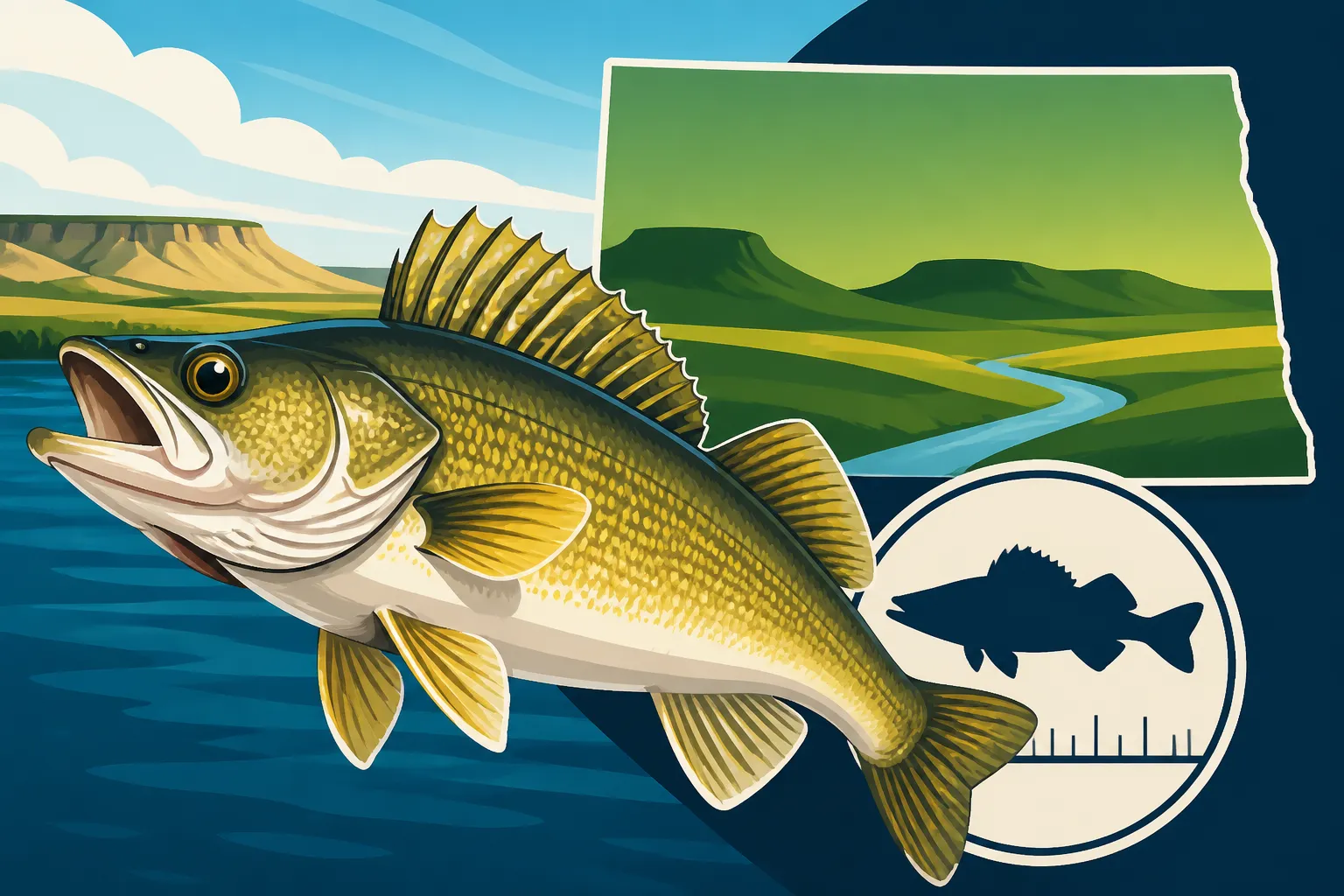
Walleye are generally long and slender, with a dark olive-green to gold-colored back that fades to a lighter belly. One of their most distinctive features is their large, glassy, opaque eyes – hence the name "walleye" – which are adapted for low-light conditions, making them excellent night feeders. Their mouths are quite large, extending back below the middle of the eye, and are armed with sharp, canine-like teeth. Pay close attention to the two dorsal fins: the first, spiny dorsal fin is separate from the second, soft-rayed dorsal fin. A definitive mark of a walleye is the prominent dark blotch at the base of the last rays of the spiny dorsal fin. This "thumbprint" is often a quick indicator. They also have a white tip on the lower lobe of their caudal (tail) fin, which is another very reliable identification mark.
Another feature to note is the overall body shape and coloration. While the general pattern remains consistent, the exact shades can vary depending on the clarity of the water and the fish's diet. Walleye from clearer, rocky lakes might have a more pronounced gold hue, while those from stained or muddier waters might appear darker. The scales are rough to the touch, and they possess a prominent lateral line running down their sides. Knowing these specific traits will help you confidently identify your catch, whether you're out on the Best Places to Fish in North Dakota or simply reviewing photos from a past trip.
Distinguishing Walleye from Similar Species
The biggest identification challenge in North Dakota is often distinguishing a walleye from a sauger. These two species are closely related and often inhabit the same waters, like the Missouri River system and Lake Sakakawea. While they look similar at first glance, there are distinct differences. Understanding these differences is key, especially when you consider that Difference Between Walleye and Sauger can sometimes affect regulations.
Key Differences Between Walleye and Sauger
| Feature | Walleye | Sauger |
|---|---|---|
| Dorsal Fin | Spiny dorsal fin has a distinct dark blotch/spot at its base (often called a "thumbprint"). | Spiny dorsal fin has distinct rows of black spots, not a single large blotch. |
| Tail Fin (Caudal) | Lower lobe of the tail fin has a prominent white tip. | Tail fin lacks a white tip. |
| Body Coloration | Generally darker olive to golden-brown back, often with faint vertical bars or mottling. | More brassy or golden-brown overall, with dark, irregular blotches/saddles on its sides. |
| Scales | Large, rough scales. | Smaller, smoother scales. |
| Cheeks | Mostly smooth, lacking scales on the cheeks or having only a few. | Fully scaled cheeks. |
| Size | Generally grows larger and heavier. | Typically smaller and more slender. |
| Habitat Preference | Often found in larger, clearer lakes; more tolerant of light. | Prefers murkier, warmer, or more turbid waters, and river systems. |
Understanding these distinctions, particularly the dorsal fin and tail fin markings, is crucial. If you're unsure, especially on waters where both species are present, always err on the side of caution regarding regulations. Remember, sauger tend to be a bit more mottled in appearance, almost like they're wearing camouflage, while walleye often have a more uniform body color with subtle bars. Checking the dorsal fin for that specific black blotch on a walleye, or the distinct spots on a sauger, is usually the easiest way to tell them apart quickly. You can find detailed diagrams and comparative photos in many fishing guides, or even online resources, to help solidify your identification skills.
North Dakota Walleye Size Records and What They Mean
Every angler dreams of catching "the big one," and in North Dakota, that often means a trophy walleye. The state has a proud history of producing genuinely massive walleye, drawing hopeful anglers from across the country. But what exactly counts as a record, and what are typical sizes you might encounter?
The State Record Walleye: A Legendary Catch
North Dakota's state record walleye is truly a fish of legendary proportions. While specific figures can change with new records, the current record stands at an astounding 15 pounds, 13 ounces, caught on the Missouri River in 1959. Imagine the thrill of reeling in a fish like that! This record has held for decades, a testament to the sheer size and strength of that particular walleye. Catching a fish of that caliber takes a combination of skill, patience, and a good dose of luck. These giant walleye often have a completely different demeanor than smaller ones, putting up a fierce fight that tests your tackle and your resolve. For many, just knowing such giants swim in North Dakota waters is enough motivation to keep coming back.
The story behind such record catches often involves a specific time of year, perhaps during a feeding frenzy or when the fish are staging for spawning. It's often debated which lake or river holds the next state record. Places like Lake Sakakawea Fishing Guide for North Dakota Anglers and Devils Lake Fishing Guide for North Dakota Anglers are renowned for their incredible walleye fisheries, consistently producing fish in the double-digit weight range. The pursuit of these trophy fish often leads anglers to experiment with different techniques, from deep trolling massive crankbaits to slow-jigging large minnows or soft plastics. While the actual number for the North Dakota Walleye State Record Weight might not change often, the hope and excitement around it are always fresh.
Average Walleye Sizes Across North Dakota Lakes
While the state record is awe-inspiring, most anglers will be more concerned with the average size of walleye they're likely to catch. This can vary quite a bit depending on the specific body of water, forage availability, and fishing pressure. On a prime lake like Sakakawea, it's not uncommon to consistently catch walleye in the 16-22 inch range, with plenty of fish pushing into the mid-20s. These are fantastic eating-sized fish and provide a great fight.
Other lakes, such as Devils Lake, are known for their abundant walleye populations, often producing high numbers of fish in the 14-18 inch range, alongside respectable numbers of larger "slot" fish. The Missouri River Fishing Guide, especially below the Garrison Dam, is also a hotspot for both numbers and size. Generally, a walleye reaching 25 inches or more is considered a trophy in North Dakota, and anything over 28-30 inches is truly a fish of a lifetime. Knowing the typical sizes for the waters you frequent helps manage expectations and appreciate a good catch when you get one. Don't forget to check the specific North Dakota Walleye Size Limit Rules for your chosen fishing spot, as they can sometimes vary to help manage fish populations effectively.
Factors Influencing Walleye Size and Growth
It's not just random chance that determines whether a walleye grows into a monster or remains an average-sized "eater." A complex interplay of environmental factors, food sources, and even genetics contributes to how large and how quickly these fish grow in North Dakota's diverse waterways.
Habitat and Forage Availability
The saying "you are what you eat" holds true for walleye. A key determinant of walleye growth is the abundance and quality of their food source, or "forage base," in their habitat. Lakes with a rich supply of prey fish like smelt, cisco (tullibee), yellow perch, and even smaller walleye, tend to produce larger, faster-growing walleye. For example, Lake Sakakawea's robust smelt population is often credited with fueling the growth of its impressive walleye and Chinook salmon. When forage is plentiful, walleye have less competition and can expend more energy on growth rather than just survival.
Beyond just food, the quality of the habitat plays a significant role. Walleye prefer clear to slightly turbid waters with a mix of rock, gravel, and submerged structure like timber or weeds. These areas provide ambush points for hunting and offer protection from predators and harsh sunlight. Deep water access, current breaks, and varied bottom contours all contribute to a healthy walleye ecosystem. A lake with diverse habitat and a thriving forage base, like Devils Lake with its massive perch population, is much more likely to support a strong population of large walleye. Understanding these patterns can greatly improve your chances of locating bigger fish, as they'll gravitate towards areas where food is easily accessible and cover is abundant.
Genetics and Environmental Conditions
While food and habitat are critical, genetics also play a part in a walleye's ultimate size potential. Some walleye simply have the genetic predisposition to grow larger and faster than others, much like in any animal population. Stocking programs in North Dakota often involve sourcing fish from existing healthy populations, which helps maintain a strong genetic pool for growth potential. However, even with good genes, environmental conditions can either accelerate or hinder this potential. Water temperature is a prime example; walleye are cool-water fish, thriving in temperatures between 60-70°F (15-21°C). Prolonged periods of extreme heat or cold can stress fish, reducing their feeding and growth rates.
Other environmental factors include water quality, dissolved oxygen levels, and the overall health of the aquatic ecosystem. Pollution or significant changes in water levels can negatively impact walleye populations and their growth. On the flip side, stable environments with consistent water quality and optimal temperatures allow walleye to maximize their growth potential. The length of the open water season also impacts growth – a longer season with favorable conditions means more feeding opportunities. It's a delicate balance, and any shift in these conditions can have a ripple effect through the walleye population. Anglers often keep an eye on environmental reports and water conditions, as even small changes can influence where and how fish are feeding, ultimately affecting their size.
Measuring and Releasing Walleye Responsibly
Catching a walleye is just one part of the angling experience; knowing how to properly measure it and, when necessary, release it, are equally important skills. Responsible handling ensures the fish has the best chance of survival, contributing to the health of North Dakota's fisheries for years to come.
Proper Measurement Techniques
When you land a walleye, especially if you're hoping to compare it to the North Dakota Walleye State Record Weight or simply adhere to local slot limits, accurate measurement is key. First and foremost, handle the fish carefully. Wet your hands before touching it to protect its slime coat, which is vital for its immune system. Avoid squeezing the fish around its gills or belly. To measure, place the fish on a flat, wet surface, such as a bump board or a measuring tape laid out on your boat's deck. Lay the fish flat on its side with its mouth closed and its tail compressed. Measure from the tip of the jaw to the very end of the tail fin. Many anglers use a specialized measuring board, often available at tackle shops or online retailers like Amazon, which provides a clear and consistent way to get an accurate length.
Always measure quickly and efficiently to minimize stress on the fish. If you're using a tape measure, try to have a clear starting point and ensure the tail is fully compressed for the most accurate reading. Don't be tempted to "stretch" the fish – honesty is the best policy, and the fish's well-being comes first. If you're fishing solo, consider investing in a hands-free measuring device or asking a fishing buddy for assistance. Proper documentation, whether through photos or quick notes, also helps keep track of your catches and adhere to any length-based regulations, such as those detailed in the North Dakota Fishing Regulations Explained.
Best Practices for Catch and Release
North Dakota employs various slot limits and harvest regulations, meaning you might often catch a walleye that falls outside the legal harvest size and needs to be released. Ensuring its survival is paramount. The quicker you can release a fish, the better its chances. If a fish is deeply hooked, especially in the gills or throat, it might be better to cut the line as close to the hook as possible rather than trying to forcefully remove it, as this often causes more damage. Barbless hooks can also make hook removal much easier and quicker.
When releasing, support the fish horizontally. If it's a larger walleye, cradle it with one hand under the belly and the other gently gripping the base of the tail. Gently place it back into the water, headfirst, and hold it upright until it regains its strength and swims away on its own. Sometimes, a fish needs a moment to "recover" after a fight, especially in warmer water or after a long battle. Gently moving it back and forth to force water over its gills can help. Always aim for a quick photo, if desired, then get the fish back in the water. Remember, catch and release, when done properly, is a powerful conservation tool that helps sustain healthy walleye populations for future generations of anglers.
The Thrill of a Trophy Walleye Catch
Beyond the numbers on a measuring tape or scale, there's an undeniable thrill that comes with landing a truly magnificent walleye. It's about the experience, the story, and the connection to the incredible waters of North Dakota.
The Story Behind the Big One
Every trophy walleye has a story. It’s not just about the size; it's about the journey to get it. Perhaps it was a cold, blustery day on Devils Lake, and after hours of nothing, that monster walleye slammed your jig. Or maybe it was a calm summer evening on Lake Sakakawea Walleye Fishing Spots, trolling a specific crankbait over a deep structure when your rod bent double. These are the moments that become etched in an angler's memory, the tales shared around campfires and passed down through generations. The big one isn't always about the biggest fish in the lake, but often the biggest you've caught, or the one that provided the most memorable battle.
These stories often highlight the dedication required for North Dakota Walleye Fishing Guide. The early mornings, the late nights, the meticulous preparation of gear, and the constant learning and adapting to conditions. It might be the culmination of years of trying, or a lucky first cast for a beginner. The beauty of North Dakota fishing is that it offers these opportunities to everyone. The gear you use can become part of the story too – whether it's a trusty rod you've had for years, or a new sonar unit you bought from Amazon that helped you pinpoint the fish. Regardless of the specifics, the feeling of accomplishment when you finally hoist that large walleye for a quick photo before release is unparalleled.
Conservation for Future Generations
The pursuit of trophy walleye comes with a responsibility to conserve these magnificent fish. Anglers who appreciate the thrill of the catch understand that it's vital to protect the resource for future generations. This means adhering strictly to all North Dakota Fishing Regulations Explained, including daily limits, possession limits, and size restrictions. It also involves practicing ethical catch and release, especially for larger breeding-size fish. A big female walleye can lay hundreds of thousands of eggs, making her incredibly valuable to the population's sustainability.
Participating in conservation efforts, even indirectly, helps secure the future of North Dakota's walleye fishery. This includes supporting organizations that work on habitat restoration, responsible stocking programs, and public education. When we choose to release a large walleye, we're making an investment in the future of the sport. It's about ensuring that the next generation of anglers can also experience the excitement of a walleye bite, the challenge of the fight, and the joy of holding a truly impressive fish. North Dakota’s Game and Fish Department works tirelessly to manage these precious resources, and by following their guidelines, we all play a part in keeping our walleye populations thriving.
Disclaimer
This article is for general informational purposes only and does not constitute professional advice. Laws, prices and regulations vary by location and change over time. Consult a qualified professional for guidance on your specific situation.