Are Zebra Mussels in North Dakota Lakes?
It’s a question that keeps many of us North Dakota anglers up at night: are zebra mussels, those notorious invasive hitchhikers, truly a threat to our precious lakes and rivers? The worry is completely valid. We all cherish our unique fisheries, from the walleye factories of Lake Sakakawea to the teeming perch grounds of Devils Lake, and the thought of an invasive species altering these ecosystems is genuinely unsettling. This guide will dive deep into the reality of zebra mussels in North Dakota, exploring where they've been detected, why they pose such a significant danger, and, most importantly, what every one of us can do to protect our waters.
The Unwelcome Visitor: What Exactly Are Zebra Mussels?
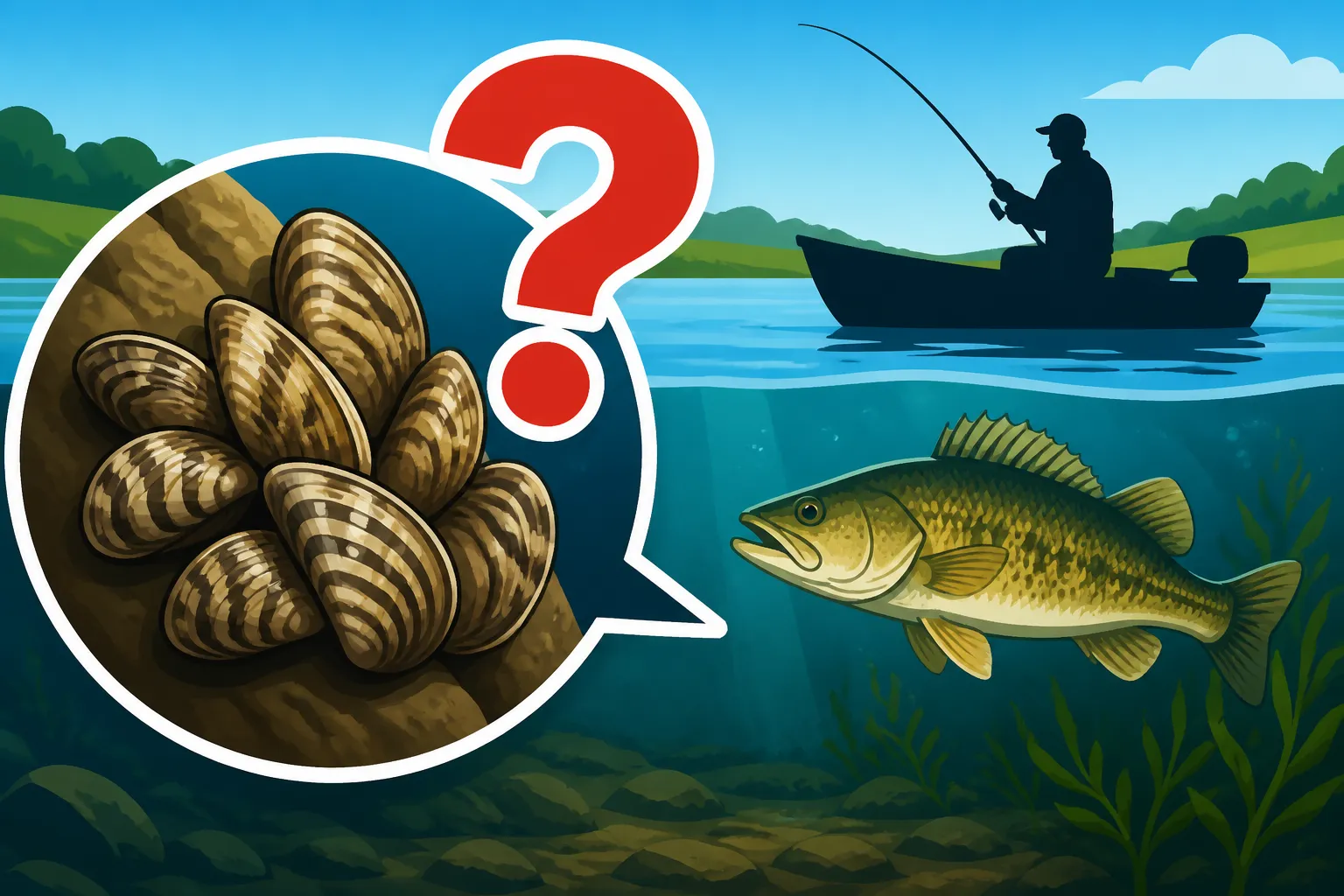
Before we get into their presence here in North Dakota, let's really understand what we're up against. Zebra mussels (scientific name Dreissena polymorpha) are small, D-shaped shellfish, typically no larger than an inch or two, with distinctive striped patterns on their shells – hence the "zebra" in their name. They're originally from Eastern Europe and Russia, but they've made their way across the globe, primarily through ballast water in ships, and have spread extensively across North America since the late 1980s.
What makes them such a problem? It's their incredible reproductive capacity and their ability to attach to almost any hard surface. They can produce tens of thousands of eggs per year, and those eggs develop into microscopic larvae called veligers, which are invisible to the naked eye and can drift freely in the water column for weeks before settling. Once settled, they secrete strong byssal threads, allowing them to cling tightly to rocks, docks, boat hulls, motors, and even other mussels or native clams. They're like tiny, biological super-glue experts, and that's where the trouble truly begins for our water systems.
They're not just a nuisance; they're an ecological disruptor. These little critters are filter feeders, meaning they constantly draw water in and strain out plankton – tiny plants and animals that form the base of the aquatic food web. While filtering might sound good, they do it so efficiently that they can deplete the food supply for native species, impacting everything from small larval fish to larger game fish like walleye and perch. It's a domino effect that can throw an entire ecosystem out of whack.
Zebra Mussels in North Dakota: A Reality We Face
So, to answer the burning question directly: Yes, zebra mussels have been detected in North Dakota waters. This isn't just a theoretical threat; it's a very real challenge that our state's Game and Fish Department, alongside countless dedicated anglers and conservationists, has been actively working to manage and prevent from spreading further. The initial detections sent ripples of concern through the angling community, and rightly so.
One of the primary concerns has been the potential for infestation in major water bodies. Lake Sakakawea, for instance, a sprawling reservoir and one of North Dakota's crown jewels for fishing, has been a focal point for monitoring and prevention efforts. Similarly, the Red River, which forms part of our eastern border, has also seen attention due to its connectivity to other infested waters downstream. Red River of the North Fishing Guide provides a lot of great information, but it's crucial to remember that its unique ecosystem also makes it vulnerable. The concern isn't just about a single lake, but the interconnectedness of our waterways – a detection in one spot could potentially lead to wider issues if not aggressively addressed.
The North Dakota Game and Fish Department has been incredibly proactive, implementing stringent measures and regularly updating the public. They conduct extensive monitoring, including veliger sampling, to detect these invasives early. When a detection occurs, whether it's an isolated incident or a more widespread presence, it triggers a rapid response protocol. This can include public advisories, increased inspection efforts, and sometimes even specific restrictions on certain areas or activities to try and contain the spread. It's an ongoing battle, and every angler plays a critical role.
Why They Matter: The Real Impact on Our Waters
The presence of zebra mussels isn't just an aesthetic problem; it can lead to a cascade of negative effects that fundamentally alter our aquatic environments and, by extension, our cherished fishing experiences. We're talking about changes that can impact everything from the clarity of the water to the very fish we seek to catch.
Ecological Damage to Native Species
Imagine a bustling underwater metropolis where suddenly, a new, incredibly efficient resident moves in and starts hoarding all the food. That's essentially what happens with zebra mussels. They filter vast amounts of water, consuming plankton that native fish species, especially young ones, and native invertebrates rely on. This can lead to a decline in the populations of those native species, disrupting the entire food chain. For instance, if the plankton base shrinks, it means less food for the smaller baitfish, which in turn means less food for our beloved walleye, northern pike, and perch. North Dakota Walleye Fishing Guide highlights just how vital a healthy ecosystem is for these prized fish.
Beyond competing for food, zebra mussels also attach to native mussels and crayfish, smothering them and preventing them from feeding or moving. This direct competition and physical impediment can decimate native populations, leading to a loss of biodiversity. A vibrant fishery relies on a balanced ecosystem, and zebra mussels are experts at throwing that balance off kilter.
Impact on Infrastructure and Recreation
It's not just the fish and native creatures that suffer. Zebra mussels are notorious for their ability to clog pipes and attach to any submerged surface. Think about water intake pipes for municipal water systems, irrigation systems for agriculture, or even power plant cooling systems. They can foul these vital pieces of infrastructure, leading to costly maintenance, reduced efficiency, and even complete shutdowns. For folks living near affected waters, this can translate to higher utility bills or service disruptions.
For us anglers, the impact is even more immediate and frustrating. These mussels will readily attach to boat hulls, motors, propellers, fishing gear, and even the anchors we drop. Not only does this add extra drag to your boat, potentially increasing fuel consumption, but it can also damage cooling systems in outboard motors, leading to expensive repairs. Docks, buoys, and other submerged structures become encrusted with sharp shells, making swimming and wading potentially hazardous. Imagine trying to navigate a boat launch that's covered in these sharp-edged creatures. It’s a real headache for anyone who enjoys recreational activities on our lakes.
Changes to Water Quality and Habitat
While zebra mussels are known to clarify water by filtering out particles, this isn't necessarily a good thing in the long run. Increased water clarity can lead to deeper penetration of sunlight, which might sound nice, but it encourages the growth of aquatic vegetation in areas where it previously couldn't thrive. This can fundamentally change fish habitats, potentially making some areas less suitable for certain species. Seasonal Fish Movement Patterns in North Dakota Lakes often depend on specific habitat features, and these changes can disrupt those patterns.
Furthermore, their waste products can accumulate, potentially altering the nutrient cycling in a lake. This can sometimes lead to issues like harmful algal blooms, which can be toxic to fish, wildlife, and even humans. The entire chemical and biological balance of the water body is at risk when zebra mussels become established.
Fighting the Spread: The Angler's Role in Prevention
The good news, if there is any in this situation, is that the primary way zebra mussels spread is through human activity. This means that we, the anglers, boaters, and outdoor enthusiasts, are the most powerful line of defense against their further invasion and spread. It comes down to a simple, yet incredibly effective mantra: Clean, Drain, Dry.
Clean Your Equipment Thoroughly
Every time you pull your boat, kayak, or even your waders and fishing gear out of the water, it's absolutely critical to clean it. This means inspecting every nook and cranny for any visible plant material, mud, or, most importantly, any attached mussels. Pay close attention to the hull, prop, lower unit, anchor, and even your fishing lines. If you see anything suspicious, remove it immediately. A stiff brush and a good rinse can make all the difference. You can find excellent boat brushes and cleaning solutions on sites like Amazon that are specifically designed to tackle grime without harming your boat's finish.
Don't forget the small stuff! Your fishing nets, livewells, bilge pumps, and even your tackle can harbor these tiny invaders or their microscopic larvae. Wash everything down. For smaller items, a simple soap and water scrub works wonders. Some areas might even have decontamination stations available, which use hot water to kill any potential invaders – always take advantage of these if you can.
Drain All Water
This step is arguably the most crucial for preventing the spread of the invisible veligers. After cleaning, you absolutely must drain all water from your boat, livewell, bilge, transom, and engine. This means pulling your drain plugs (and leaving them out during transport!), emptying your bait bucket, and ensuring there's no standing water anywhere that could harbor those tiny larvae. Even a small amount of water can contain thousands of veligers.
Think about it: if you take water from one lake, even if it looks clear, and transport it to another, you could be unknowingly introducing an invasive species. This is why laws often mandate that drain plugs must be removed when transporting watercraft. Always consult the North Dakota Fishing Regulations Explained or Aquatic Nuisance Species Rules for Boaters for the most up-to-date requirements in our state, as regulations can vary.
Dry Your Equipment Completely
Drying your equipment is the final, essential step. Zebra mussel veligers and even adult mussels cannot survive extended periods out of water, especially if exposed to dry, hot conditions. The recommended drying time can vary depending on the weather, but generally, a good rule of thumb is at least five days in warm, dry weather, or even longer during cooler, humid conditions. If you can't allow for a full dry time, then a thorough hot water wash (140°F or hotter) at a designated decontamination station is the next best thing.
Storing your boat and gear in the sun can help speed up the drying process. For items that are harder to dry completely, like ropes that might get tucked away, try to hang them up and ensure they're fully air-dried before your next outing. This "Clean, Drain, Dry" ethic isn't just a suggestion; it's a collective responsibility that protects our amazing North Dakota fisheries. It’s a small price to pay for ensuring future generations can enjoy the same fantastic angling we do today. How to Clean Your Boat to Stop Zebra Mussels offers even more specific guidance on this vital process.
| Step | Action | Why it Matters |
|---|---|---|
| Clean | Remove all visible mud, plants, and organisms from boat, trailer, and gear. Use a stiff brush or power washer. | Prevents the transport of adult mussels, plant fragments, and other aquatic invasive species (AIS). Small mussels can cling to almost any surface. |
| Drain | Pull all drain plugs. Drain bilge, livewell, bait buckets, and motor. Leave plugs out during transport. | Eliminates water that could contain microscopic veligers (larval zebra mussels) or other aquatic invasive species. These tiny creatures are invisible to the naked eye but can start new infestations. |
| Dry | Allow boat and equipment to dry completely for at least 5 days. | Kills any remaining veligers or adults that may have been missed during cleaning and draining. Many AIS cannot survive prolonged exposure to dry air. If drying isn't possible, a high-temperature wash is crucial. |
| Inspect | Before launching, double-check your vessel and gear for any attached organisms or hidden water. | Your last line of defense! A final quick inspection ensures you haven't overlooked anything, providing peace of mind that you're not inadvertently spreading AIS. |
Looking Forward: Protecting Our Fisheries for Generations
The fight against aquatic invasive species like zebra mussels is a long-term commitment, not a one-time event. It requires constant vigilance, education, and cooperation from everyone who enjoys North Dakota's incredible outdoors. The future of our fishing, hunting, and outdoor recreation depends on our collective efforts today.
Education is key. The more anglers understand the risks and the proper prevention techniques, the more effective we will be as a community. Organizations like the North Dakota Game and Fish Department invest heavily in public awareness campaigns, signage at boat launches, and direct outreach. We all have a role to play in spreading this knowledge to our fellow enthusiasts. If you see someone not following the "Clean, Drain, Dry" protocol, a friendly reminder can go a long way.
Research and monitoring also continue to evolve. Scientists are constantly studying zebra mussel biology, their spread patterns, and potential control methods. Early detection is paramount because it offers the best chance for containing or mitigating an infestation before it becomes irreversible. This is why reporting anything unusual you find in the water, or on your boat, is so important.
Our diverse fisheries are a treasure, from the smallest bluegill ponds to the expansive waters of Lake Sakakawea Fishing Guide for North Dakota Anglers. We want our kids and grandkids to experience the thrill of reeling in a trophy walleye or catching a bucket of perch through the ice. By consistently applying the "Clean, Drain, Dry" principles, investing in tools (even simple things like durable cleaning brushes or a bucket from Amazon for your gear) that help us adhere to these practices, and staying informed, we can all contribute to safeguarding North Dakota's waters for many generations to come.
Disclaimer
This article is for general informational purposes only and does not constitute professional advice. Laws, prices and regulations vary by location and change over time. Consult a qualified professional for guidance on your specific situation.