Goldeye Fishing in North Dakota
Many North Dakota anglers find themselves in a bit of a rut, consistently chasing after the same few popular species like walleye or northern pike, and often overlooking some truly unique and exciting fishing opportunities our waters hold. If you're looking to break away from the usual and discover a spirited fight from a lesser-known fish, or perhaps an excellent new bait source, then goldeye fishing might just be your next adventure. This comprehensive guide will walk you through everything you need to know about targeting goldeye in North Dakota, from identifying these fascinating fish to the best places to find them, the techniques to use, and how to best utilize your catch.
What Are Goldeye, Anyway? Identifying This Unique North Dakota Fish
Let's face it, when you mention "goldeye" to many anglers, you often get a blank stare. They're not the poster child of North Dakota fishing, but they're certainly a fish worth knowing. Understanding what makes a goldeye unique is the first step to appreciating them.
Distinguishing Features and Habitat
The goldeye (scientifically Hiodon alosoides) is a truly distinctive fish. First off, they're typically a silvery-sided fish, often with a hint of gold or bronze, especially on their back. Their body is compressed, meaning it's relatively deep but thin from side to side, giving them a sleek profile. The most striking feature, and the one that gives them their name, is their unusually large, golden eye. It's almost disproportionately big for their head, making them quite easy to identify once you know what to look for. Unlike many other North Dakota fish, goldeye lack an adipose fin, which is that small, fleshy fin found on the backs of fish like trout, salmon, and even catfish. This absence is a key identifier.
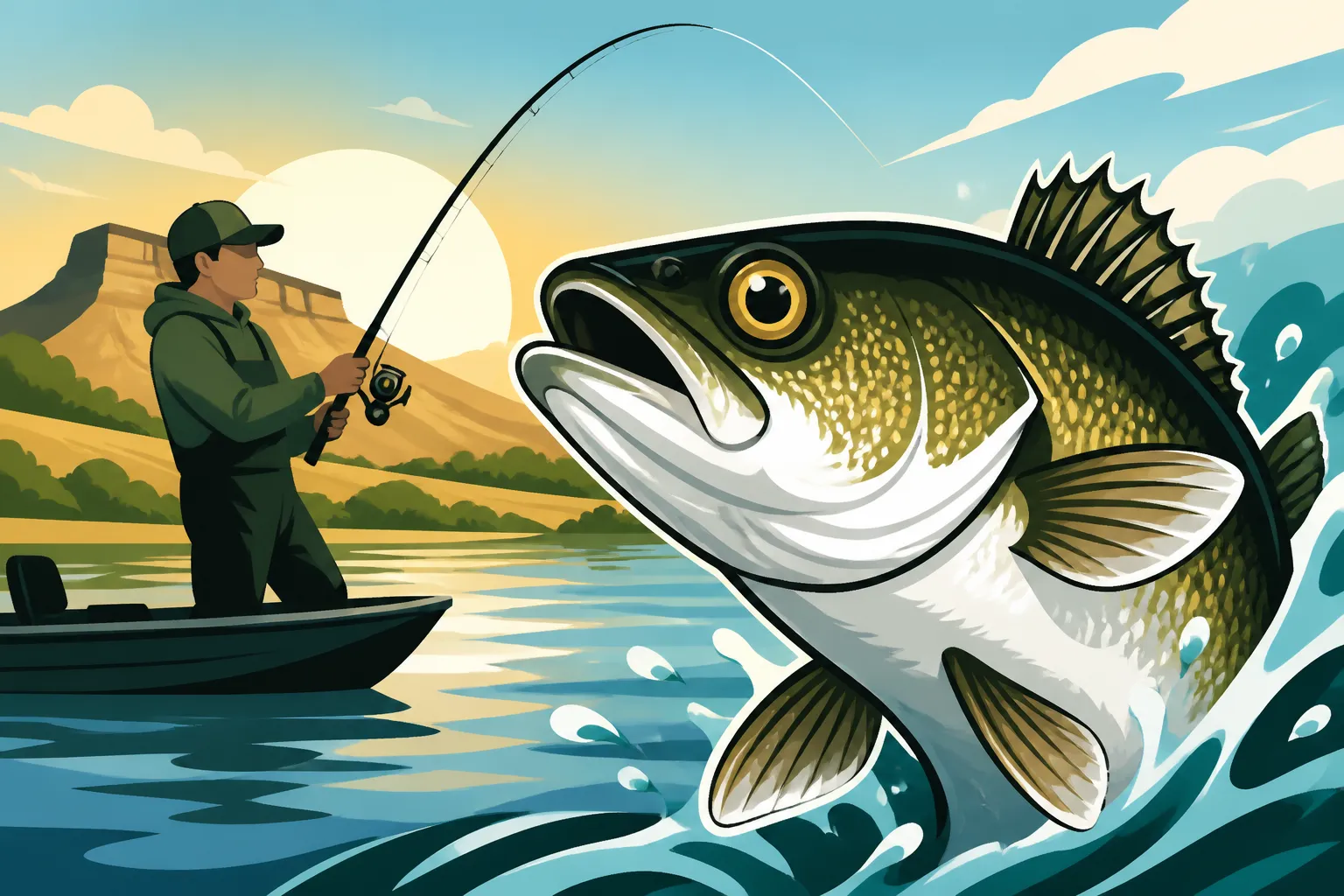
In terms of size, goldeye usually range from about 1 to 2 pounds, though larger specimens pushing 3-4 pounds aren't unheard of, especially in healthy river systems. While they won't pull you out of the boat, they offer a surprisingly vigorous fight on light tackle, often leaping out of the water like miniature tarpon! Their habitat preferences lean towards clear to slightly turbid waters with some current. You won't typically find them schooling in stagnant sloughs or small, shallow ponds. They prefer the more dynamic environments of larger rivers and reservoirs where water is always on the move.
It's pretty rare to confuse a goldeye with a walleye or pike, but sometimes anglers might mistake them for a mooneye or even certain species of whitefish, especially if they're not paying close attention. The mooneye, while similar in appearance and closely related, generally has smaller eyes and a more silvery, less golden hue. Crucially, remembering that large golden eye and the lack of an adipose fin will typically set a goldeye apart from any other species you're likely to encounter in North Dakota.
Where Goldeye Fit in the North Dakota Ecosystem
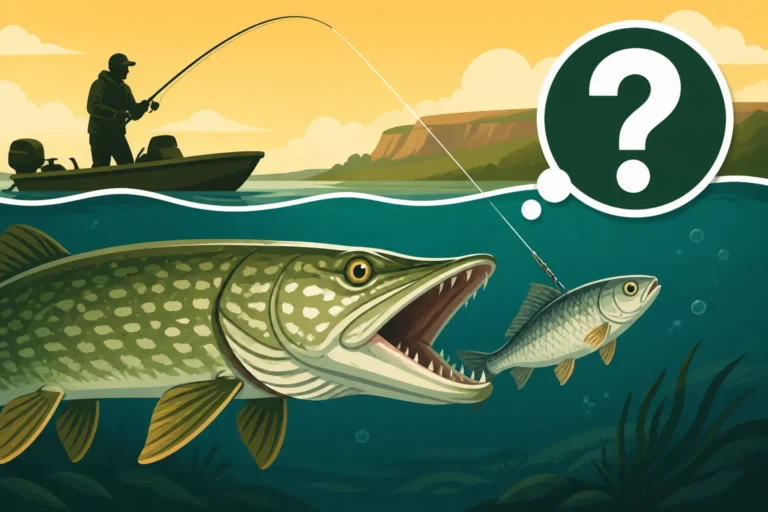
Goldeye play a pretty important role in the aquatic food web of North Dakota. They're often considered a forage fish, meaning they're a food source for larger predatory species that anglers love to target. Think of them as a healthy snack for a big North Dakota Northern Pike Fishing Guide or a hungry North Dakota Walleye Fishing Guide. This makes them an integral part of maintaining the balance in our larger fisheries.
Their feeding habits are quite diverse, which also makes them fun to target. Goldeye are opportunistic feeders, preying on a variety of items including aquatic insects, terrestrial insects that fall into the water, small minnows, and crustaceans. This broad diet means they aren't overly picky when it comes to bait, which is good news for us anglers! This adaptability allows them to thrive in various conditions as long as their preferred water dynamics are present.
Despite not being the most sought-after game fish, goldeye populations are generally healthy and abundant in their preferred North Dakota habitats. They are a resilient species, capable of adapting to some environmental changes, and their numbers seem to hold strong, ensuring that they remain a viable option for anglers looking for something different. You might even find them listed on a Complete List of Game Fish Species in North Dakota, showcasing their official status.
Prime Goldeye Fishing Spots in North Dakota
Knowing what a goldeye is and what it eats is one thing, but knowing where to find them is the real trick. Luckily, North Dakota boasts some excellent waters for these spirited fighters.
River Systems: The Missouri and Red Rivers
When you think about goldeye, river systems should immediately come to mind. These fish thrive in moving water, and North Dakota has two major rivers that are fantastic for them. The Missouri River is arguably one of the best places to target goldeye. Below the Garrison Dam, in particular, the powerful current and abundant forage create an ideal environment. Here, you'll want to focus your efforts on current seams, eddies, and deeper holes where fish can escape the strongest flow but still ambush passing food. The tailrace areas, where water is consistently moving and baitfish are concentrated, are particularly productive. If you're looking for more general information on fishing this majestic river, check out our Missouri River Fishing Guide.
The Red River of the North, famous for its monster channel catfish, is another prime location for goldeye. While the catfish often steal the spotlight, goldeye are abundant throughout its stretches. Look for them in areas with slower currents, behind submerged logs, along deeper bends, or at the mouths of smaller tributaries. They often share habitat with other species, so you might be targeting catfish and find yourself reeling in a goldeye instead! Our Red River Catfish Fishing Spots in North Dakota guide might offer some crossover locations that prove fruitful for goldeye as well.
Beyond these two giants, don't overlook smaller river tributaries or even larger creek mouths that feed into them. These areas, especially during higher water flows or after heavy rains, can concentrate goldeye looking for an easy meal of washed-in insects or baitfish. Always remember that goldeye like current, so finding where that water movement is happening will put you on the fish.
Lake Sakakawea and Other Large Reservoirs
While rivers are their bread and butter, goldeye can also be found in larger reservoirs, especially those with significant riverine characteristics or strong current flows in certain sections. Lake Sakakawea, being a massive impoundment of the Missouri River, holds a healthy population of goldeye, particularly in its upper reaches where the river influence is still strong. Think of the areas closer to the river's entry point, or within deeper channels that still experience some flow. These zones replicate their preferred river environment more closely than the wider, slower bays. For a broader overview of this magnificent body of water, our Lake Sakakawea Fishing Guide for North Dakota Anglers covers many general areas.
When fishing larger reservoirs for goldeye, the key is to understand that they're still seeking out that moving water or areas where baitfish are abundant and easily accessible due to current. This might mean fishing near submerged creek channels, along breaklines where current sweeps past, or around main lake points that disrupt flow. They're less likely to be found in vast, open expanses of still water.
Other reservoirs that have significant river connections or distinct inflows and outflows can also hold goldeye. The adaptable nature of these fish allows them to adjust, but their preference for current and abundant food sources remains consistent. Always prioritize areas where water is moving, even subtly, or where you can identify concentrations of baitfish, as these are strong indicators that goldeye might be present.
Techniques and Tackle for Catching Goldeye
Catching goldeye isn't rocket science, which is part of their appeal. They're often eager biters, and you don't need highly specialized gear to have a successful outing.
Simple Rigs for Active Biters
The beauty of goldeye fishing is its simplicity. You don't need heavy-duty equipment; in fact, lighter tackle often makes the experience more enjoyable, allowing you to truly feel their spirited fight. A light to medium-light spinning rod, around 6 to 7 feet in length, paired with a small to medium-sized spinning reel, is perfect. This setup provides enough backbone to cast effectively but enough flexibility to cushion those powerful runs and leaps. You can find excellent, affordable spinning rod and reel combos for goldeye on Amazon, which will serve you well for many other light tackle applications too. If you're curious about other options, our Best Fishing Rods for North Dakota Anglers offers a broader perspective.
For rigging, a basic setup is usually all you need. A simple hook (sizes 6 to 10 are generally good), a small split shot or two crimped a foot or so above the hook, and an optional small bobber is often sufficient. If you're fishing in current or trying to get your bait down a bit deeper, a slip bobber rig can be incredibly effective, allowing you to adjust your depth easily. For bottom fishing in heavier current, a small egg sinker above a swivel, with a short leader to your hook, will keep your bait in the strike zone. These fish are not leader shy, so don't overthink it.
When it comes to fishing line, a lighter monofilament or fluorocarbon line in the 4-8 pound test range works wonderfully. It's sensitive enough to detect subtle bites but strong enough to handle a feisty goldeye. Braided line could also be used, especially if you're fishing in areas with snags, but a monofilament leader is always a good idea for a bit of stealth and abrasion resistance.
Best Baits and Lures for Goldeye
Goldeye are not picky eaters, which makes them a joy to fish for. Their opportunistic nature means you have a wide array of options when it comes to bait.
Natural Baits:
- Worms: Nightcrawlers and red wigglers are perennial favorites for almost any fish, and goldeye are no exception. A small piece of worm on a hook is often irresistible.
- Cut Bait: Small pieces of minnow or other oily fish can be highly effective, especially when drifted in current. The scent trail really calls them in.
- Insects: Terrestrial insects like grasshoppers, crickets, or even small beetles, fished on the surface or just below, can mimic their natural prey perfectly.
- Corn or Dough Balls: Believe it or not, some anglers have success with sweet corn or small dough balls, especially in areas where these might be introduced by other anglers.
For more general bait advice that might cross over, check out Best Bait for North Dakota Fishing.
Artificial Lures:
- Small Jigs: Jigs ranging from 1/32 to 1/8 ounce, tipped with a small plastic grub, a piece of worm, or even a minnow head, are deadly. Bright colors like chartreuse, white, or pink often get their attention, especially in stained water.
- Small Spinners: Classic inline spinners, like a Mepps or Rooster Tail, in sizes 0 or 1, can be cast and retrieved slowly to entice strikes. The flash and vibration are highly attractive.
- Tiny Crankbaits: Very small crankbaits designed for panfish or trout can also work, especially when targeting larger goldeye.
No matter your choice, presenting the bait naturally is key. Whether you're drifting a worm with the current, slowly retrieving a jig near a weed line, or still fishing under a bobber in an eddy, watch for any subtle tap or movement of your line.
Timing and Conditions for Goldeye Success
While goldeye can be caught throughout the open water season, understanding their preferred activity times and how conditions influence them can definitely improve your success rate. For details on the broader fishing calendar, our North Dakota Fishing Season Calendar can be a great reference.
Goldeye are often most active during the low-light periods of dawn and dusk. Just like many other predatory fish, they use these times to their advantage, ambushing prey when visibility is reduced. However, don't write off the middle of the day, especially if it's overcast or cloudy. On bright, sunny days, they might retreat to deeper, shadier areas. Many anglers have also found success fishing for goldeye at night, particularly in river systems where they actively feed under the cover of darkness. This makes them a great target for those evening fishing trips when other species might have shut down.
Seasonally, you can typically target goldeye from spring thaw right through late fall, as long as the water is open. They're quite resilient to changing water temperatures. The key to consistent success often lies in "reading the water." Look for visual cues like current breaks where a fast current meets slower water, forming an eddy. Submerged structures like fallen trees, rock piles, or bridge pilings that create current disruptions are also prime locations. These spots offer goldeye a place to rest out of the main current while still being in a prime position to intercept food. Keeping an eye on what flies are hatching or what small baitfish are present can also give you clues as to what baits might be most effective on any given day.
Goldeye: Are They Good for Eating or Bait?
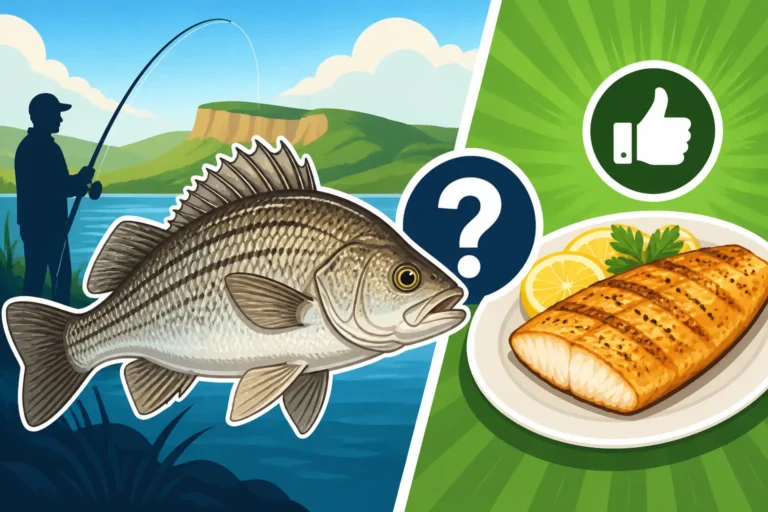
This is where the goldeye truly shines, or at least, becomes highly debatable depending on who you ask. While not traditionally considered a table fare delicacy in the same vein as walleye, they have a dedicated following for specific preparations, and they are unequivocally fantastic bait.
Culinary Value: The Smoked Delicacy
Let's address the elephant in the room: many people find goldeye to be quite bony, which is a fair assessment for certain preparations. However, to truly appreciate goldeye on the plate, you need to think outside the traditional pan-fried fillet box. When prepared correctly, particularly by smoking, goldeye transform into a rich, savory delicacy. Indigenous communities and many seasoned anglers swear by smoked goldeye, and for good reason.
The process usually involves filleting the fish (many anglers leave the skin on for smoking), brining the fillets in a salt and sugar solution for several hours or overnight, and then smoking them slowly over wood (like alder or apple) until they are flaky and golden brown. The smoking process not only infuses the flesh with incredible flavor but also helps to soften the smaller, finer bones, making them less noticeable or even edible. The resulting flavor is distinctly rich, somewhat oily, and uniquely savory – a truly gourmet experience that rivals some smoked salmon. If you enjoy smoked fish, you absolutely owe it to yourself to try smoked goldeye.
Beyond smoking, some intrepid cooks also pickle goldeye, which can further soften bones and infuse them with a tangy flavor. Others may grind the meat for fish patties or fish cakes, which bypasses the bone issue entirely. While not as common, these methods offer alternatives for those who find the smoking process too involved. Don't let their bony nature deter you; with the right approach, goldeye are surprisingly delicious.
Excellent Live Bait and Cut Bait
Now, if you're not planning on smoking your catch, goldeye truly excel as bait for other, larger game fish. In fact, many anglers specifically target goldeye as a premium bait source.
As live bait, goldeye are hard to beat. They are incredibly energetic and lively on a hook, attracting the attention of formidable predators like large northern pike, trophy walleye, or even big burbot. Their silvery flash and constant movement make them an irresistible meal for bigger fish looking for a substantial snack. They're particularly effective when fished under a large bobber or on a slip sinker rig in areas where these predators lurk. You might find some useful rigging tips in our Best Live Bait for Early Season Walleye article, which can be adapted for goldeye.
As cut bait, goldeye also perform admirably. Their firm, oily flesh holds up well on a hook and releases a strong scent trail into the water, making them ideal for targeting species like channel catfish on the Red River or other large bottom feeders. Simply cut them into chunks or strips, thread them onto a sturdy hook, and present them on a bottom rig. You can easily find the robust hooks and swivels needed for cut bait rigs on Amazon, ensuring you're ready for whatever bites.
Before using goldeye as bait, it's always wise to double-check the current North Dakota Fishing Regulations Explained. While generally legal to use legally caught fish as bait, there might be specific rules regarding transport or use in certain water bodies to prevent the spread of diseases or aquatic nuisance species. Always be informed and fish responsibly!
| Aspect | Eating Value | Bait Value |
|---|---|---|
| Preparation | Best when smoked or pickled; bony | Live (for larger fish) or cut bait |
| Flavor/Appeal | Rich, savory, unique (smoked) | Oily, active, attracts predators |
| Target Species | Human consumption, gourmet | Pike, Walleye, Catfish, Burbot |
| Ease of Use | Requires specific preparation | Simple to use as live or cut bait |
Disclaimer
This article is for general informational purposes only and does not constitute professional advice. Laws, prices and regulations vary by location and change over time. Consult a qualified professional for guidance on your specific situation.