Complete List of Game Fish Species in North Dakota
It can be incredibly confusing to figure out which fish are actually considered "game fish" when you're out on the water in North Dakota. With so many different species swimming in our lakes and rivers, it’s easy to wonder what you're legally allowed to pursue and what's regulated differently. This comprehensive guide aims to demystify North Dakota's fishing regulations, providing you with a complete, detailed list of the official game fish species you can target across our beautiful state.
What Exactly is a "Game Fish" in North Dakota?
First things first, let's talk about what "game fish" actually means here in North Dakota. It's not just a fancy term; it's a legal designation by the North Dakota Game and Fish Department (NDGFD) that dictates which species are managed for sport fishing. This means they have specific seasons, size limits, daily creel limits, and possession limits designed to ensure their populations remain healthy and provide excellent angling opportunities for everyone. Understanding this distinction is crucial because it directly impacts how you plan your fishing trips, what gear you might need, and what you're allowed to keep. It's the framework that helps maintain the incredible fisheries we all cherish.
Many anglers might not always think about the "why" behind these designations, but it's really all about conservation and sustainable enjoyment. By categorizing certain species as game fish, the NDGFD can implement specific rules to prevent overfishing and protect crucial spawning grounds. This ensures that generations to come will still have the chance to experience the thrill of catching a trophy walleye or a massive pike. It also means that when you’re out on the water, you’re not just randomly casting a line; you’re participating in a regulated sport that contributes to the health of our natural resources.
The regulations around game fish are typically published annually in the North Dakota Fishing Guide, which is absolutely essential reading for any angler, new or seasoned. You can usually pick one up at any license vendor, or find it online. These guides lay out everything from North Dakota Fishing Season Dates and Limits to specific rules for different bodies of water, which can vary quite a bit. Always double-check these regulations before you head out, as they can sometimes change to adapt to biological factors or environmental conditions.
The Big Three: Walleye, Northern Pike, and Yellow Perch
When most people think of fishing in North Dakota, these three species immediately come to mind. They are, without a doubt, the most popular and widely pursued game fish in the state, each offering a unique angling experience and contributing significantly to our fishing culture.
Walleye: The Golden Prize
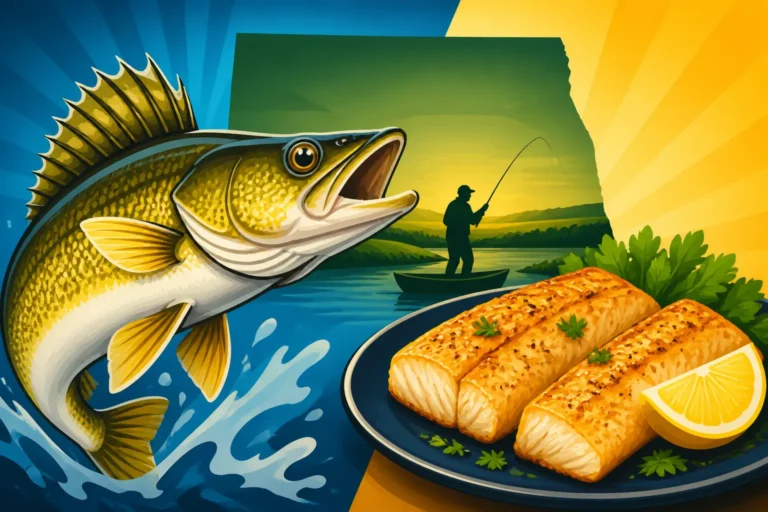
Ah, the walleye. If there's one fish that truly symbolizes North Dakota angling, it's the walleye. Revered for its delicious, flaky white meat and its challenging nature, the walleye is a highly sought-after game fish. You'll find them thriving in most of our larger lakes and reservoirs, especially gems like Lake Sakakawea, Devils Lake, and Lake Oahe. Anglers spend countless hours honing their techniques, from trolling crankbaits to jigging with live bait, all in pursuit of that tell-tale "thunk" of a walleye bite.
Walleye are characterized by their large, glassy eyes, which are specially adapted for low-light conditions, making dawn, dusk, and even night fishing incredibly productive. They tend to prefer deeper, cooler waters during the heat of summer but will move shallower during spring and fall, especially near structure like submerged points, humps, and weed lines. Understanding these seasonal movements is key to consistent success. For a deep dive into targeting these beauties, check out our North Dakota Walleye Fishing Guide.
Many anglers also wrestle with distinguishing walleye from their close cousins, the sauger. It's a common struggle! Walleye typically have a more pointed dorsal fin, a dark spot on the last few rays of the first dorsal fin, and no spots on their body. Sauger, on the other hand, often have distinct spots on their body and horizontal rows of spots on their dorsal fin. Knowing the difference is important not just for bragging rights, but because regulations can sometimes differ slightly between the two species.
Northern Pike: The Freshwater Shark
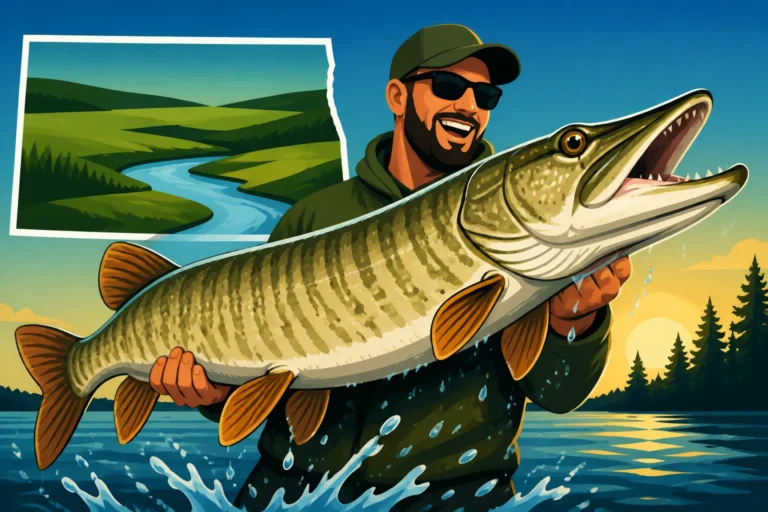
If you're looking for an aggressive fight and a fish with a serious attitude, the northern pike is your go-to. These elongated, toothy predators are widespread across North Dakota, inhabiting everything from vast reservoirs to smaller prairie lakes and even many river systems. They're known for their explosive strikes and powerful runs, often putting a significant bend in your rod. Many anglers consider them a thrilling catch, though some might argue about their eating quality compared to walleye.
Northern pike are ambush predators, often found lurking in weed beds, around submerged timber, or along sharp drop-offs, waiting to dart out and snatch an unsuspecting baitfish. Large spoons, spinnerbaits, and even topwater lures can trigger ferocious strikes from these powerful fish. They grow to impressive sizes in North Dakota, with trophy-class pike often exceeding 15 or 20 pounds, making them a fantastic challenge for dedicated anglers. Learning how to properly handle a pike, with their sharp teeth and gill plates, is a skill every angler should master.
Ice fishing for northern pike is also incredibly popular, especially with tip-ups. Setting up a spread of tip-ups with large dead baits, like smelt or chub, and watching a flag pop up on a cold winter day is an unforgettable experience. Pike fishing offers a different kind of thrill compared to walleye or perch, often involving heavier gear and a readiness for a more intense battle. If you're keen on chasing these freshwater sharks, our North Dakota Northern Pike Fishing Guide has all the details you need to get started.
Yellow Perch: The Ice Fishing Staple
While walleye might be king in open water, yellow perch truly reign supreme during the ice fishing season. These feisty panfish are highly prized for their delicate, sweet meat and their tendency to school up, meaning when you find one, you've often found a whole mess of them. Devils Lake is arguably the most famous perch fishery in North Dakota, producing incredible numbers and sizes of these striped beauties year after year.
Yellow perch are easily identifiable by their golden-yellow sides with distinctive dark vertical bars. They're often found in relatively shallow to moderate depths, especially around weed beds, submerged structures, or soft bottom areas where insect larvae and small crustaceans abound. Ice anglers flock to frozen lakes, drilling holes and dropping small jigs tipped with maggots, wax worms, or a small minnow to entice these tasty fish. The fast-paced action can be incredibly addictive, making them a favorite for families and seasoned ice anglers alike.
Beyond ice fishing, perch can also be caught in open water, though they don't get as much dedicated attention as walleye or pike during these seasons. Light tackle, small jigs, and live bait are the keys to success. They make excellent table fare, and a day of catching a bucket full of "jumbo" perch is considered a banner day by many. To learn more about targeting these striped beauties, check out our North Dakota Yellow Perch Fishing Guide.
Beyond the Classics: Bass, Catfish, and More
While the big three often steal the spotlight, North Dakota's waters are home to a diverse array of other fantastic game fish that offer incredible angling opportunities. From hard-fighting bass to powerful catfish, there's always something new to target.
Channel Catfish: Red River Royalty
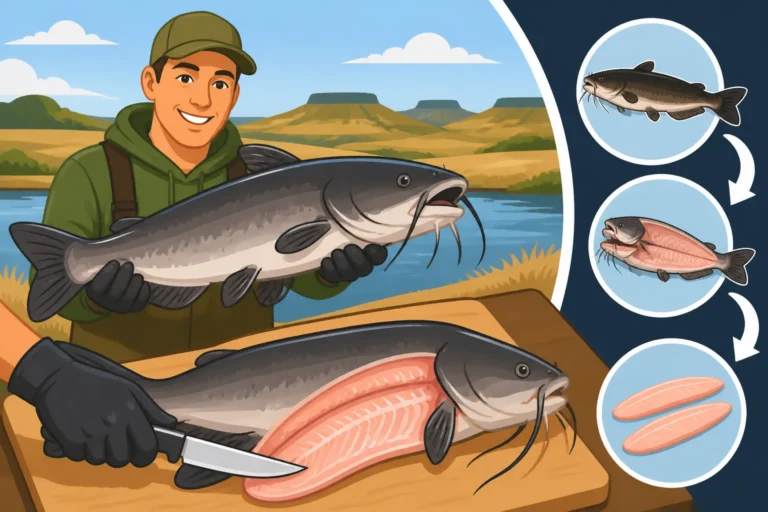
If you've ever tangled with a channel catfish, especially one from the mighty Red River of the North, you know what a fight they can put up. These strong, whiskered fish are a premier game fish in North Dakota, particularly in the Red River, which is world-renowned for its trophy channel catfish fishery. Anglers come from all over to try and land a monster "cat" that can weigh upwards of 20 pounds, sometimes even more. Their strength and size make them an incredible challenge on stout tackle.
Channel catfish are bottom dwellers, often found in deeper holes, current seams, and around submerged snags in rivers. In lakes and reservoirs, they frequent muddy or silty bottoms and can often be found near inflowing creeks or river mouths. They are opportunistic feeders, responding well to baits with strong odors, such as cut bait, stink baits, and even a good old hot dog. Night fishing for catfish is a popular and often highly successful tactic, as they become more active under the cover of darkness. Finding the right spots, especially along the Red River near places like Grand Forks or Fargo, can lead to epic battles.
Catching these powerful fish can be a true test of strength and endurance. You'll want a sturdy rod and reel, strong line, and a good net to bring these heavyweights to shore or into the boat. For everything you need to know about pursuing these whiskered giants, our North Dakota Channel Catfish Fishing Guide is an invaluable resource. You can often find specialized catfish rigs and baits on platforms like Amazon that are perfect for tackling the Red River's strong currents.
Smallmouth Bass: Pound-for-Pound Fighters
For anglers who appreciate a tenacious fight and acrobatic jumps, the smallmouth bass is an absolute gem. While perhaps not as widespread as walleye or pike, smallmouth populations are thriving in certain North Dakota waters, most notably Lake Sakakawea and Lake Audubon. These fish are known for their incredible fighting ability, often leaping clear out of the water when hooked, earning them the nickname "bronze backs." They might not reach the sheer size of a pike or a big catfish, but pound-for-pound, they are among the hardest fighting fish you can encounter.
Smallmouth bass prefer clear, rocky waters with plenty of structure, such as submerged boulders, riprap, and gravel beds. You'll often find them cruising the edges of drop-offs or holding tight to cover. Lures like crankbaits, spinnerbaits, tube jigs, and soft plastics are incredibly effective for smallmouth. They are visual predators, and their aggressive nature makes them a blast to target on light to medium tackle. Experiencing a strong smallmouth strike on a calm morning can really get your heart pumping!
As their populations have grown in specific lakes, they've become a more recognized game fish, drawing dedicated bass anglers to our state. They're not just a fun catch; they're also a beautiful fish with their distinctive bronze coloration. Our North Dakota Smallmouth Bass Fishing Guide offers more specific techniques and locations to help you hook into these feisty fighters.
Sauger: The Walleye's Cousin
Often mistaken for walleye, sauger are a distinct and equally prized game fish in North Dakota, particularly in the Missouri River system, including Lake Sakakawea and Lake Oahe. While they share many characteristics with walleye, sauger tend to prefer murkier, more current-heavy waters and often inhabit deeper sections of rivers and reservoirs. They're also known for their excellent table fare, rivaling the walleye in flavor.
Distinguishing between a sauger and a walleye can sometimes be tricky for the untrained eye. Sauger typically have distinct dark spots on their dorsal fin that are arranged in rows, and their bodies often have blotchy, dark markings, unlike the cleaner sides of a walleye. They generally don't grow quite as large as walleye but still provide a strong, satisfying fight. Anglers often catch sauger using similar methods to walleye, such as jigging, trolling, and using live bait.
The Missouri River below Garrison Dam is a prime location for sauger, especially during cooler months. The moving water and abundant forage create an ideal habitat for these adaptable fish. Understanding their preferences for current and deeper structure will greatly increase your chances of success. They truly are a fantastic game fish, deserving of their own recognition beyond just being a "walleye look-alike." Dive deeper into targeting these fish with our North Dakota Sauger Fishing Guide.
Crappie and Bluegill: Panfish Perfection
For family-friendly fishing fun and a delicious meal, you can't go wrong with crappie and bluegill. These panfish species are abundant in many North Dakota lakes and ponds, offering consistent action and a great way to introduce new anglers to the sport. While they don't reach the trophy sizes of walleye or pike, their sheer numbers and willingness to bite make them incredibly popular.
Crappie, both black and white varieties, are known for their papery mouths and slab-sided bodies. They tend to school up around submerged brush, fallen trees, dock pilings, and weed edges. They love to suspend in the water column, making them a target for vertical jigging with small jigs tipped with minnows or plastics. Spring and fall are prime times to target crappie as they move into shallower water. For more specific techniques on catching these tasty panfish, check out our North Dakota Crappie Fishing Guide.
Bluegill, with their vibrant colors and feisty tug, are a childhood classic. They are typically found in shallow, weedy areas, often near shorelines or around aquatic vegetation. A simple setup with a bobber, a small hook, and a piece of worm or a tiny jig is often all it takes to catch a mess of bluegill. They are perfect for teaching kids how to fish, as they're usually eager biters. While small, a cooler full of bluegill fillets makes for an excellent fish fry!
Specialty Species: Chinook Salmon, Trout, and Unique Catches
Beyond the common game fish, North Dakota offers some truly unique and exciting opportunities for anglers willing to explore. These specialty species often have specific habitats or seasons that make them a distinct challenge and a rewarding catch.
Chinook Salmon: Lake Sakakawea's Ocean Dweller
It might surprise some, but you can actually catch Pacific salmon in North Dakota! Chinook salmon are stocked into Lake Sakakawea, turning this massive reservoir into a landlocked "ocean" fishery. These powerful, fast-growing salmon offer an incredible open-water angling experience, especially for those who love to troll big water. They are a truly unique game fish in a prairie state, providing a taste of big-game fishing far from the ocean.
Chinook salmon are primarily pelagic, meaning they roam the open waters of Lake Sakakawea, feeding on smelt and other baitfish. Anglers typically target them by trolling with downriggers, planer boards, and specialized spoons or plugs that mimic their natural prey. The fight of a Chinook is legendary – powerful runs, head shakes, and incredible stamina that will test your gear and your muscles. They grow to impressive sizes, with many fish in the double-digit pound range.
Targeting Chinook requires specialized equipment and a good understanding of their movements and preferences in a vast body of water like Sakakawea. This is where a good sonar/chartplotter combination, perhaps one you scouted on Amazon, becomes invaluable. They are a cold-water species, so the best fishing usually occurs when the lake's deeper waters are cool enough for them. Our North Dakota Chinook Salmon Fishing Guide will give you the full rundown on how to successfully pursue these magnificent fish.
Trout Species: Hidden Gems in North Dakota Waters
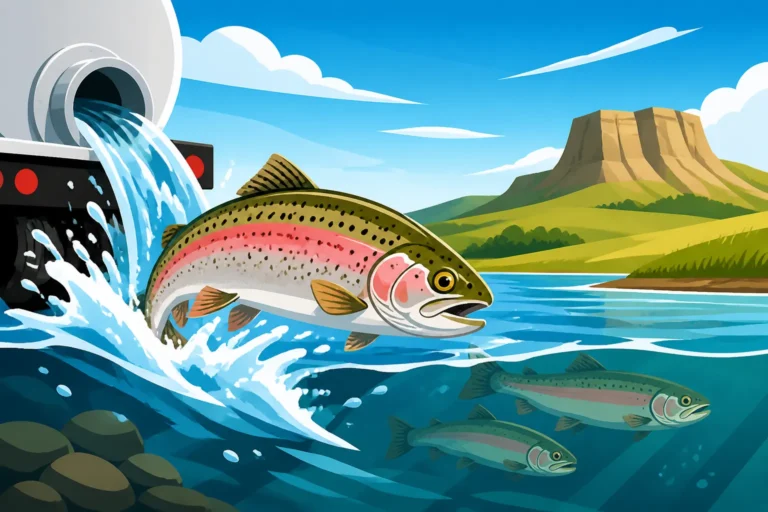
While North Dakota isn't known for its mountain streams, the state does offer some surprisingly good trout fishing, particularly for rainbow trout, brown trout, and occasionally brook trout. These fisheries are often sustained by stocking programs in smaller lakes, ponds, and some specific river sections, providing a delightful alternative for anglers looking for a different challenge.
Rainbow trout are the most commonly stocked trout species, offering vibrant colors and spirited fights. They can be caught using a variety of methods, including casting small spinners or spoons, fly fishing with nymphs and dry flies, or simply still-fishing with powerbait or worms. Lakes like the Nelson Lake or those in the Turtle Mountains can offer fantastic opportunities. Brown trout, known for being a bit more wary, can be found in some deeper, cooler waters, often presenting a greater challenge for anglers. They respond well to artificial lures and flies, particularly those mimicking baitfish.
These trout fisheries provide a wonderful contrast to the typical walleye or pike fishing, often in more serene and picturesque settings. They're a testament to the diverse angling experiences available across North Dakota.
Paddlefish: A Prehistoric Thrill
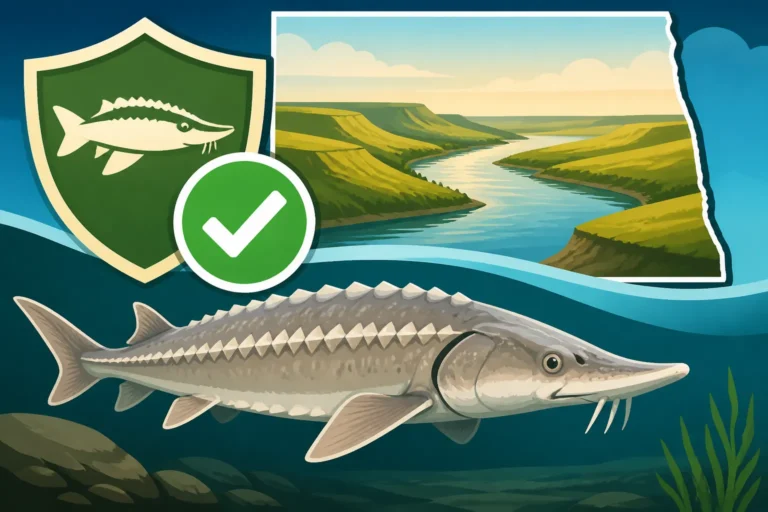
For a truly unique and powerful angling experience, North Dakota's paddlefish snagging season is an event unlike any other. These prehistoric giants, characterized by their long, paddle-shaped snout, are one of the largest freshwater fish in North America. They are filter feeders, meaning they don't bite traditional baits, so they are legally harvested by snagging during a limited season, primarily on the Yellowstone and Missouri Rivers in the western part of the state.
Paddlefish snagging is a physically demanding sport. Anglers use heavy-duty rods and reels, often equipped with strong braided line and large, unbaited treble hooks, casting them out and then aggressively retrieving to "snag" the fish. When you hook into a paddlefish, be prepared for a long, powerful battle. These fish can weigh well over 100 pounds, and bringing one to shore is an incredible feat of strength and endurance. It's truly a bucket-list experience for many anglers.
Due to their unique nature and conservation efforts, paddlefish have very specific regulations, including special tags and a short season. It's crucial to understand all the rules before participating in this unique fishery to ensure you're fishing legally and responsibly.
Freshwater Drum and White Bass: Unexpected Fun
North Dakota's list of game fish also includes a couple of species that might not be on everyone's radar but offer fantastic sport and good eating: the freshwater drum (often called "sheepshead") and white bass.
Freshwater drum are widely distributed throughout the state's larger rivers and lakes, including the Missouri River and its reservoirs. They are strong fighters, particularly on light tackle, and can grow to respectable sizes. While some anglers might consider them a "rough fish," they are officially recognized as a game fish and provide excellent action. They respond well to jigs, worms, or cut bait fished on the bottom. When cleaned properly, their firm, white meat can be surprisingly delicious.
White bass are another schooling species found in many of our larger reservoirs and rivers. These aggressive little fighters are incredibly fun to catch, especially when you find a schooling frenzy. They're often targeted with small spoons, spinners, or topwater lures, providing fast and furious action, particularly during the summer months. Like crappie, they make great table fare and are a fantastic option for high-numbers fishing.
Here's a quick summary of some of the key game fish species in North Dakota:
| Species | Primary Habitat (ND) | Typical Size Range (Catchable) | Distinctive Feature(s) | Common Angling Method(s) |
|---|---|---|---|---|
| Walleye | Lakes, Reservoirs, Rivers | 14-25 inches | Large eyes, dorsal fin spot, no body spots | Jigging, Trolling, Live Bait |
| Northern Pike | All waters, weedy areas | 20-35 inches | Elongated body, duck-bill snout, sharp teeth | Spoons, Spinnerbaits, Tip-ups |
| Yellow Perch | Lakes, Ponds, Reservoirs | 8-12 inches | Golden-yellow with vertical bars | Ice Jigging, Small Jigs |
| Channel Catfish | Rivers, Large Lakes | 15-30+ inches | Forked tail, barbels ("whiskers") | Cut Bait, Stink Bait, Bottom Rigs |
| Smallmouth Bass | Rocky Lakes, Reservoirs | 12-18 inches | Bronze color, vertical bars, powerful fighter | Crankbaits, Jigs, Soft Plastics |
| Sauger | Missouri River System | 12-20 inches | Spotted dorsal fin, blotchy body | Jigging, Trolling, Live Bait |
| Crappie (Black/White) | Lakes, Ponds, Reservoirs | 9-13 inches | Slab-sided, dark mottling (black), vertical bars (white) | Small Jigs, Minnows, Plastics |
| Bluegill | Ponds, Lakes, Weedy Areas | 6-9 inches | Small mouth, "ear" flap, vibrant colors | Worms, Tiny Jigs, Bobbers |
| Chinook Salmon | Lake Sakakawea | 15-25+ pounds | Silver body, black spots on back and tail | Trolling with Spoons/Plugs |
| Rainbow Trout | Stocked Lakes, Ponds | 10-20 inches | Pinkish stripe, dark spots | Spinners, Flies, Powerbait |
| Paddlefish | Yellowstone/Missouri River | 50-100+ pounds | Long, paddle-shaped snout | Snagging (special season/rules) |
| Freshwater Drum | Rivers, Large Lakes | 15-25 inches | Humped back, silvery, strong fighter | Jigs, Worms, Cut Bait |
| White Bass | Reservoirs, Large Lakes | 10-14 inches | Silvery, distinct horizontal stripes | Small Lures, Spinners, Topwater |
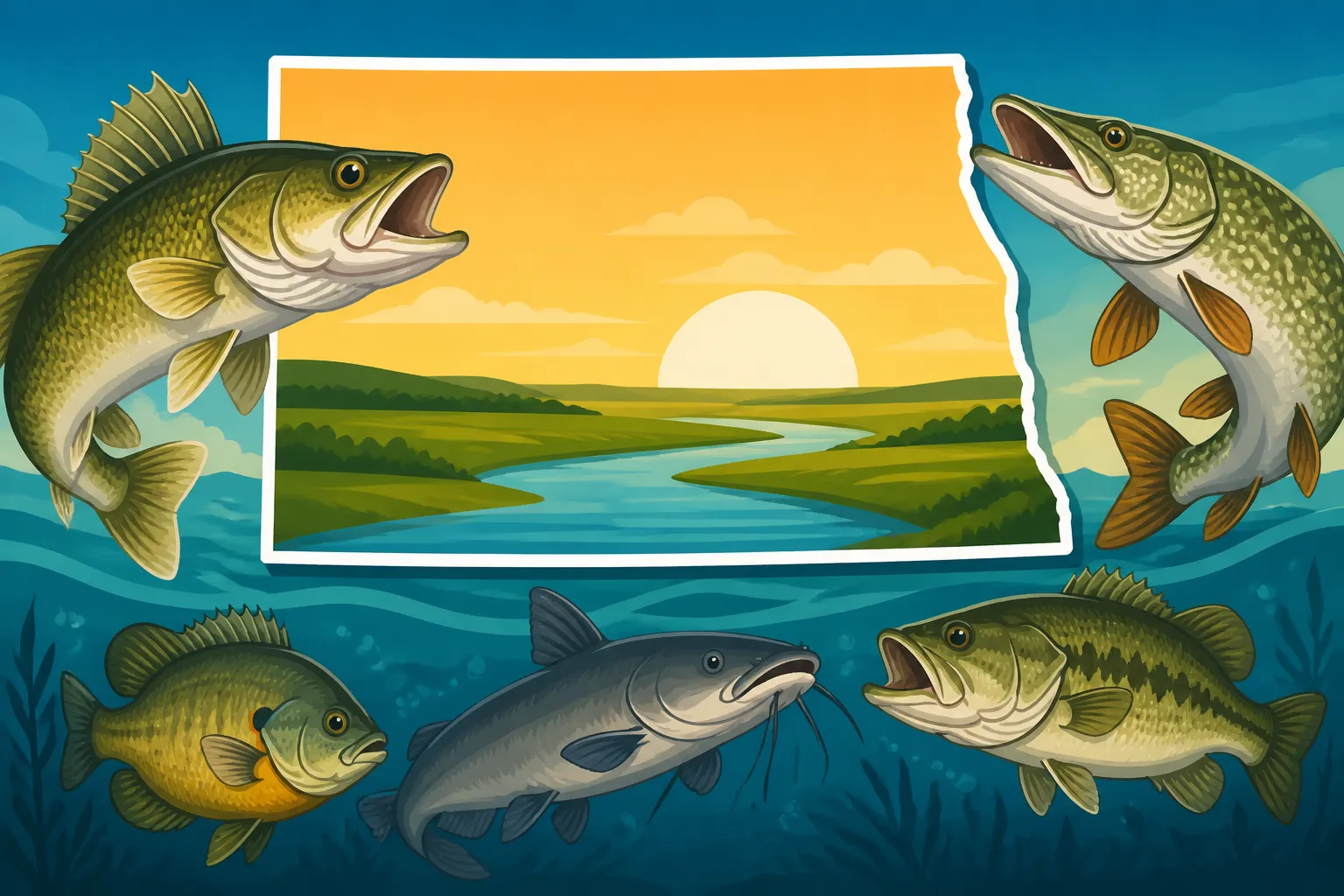
This extensive list showcases the incredible variety of fishing opportunities that North Dakota truly offers. From the giants of the Red River to the delicate panfish, there's a game fish for every angler and every preference. Happy fishing!
Disclaimer
This article is for general informational purposes only and does not constitute professional advice. Laws, prices and regulations vary by location and change over time. Consult a qualified professional for guidance on your specific situation.