North Dakota Smallmouth Bass Fishing Guide
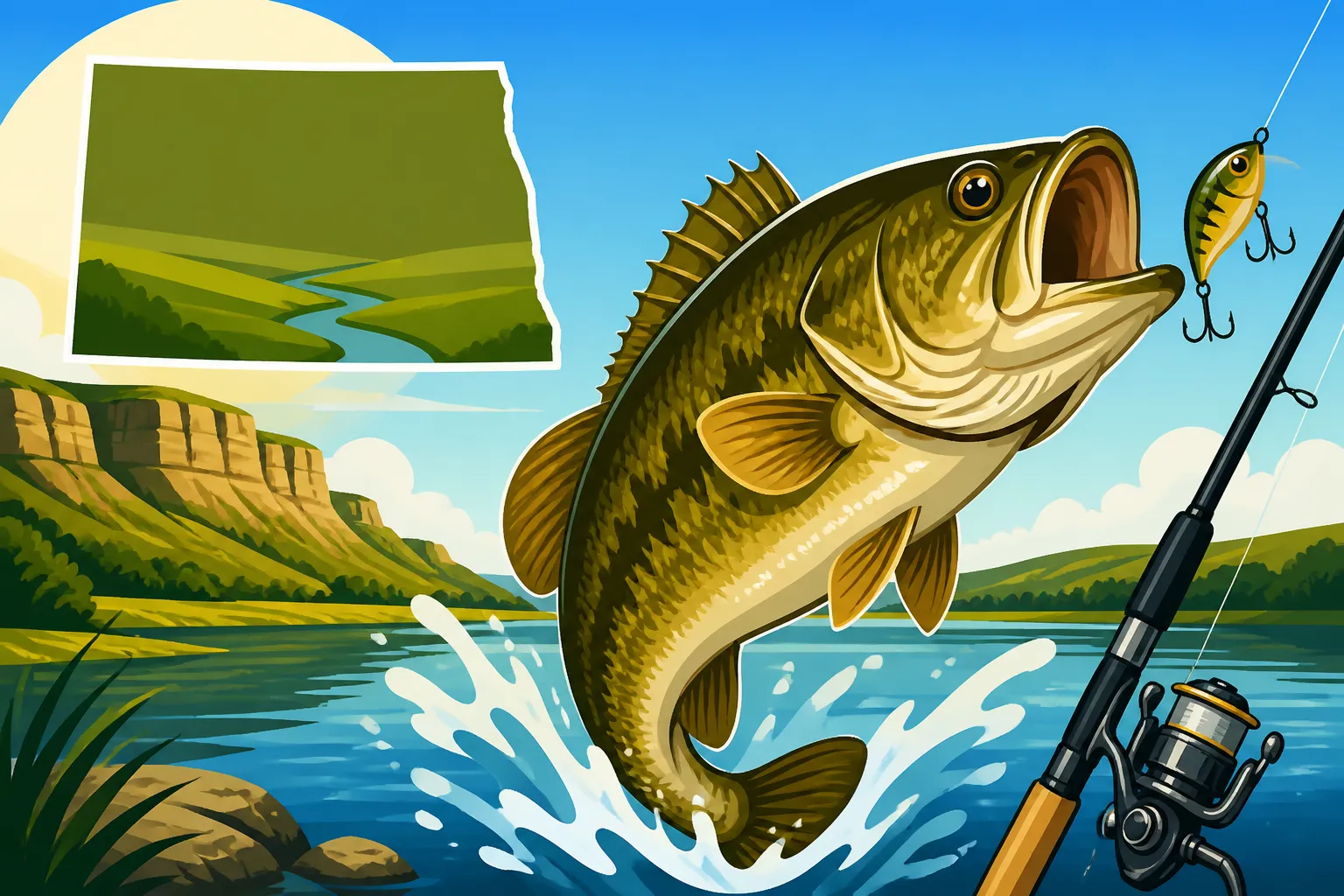
So you've heard the whispers, haven't you? Those tales of fierce, bronze-backed fighters leaping from the clear waters of North Dakota lakes and rivers. Smallmouth bass fishing in our great state might not be the first thing people think of when they picture North Dakota, but let me tell you, it's a hidden gem that offers incredible thrills. If you're tired of hearing about giant walleye and monster pike and want to learn how to hook into one of these acrobatic beauties, you've come to the right place. This comprehensive guide will walk you through everything you need to know to successfully target and land North Dakota's feisty smallmouth bass.
Understanding North Dakota's Smallmouth Bass Fishery
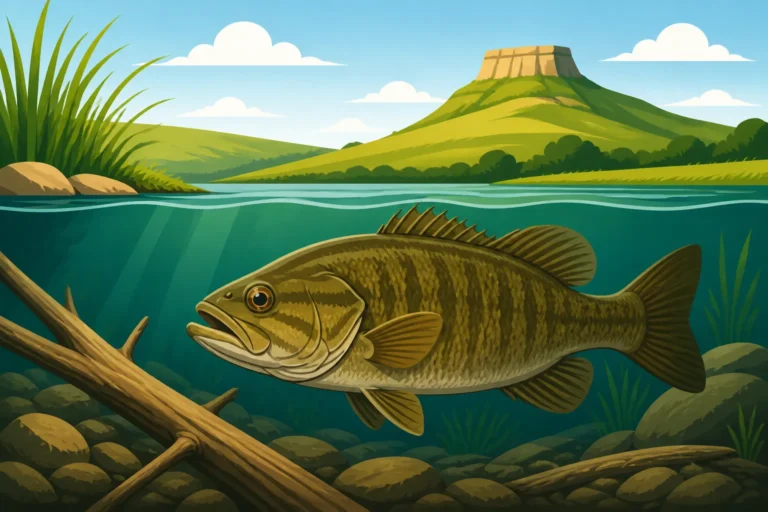
Smallmouth bass, often affectionately called "bronze backs" or "bronzebacks" by anglers, are renowned for their aggressive strikes and powerful, acrobatic fights. They might not grow to the gargantuan sizes of their largemouth cousins, but what they lack in sheer weight, they more than make up for in pure fighting spirit. In North Dakota, our smallmouth fishery has grown significantly over the years, transforming from a lesser-known species to a highly sought-after game fish, especially for those who love a good challenge. They thrive in particular environments, and understanding these preferences is the first step to finding them.
Smallmouth Bass in North Dakota Waters
North Dakota's unique geological features and vast water bodies provide excellent habitat for smallmouth bass. Unlike largemouth bass, which prefer weedy, shallow, and often murky waters, smallmouth bass gravitate towards cooler, clearer water with plenty of rock and gravel structures. Think rocky points, submerged humps, broken rip-rap, and steep drop-offs. These areas provide them with cover from predators, ambush points for prey, and suitable spawning grounds. Our lakes and rivers, particularly those with significant rock formations and varying depths, have become prime real estate for these dynamic fish. The abundance of baitfish, crayfish, and insects in these clear-water environments further contributes to healthy and robust smallmouth populations. When you’re scouting a new area, always look for those telltale signs of rocky structure – it’s a smallmouth magnet! You might be surprised at how many strong, healthy fish are out there once you start looking in the right places. The growth of the smallmouth population has been a real boon for anglers looking for a different kind of fight. You can learn more about Smallmouth Bass Habitat in North Dakota in our detailed article.
The Allure of Bronze Backs
There's something truly captivating about catching a smallmouth bass. From the moment they hit your lure, often with a jarring strike that sends a jolt up your arm, to the moment they breach the surface, shaking their head violently in an attempt to throw the hook, it's an experience unlike any other. They are tenacious fighters, frequently making multiple jumps during a single battle, putting your tackle and angling skills to the test. This explosive power, combined with their striking bronze coloration and distinctive dark vertical bars, makes them a favorite among sport fishermen. For many of us, the pursuit of smallmouth bass offers a refreshing change of pace from the more common walleye and pike fishing, providing an exciting, fast-paced challenge that keeps you coming back for more. It's not just about the size; it's about the pure, unadulterated fight they put up. They’re simply a blast to catch, plain and simple.
Top North Dakota Lakes for Smallmouth Bass
While smallmouth bass can be found in various waters across the state, some locations truly stand out as prime destinations. These lakes and rivers offer the perfect blend of habitat, forage, and water quality to support thriving populations of bronze backs. Knowing where to focus your efforts can significantly increase your chances of a successful and memorable fishing trip.
Lake Audubon: A Premier Smallmouth Destination
If you're serious about smallmouth bass fishing in North Dakota, Lake Audubon should be at the top of your list. This incredible reservoir, connected to Lake Sakakawea, is famous for its crystal-clear waters and abundant rocky structure – the ideal smallmouth playground. Anglers regularly pull out impressive numbers of quality fish, with many exceeding the 18-inch mark and putting up truly epic battles. The lake's irregular shoreline, numerous points, submerged islands, and expansive rock reefs provide endless opportunities to target these aggressive feeders. Early mornings and late evenings during the warmer months are particularly productive, as bass move shallower to feed. Whether you're casting crankbaits, jigs, or soft plastics, Lake Audubon offers a truly world-class smallmouth experience. It's often where new state records are discussed, and for good reason. For a deeper dive into this incredible fishery, check out our guide on Smallmouth Bass on Lake Audubon. You'll find plenty of local tips there to maximize your time on the water.
Other Notable Smallmouth Lakes and Rivers
Beyond Lake Audubon, North Dakota boasts several other excellent smallmouth bass fisheries worth exploring.
-
Lake Sakakawea: As the largest reservoir in North Dakota, Lake Sakakawea offers vast expanses of water and diverse habitats. While often overshadowed by its walleye and salmon fisheries, the clear, rocky sections of Sakakawea hold fantastic populations of smallmouth. Look for them around major points, bluff walls, and transition areas where rock meets deeper water, especially in the central and western arms. The sheer size of this lake means there's always a new spot to explore, and the smallmouth here can grow quite large due to the abundant forage.
-
Missouri River System (below Garrison Dam): The cold, current-rich waters of the Missouri River below the Garrison Dam also hold a healthy population of smallmouth bass. These river smallmouth are often incredibly muscular and powerful due to constantly fighting the current. Target eddies, current breaks, rocky shorelines, and bridge pilings. They'll hug structure to ambush prey. Fishing here can be challenging but incredibly rewarding, as these river fish are known for their strong fights.
-
Devils Lake: While primarily known for its walleye and perch, Devils Lake's rising water levels have created new rocky habitats, and smallmouth bass have adapted well. While not as dominant as in Audubon, you can certainly find them around newer rock piles and rip-rap areas, especially during the warmer months. It's a great bonus catch when you're targeting other species.
-
Jamestown Reservoir: This smaller, more intimate reservoir near Jamestown also offers good opportunities for smallmouth, particularly around its rocky areas and the dam face. It's a convenient option for those in the central part of the state and can provide a fun day of action.
These are just a few of the top spots, but many other smaller lakes and rivers can hold hidden gems. Always check local regulations and conditions before heading out, but rest assured, North Dakota has plenty of places to get your smallmouth fix. If you're looking for more general spots, our Best Fishing Lakes in North Dakota guide is a great starting point.
Essential Gear for North Dakota Smallmouth Bass
When it comes to smallmouth bass fishing, having the right gear isn't just about comfort; it's about maximizing your success and truly enjoying the fight these fish put up. Smallmouth are feisty and powerful, so your equipment needs to be up to the task. From rods and reels designed for sensitivity and backbone to lines that can withstand rocky abrasions and lures that imitate their favorite meals, every piece of your setup plays a crucial role.
Rods and Reels: The Right Setup
For smallmouth bass, you'll want a rod and reel combination that offers a good balance of sensitivity for detecting subtle bites and enough backbone to handle those powerful runs and jumps.
-
Spinning Rods: A medium-light to medium power spinning rod, typically 6'6" to 7'2" in length, is a fantastic all-around choice. This length provides excellent casting distance for covering water and enough leverage to control fighting fish. The medium power offers the flexibility for lighter lures while still having the strength to drive hooks home. A fast action tip is preferred as it allows for quicker hook sets and better sensitivity to feel those light taps. You'll want a comfortable cork or EVA foam handle for long days on the water. Brands like St. Croix, Fenwick, and Ugly Stik offer excellent options for various budgets.
-
Spinning Reels: Pair your spinning rod with a high-quality spinning reel in the 2000 to 3000 size range. Look for a smooth drag system, which is crucial for fighting smallmouth that make sudden, powerful runs. A good gear ratio (around 6.0:1 or higher) will help you retrieve line quickly after a cast or when a fish charges at the boat. Reliability and smooth operation are key here, so invest in a reputable brand. You can find many solid options on Amazon. The goal is to have a setup that feels balanced in your hand, allowing you to cast all day without fatigue. For more general advice on selecting your gear, our Best Fishing Rods for North Dakota Anglers article might also be helpful.
Line Choices for Different Presentations
Your fishing line is the critical link between you and the fish, and choosing the right type and test can make a significant difference in your smallmouth success.
-
Fluorocarbon Line: This is a fantastic choice for smallmouth bass, especially in clear North Dakota waters. Fluorocarbon is nearly invisible underwater, has low stretch for excellent sensitivity and solid hooksets, and is surprisingly abrasion-resistant, which is a huge plus when fishing around rocky structure. A 6-10 lb test is usually ideal. It sinks faster than monofilament, which can be an advantage when fishing jigs or plastics in deeper water.
-
Braided Line with Fluorocarbon Leader: Many experienced smallmouth anglers opt for braided line as their main line (10-20 lb test) due to its incredible strength, zero stretch, and fantastic sensitivity. However, because braided line is highly visible, it's typically paired with a 6-10 lb fluorocarbon leader (usually 3-6 feet long) tied with a strong knot like an FG knot or a double uni-knot. This setup gives you the best of both worlds: the power and sensitivity of braid, and the stealth of fluorocarbon. This combination is especially effective when you're How to Catch Smallmouth Bass on Rocky Shorelines, where line abrasion can be a real concern.
-
Monofilament Line: While not as popular for specialized smallmouth techniques, monofilament (6-8 lb test) still has its place, especially for topwater baits or crankbaits where its buoyancy and stretch can be beneficial. It's also more forgiving for beginners. However, its visibility and lower abrasion resistance usually make fluorocarbon or braid/fluoro leader a superior choice for most applications.
Lure Selection: What Bass Can't Resist
Smallmouth bass are opportunistic feeders, and they have a wide diet, which means you have a great variety of lures at your disposal. Having a diverse tackle box is key, as conditions and moods can change quickly.
-
Jigs: Soft plastic jigs, ranging from tube jigs (a smallmouth staple!) to swimbaits and creature baits rigged on jig heads, are incredibly effective. Colors like green pumpkin, watermelon red, and black/blue are consistent producers. Vary your retrieve from hopping along the bottom to subtle drags. A 1/8 to 1/4 ounce jig head is versatile for most depths.
-
Crankbaits: Dive-bombing crankbaits that mimic baitfish or crawfish are excellent for covering water and triggering reaction strikes. Shallow-diving models are great for rocky flats, while deep-diving cranks are perfect for targeting submerged humps and drop-offs. Colors that imitate local forage, like perch or crawfish patterns, are always a good bet. Popular brands offer excellent crankbait options that you can easily find on Amazon.
-
Topwater Lures: There's nothing quite like a smallmouth exploding on a topwater lure! Poppers, walk-the-dog baits, and prop baits can be incredibly exciting, especially during low-light conditions or when bass are actively feeding on the surface. These are typically most effective during calmer conditions in the early morning or late evening.
-
Spinnerbaits and Bladed Jigs: These lures combine flash, vibration, and a realistic profile to attract aggressive smallmouth. They're great for covering water quickly and can be fished effectively around submerged vegetation (if present) or rocky points.
-
Drop-Shot Rigs: For finicky or deeper-holding bass, a drop-shot rig with a small soft plastic (like a minnow imitation or a worm) can be deadly. It allows you to present your bait precisely at the fish's depth, keeping it suspended off the bottom.
-
Ned Rigs: The Ned rig, a small jig head paired with a short, buoyant soft plastic, has become incredibly popular for its subtle presentation and effectiveness on all bass species, including smallmouth. It's a fantastic finesse option when the bite is tough.
To give you a clearer picture, here's a table summarizing some popular smallmouth lures and their ideal conditions:
| Lure Type | Best Conditions | Retrieval Technique | Key Advantages |
|---|---|---|---|
| Tube Jig | Rocky bottoms, clear water, any depth | Drag, hop, twitch, suspend | Versatile, mimics crawfish/baitfish, great action |
| Crankbait | Covering water, targeting specific depths | Steady retrieve, pause and go, deflection | Reaction strikes, covers ground fast |
| Topwater | Calm water, low light, active fish | Pop, walk, twitch, pause | Explosive strikes, visual excitement |
| Spinnerbait | Covering water, windy conditions, around cover | Steady retrieve, slow roll, rip and fall | Vibration, flash, good in stained water |
| Drop-Shot Rig | Deep water, finicky fish, precise depth | Light twitch, quiver, hold stationary | Finesse presentation, keeps bait in strike zone |
| Ned Rig | Tough bites, clear water, shallow to medium depth | Drag, subtle hops, dead stick | Ultra-finesse, natural look, high hook-up ratio |
Don't forget your basic terminal tackle, too: extra hooks, weights, swivels, and a pair of pliers for hook removal. And of course, a good Best Lures for Smallmouth Bass in North Dakota guide will go into much more detail on specific brands and models.
Effective Smallmouth Bass Fishing Techniques
Smallmouth bass are incredibly fun to target because they respond well to a variety of techniques. Their aggressive nature means they'll often chase down a fast-moving lure, but their intelligence also means a finesse approach can be key when they're being finicky. Understanding the different ways to present your bait will make you a much more successful angler.
Targeting Rocky Structure
This is perhaps the most fundamental technique for smallmouth bass. As mentioned, smallmouth absolutely love rocks, and for good reason: rocks provide cover, attract baitfish and crayfish (their primary food sources), and retain heat, which can be crucial in cooler waters.
- Casting to Points and Humps: Focus your efforts on rocky points that extend into the lake and submerged humps or reefs. These are ambush points where smallmouth will stage to intercept passing bait. Cast beyond the structure and retrieve your lure so it makes contact with the rocks. This deflection often triggers a strike.
- Vertical Jigging: If you locate smallmouth on sonar in deeper rock piles or along steep breaks, vertical jigging can be incredibly effective. Drop a jig (like a tube jig or a blade bait) directly down to the fish. Slowly lift and drop your rod tip, keeping contact with the bottom. The subtle action often convinces wary bass to bite.
- Working Rip-Rap and Shorelines: Don't overlook rocky shorelines, particularly those with rip-rap or boulders. Cast parallel to the bank, letting your lure bump and grind along the rocks. Spinnerbaits, shallow-diving crankbaits, and tube jigs are excellent for this. This is a common strategy when you're How to Catch Smallmouth Bass on Rocky Shorelines. The key is to present your lure in a way that mimics a struggling baitfish or a crawfish trying to escape. Vary your retrieve speed until you find what the fish are reacting to. Often, a sudden pause or change in direction after hitting a rock is what seals the deal.
Shallow Water Strategies
While smallmouth love deep rock, they also move into shallower rocky flats, gravel beds, and even sparse weed lines, especially during certain times of the year, like the spawn or when chasing bait.
- Topwater Action: When smallmouth are active in the shallows, particularly during low-light conditions (dawn, dusk, or overcast days), topwater lures are an absolute blast. Poppers, walk-the-dog baits, and prop baits create commotion on the surface, drawing explosive strikes from aggressive bass. Cast to visible structure, allow the lure to sit for a moment, then begin your retrieve with intermittent pauses. The key is to generate just enough splash and gurgle to attract attention without spooking the fish.
- Flipping and Pitching: For targeting specific shallow cover like isolated boulders, fallen trees, or dock pilings, flipping and pitching jigs or creature baits can be deadly. This allows for a quiet, precise presentation into tight spots where smallmouth might be hiding. The goal is to drop the bait gently into the strike zone with minimal disturbance. A slower, more deliberate retrieve is usually best here.
- Shallow Cranking: Squarebill crankbaits that deflect off rocks and timber in shallow water are also fantastic. The erratic action created by bumping into cover often triggers an instinctual strike from nearby bass. Choose colors that mimic crawfish or baitfish common in that specific area.
Deep Water Presentations
Sometimes, especially during the heat of summer or colder periods, smallmouth retreat to deeper water to find more stable temperatures and abundant forage. This is where your electronics and knowledge of deep-water structure really come into play.
- Deep-Diving Crankbaits: These lures are designed to reach depths of 15-25 feet or more. Troll them over deep humps, along ledges, or cast them out and retrieve them, allowing them to bounce off the bottom. Experiment with different speeds until you find what triggers a strike. Look for color patterns that imitate deeper-dwelling baitfish.
- Drop-Shotting: The drop-shot rig truly shines in deep water. It allows you to present a small, subtle bait (like a finesse worm or minnow imitation) directly in the strike zone of bass suspended over deep structure or holding tight to the bottom. Use your fish finder to locate schools of fish or interesting bottom contours, then position your boat directly over them. Lightly twitch your rod tip to impart action to the bait without moving the weight from the bottom.
- Jigging Spoons and Blade Baits: These metallic lures are excellent for vertical presentations in deep water. Their flashy, erratic fall mimics a dying baitfish, and they can be incredibly effective when bass are grouped up. Drop them to the bottom, then lift them sharply a few feet before letting them flutter back down on a semi-slack line. Pay close attention to your line on the fall, as many strikes occur as the lure descends. Understanding Deep Water Structure Fishing Techniques is crucial for mastering these methods.
Seasonal Strategies for North Dakota Smallmouth Bass
Just like any other fish species, smallmouth bass behavior is heavily influenced by the seasons. Water temperature, available forage, and spawning cycles all dictate where smallmouth will be and how aggressively they'll feed. Adjusting your tactics throughout the year is essential for consistent success on North Dakota's smallmouth waters. For a broader overview of the fishing year, you might want to consult our North Dakota Fishing Season Calendar.
Springtime Smallmouth: Post-Spawn Aggression
Spring in North Dakota can be a tricky but incredibly rewarding time for smallmouth bass. After the long winter, as ice-out occurs and water temperatures slowly climb, smallmouth begin to shake off their lethargy. Their metabolism picks up, and they start moving into shallower areas to feed and eventually spawn.
- Pre-Spawn Movement: As water temperatures reach the high 40s to low 50s Fahrenheit, smallmouth will stage on rocky points and flats adjacent to deeper water. They're looking for warmer water and baitfish. This is a great time for slow-rolling spinnerbaits, jerkbaits, and swimbaits. Keep your retrieve slow and deliberate, as their metabolism is still warming up. Fish those wind-blown banks, too, as the wind pushes warmer surface water and baitfish towards them.
- The Spawn: Once water temperatures hit the mid-50s to low 60s, smallmouth will move onto shallower gravel beds and rocky flats to build nests and spawn. While they are guarding their beds, they can be very aggressive, hitting anything that comes near. However, many anglers practice catch-and-release during this sensitive period to protect the future of the fishery. If you do target them, tube jigs, small plastics, and Ned rigs worked slowly around visible nests can be effective. Remember, the focus should be on gentle handling and quick release.
- Post-Spawn Recovery: After the spawn, typically when water temperatures are in the mid-60s, smallmouth can be somewhat lethargic as they recover. They may move slightly deeper to recuperate but will soon resume aggressive feeding. This "post-spawn funk" can be challenging, but once they start feeding again, they become very active. Topwater lures, fast-moving crankbaits, and larger jigs can all produce explosive strikes as they try to regain lost energy.
Summer Bites: Deep Dives and Early Mornings
Summer brings warmer water temperatures, and smallmouth bass often react by moving deeper to find cooler, more stable conditions. This is when deep-water techniques really shine, but don't count out those early morning and late evening shallow bites!
- Deep Water Dominance: When the sun is high and the water is warm (70 degrees Fahrenheit and up), smallmouth will often relate to deep structure. Think submerged humps, deep rock piles, ledges, and steep breaks. This is prime time for drop-shotting, vertical jigging with spoons or blade baits, and using deep-diving crankbaits. Your fish finder becomes your best friend here, helping you locate schools of fish and bottom contours. Work these areas thoroughly, as bass often group up.
- Low-Light Shallow Feeds: Don't ignore the shallows completely in summer. During the cooler parts of the day – dawn, dusk, and overcast periods – smallmouth will often move up onto rocky flats and points to feed actively. This is when topwater action can be incredible. Poppers, walk-the-dog baits, and prop baits can draw violent strikes as bass ambush baitfish near the surface. Spinnerbaits and buzzbaits can also be very effective during these low-light periods.
- Focus on Thermoclines: In deeper lakes, a thermocline (a layer where water temperature changes rapidly) can form. Smallmouth will often orient to this depth, finding optimal temperature and oxygen levels. Use your electronics to identify the thermocline and target that depth range with your lures.
Fall Feast: Packing on the Pounds
Fall is arguably one of the best times to target North Dakota smallmouth bass. As water temperatures begin to cool, smallmouth enter a "feeding frenzy" phase, aggressively gorging themselves on baitfish and crawfish in preparation for the upcoming winter.
- Aggressive Shallow Feeding: As water temperatures drop into the 60s and 50s, smallmouth will often move shallower, becoming very active along rocky points, breaklines, and offshore humps. They're looking for big meals. This is prime time for throwing larger jerkbaits, crankbaits, swimbaits, and spinnerbaits. Focus on covering water efficiently and triggering reaction strikes.
- Following the Bait: Smallmouth will often follow schools of baitfish as they move into shallower bays and coves. Keep an eye out for active baitfish on your electronics or visual cues like diving birds. Where the bait is, the bass will likely be. Shad-colored crankbaits and swimbaits can be deadly during these periods.
- Deep Water Transition: As fall progresses and water temperatures continue to drop into the 40s, smallmouth will eventually begin their transition back to deeper wintering areas. They'll still feed aggressively, but you'll need to follow them to deeper points, ledges, and channels. Jigs, blade baits, and drop-shots become effective again as their movements become a bit more subtle, though their bites are still strong. This late fall period can produce some of the largest smallmouth of the year as they feed heavily before winter truly sets in.
Conservation and Regulations for Smallmouth Bass
As passionate anglers, it's our responsibility to ensure the health and sustainability of North Dakota's incredible smallmouth bass fishery for future generations. This means not only adhering to all regulations but also practicing ethical angling habits, especially when it comes to catch and release. Smallmouth bass are a valuable resource, and protecting them ensures we can continue to enjoy their thrilling fights year after year.
North Dakota Smallmouth Regulations
Understanding and following the North Dakota fishing regulations is absolutely paramount. These regulations are designed to manage fish populations, prevent overfishing, and protect spawning fish.
- Season Dates: Generally, North Dakota's fishing season for most species, including smallmouth bass, is open year-round. However, always double-check the latest North Dakota Game and Fish Department (NDGFD) proclamation as specific rules or temporary closures can occur for certain bodies of water or species. It’s rare for smallmouth, but it’s always best to be informed.
- Daily and Possession Limits: There will be specific limits on the number of smallmouth bass you can keep per day (daily limit) and the total number you can have in your possession (possession limit). These numbers can vary by water body and may change from year to year. For example, some lakes might have a smaller daily limit or a protected slot limit (a size range within which fish cannot be kept) to promote the growth of larger fish. Always consult the current NDGFD fishing guide or website for the most up-to-date information. These rules are put in place for a reason, often to protect vulnerable populations or promote trophy fisheries. Familiarizing yourself with the North Dakota Fishing Regulations Explained will keep you on the right side of the law.
- Size Restrictions: Some waters may have minimum or maximum size limits for smallmouth bass. For instance, a rule might state "no bass between 14 and 18 inches may be kept," meaning you can keep smaller or larger fish, but not those in the protected slot. Pay close attention to these rules, as they are crucial for managing fish size structure.
It's your responsibility to know the rules before you cast a line. Ignorance of the law is never an excuse, and game wardens in North Dakota are diligent in enforcing these regulations to protect our natural resources.
Catch and Release Best Practices
Many smallmouth bass anglers are passionate about catch and release, especially for larger, older fish that contribute significantly to the gene pool. Practicing proper catch and release techniques minimizes stress and injury to the fish, increasing its chances of survival.
- Minimize Fight Time: While smallmouth are incredible fighters, try to land them as quickly as possible without over-stressing the fish. Prolonged fights, especially in warm water, can exhaust the bass, making it harder for them to recover.
- Wet Hands Only: Always wet your hands before handling a fish. Dry hands can remove the protective slime coat, leaving the fish vulnerable to disease and infection. If you use a landing net, choose one with knotless, rubberized mesh to protect the fish's fins and slime coat.
- Handle With Care: Support the fish horizontally, especially larger bass, which need support under their belly. Avoid holding them vertically by the jaw alone, as this can damage their spine and internal organs. Try to keep the fish in the water as much as possible, only lifting it for a quick photo.
- Use Barbless Hooks: Consider crimping down the barbs on your hooks or using barbless hooks. This makes hook removal much easier and quicker, reducing damage to the fish's mouth.
- Quick Hook Removal: Use needle-nose pliers or a hook-remover tool to carefully and quickly remove the hook. If a fish is deeply hooked and removal would cause excessive damage, it's sometimes best to cut the line as close to the hook as possible.
- Revive the Fish: After unhooking, gently hold the fish in the water, facing into the current (or move it back and forth gently if there's no current) until it regains its strength and can swim away on its own. Watch for strong tail kicks. Never just toss a tired fish back into the water; take the time to ensure its full recovery.
By following these simple catch and release guidelines, you contribute directly to the health and vitality of North Dakota's smallmouth bass populations, ensuring that these incredible fighters will be around for many years and many anglers to come.
Disclaimer
This article is for general informational purposes only and does not constitute professional advice. Laws, prices and regulations vary by location and change over time. Consult a qualified professional for guidance on your specific situation.