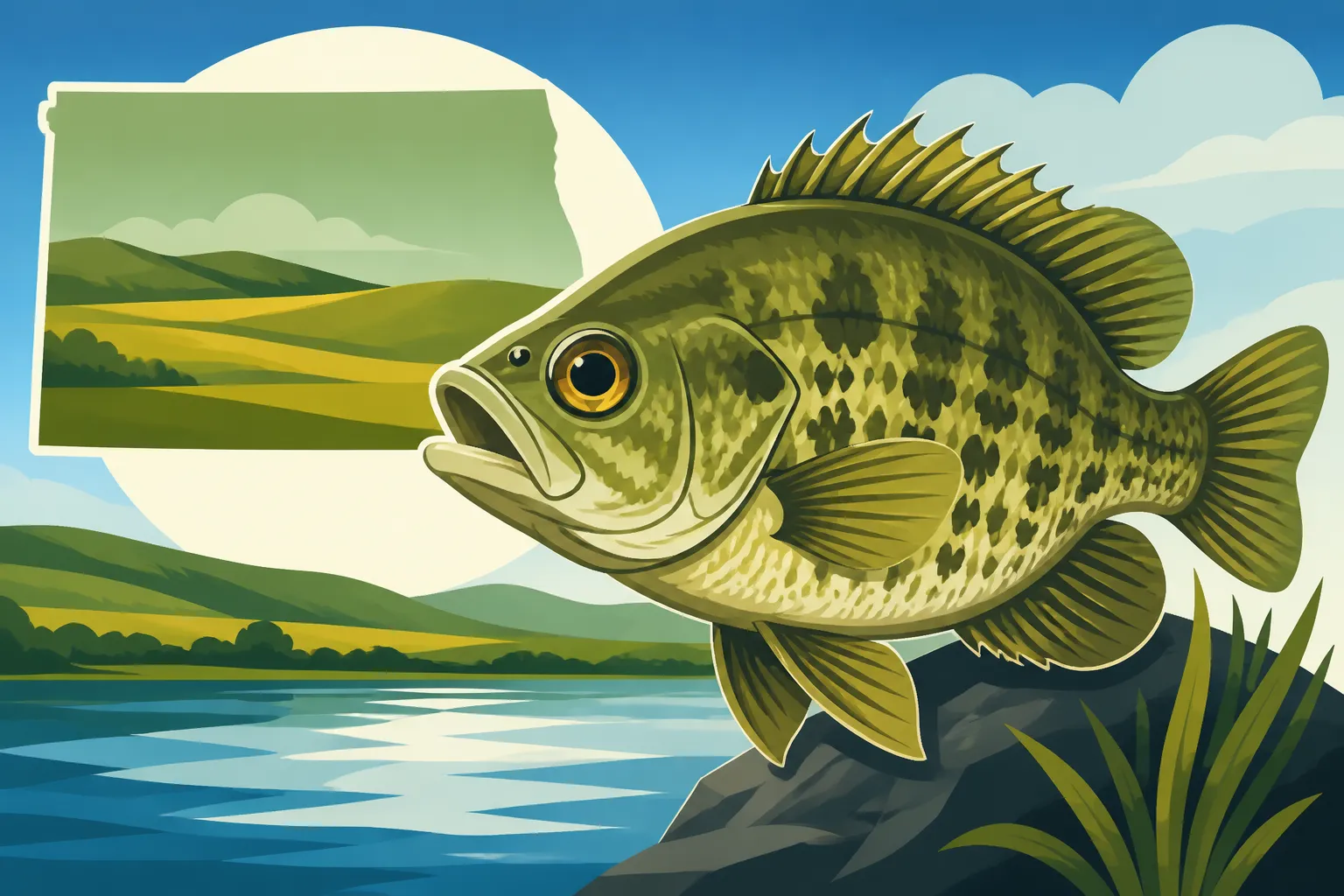
Rock Bass in North Dakota Waters
For many North Dakota anglers, the mighty walleye or the plump yellow perch often steal the spotlight. But tucked away in our lakes and rivers, there's a scrappy little fighter that often goes overlooked: the humble rock bass. These feisty panfish can provide incredibly consistent action, especially for beginners or on days when other species are playing hard to get. This comprehensive guide will shine a light on these often-underappreciated fish, helping you identify them, find their preferred haunts, and master the techniques to reel them in.
Rock Bass 101: Identification and Distinguishing Features
One of the first steps to enjoying rock bass fishing is knowing exactly what you've caught. It's easy to mistake them for other panfish, especially green sunfish or even smaller largemouth bass, given their general shape. But once you know what to look for, distinguishing a rock bass becomes second nature, and you'll appreciate their unique characteristics. They might not always be the biggest fish in the lake, but they certainly have a distinctive charm.
The Look: What Makes a Rock Bass a Rock Bass?
Rock bass are members of the sunfish family, and they boast a robust, stocky body that's usually olive-brown to brassy green on their back, fading to a lighter, often yellowish belly. Their sides are typically mottled with dark spots, creating a somewhat camouflaged appearance perfect for blending into rocky environments. But the most striking feature, and often the easiest identifier, is their prominent red or reddish-orange eye. It truly stands out and gives them an almost fiery gaze.
Beyond the eye, take a closer look at their dorsal fin. Rock bass typically have 10 to 12 strong, sharp spines in the spiny portion of their dorsal fin, followed by a softer rayed section. Their mouth is also relatively large for a panfish, extending back to at least the middle of their eye, sometimes even past it. This larger mouth is a clue to their diet – they're opportunistic feeders and aren't shy about gulping down a variety of prey. You'll often find their scales have dark spots, sometimes arranged in rows, giving them a slightly striped or mottled appearance. They generally don't grow as large as some other game fish, with a typical catch in North Dakota ranging from 6 to 10 inches, though larger specimens can certainly be found.
Rock Bass vs. Green Sunfish vs. Bluegill: Spotting the Differences
It’s incredibly common for anglers, especially those new to panfishing, to mix up rock bass with other sunfish species that share similar habitats. Green sunfish, in particular, are frequent doppelgängers. The key to telling them apart lies in a few distinct features. While both have somewhat large mouths, the green sunfish typically has a longer, more elongated body shape compared to the rock bass's stockier build. Green sunfish also often display a prominent black spot on their dorsal and anal fins, bordered by a lighter, almost iridescent margin, which rock bass lack. Their coloration can also be a bit more vibrant, with iridescent blue-green markings on their cheeks and gill plates.
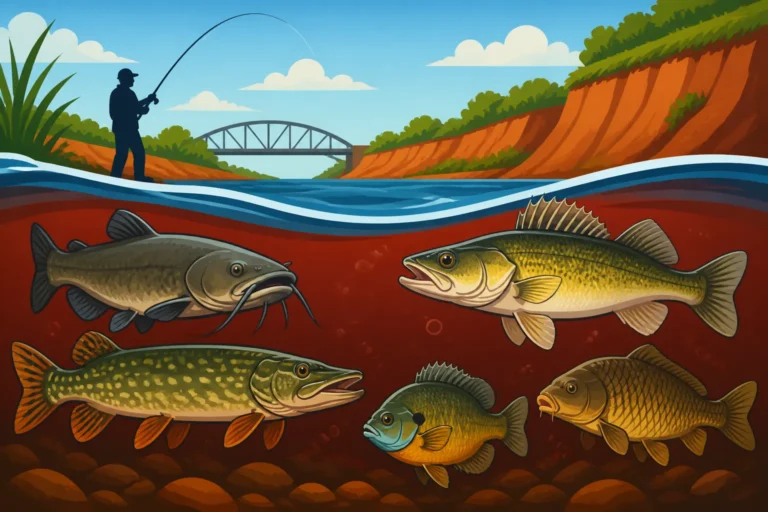
Bluegills, another popular panfish, are generally easier to distinguish. They have a smaller mouth that rarely extends past the front of their eye, and a much flatter, disc-shaped body profile. Their most famous mark is the small, black "ear flap" on their gill cover, and often a dark blotch near the base of their dorsal fin. Bluegills typically have a more uniform olive-blue or blue-green coloration, often with vertical bars on their sides. While all three are panfish, understanding these subtle but important differences will make you a more knowledgeable angler and help you appreciate the diversity of Fish Species Found in North Dakota Lakes and Rivers.
Common Misconceptions and Local Names
Because they are sometimes mistaken for other fish, rock bass might go by different names in local fishing circles. Sometimes they're just lumped in as "goggle-eyes" due to their prominent peepers, a name sometimes also used for warmouth or even smallmouth bass in certain areas. You might hear them called "redeyes" or "rock sunfish" too. This goes to show how locally diverse fish identification can be, even for a relatively common species.
The misconception that they aren't good eating is another one we often hear. While they may not be as prized as a walleye, a well-cleaned rock bass can absolutely make for a delicious meal, especially when freshly caught and properly prepared. They offer firm, white flesh that holds up well to frying or baking. Don't let their smaller size or their commonality fool you into thinking they're not a worthy catch; they're tenacious fighters on light tackle and are an enjoyable species to target for both sport and sustenance.
Where to Find Rock Bass in North Dakota
Knowing what a rock bass looks like is only half the battle; the other half is knowing where to cast your line. These fish have specific preferences when it comes to habitat, and understanding these "sweet spots" will greatly improve your chances of a successful outing. North Dakota's diverse waterways offer plenty of prime real estate for these structure-loving panfish.
Preferred Habitats: Rocky Structures and Clear Water
The name "rock bass" isn't just for show – these fish absolutely love rocky environments. Think about areas with broken rock, rip-rap along causeways, submerged rock piles, natural rock formations, and even old concrete or rubble. These structures provide them with cover from predators, ambush points for unsuspecting prey, and a stable environment where aquatic insects and crustaceans, a large part of their diet, thrive. They are masters of blending in, using the shadows and crevices of rocky bottoms to their advantage.
Beyond rocks, they also show a preference for clearer water. While they can tolerate some turbidity, you'll generally find them in lakes, reservoirs, and rivers with good water clarity. This preference for clear water often puts them in proximity to submerged vegetation beds or timber, which can also provide excellent cover. Look for them in areas where rocky bottom transitions into weed lines, or where fallen trees offer complex underwater architecture. These transition zones are often feeding highways for a variety of fish, including our target species.
Key North Dakota Lakes and Rivers Known for Rock Bass
While rock bass might not get the same fanfare as walleye, they are found in a surprising number of North Dakota's waterways. They're particularly prevalent in the eastern part of the state. Good spots to investigate include sections of the Red River and its tributaries, especially areas with slower current and rip-rap banks. Tributaries feeding into larger systems can also hold good numbers.
Lakes that feature significant rock structures, points, and clear water will often hold rock bass populations. While it's hard to pinpoint every single location, smaller to medium-sized lakes and reservoirs with diverse bottom compositions are excellent candidates. Rivers like the Sheyenne River or the James River, particularly where bridges or natural rock outcrops create current breaks and rocky bottom, are also worth exploring. Keep an eye out for areas that are less pressured for walleye or pike, as these often hold healthy populations of various panfish, including rock bass.
Understanding Their Bottom-Dwelling Tendencies
Rock bass are largely bottom-oriented fish, spending a good portion of their time near the lakebed or river bottom, nestled amongst the rocks or structure. This isn't to say they won't rise to hit a bait, especially when actively feeding, but their home base is definitely down low. This tendency means that your fishing techniques should focus on presenting baits and lures near or on the bottom. If you're fishing from shore, look for drop-offs or points where rocks extend into deeper water.
When you're out in a boat, a good fish finder can be invaluable for locating these rocky structures. Pay attention to your electronics, looking for hard bottom readings and abrupt changes in depth. Even subtle humps or ridges with rocky composition can hold a school of hungry rock bass. Knowing their preference for the bottom and structure will guide your lure choices and presentation, helping you put your bait right in their strike zone.
Gearing Up for Rock Bass: Rods, Reels, and Baits
You don't need a boatload of specialized equipment to catch rock bass. In fact, that's part of their appeal! They're accessible to anglers of all skill levels and don't require heavy-duty gear. The key is to match your tackle to the size of the fish and the joy of the fight. Light tackle will make even a small rock bass feel like a trophy.
Essential Tackle: Light Gear for Maximum Fun
For rock bass, an ultralight or light action spinning rod is your best friend. A rod in the 5-foot to 6-foot 6-inch range with a sensitive tip will allow you to feel those subtle bites and enjoy the fight from these spunky fish. Pair that with a small spinning reel (think 500 to 1000 series) spooled with 4 to 6-pound test monofilament or fluorocarbon line. You can even use a thin braided line with a fluorocarbon leader for added sensitivity and abrasion resistance around those rocky areas. This setup is light enough to cast small lures and baits effectively, but strong enough to handle a decent rock bass without feeling overpowered.
Many entry-level rod and reel combos available on platforms like Amazon are perfectly suited for rock bass fishing, making it an affordable hobby to get into. Think about a simple panfish specific combo. The beauty of ultralight tackle is that it makes every fish feel bigger and every fight more exciting. You'll be surprised at the bend a 10-inch rock bass can put in a sensitive rod! An Essential Gear Checklist for North Dakota Fishing can give you a broader idea of what else you might need for a day on the water, but for rock bass, keeping it simple and light is the way to go.
Best Baits and Lures for Enticing Rock Bass
Rock bass are not particularly picky eaters, which is another reason they're so much fun to target. They're opportunistic predators, so a wide variety of baits and lures will work. When it comes to live bait, small worms (like red wigglers or pieces of nightcrawlers), minnows (especially small fatheads or crappie minnows), and even grasshoppers or crickets are incredibly effective. Present these on a small hook (size 6 or 8 works well) under a bobber or with a small split shot to get it down to the bottom.
For artificial lures, think small and flashy. Tiny jigs (1/32 to 1/16 ounce) tipped with a small plastic grub, tube, or a piece of Berkley PowerBait for panfish can be deadly. Spinnerbaits, especially those designed for panfish with a single small blade, are also excellent. Small inline spinners, like those from Rooster Tail or Mepps, in silver, gold, or brass finishes, can draw aggressive strikes. Even tiny crankbaits or spoons designed for trout or crappie can be effective when worked near structure. Experiment with colors and presentations until you find what the fish are keying in on that day. These kinds of small lures are readily available on Amazon.
Seasonality and Prime Fishing Times
Rock bass can be caught throughout the open water season, from ice-out in spring right up until the lakes start to freeze in winter. However, certain times tend to be more productive. Early spring, shortly after the ice melts, finds them actively feeding and often congregating in shallower, warming waters. They'll hold tight to rocky points or submerged cover as they shake off the winter doldrums.
During summer, they'll often move slightly deeper to seek cooler water, but they'll still be associated with structure. Dawn and dusk are often prime times during the summer months, as they become more active in lower light conditions. Overcast days can also provide good mid-day action. As fall approaches, they'll once again feed aggressively as they prepare for winter, making autumn another fantastic time to target them. Don't forget about How to Ice Fish in North Dakota either; rock bass are often a welcome catch through the ice, offering great winter action in their rocky havens.
Effective Strategies for Catching Rock Bass
Catching rock bass is often about precision and understanding their aggressive, yet sometimes cautious, nature. They're not always going to race out from cover to hit a bait, but if you get your offering in their zone, they're usually quick to strike. Mastering a few key strategies will significantly increase your catch rate.
Precision Casting and Presentation
Because rock bass are so structure-oriented, accurate casting is crucial. You want to place your bait or lure right up against, or even into, the rocky cover where they hide. This often means casting tight to submerged logs, large boulders, or rip-rap. If you're using a jig or spinner, a slow, steady retrieve with occasional pauses or twitches can be incredibly effective. Let the lure fall near the structure, allowing it to bump or "crawl" along the bottom, mimicking a crayfish or an insect scuttling by.
When using live bait, a simple slip bobber rig allows you to present your bait at a precise depth without spooking the fish. Adjust your bobber stop so your bait is just off the bottom or directly in the desired strike zone within the cover. For shore anglers, identifying prominent features like rocky points or brush piles that extend into the water is key. Cast beyond these features and slowly work your bait back, paying close attention to any bumps or hesitations that indicate a bite.
Ice Fishing for Rock Bass: A Winter Delight
Rock bass don't just disappear when the ice forms; they can be a fantastic target for ice anglers. They'll continue to relate to the same rocky structures they favored during open water, often congregating in schools in slightly deeper pockets adjacent to these areas. When ice fishing, tiny jigs (1/64 to 1/32 ounce) tipped with a small minnow head, a wax worm, or a small plastic larva imitation are excellent choices.
Use a sensitive ultralight ice rod, as their bites can be subtle, especially in very cold water. A good flasher or fish finder can make a huge difference here, helping you pinpoint structure and see exactly how fish are reacting to your presentation. Work your jig slowly, with small lifts and drops, always keeping it near the bottom. If you catch one rock bass, chances are there are more in the immediate vicinity, so stick around and work the hole thoroughly. Ice fishing for rock bass can be a real treat, offering consistent action when other species are harder to find.
Shore Fishing and Kayak Tactics
Rock bass are an ideal target for shore anglers because their preferred habitats – rocky banks, jetties, and shallow points – are often accessible from land. Look for areas where the shoreline drops off quickly into deeper water, or where you can see rocks and logs submerged near the bank. Casting small spinners, jigs, or live bait rigs from shore into these areas can yield excellent results.
For those who enjoy paddling, kayak fishing for rock bass is incredibly productive. A kayak allows you to silently approach prime rocky real estate that might be inaccessible to larger boats or out of casting range from shore. You can navigate tight spots, get right up against submerged timber, and precisely position yourself over hidden rock piles. Using a small anchor or even just a drift sock can help you stay put while you work an area thoroughly. Fishing From a Kayak in North Dakota provides more tips for those looking to explore North Dakota's waters from a paddle craft.
Regulations, Culinary Aspects, and Ecological Role
While rock bass are readily available and fun to catch, it's still important to understand their place in the North Dakota ecosystem and any regulations that might apply. Plus, if you're going to catch them, you might as well know how to enjoy them on the dinner table!
North Dakota Regulations for Rock Bass
Compared to some of the more regulated species like walleye or northern pike, rock bass typically fall under general panfish regulations in North Dakota. This usually means generous daily limits, often combined with other panfish species like yellow perch or crappie. However, it's crucial to remember that regulations can change, and specific lakes or rivers might have special rules. Always consult the most current North Dakota Game and Fish Department (NDGFD) fishing proclamation before you head out. You can often find this information online or pick up a physical copy wherever you purchase your North Dakota Fishing License Guide.
Generally, there isn't a specific length limit for rock bass, meaning you can keep any legal-sized fish within the daily creel limit. The idea behind these regulations is to allow anglers to enjoy the abundant panfish populations while ensuring their sustainability. Being informed about North Dakota Fishing Regulations Explained helps ensure you're fishing responsibly and legally.
Rock Bass on the Dinner Plate: Are They Worth Keeping?
Absolutely! While they might not be as large or as glamorous as a walleye, rock bass offer firm, white, flaky flesh that is quite tasty. They're often overlooked in favor of perch or crappie, but don't let that deter you. The key is proper handling and cleaning. Like most panfish, they're best when cleaned shortly after being caught, ideally kept on ice until you can fillet them.
Filleting a rock bass is similar to filleting any other panfish. Due to their smaller size, you won't get huge fillets, but they are perfect for a quick fish fry. You can also pan-sear them, bake them, or even incorporate them into fish tacos. Their mild flavor takes well to various seasonings. Don't knock it until you've tried it – a fresh batch of fried rock bass fillets can be a delightful treat after a fun day on the water, especially for families looking to enjoy their catch.
Their Role in North Dakota's Aquatic Ecosystem
Rock bass play an important, though sometimes unsung, role in North Dakota's aquatic ecosystems. As a mid-level predator, they feed on a variety of invertebrates such as aquatic insects, small crustaceans (like crayfish), and sometimes even smaller fish. This helps to control insect populations and provides a food source for larger predatory fish, including northern pike and larger walleye.
They also contribute to the overall biodiversity of our lakes and rivers. A healthy rock bass population is often an indicator of good water quality and diverse habitat, particularly the presence of complex rocky structures. They are a resilient species that can adapt to a range of conditions, making them a consistent part of the angling experience in many areas. Understanding their ecological role helps us appreciate every fish we catch, regardless of its size or perceived prestige.
Disclaimer
This article is for general informational purposes only and does not constitute professional advice. Laws, prices and regulations vary by location and change over time. Consult a qualified professional for guidance on your specific situation.