Fish Species Found in North Dakota Lakes and Rivers
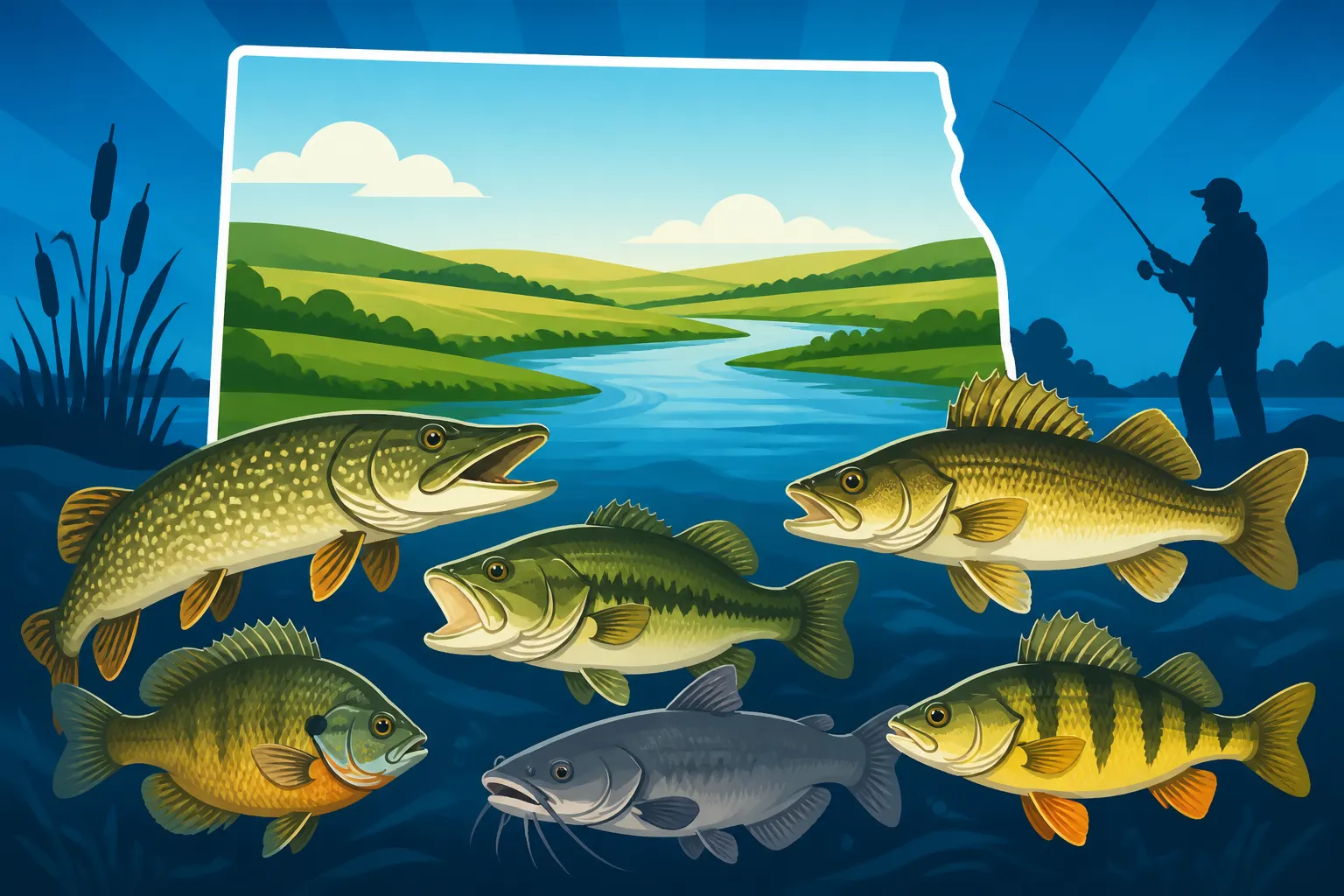
One of the most common questions I get from folks new to North Dakota fishing, or even those who've been here a while but haven't explored much, is simply, "What kind of fish are even in these waters?" It's a completely fair question, because North Dakota's lakes and rivers hold a surprising diversity of species, each offering a unique challenge and reward to the angler. This comprehensive guide will take a deep dive into the fascinating array of fish species that call North Dakota home, helping you understand what you might encounter on your next fishing adventure, from the sprawling waters of Lake Sakakawea to the winding Red River.
The Reigning Kings: Walleye and Northern Pike
When you talk about fishing in North Dakota, two species almost immediately come to mind for most anglers: walleye and northern pike. These are the heavy hitters, the ones that often draw people from far and wide, and for good reason. They are plentiful, can grow to impressive sizes, and offer thrilling fights.
Walleye: North Dakota's Prized Catch
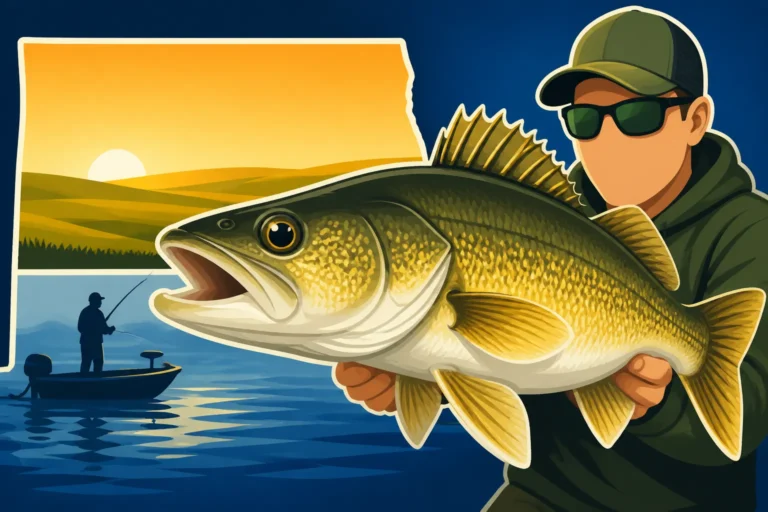
Ah, the walleye. There's a reason this fish is often considered the undisputed king of North Dakota's angling scene. Its delicious, flaky white meat makes it a culinary favorite, and its challenging bite makes it a thrill to pursue. Walleye are characterized by their olive-green to gold coloration, large, pearlescent eyes (hence "walleye" – designed for low-light vision!), and sharp teeth. They typically have a long, slender body with two dorsal fins, one spiny and one soft-rayed.
In North Dakota, walleye can range from smaller "eaters" of 14-18 inches up to true trophy fish pushing over 30 inches and 10+ pounds. They are incredibly popular across the state, thriving in large, deep reservoirs like Lake Sakakawea and Lake Oahe, but also in many natural lakes, most notably Devils Lake. They prefer clear to moderately turbid water and are often found relating to structure—rock piles, humps, points, and submerged timber. Fishing for walleye often involves understanding their nocturnal feeding habits and their sensitivity to light, often making dawn, dusk, or cloudy days prime time.
Anglers often target walleye with a variety of methods, including jigging with live bait like minnows or leeches, trolling with crankbaits, or using bottom bouncers with spinner rigs. The pursuit of walleye is almost a religion here, a testament to their allure and the quality of the fishery North Dakota offers. If you're heading out to chase these elusive beauties, a good quality fish finder you can find on sites like Amazon can definitely help locate their preferred haunts.
Northern Pike: Aggressive and Abundant
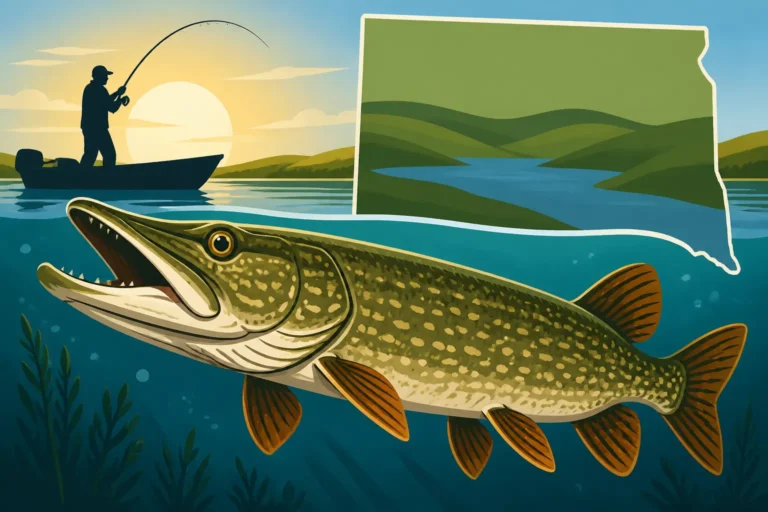
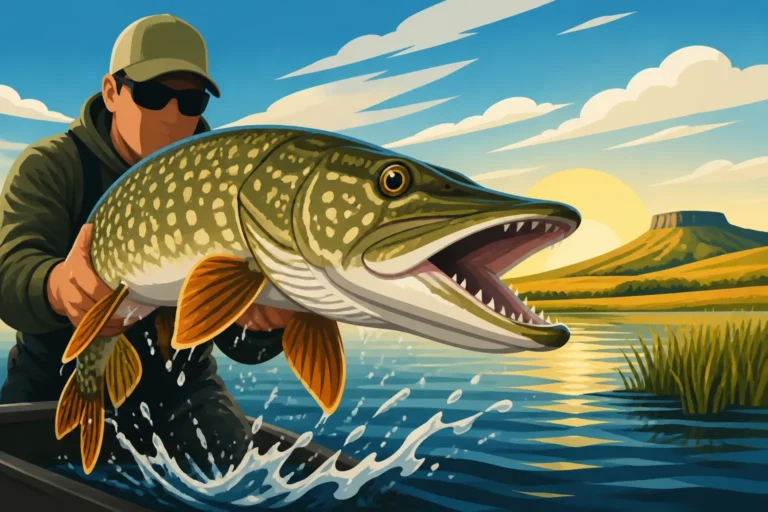
If walleye are the kings, then northern pike are certainly the fierce barons of North Dakota's waters. Known for their aggressive strikes, explosive fights, and razor-sharp teeth, pike offer an adrenaline rush that few other freshwater fish can match. They are instantly recognizable by their elongated, torpedo-shaped bodies, duck-bill snouts, and dark green, mottled patterns that provide excellent camouflage in weedy cover.
North Dakota's pike can grow to impressive sizes, with many fish in the 5-15 pound range being common, and trophy specimens often exceeding 20 pounds and 40 inches in length. They are widely distributed throughout the state, thriving in many of the same lakes and reservoirs as walleye, but particularly favoring shallow, weedy bays, river backwaters, and sloughs. They are ambush predators, often lurking motionless in vegetation before launching a lightning-fast attack on unsuspecting prey.
Fishing for northern pike is incredibly diverse and exciting. You can cast large spoons, spinnerbaits, or swimbaits into weed beds, or use large dead baits under a bobber. During the ice fishing season, tip-ups rigged with large shiners or smelt are incredibly effective. Just be sure to use a heavy leader, because those teeth will cut through standard fishing line in a heartbeat! To learn more about targeting these formidable fish, check out our North Dakota Northern Pike Fishing Guide.
Panfish Powerhouses: Perch, Crappie, and Bluegill
While walleye and pike might grab the headlines, the panfish of North Dakota offer consistent action, delicious meals, and an accessible entry point for anglers of all ages and skill levels. These smaller species are often found in large schools, providing fast-paced fishing fun.
Yellow Perch: Ice Fishing Favorites
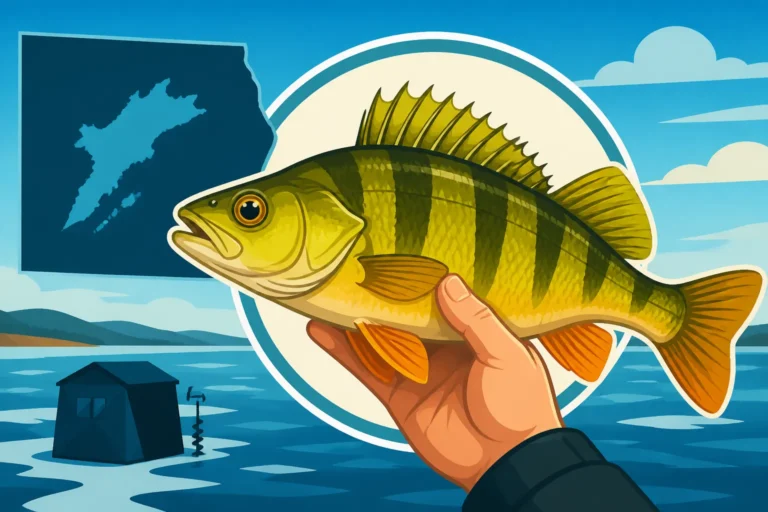
Yellow perch are a true North Dakota staple, especially when the lakes freeze over. These vibrant, striped fish are characterized by their distinctive yellow sides with several dark vertical bars, and their bright orange fins. They have a somewhat humped back and a spiny dorsal fin, making them a little prickly to handle but worth the effort.
While you can catch perch year-round, they truly shine during the ice fishing season. Anglers flock to lakes like Devils Lake, which has gained national renown for its incredible perch fishery. Here, perch often grow larger than average, with 10-14 inch "jumbos" being a real possibility. They are schooling fish, so when you find one, you're likely to find many more. This makes them perfect for a family outing, as the action can be nearly non-stop once a school is located.
Perch are fairly easy to catch, making them ideal for beginners and kids. Small jigs tipped with wax worms, minnow heads, or even small artificial plastics are incredibly effective. You don't need fancy gear, just a light rod and a bit of patience to find the schools. For a deeper dive into targeting these popular panfish, take a look at our North Dakota Yellow Perch Fishing Guide.
Crappie and Bluegill: Easy Fun for All Ages
Beyond perch, North Dakota is home to other fantastic panfish species: crappie and bluegill. These fish are often found in similar habitats and provide excellent angling opportunities, especially in smaller lakes, ponds, and protected bays of larger reservoirs. They are perfect for introducing newcomers to the joy of fishing.
Crappie, both black and white varieties, are characterized by their deep, laterally compressed bodies and large dorsal fins. Black crappie typically have a more speckled appearance and seven or eight dorsal spines, while white crappie are usually lighter with vertical bars and five or six dorsal spines. They are known for their paper-thin mouths, which require a gentle touch when setting the hook. Crappie are often found around submerged timber, brush piles, and weed lines, where they feed on insects and small minnows. They bite readily on small jigs, minnows, or tiny spinners.
Bluegill, part of the sunfish family, are easily identified by their deep, round bodies, dark ear flap, and often a black spot near the back of the dorsal fin. Their vibrant blue and orange hues, especially on breeding males, are quite striking. Bluegill are notorious for their aggressive bites and are often the first fish kids catch. They prefer clear, shallow waters with plenty of aquatic vegetation and can be caught with tiny hooks, worms, or even bread balls. They might be small, but a stringer full of bluegill provides some of the best eating around! To get started on catching these delightful panfish, check out our North Dakota Crappie Fishing Guide.
River Monsters: Channel Catfish and Sturgeon
North Dakota's rivers, particularly the mighty Red River of the North and the Missouri River, host some truly unique and impressive fish species. If you're looking for a powerful fight and a different kind of angling challenge, these river monsters are waiting.
Channel Catfish: Red River Giants
When you think of a serious river fight in North Dakota, the channel catfish of the Red River immediately comes to mind. These fish are legendary for their size and strength, often pulling like a freight train once hooked. Channel cats are characterized by their smooth, scaleless skin, whiskered barbels around their mouths, and deeply forked tails. Their coloration can vary from olive-brown to slate gray, often with small dark spots when younger.
The Red River, forming part of North Dakota's eastern border, is world-renowned for its trophy channel catfish. Fish exceeding 20 pounds are common, and giants pushing over 30 pounds are caught every season. These aren't your grandpa's small pond cats; these are serious bruisers that demand stout tackle and a strong back. The murky, nutrient-rich waters of the Red provide an ideal habitat for these bottom-dwelling scavengers.
Catfishing on the Red River usually involves anchoring up current and presenting large cut bait (like suckers or goldeye), stink baits, or even hot dogs on the bottom. Night fishing is often incredibly productive, as these fish are primarily nocturnal feeders. They offer an incredible fight, and for those who enjoy eating them, their firm, white meat is excellent, especially from the cooler, cleaner waters of the Red. For an in-depth look at targeting these impressive fish, be sure to read our North Dakota Channel Catfish Fishing Guide.
Unique River Dwellers: Shovelnose and Paddlefish
Beyond the channel catfish, North Dakota's major rivers host other fascinating, prehistoric-looking species that offer truly unique angling experiences: the shovelnose sturgeon and the paddlefish. These fish are distinct and hold a special place in the state's aquatic ecosystems.
The shovelnose sturgeon is the smallest of the North American sturgeon species, characterized by its flattened, shovel-like snout (perfect for rooting around the river bottom), bony plates (scutes) instead of scales, and a distinctive fringed barbel. They are bottom feeders, primarily consuming insect larvae and small crustaceans. While not typically targeted for sport in the same way as other species, they are often caught incidentally by anglers targeting other bottom dwellers in the Missouri River system and its tributaries. It's a thrill to pull one of these ancient-looking fish from the water, a real glimpse into a bygone era.
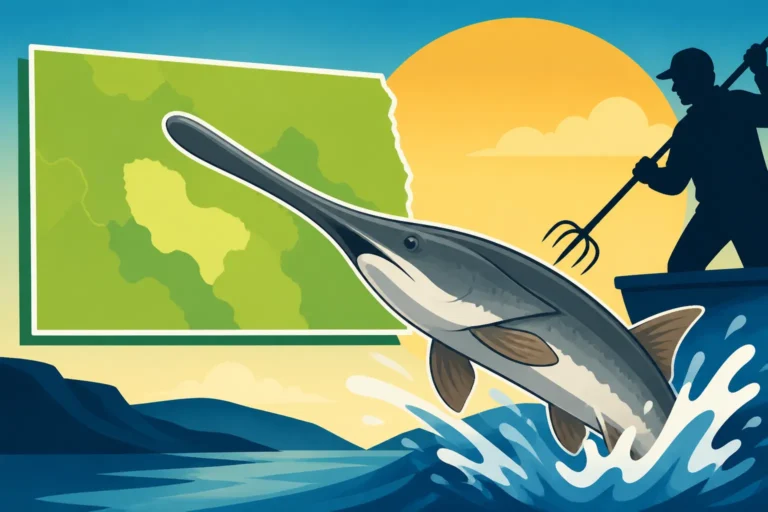
Paddlefish, on the other hand, are truly one-of-a-kind. They are unmistakable with their extraordinarily long, paddle-shaped snout, which is used to detect plankton, their primary food source. They are filter feeders and do not bite a hook in the traditional sense. Instead, they are caught through a unique method called snagging, primarily in the Missouri River system below Garrison Dam during a tightly regulated season. These massive fish can grow to over 100 pounds, offering an incredibly powerful, sometimes hours-long, battle. The paddlefish season is a major event for many North Dakota anglers, a testament to the thrill of battling these freshwater giants. Our North Dakota Paddlefish Snagging Guide provides all the details you need to participate in this special fishery.
Cool Water Challengers: Smallmouth Bass, Sauger, and Salmon
North Dakota's diverse aquatic environments also support species that prefer cooler, cleaner waters, offering different challenges and rewarding specialized techniques. These include the hard-fighting smallmouth bass, the delicious sauger, and the deep-water Chinook salmon.
Smallmouth Bass: Pound-for-Pound Fighters
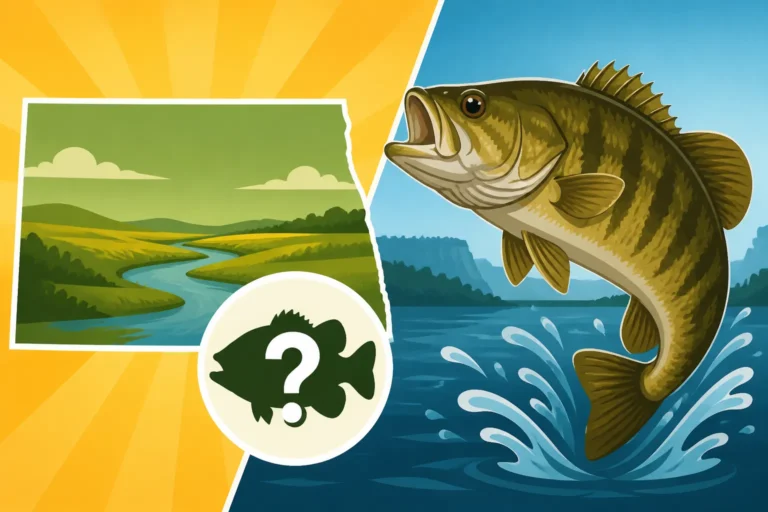
If you're looking for a fish that fights well above its weight class, the smallmouth bass is your answer. Known for their acrobatic jumps and powerful runs, smallmouth are a favorite among many anglers for their sheer tenacity. They are characterized by their bronzy-brown to greenish-brown coloration, vertical bars or blotches on their sides, and a jawline that does not extend beyond the eye (unlike their largemouth cousins).
In North Dakota, smallmouth bass thrive in clear, cool waters with rocky bottoms and plenty of structure. The Missouri River system, particularly the main stem and reservoirs like Lake Sakakawea and Lake Audubon, offers excellent smallmouth fishing. They are often found around riprap, rock piles, submerged points, and steep drop-offs. These fish are incredibly aggressive and will readily strike a variety of lures.
Anglers target smallmouth with an array of techniques, including casting crankbaits, spinnerbaits, tube jigs, and topwater lures around rocky cover. Fly fishing for smallmouth can also be incredibly exciting. When you hook into a North Dakota smallmouth, be prepared for a spirited fight that will test your tackle and angling skills. They're a fantastic sport fish and a joy to catch. For tips on where and how to find these feisty fighters, check out our North Dakota Smallmouth Bass Fishing Guide.
Sauger and Chinook Salmon: Deep Water Delights
While walleye tend to get all the glory, their close cousin, the sauger, is another highly prized catch in North Dakota, particularly in the Missouri River system. And for something truly different, Lake Sakakawea offers a unique cold-water salmon fishery.
Sauger are often confused with walleye, and it's easy to see why. They share a similar slender body shape and large eyes. However, sauger typically have distinct dark blotches or spots on their sides, and most notably, rows of distinct spots on their spiny dorsal fin (walleye usually have a large, dark blotch at the base of the last two or three spines of the first dorsal fin, but no distinct rows of spots). Sauger also prefer slightly deeper, more turbid water and stronger currents than walleye, often found below dams and in river channels.
The Missouri River below Garrison Dam is a prime sauger fishery, where these fish can grow to impressive sizes, offering a welcome addition to a walleye catch. They respond well to jigging with minnows or soft plastics, and can be caught on small crankbaits. Their meat is just as delicious as walleye, making them a fantastic table fare. Learn more about identifying and catching them in our North Dakota Sauger Fishing Guide.
Then there are the Chinook salmon of Lake Sakakawea. Yes, you read that right – salmon in North Dakota! These Pacific salmon are stocked annually into the sprawling, deep, cold waters of Lake Sakakawea. Chinook are large, powerful fish, identifiable by their silver sides, black spots on their backs and tail, and dark mouths. They thrive in the deep, cold, oxygenated waters of the reservoir, primarily feeding on smelt, which are also stocked as a forage base.
Catching a Lake Sakakawea Chinook is a true trophy experience. They are typically targeted by trolling with downriggers or planer boards to get lures down to the deep thermal layers where they reside. Large spoons, flies, and plugs are popular choices. A powerful fish, a hooked Chinook will strip line off your reel and test your drag to its limits. This unique fishery is a testament to North Dakota's diverse angling opportunities. For details on how to pursue these impressive fish, refer to our North Dakota Chinook Salmon Fishing Guide.
Less Common but Captivating Catches: Trout, Muskie, and White Bass
While most anglers focus on the well-known species, North Dakota also offers opportunities to pursue some less common, but equally captivating, fish. These species might not be as widespread, but they provide unique thrills for those willing to seek them out.
The Trout Species: Hidden Gems
For those who appreciate the beauty and challenge of trout fishing, North Dakota might not be the first state that comes to mind, but it certainly holds some hidden gems. The state manages several small, cool-water lakes and ponds specifically for trout, primarily stocking rainbow trout, but also some brown trout and even lake trout in select locations.
Rainbow trout are identifiable by their iridescent silver-pink stripe along their sides and numerous small black spots on their bodies and fins. They are stocked in various community fisheries and deeper ponds across the state, providing opportunities for anglers to catch these beautiful and feisty fish. They readily take small spinners, spoons, flies, and a variety of baits like worms, PowerBait, or corn. These put-and-take fisheries are often perfect for a quick trip and offer consistent action.
Brown trout, known for their more solitary nature and predatory instincts, are less common but are found in some deeper, cooler lakes and a few select river stretches. They have a golden-brown coloration with dark spots, sometimes ringed with lighter halos. Lake trout, the largest of the North American char species, are present in the deepest, coldest parts of Lake Sakakawea, where they are occasionally caught by anglers targeting salmon or deep-water walleye. They require specialized deep-water trolling techniques and are true giants of the deep. While not as prevalent as in mountainous states, North Dakota's trout fisheries offer a delightful surprise for those in the know.
Muskie and White Bass: Niche Pursuits
For anglers looking for a truly rare and formidable challenge, or for fast-paced action, North Dakota offers muskie and white bass. These species represent two very different ends of the angling spectrum but are both incredibly rewarding in their own right.
Muskellunge, or "muskie" as they are affectionately known, are the ultimate freshwater predator. Often called the "fish of 10,000 casts," they are elusive, powerful, and grow to enormous sizes. While North Dakota does not have a widespread natural muskie population, the state has stocked "tiger muskies" (a sterile hybrid between a muskie and a northern pike) in a few select waters, such as Lake Audubon. These fish are absolute top-tier predators, identifiable by their long, cylindrical bodies, large mouths full of dagger-like teeth, and their distinctive vertical bars or spots. They require heavy tackle, large lures, and immense patience. Catching one is considered the pinnacle of freshwater fishing for many.
White bass, on the other hand, are the epitome of fast action and sheer fun. These schooling fish are characterized by their silvery bodies with distinct horizontal black stripes. They are incredibly aggressive and can be found in large numbers in many of North Dakota's larger reservoirs, including Lake Sakakawea, Lake Oahe, and Jamestown Reservoir. White bass feed voraciously on schools of baitfish, often creating frenzied surface boils where they chase their prey.
When you find a school of white bass actively feeding, the action can be non-stop. They'll strike almost anything, from small spoons and spinners to jigs and even bare hooks. They provide an excellent fight for their size and are fantastic for kids and beginners due to their willingness to bite. They're also quite tasty! A good pair of polarized sunglasses, available on Amazon, can help you spot those surface feeding frenzies from a distance.
The Unsung Heroes: Forage Fish and Bottom Dwellers
While we often focus on the glamorous game fish, it's important to remember the vast array of other fish species that form the backbone of North Dakota's aquatic ecosystems. These include the tiny forage fish that sustain larger predators and the bottom-dwelling species that play crucial roles in their environments.
Ecosystem Builders: Minnows and Other Baitfish
At the very bottom of the food chain, but critically important, are the various species of minnows and other baitfish. These small fish are the primary food source for almost every game fish we've discussed. Without a healthy population of forage fish, the larger predators would struggle to survive and grow.
North Dakota's waters are home to numerous species of minnows, including fathead minnows, emerald shiners, golden shiners, and bluntnose minnows, among others. These small, schooling fish often inhabit shallow, vegetated areas or open water, moving in vast schools to avoid predation. They are essential for a robust fishery and are often the bait of choice for targeting walleye, perch, and crappie. Anglers frequently purchase live minnows from bait shops or sometimes catch their own using small minnow traps.
Beyond minnows, other important baitfish include rainbow smelt, which were intentionally introduced into Lake Sakakawea to provide a forage base for the Chinook salmon and lake trout. Their populations fluctuate, and those fluctuations directly impact the health and size of the salmon fishery. These small, silvery fish might not be the target of most anglers, but their presence and abundance are vital indicators of the overall health and productivity of a lake or river.
Bottom Feeders: Suckers, Carp, and Bullheads
Rounding out North Dakota's fish diversity are several species that primarily inhabit the bottom of lakes and rivers, often consuming detritus, insect larvae, or vegetation. While sometimes overlooked, these species play important ecological roles and can occasionally provide unique angling opportunities.
Suckers, as their name suggests, are characterized by their downturned, fleshy mouths designed for sucking food off the bottom. Several species, including white suckers and bigmouth buffalo, are common throughout North Dakota. They are generally not targeted by sport anglers, but they are an important forage species for larger pike and other predators. They are sometimes caught incidentally on worms or other bottom baits.
Common carp are another prevalent bottom feeder, found in nearly every body of water in North Dakota. These large, robust fish, identifiable by their large scales and barbels around their mouths, are often seen as a nuisance due to their tendency to stir up sediment. However, they can grow to enormous sizes and offer an incredibly powerful fight, making them a popular target for bowfishing and a niche group of dedicated carp anglers who use specialized techniques like hair rigs with corn or boilies.
Finally, bullheads, particularly the black bullhead, are ubiquitous in many North Dakota ponds, lakes, and slower-moving rivers. These small, scaleless catfish are incredibly hardy, able to tolerate poor water quality and low oxygen levels that other fish cannot. They are easily identified by their broad heads, barbels, and dark coloration. While small, bullheads are abundant and provide easy action, making them a great target for kids with simple bait like worms or dough balls. They can be a fun catch and are surprisingly good to eat if properly cleaned.
Watch Out! Invasive Species in North Dakota Waters
While North Dakota boasts a fantastic array of native and introduced fish, we also have to contend with aquatic nuisance species (ANS). These invasive plants and animals can wreak havoc on ecosystems, outcompeting native species, altering habitats, and even impacting our fishing experiences. It's crucial for every angler to be aware and do their part to prevent their spread.
The Threat of Aquatic Nuisance Species
Aquatic nuisance species are non-native organisms that, once introduced, cause economic or environmental harm. In North Dakota, these can range from microscopic invaders to larger fish and plants. The impact of ANS can be devastating: they can alter the food web, reduce water quality, damage recreational equipment, and diminish fish populations by competing for food and habitat or directly preying on native species.
The spread of ANS is often unintentional, primarily through human activities. Boats, trailers, fishing gear, and even waders can carry tiny larvae, plant fragments, or adult organisms from one body of water to another. This is why the "Clean, Drain, Dry" initiative is so incredibly important for all boaters and anglers. Every time you move from one lake or river to another, you become a potential vector for these harmful species.
The North Dakota Game and Fish Department (NDGFD) takes ANS very seriously, implementing regulations and educational campaigns to protect our waters. Understanding these threats and adhering to the rules isn't just about compliance; it's about protecting the future of North Dakota fishing. You can find detailed information on preventing their spread in our guide Aquatic Nuisance Species Rules for Boaters.
Common Invasive Species: Zebra Mussels and Asian Carp
North Dakota has already seen the introduction of several concerning aquatic invasive species, and vigilance is key to preventing further spread. Two of the most talked-about are zebra mussels and Asian carp.
Zebra mussels are small, D-shaped shellfish with distinctive striped shells. They are incredibly prolific and attach to any hard surface, including rocks, docks, boat hulls, and even native mussels. Once established, they filter vast amounts of water, altering the food chain and making the water clearer, which can negatively impact some fish species. They also clog water intake pipes, damage boat engines, and their sharp shells can be a hazard to swimmers and bare feet. North Dakota has detected zebra mussels in several key fisheries, including Lake Ashtabula and parts of the Red River, making the "Clean, Drain, Dry" protocol absolutely critical after leaving any water body.
Asian carp, specifically bighead and silver carp, are another significant threat. These large, fast-growing filter feeders consume vast quantities of plankton, directly competing with native species like larval fish and native mussels. Silver carp are particularly infamous for their tendency to leap out of the water when startled by boat noise, posing a serious hazard to boaters and anglers. While large populations are mainly found further south, their presence in the Red River system means they are a potential threat to North Dakota's eastern waters. Efforts are ongoing to prevent their further upstream migration.
Anglers have a vital role to play in preventing the spread of these and other invasive species. Always inspect your boat, trailer, and all fishing gear for any aquatic plants or animals before leaving the boat ramp. Pull the plug on your boat to drain all bilge water, livewells, and bait buckets. And if possible, allow your equipment to thoroughly dry for several days before using it in another water body.
Understanding Fish Habitats Across North Dakota
Knowing which fish species live in North Dakota is one thing, but understanding where they live and why they thrive in certain areas is key to becoming a more successful angler. North Dakota offers a fascinating mosaic of aquatic habitats, each dictating the types of fish it can support.
Diversity of Water Bodies
North Dakota's fishing landscape is incredibly diverse, ranging from vast, man-made reservoirs to natural glacial lakes and winding river systems. Each type of water body provides a unique set of conditions that favor certain fish species.
Large Reservoirs: The "big three" – Lake Sakakawea, Lake Oahe, and Lake Audubon – are massive impoundments of the Missouri River system. These deep, often wind-swept waters provide cold, oxygenated habitat for species like walleye, sauger, smallmouth bass, and the stocked Chinook salmon and lake trout. Their sheer size and varied structure (rocky points, submerged timber, deep channels) create diverse micro-habitats for different species.
Natural Glacial Lakes: Devils Lake is the most famous example of a natural, sprawling glacial lake. Its unique characteristic is its fluctuation in water levels, leading to flooded timber and extensive shallow, productive areas. This makes it a prime location for yellow perch, walleye, and northern pike, which thrive in its nutrient-rich, often somewhat turbid waters. Many smaller prairie lakes also fall into this category, offering panfish and pike opportunities.
River Systems: The Missouri River, after its reservoir stages, continues to flow through the state, offering current-loving species like sauger, smallmouth bass, and shovelnose sturgeon. The Red River of the North, a slow-moving, meandering river that flows north, is world-renowned for its trophy channel catfish, which thrive in its muddy, rich environment. Other rivers, like the James, Sheyenne, and Souris, offer smaller-scale river fishing for pike, walleye, and various panfish.
Smaller Ponds and Community Fisheries: Scattered throughout the state are numerous smaller lakes, ponds, and community fisheries. These often provide excellent, accessible fishing for panfish like bluegill and crappie, as well as stocked rainbow trout and occasionally northern pike. They are invaluable for local anglers and introducing youth to fishing.
Factors Influencing Fish Distribution
The presence and abundance of specific fish species in any given North Dakota water body are influenced by a complex interplay of environmental factors. Understanding these helps you predict where certain fish might be found.
Water Temperature: This is perhaps the most critical factor. Cold-water species like trout and salmon require consistently cool temperatures, usually found in deeper parts of large reservoirs or spring-fed ponds. Cool-to-warm water species like walleye, perch, and smallmouth bass tolerate a wider range but still prefer certain temperature bands for feeding and spawning. Warm-water species like channel catfish and carp thrive in warmer, often shallower waters.
Water Depth and Structure: Different fish species have different depth preferences. Walleye and sauger often relate to deep structure like humps and drop-offs, especially in summer. Northern pike and panfish frequently inhabit shallower, vegetated areas. Smallmouth bass love rocky shorelines and submerged boulders. Understanding these preferences helps anglers pinpoint where to cast. You can often find detailed maps or even digital fish finders on Amazon that can help you visualize these underwater structures.
Food Availability: Fish go where the food is. Predators like walleye, pike, and bass will congregate where baitfish are abundant. Catfish and bullheads will be found where detritus and aquatic invertebrates are plentiful. A healthy ecosystem with a robust food chain is essential for thriving fish populations.
Water Quality (Turbidity, Oxygen): Some fish, like channel catfish, tolerate and even prefer more turbid (cloudy) water. Others, like smallmouth bass and trout, prefer clearer conditions. Oxygen levels are also critical; deep water can become oxygen-depleted in summer, pushing fish into shallower zones. Conversely, under the ice, low oxygen can lead to winterkill.
Human Impact: Stocking programs play a huge role in North Dakota's fisheries, introducing or supplementing species like walleye, salmon, and trout. Conversely, human activities can also negatively impact fish populations through pollution, habitat degradation, and the introduction of invasive species. Responsible angling and environmental stewardship are vital for maintaining the health and diversity of North Dakota's amazing fish species.
Disclaimer
This article is for general informational purposes only and does not constitute professional advice. Laws, prices and regulations vary by location and change over time. Consult a qualified professional for guidance on your specific situation.