How Big Do Walleye Get in North Dakota?
One of the most exciting questions on any angler's mind when they head out to the abundant waters of North Dakota is, "Just how big can I expect that walleye to be?" It's a natural curiosity, fueled by stories of lunker catches and the sheer joy of reeling in a truly impressive fish. This guide is here to unravel the mystery of walleye sizes in our state, from your average keeper to those legendary trophy fish, helping you understand what makes them grow and how you might just land the walleye of a lifetime.
The Factors Influencing Walleye Size in North Dakota
When we talk about how big a walleye gets, it's not just a random roll of the dice. There are so many intricate factors at play, from the vastness of the lake to the tiny organisms that make up its food chain. It's a complex dance of nature that ultimately determines the potential a walleye has to reach truly impressive dimensions.
Lake and River Ecosystems
Think about the sheer variety of North Dakota's fishing landscapes. You've got the enormous, sprawling waters of Lake Sakakawea, which is practically an inland ocean, compared to the fertile, flooded timber of Devils Lake, or the fast-moving currents of the Missouri River. Each of these unique environments offers different advantages and challenges for walleye growth.
In a massive reservoir like Lake Sakakawea, walleye have vast expanses to roam and find food. There's less competition for space, and often, a wider variety of forage fish. This can lead to a more dispersed population, but also creates the opportunity for individual fish to gorge and grow exceptionally large. They might not pack on weight quite as rapidly as in some other systems, but the sheer longevity and consistent food supply can lead to true giants over time. Devils Lake, on the other hand, is known for its incredible biomass, meaning a huge amount of fish for the water size. The flooded timber and nutrient-rich waters can provide an absolute smorgasbord for walleye, leading to phenomenal growth rates, especially in their younger years. The Missouri River, with its constant flow and diverse structure, offers a different kind of challenge and opportunity, allowing walleye to ambush prey in current breaks and grow strong. Understanding these distinct characteristics is key to appreciating why walleye size can vary so much across the state.
Food Availability and Forage Base
Just like us, walleye need a good, steady diet to put on weight. The abundance and type of forage fish in a particular body of water are arguably the most critical factors influencing how large a walleye can grow. In North Dakota, our walleye often feast on a variety of prey, and what's available can directly impact their size.
Some lakes might have a healthy population of yellow perch, which are a favorite snack for walleye and provide good nutritional value. Others, especially our larger reservoirs like Lake Sakakawea, are home to abundant rainbow smelt and cisco. These fatty, protein-rich baitfish are like superfoods for walleye, allowing them to put on significant weight and grow to impressive lengths. When the forage base is thriving, walleye don't have to work as hard to find food, meaning they can conserve energy and dedicate more resources to growth. Conversely, if a lake experiences a dip in its forage population, you might see walleye growth rates slow down, and they might appear leaner. This delicate balance within the food chain is constantly monitored by wildlife agencies, as it directly correlates with the health and size potential of our beloved walleye fishery. For more on what these fish like to eat, check out our North Dakota Walleye Fishing Guide.
Water Quality and Habitat Conditions
Beyond just food, the overall health of a walleye's home environment plays a massive role in its ability to thrive and grow. Clean, well-oxygenated water, stable temperatures, and plenty of suitable habitat are non-negotiable for producing big fish. Walleye are quite sensitive to changes in their environment, and poor conditions can stress them, diverting energy from growth to survival.
Consider the clarity of the water. While walleye are known for their excellent low-light vision, extremely turbid water can make hunting more difficult, impacting their feeding efficiency. Oxygen levels are also crucial; deep areas of a lake that become deoxygenated in summer (a process called anoxia) can force walleye into shallower, warmer waters, increasing stress and limiting their access to potential deep-water forage. Stable temperatures, particularly during critical feeding periods, also contribute to consistent growth. Furthermore, the presence of good structure – rocky reefs, submerged timber, weed lines, and sharp breaks – provides essential ambush points and cover for walleye, allowing them to conserve energy and efficiently hunt prey. Healthy habitat means healthy fish, and healthy fish have the best chance to reach their maximum size potential.
Understanding North Dakota's Walleye Growth Potential
It's one thing to hear stories, and another to understand the realistic potential of a walleye in North Dakota. We often dream of those monster fish, but it's important to differentiate between what's common and what's truly extraordinary in our waters.
Average Size vs. Trophy Potential
When you're fishing in North Dakota, particularly on popular walleye fisheries like Devils Lake or Lake Sakakawea, you're likely to encounter a wide range of sizes. Most anglers are thrilled to catch a walleye in the 15-to-20-inch range. These are often referred to as "eater" walleye, perfect for a delicious meal, and they represent a very healthy, common size class in many of our lakes. They're typically in the 1 to 3-pound range, offering a spirited fight and a rewarding catch. This is the bread and butter of North Dakota walleye fishing, providing consistent action and plenty of opportunities.
However, North Dakota is also famous for its trophy potential. A "trophy" walleye in our state is generally considered to be anything over 25 inches, often weighing 5 pounds or more. Fish in the 28 to 30-inch range, pushing double-digit weights, are truly exceptional and the stuff of angler dreams. These are the fish that require patience, skill, and a bit of luck. While you might catch many smaller walleye in a day, landing even one fish in the trophy class can make an entire season memorable. Many anglers dedicate countless hours, honing their techniques and studying their chosen waters, specifically hoping for that one big bite. For specific regulations that help manage these trophy populations, be sure to check out North Dakota Walleye Size Limit Rules.
Here's a quick look at the general ranges you might encounter:
| Category | Length Range (Inches) | Weight Range (Pounds) | Typical Age (Years) |
|---|---|---|---|
| Small/Juvenile | Under 14 | Under 1 | 1-2 |
| Keeper/Eater | 15-20 | 1-3 | 3-5 |
| Large/Quality | 21-24 | 4-7 | 6-9 |
| Trophy | 25+ | 8-15+ | 10+ |
The North Dakota State Record Walleye
Every state has its legendary fish, and North Dakota is no exception. The state record walleye stands as a testament to the incredible potential of our waters. While I can't give you the exact current numbers, the North Dakota state record walleye is a truly magnificent specimen, representing the absolute pinnacle of growth for the species within our borders. It's a fish that inspires awe and continues to fuel the dreams of countless anglers.
Catching a fish of that caliber is a combination of perfect conditions, immense luck, and often, an angler who knows their craft inside and out. It showcases what's possible when all the environmental factors align—an abundance of food, excellent habitat, and enough time for a walleye to reach its full genetic potential. While most of us won't ever come close to breaking the state record, knowing it exists and what it represents gives us a tangible goal, a benchmark for those truly special catches. It reminds us that every cast holds the possibility of connecting with a truly giant fish. If you're curious about the specifics of this legendary fish, you might enjoy reading more in North Dakota Walleye State Record Weight.
Age and Growth Rates
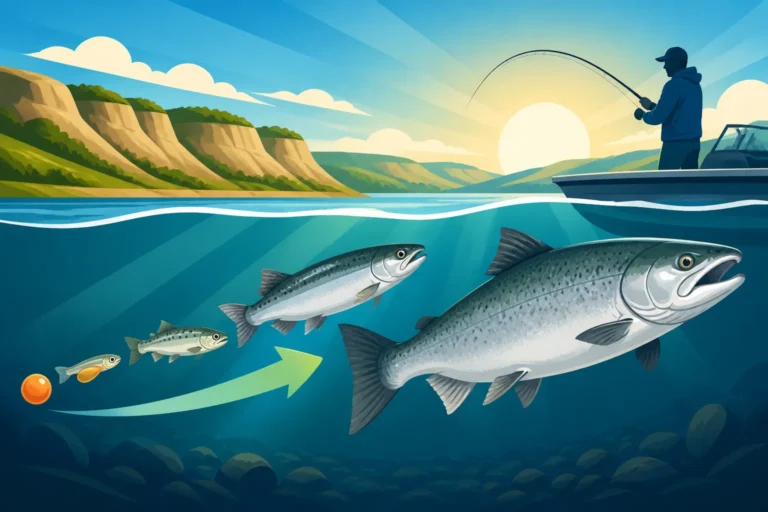
Walleye, like most fish, don't just grow indefinitely. Their growth rate is fastest in their younger years when they're rapidly putting on length and developing. As they get older, their growth tends to slow down significantly, and they often focus more on packing on weight rather than adding many more inches. The age at which a walleye reaches trophy size can vary greatly depending on the lake and its specific conditions.
In some nutrient-rich, forage-heavy lakes, walleye might reach 20 inches in as little as 3-4 years. In tougher environments, that same growth might take 5-6 years. The truly large trophy walleye, those pushing past 25 or 28 inches, are typically older fish, often well over 8-10 years old, and sometimes even older. These venerable fish have survived countless seasons, outsmarted predators, and endured varying environmental conditions. Understanding this age-to-size relationship is crucial for appreciating the value of these older, larger fish, and why conservation efforts often focus on protecting them so they can continue to contribute to the fishery.
Practical Tips for Targeting Larger Walleye
Chasing big walleye isn't just about luck; it's about understanding their habits, using the right tools, and having the persistence to put in the time. If you're serious about landing a personal best, a trophy walleye, these tips can certainly help stack the odds in your favor.
Locating Prime Big Walleye Habitat
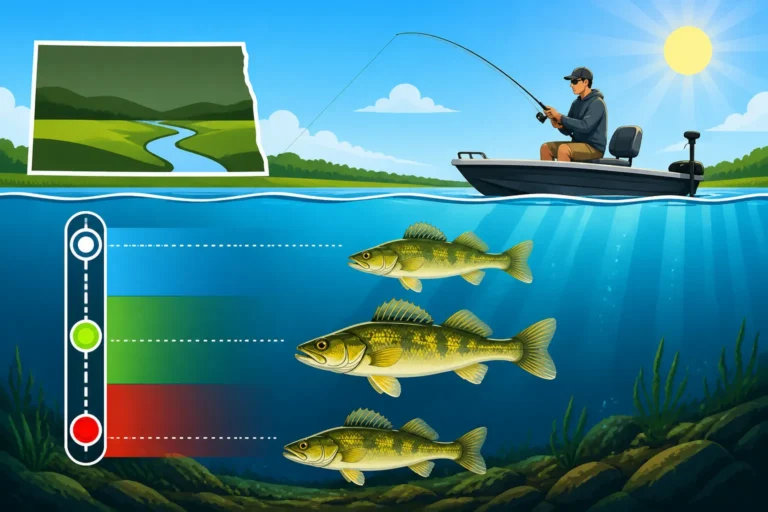
Big walleye are often more solitary and prefer specific types of structure where they can efficiently ambush prey and feel secure. They're less likely to be found in the same shallow, schooling areas as smaller "eater" fish, especially during daylight hours. Your best bet for finding these lunkers is to focus on deeper water, significant structural elements, and areas that offer a transition between different types of habitat.
Look for deep water humps, sunken islands, sharp breaks, and submerged points that drop off into significant depths. These are classic walleye holding areas. Think about areas with larger rocks, boulders, or even submerged timber, which offer excellent cover and ambush points. On a vast lake like Sakakawea, this might mean targeting vast main-lake structural features, while on Devils Lake, it could involve key deep edges of flooded timber or rocky reefs. Walleye, particularly the larger ones, are often very structure-oriented. They'll position themselves just off these features, waiting for an unsuspecting baitfish to swim by. Using good electronics, studying contour maps, and paying attention to subtle changes in bottom composition can make a huge difference in pinpointing these prime locations. Deep Water Structure Fishing Techniques can give you even more insights into finding these hidden gems.
Gear and Techniques for Trophy Walleye
When you're specifically targeting big walleye, a slight adjustment to your gear and techniques can be beneficial. While your standard walleye setup might suffice, going a bit heavier and more robust can give you an edge, especially when that 10-pounder finally bites.
Consider using a slightly heavier action rod – something in the medium-heavy range with a good backbone, capable of handling larger lures and strong fish. A smooth, reliable spinning reel or a baitcasting setup with a strong drag is also essential. Load your reel with a good quality braided line, perhaps 10-20 lb test, which offers superior sensitivity and strength, and tie on a fluorocarbon leader (10-15 lb test) for abrasion resistance and stealth. Lure selection is also key; while smaller jigs and crankbaits catch plenty of walleye, bigger fish often respond to larger presentations. Think about bigger crankbaits that dive deeper, larger jigging spoons, or substantial swimbaits. When using live bait, don't be afraid to use bigger minnows or even small suckers. Many of these items can be found readily on platforms like Amazon, offering a convenient way to upgrade your tackle. Remember, a bigger bait often means fewer bites, but the bites you do get are more likely to be from a substantial fish. Consistency and attention to detail, from knot tying to sharp hooks, are paramount. For more on equipment, check out Best Fishing Rods for North Dakota Anglers.
Patience and Persistence
Let's be real: trophy walleye aren't caught every day. If they were, they wouldn't be called trophies! The pursuit of a truly large walleye demands a significant amount of patience and persistence. You might spend hours, or even days, without a bite, or only catching smaller fish, before that one monster decides to make an appearance.
This isn't a sprint; it's a marathon. It often involves experimenting with different depths, presentations, and even moving to multiple spots throughout the day. Don't get discouraged if the bite is slow. Big fish are smart, wary, and often less active than their smaller counterparts. They've grown large by being cautious! Learn to enjoy the process, the time on the water, and the challenge itself. Every cast is an opportunity, and every slow day is a learning experience. The satisfaction of finally landing that magnificent, hard-earned trophy walleye makes all the waiting and effort absolutely worthwhile. Stick with it, learn from every outing, and your persistence will eventually pay off. Our North Dakota Fishing Season Calendar can help you plan your trips to coincide with the best times.
Conservation and Sustainable Practices for Big Walleye
As anglers, we have a responsibility to protect and preserve the incredible fishing resources that North Dakota offers, especially when it comes to trophy fish. The decisions we make on the water today directly impact the size and health of the walleye populations for future generations.
Understanding Slot Limits and Regulations
North Dakota employs a variety of fishing regulations, including slot limits, minimum length requirements, and daily bag limits, all designed to manage fish populations sustainably. Slot limits, in particular, are vital for promoting trophy walleye fisheries. A typical slot limit might require anglers to release all walleye within a certain size range (e.g., 20-28 inches), while allowing them to keep fish both below and above that range, often with a reduced bag limit for the larger fish.
The idea behind this is genius: it protects the prime breeding-age fish, allowing them to spawn multiple times and contribute to the next generation. It also allows some of those "protected" fish to grow past the slot limit into true trophy sizes, ensuring there's always a chance for an angler to catch a giant. While it might be tempting to keep every fish you catch, understanding and adhering to these regulations is crucial. They are not arbitrary rules; they are scientifically determined strategies to maintain a healthy and vibrant fishery. Always consult the current North Dakota Fishing Regulations Explained before heading out on the water.
Catch and Release for Large Walleye
For those truly magnificent trophy walleye, practicing responsible catch and release is one of the most impactful things you can do. These older, larger fish are incredibly valuable to the ecosystem. They are proven breeders, contributing significantly to the genetic diversity and overall health of the walleye population. Releasing them ensures they can continue to spawn and, hopefully, get even bigger.
If you decide to release a big walleye, minimize its time out of the water. Handle it gently, supporting its body horizontally rather than vertically by the jaw alone. Use wet hands or gloves to avoid removing the protective slime layer. Have your camera ready for a quick photo, then get the fish back into the water as quickly as possible. If it looks stunned, hold it upright in the water, gently moving it back and forth to help water flow over its gills until it swims away under its own power. Barbless hooks can also make removal much easier and less damaging. Your efforts in properly releasing a trophy walleye contribute directly to the ongoing health and quality of North Dakota's fishing.
The Importance of Habitat Preservation
While as individual anglers we focus on fishing techniques and regulations, the broader picture of habitat preservation is equally critical for big walleye. A healthy ecosystem with clean water, abundant forage, and diverse physical structure is the foundation for a thriving walleye population. Factors like water pollution, erosion, invasive species, and habitat destruction can severely impact a lake or river's ability to support large, healthy fish.
Supporting efforts that protect water quality, restore shorelines, and manage aquatic invasive species (like zebra mussels, which can impact forage fish populations) is vital. This might mean properly cleaning, draining, and drying your boat and gear after every outing to prevent the spread of invasives, participating in local clean-up efforts, or simply being mindful of your impact on the environment. Ultimately, the biggest walleye will only continue to exist if their homes are protected and kept pristine. Our collective actions, both on and off the water, ensure that the dream of catching a giant North Dakota walleye remains a reality for generations to come.
Disclaimer
This article is for general informational purposes only and does not constitute professional advice. Laws, prices and regulations vary by location and change over time. Consult a qualified professional for guidance on your specific situation.